European Union And India Seal Landmark Free Trade Pact Reshaping The Automotive Industry
EU and India seal their largest ever Free Trade Agreement, slashing car and auto component tariffs and reshaping the future of the Indian automobile industry from mass market mobility to luxury and future tech
For years, the Indian automobile market has been like a velvet rope club, everyone wanted in, very few were allowed through without paying a painful cover charge. That cover charge was a 110 per cent import duty on cars. Which meant that by the time a European vehicle landed on Indian soil it cost roughly the same as a small apartment and came with fewer cupboards. The European Union and India have concluded what both sides are calling a historic and commercially seismic Free Trade Agreement. It is the largest deal either has ever signed and for the automobile industry it is nothing short of tectonic. Tariffs on cars will be gradually reduced from an eye watering 110 percent to as low as 10 percent. Auto components will eventually be fully liberalized over five to ten years. That sentence alone is enough to make procurement teams pop champagne corks from Munich to Modena.
European Commission President Ursula von der Leyen summed up the scale of it with trademark understatement saying, “The EU and India make history today. We have created a free trade zone of 2 billion people with both sides set to gain economically.” For carmakers that zone is not just a statistic. It is a market of 1.45 billion increasingly aspirational consumers and a manufacturing base that already builds everything from hatchbacks to high performance SUVs.
The End Of The Automotive Penalty Box
Until now India was the market everyone wanted but nobody could quite crack without building everything locally. High duties forced manufacturers into expensive localization strategies or kept premium models out entirely. The FTA changes the maths. Phased tariff reduction means European brands can plan long term rather than gamble. Entry level luxury models become realistically priced. Niche performance cars finally make sense. Components move freely. Technology travels faster.
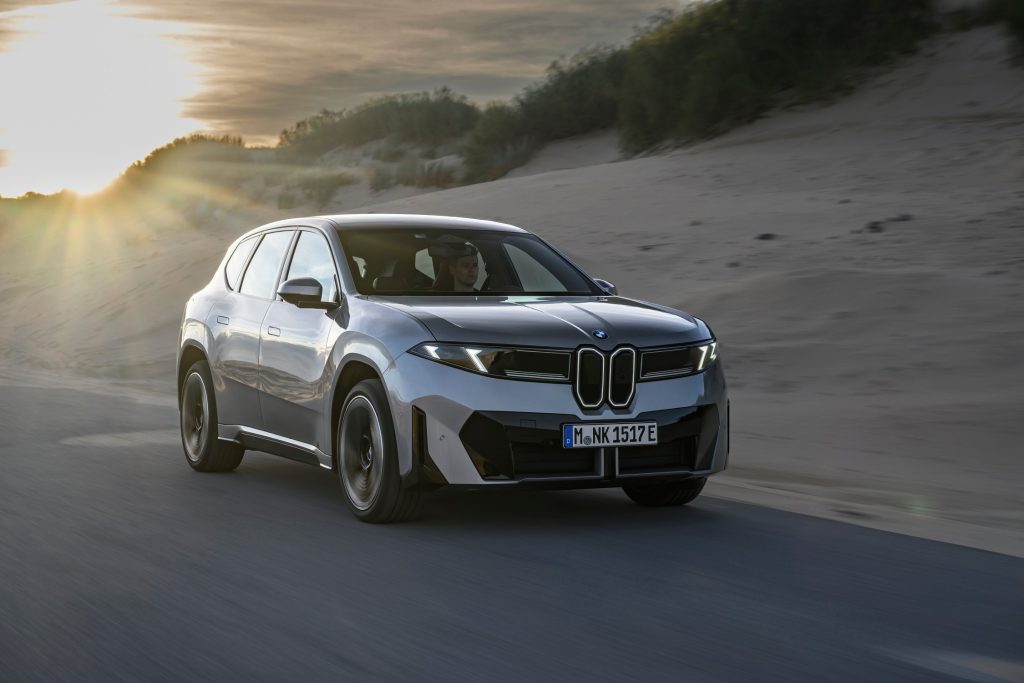
BMW Group India President and CEO Hardeep Singh Brar called it a milestone moment saying, “The proposed phased reduction of tariffs on cars and auto components has the potential to positively impact consumer confidence, enable greater product choice, and foster technological innovation and sustainable growth within the Indian automotive sector, particularly in future mobility.”
Also Read: From Supercars To Watches: The Legacy Of Bugatti Veyron And Royal Oak
Parts Make the World Go Round
If cars are the headline act auto components are the real rock stars of this agreement. Full abolition of duties on parts over five to ten years allows European suppliers to plug directly into Indian factories and Indian component makers to slot into global supply chains without friction.
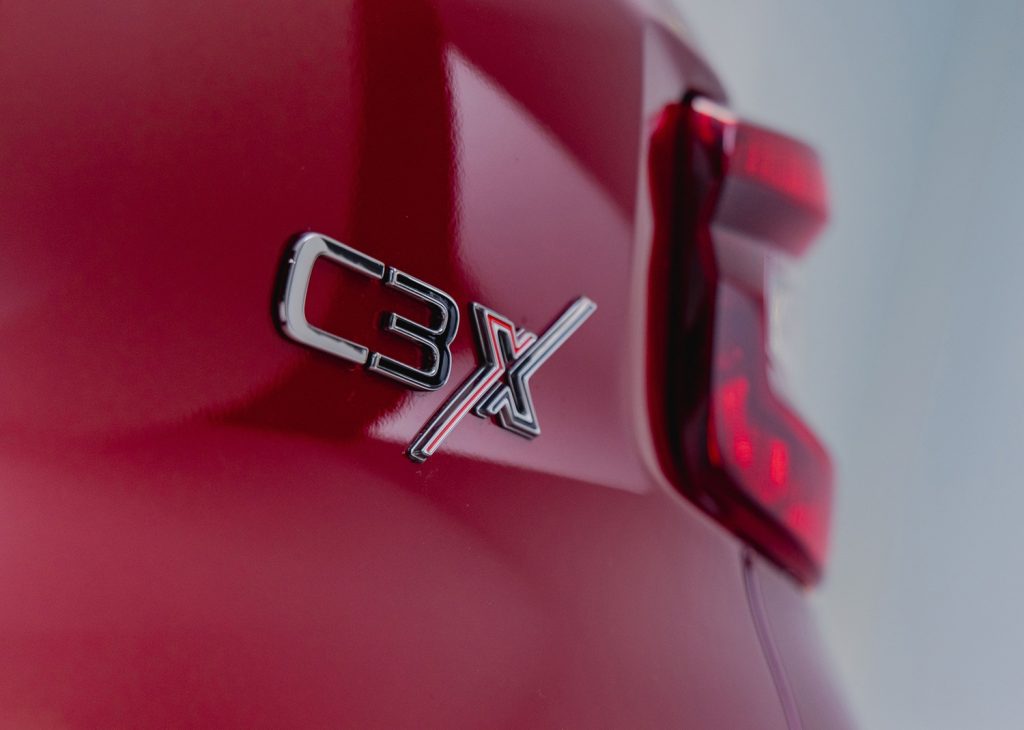
Stellantis India CEO Shailesh Hazela sees this as fuel for a much bigger ambition and says, “This agreement is a significant accelerator for our long term commitment to Make in India for the World. Reduced trade barriers will enhance manufacturing competitiveness expand export potential and support seamless integration into global supply chains.” That is not corporate poetry, but a roadmap. India becomes not just a sales market but a serious export hub for Europe bound vehicles and components.
Luxury Cars Get Breathing Space
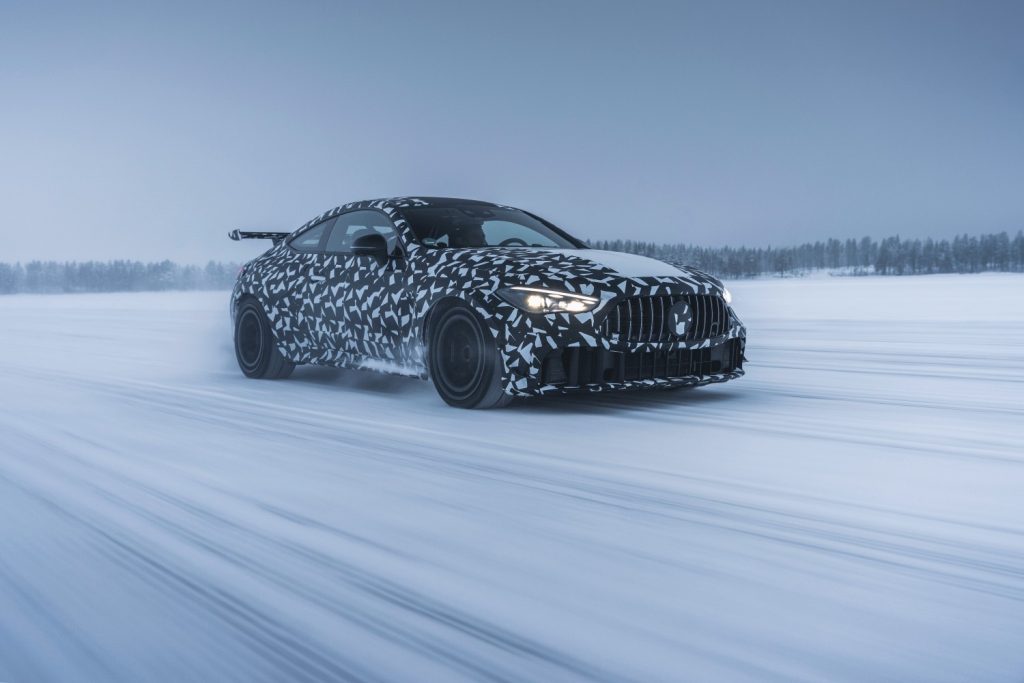
For the luxury segment the impact is immediate and psychological as much as financial. Mercedes Benz India MD and CEO Santosh Iyer welcomed the move saying, “A gradual tariff reduction on vehicles and fully liberalised automotive parts are strategically important decisions in the FTA for the automotive industry. The FTA opens up new avenues for customers with improved vehicle allocations, better availability of top-end global models for Indian market, faster access to latest technology and creating a stronger luxury car ecosystem.” In short fewer waiting lists fewer missing variants and fewer moments where buyers ask why their car costs double what it does elsewhere.
A Bigger Picture Than Horsepower
This deal sits against a backdrop of geopolitical uncertainty and rising protectionism. Which makes it even more remarkable. Commissioner for Trade and Economic Security; Interinstitutional Relations and Transparency, Maros Sefcovic called it “A deal like no other. High tariffs down opportunity unleashed. It proves that win win trade is real.” For the automobile industry it proves something else, that India is no longer just a market to be protected or tolerated. But one to be trusted with advanced technology electrification platforms and global production responsibilities.
The Road Ahead
The agreement will now move through legal review translation parliamentary approval and ratification. But for automakers the planning starts now. Product cycles shift. Investment models change. India moves from difficult market to strategic priority. The age of the automotive velvet rope is ending. The doors are opening. And this time Europe is not just knocking. It is driving straight in.