Lamborghini Marks 50 Years Of Open-Top Supercars: A Legacy Of Italian Design
Half a century after its Geneva debut, the Silhouette remains one of the rarest Lamborghinis ever built, a targa-roofed V8 that started a family tree still growing today
There is a certain kind of car that history forgets, usually because it was introduced at precisely the wrong time, in precisely the wrong decade, by a company that was busy trying not to go bankrupt. The 1970s were a miserable period for the motor industry. Oil crises, safety regulations and emissions rules had turned fast cars into endangered species, and many manufacturers responded by building something beige. Lamborghini, being Italian and therefore constitutionally unable to build anything beige, did the opposite. It took a perfectly good compact coupé, removed the roof and fitted wider tyres. The result was the Silhouette, which turns fifty this year, and which deserves a great deal more attention than it ever got. It was the first series-production open-top car the company ever made, and by modern standards it is spectacularly weird. It is also gloriously, unapologetically Lamborghini.
A Urraco With Ambitions
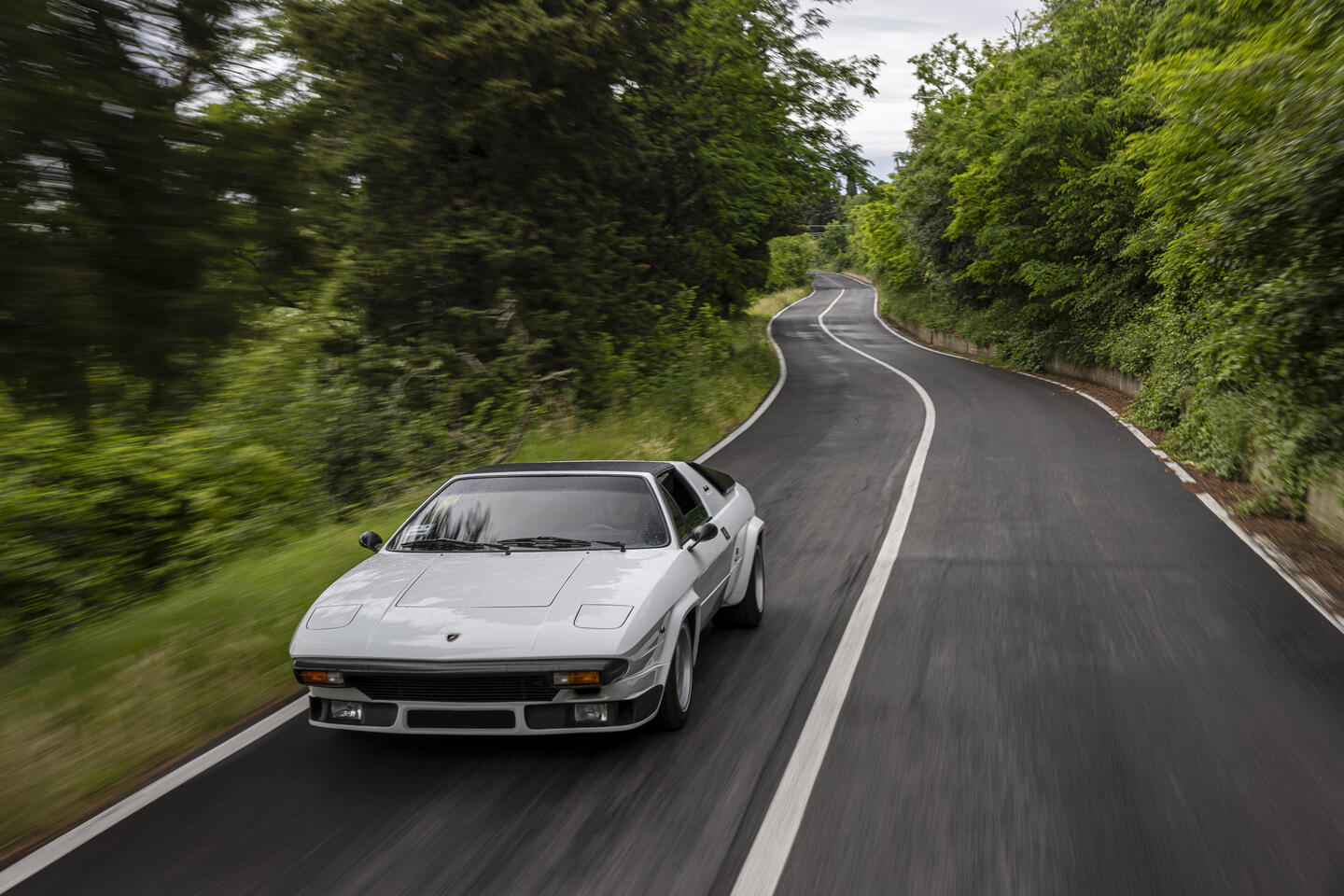
The Silhouette appeared at the 1976 Geneva Motor Show, shaped by Bertone and developed from the Urraco P300, which means that, deep down, it is a Urraco that went to the gym. Internally it was called the Tipo 118, and its first name was the Urraco Silhouette, a nod to its parentage. The name itself comes from Group 5 racing, where cars were so heavily modified that only their outline still resembled the road car. That is a rather good metaphor, because the Silhouette is so much more than a Urraco without a lid. Almost everything was rethought, from the proportions and the cabin to the structure underneath. It became a two-seater, abandoning the cramped rear seats, and it gave the company a fresh take on its sporting character.
Also Read: 100 Years of Bugatti Type 41 Royale: The Story of An Automotive Icon
Taking the Roof Off
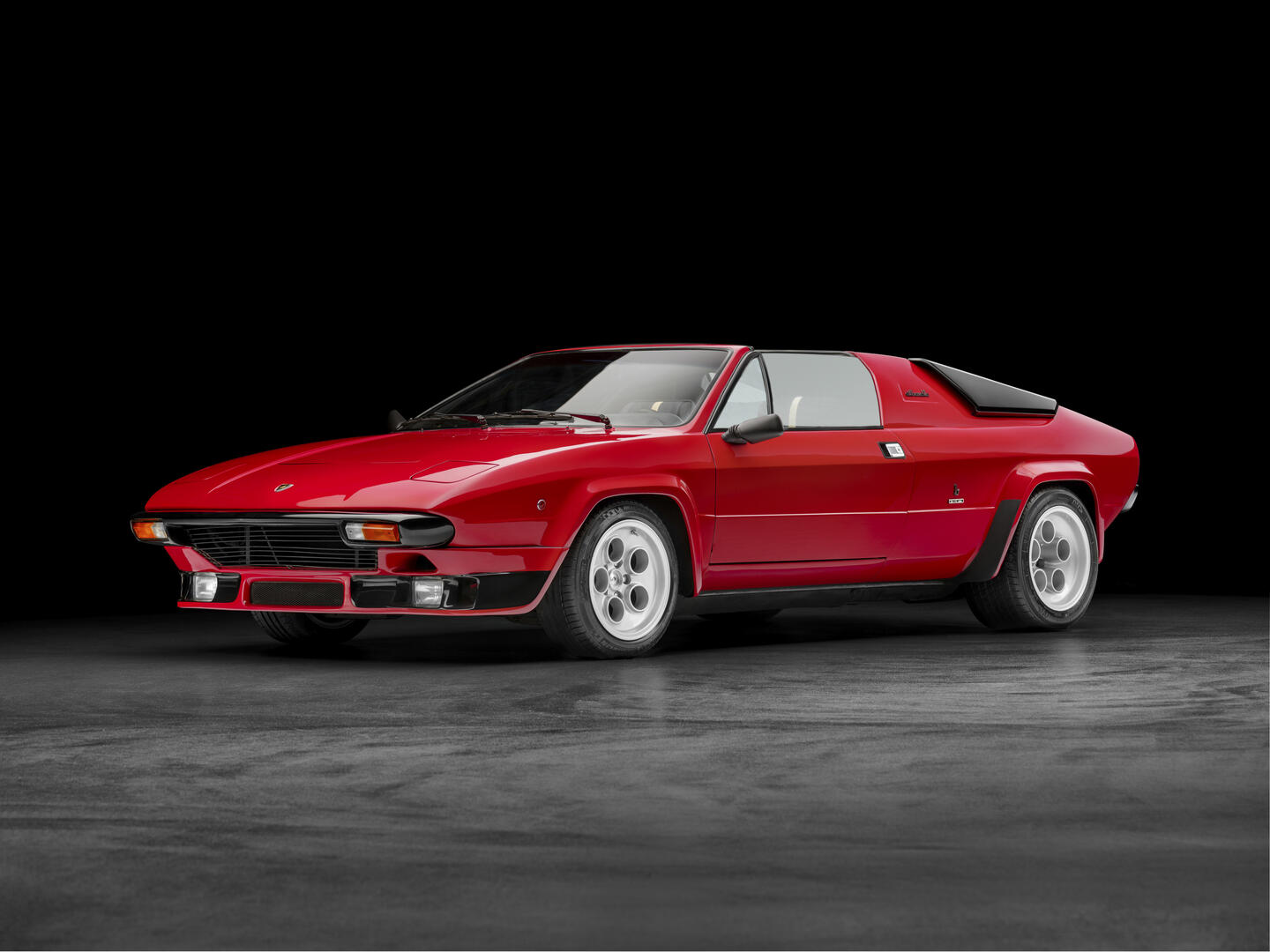
The headline act is the removable hardtop. This rigid panel, made of synthetic material, detaches from the windscreen frame and the rear roll bar and then stows in a dedicated compartment behind the seats, where it is held down with special fasteners. In other words, you can go for a drive with the roof off and still bring it with you, which is useful if it rains, and also if you want to pretend you are the sort of person who thinks ahead. The targa layout was also chosen with one eye on the safety requirements of the North American market, which the car was aimed at from the very beginning.
Also Read: Porsche And La Marzocco Unveil Exclusive 911 Carrera RS 2.7 Collection
Muscle in the Right Places
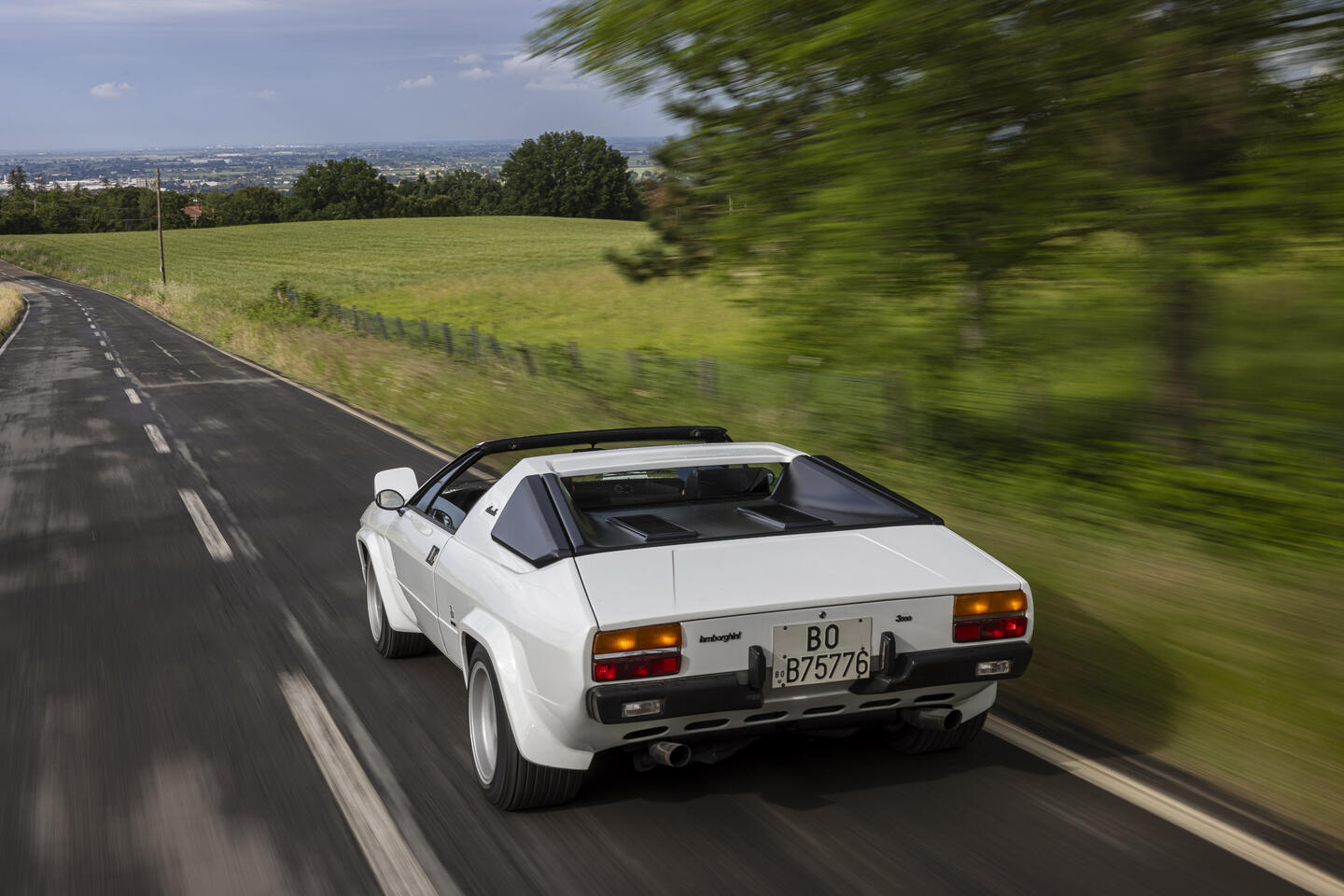
Bertone gave the body more muscular forms and some serious technical flourishes. The wheel arches were widened to cover fatter tyres, and a front spoiler, developed in a wind tunnel, helped to keep the nose planted at speed. At the back, the Urraco’s distinctive engine-cover slats vanished, replaced by a vertical rear window framed by angled pillars. That makes the Silhouette instantly recognisable, even with the roof off. Inside, there was a redesigned dashboard, rearranged instruments and new seats and upholstery, and the airflow was studied to reduce turbulence when driving open. In an age when most cars gave you a gale in the face, that was seriously thoughtful.
The Engineering Bit
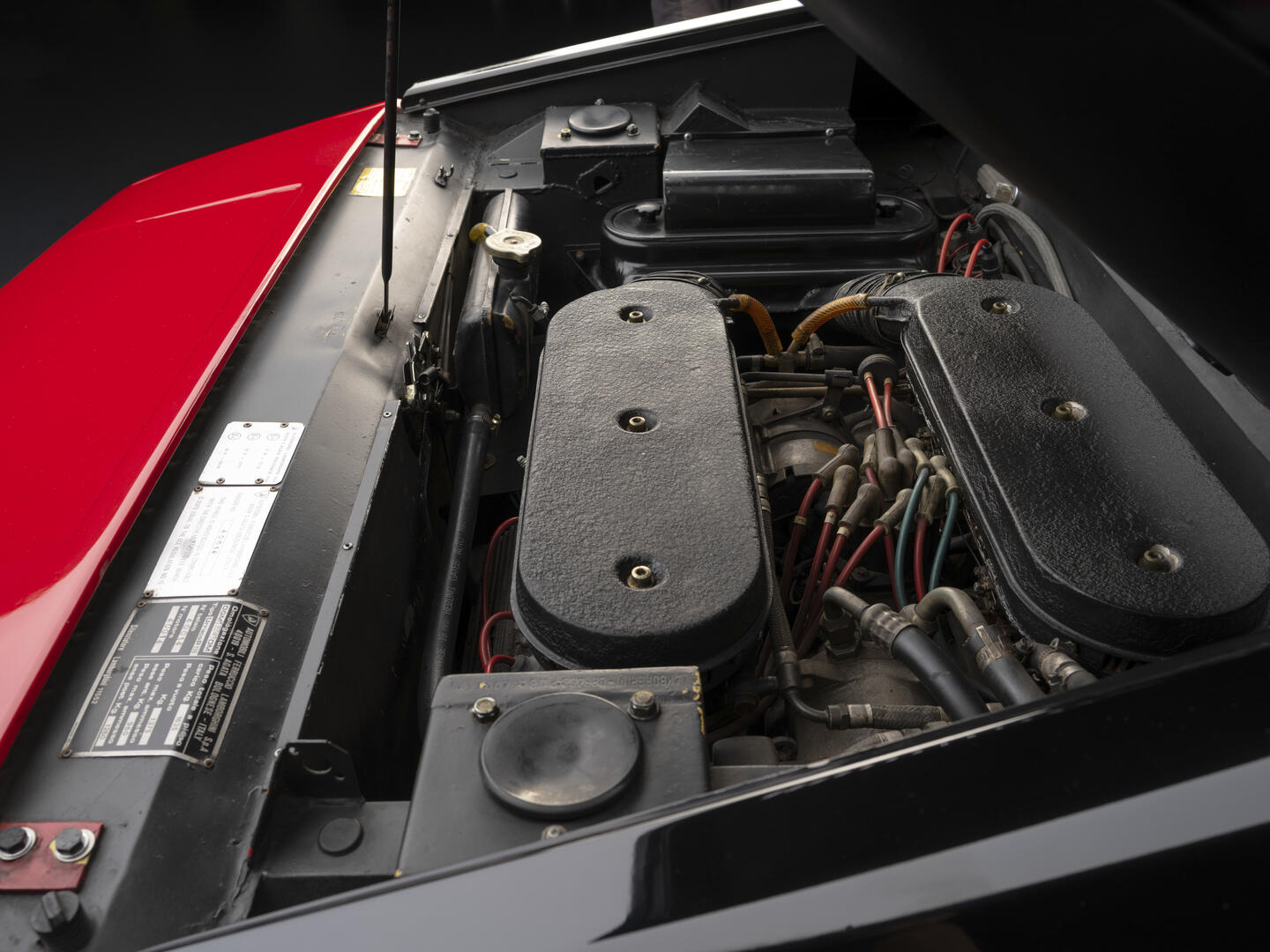
Beneath the skin, the Silhouette kept the Urraco P300’s transverse mid-mounted V8, five-speed manual gearbox and rear-wheel drive. Removing a roof, however, makes a car floppy, so the body was reinforced to preserve torsional rigidity. The suspension was redesigned with stiffer springs and dampers, and anti-roll bars were added to keep the handling sharp. New low-profile Pirelli P7 tyres, measuring 195/50 VR 15 at the front and a giant 285/40 VR 15 at the rear, sat on 15-inch Campagnolo magnesium-alloy wheels. Those wheels came from the Bravo, a 1974 concept that never made production, and their “telephone-dial” holes are now one of the Silhouette’s most recognisable details. The engine was the 3.0-litre V8, with twin overhead camshafts per bank, chain-driven valve timing and four twin-choke Weber carburettors. It was good for 260 km/h, a figure that, in an open car in 1976, would have rearranged your hair, your thoughts and possibly your fillings.
Rare as Hen’s Teeth
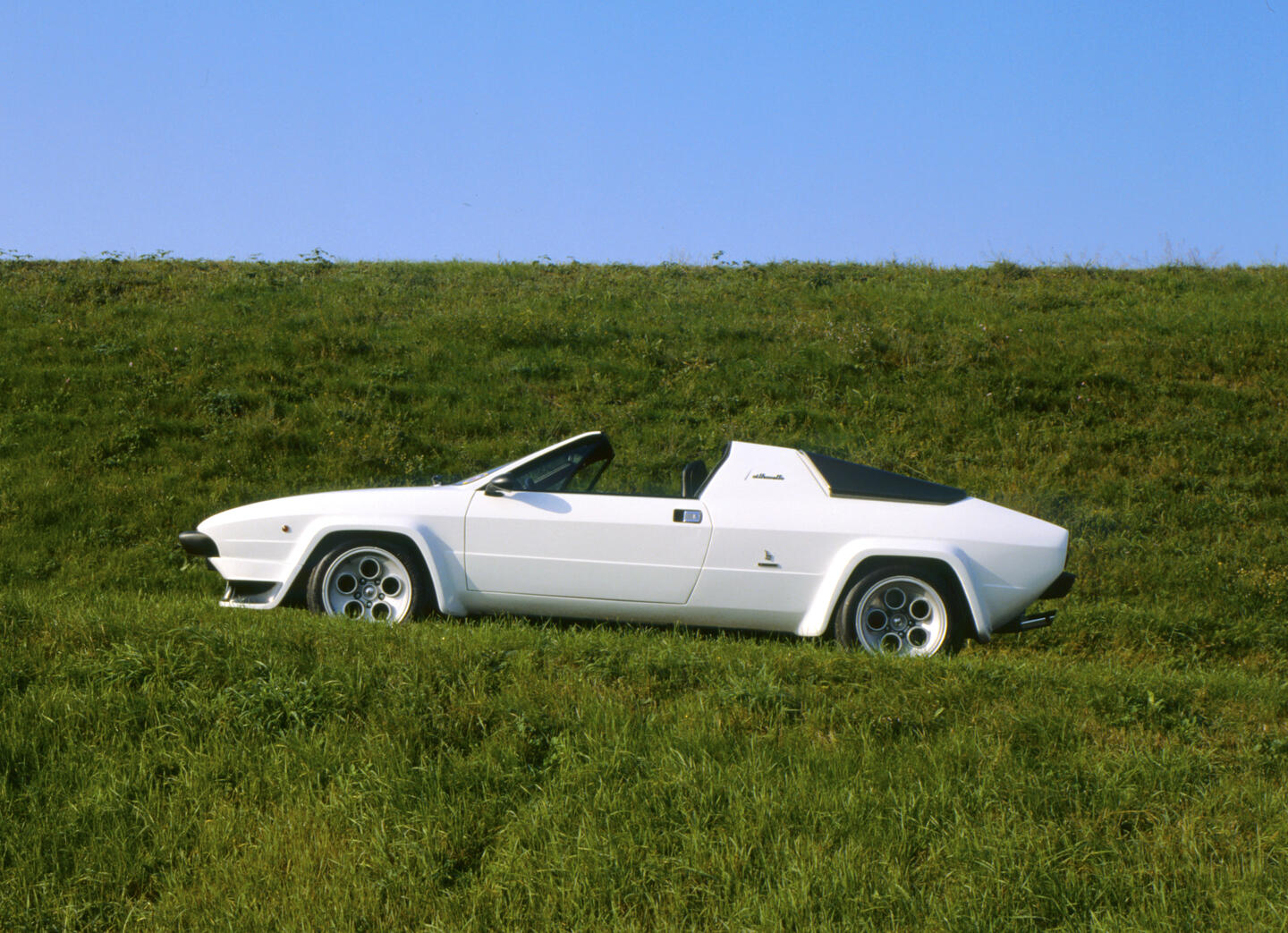
Between 1976 and 1979, Lamborghini built just over fifty Silhouettes, which makes it one of the rarest cars the company has ever produced. Its recipe of two seats, a mid-mounted V8 and a removable roof lived on in the Jalpa, which arrived in 1981 and stayed in production until 1988, developing the idea further. After that, the compact open-top Lamborghini disappeared for decades. The company’s open-air ambitions were instead expressed by large V12 monsters, such as the Diablo Roadster and the Murciélago Roadster, which pursued a very different philosophy. And yet the idea never quite died. It slept for years, waiting for someone to wake it, and eventually it did return, first in the Gallardo Spyder and later in the Huracán Spyder. So the next time you see a modern Lamborghini with its roof folded away and the V10 howling, spare a thought for the Silhouette. It was odd, rare and a bit ahead of its time. But it was the first to ask the right question: what if a Lamborghini could let the sky in?