Web Summit Lisbon: Key Highlights, Biggest Announcements And Takeaways From The Global Tech Conference
Lisbon becomes the meeting point for technology's next big ideas as artificial intelligence, humanoid robotics, global startups and digital innovation take centre stage at Web Summit 2026
There was a time when the future of technology was imagined through flying cars, thinking machines and computers capable of performing tasks that once required an army of people. Today, much of that imagination is becoming reality, and the technology industry is advancing at an extraordinary pace. Few gatherings offer a better glimpse into this changing landscape than Web Summit, the global technology conference that brings together entrepreneurs, investors, innovators and some of the most influential minds in business.
Held in Lisbon from November 9 to 12, 2026, Web Summit brought together the global technology community for discussions spanning artificial intelligence (AI), robotics, financial technology, digital infrastructure, entrepreneurship and the future of work. This year’s edition attracted 70,003 attendees representing 164 countries, more than 10,000 startups and 1,943 investors. The exhibition floor featured 3,052 companies from 110 countries, underlining the international scale of the gathering.
What made this year’s conference particularly interesting was the shift in conversation. Artificial intelligence was no longer being discussed merely as a tool that generates text, images or computer code. The spotlight moved towards autonomous AI agents, humanoid robots and intelligent systems capable of interacting with the physical world. Outlook Luxe takes a look at the biggest highlights, announcements and takeaways from Web Summit Lisbon 2026.
Humanoid Robots Are No Longer Science Fiction
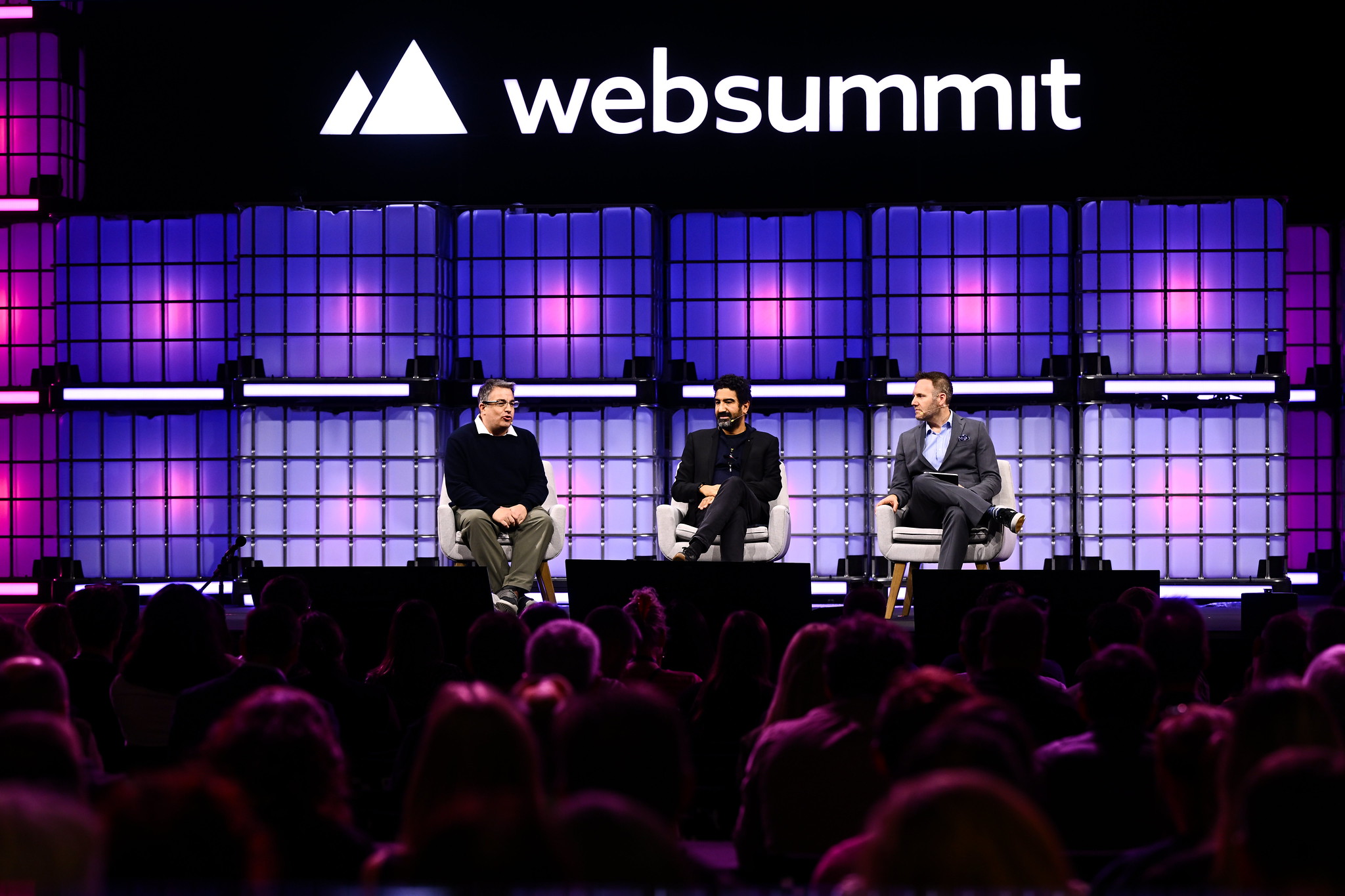
Perhaps the most striking development at this year’s Web Summit was the presence of humanoid robots as more than exhibition floor attractions. For the first time, robots were included among the event’s official speakers, reflecting the growing ambitions of the robotics industry.
Chinese technology companies brought some of their advanced machines to Lisbon, including UBTech’s U1 Pro and Walker C1, Galbot’s G1 and AgiBot’s A3. These demonstrations offered a glimpse into embodied AI, where machines combine artificial intelligence with physical movement, perception and interaction. Galbot also featured in discussions about robots entering everyday workplaces, including shops, pharmacies and factories. The larger message was difficult to miss: AI is beginning to move beyond computer screens and into the physical environments in which people live and work. The challenge now lies in making these machines sufficiently reliable, adaptable and commercially viable.
Autonomous AI Agents Emerge As The Next Big Frontier
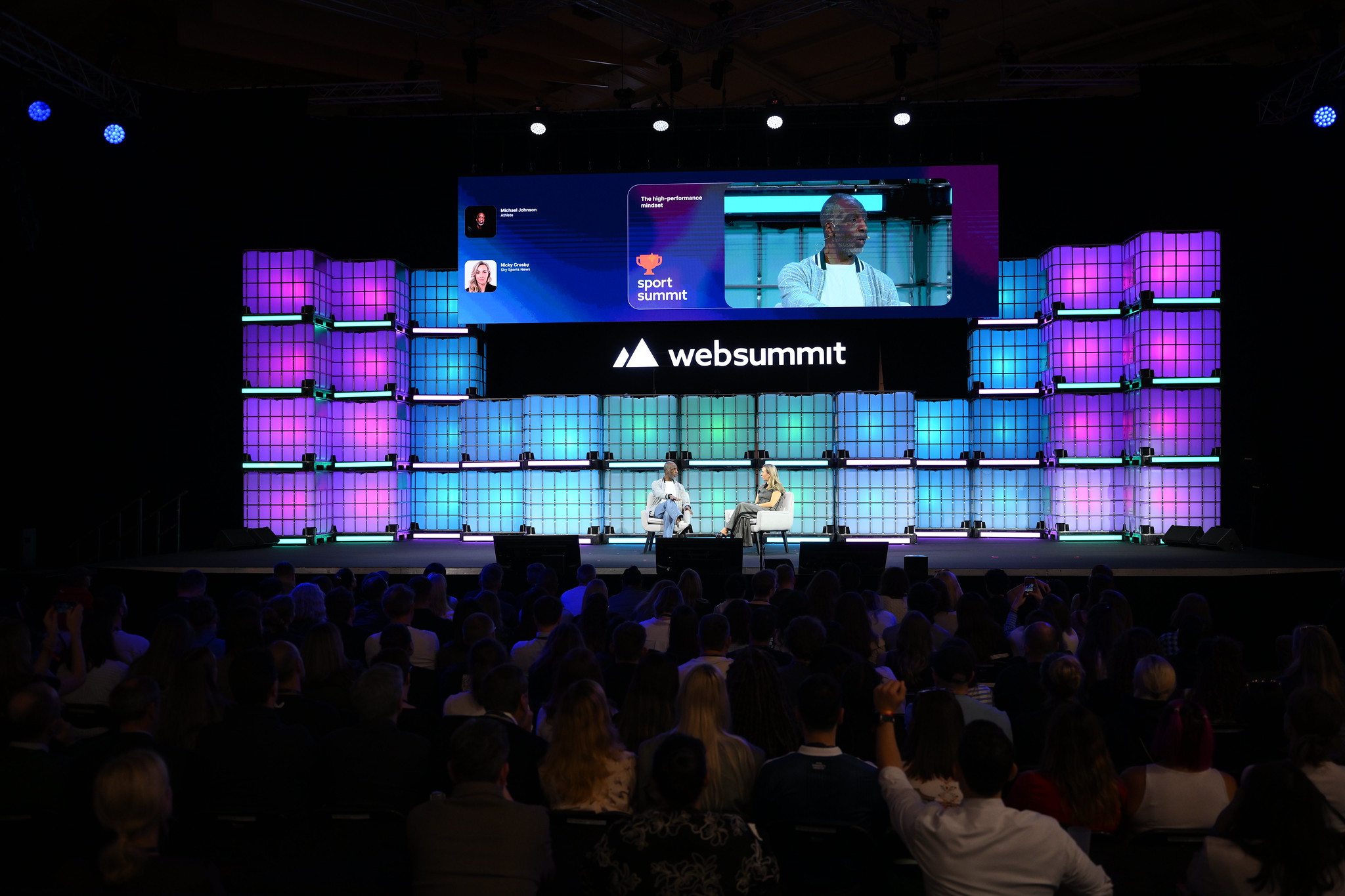
If generative AI dominated the technology conversation in recent years, autonomous AI agents emerged as one of the defining themes in Lisbon. These systems are designed to do more than respond to prompts. They can plan tasks, interact with digital tools and execute multi step workflows with varying degrees of human supervision. Manus AI co-founder Tao Zhang joined opening night discussions on the age of agents, while leaders from Cloudflare, Lovable and other technology companies explored the future of artificial intelligence.
The conversations extended into enterprise applications, with sessions examining how AI agents could transform research and development, customer operations and business productivity. The emerging takeaway was that the next phase of AI will be judged less by how impressively it answers questions and more by how effectively it completes work. For businesses, this could mean a fundamental change in how teams operate and allocate resources.
PitchBook Introduces New Opportunities For Startups And Investors

One of the notable business announcements came from PitchBook, which introduced two new offerings at the conference. PitchBook for Startups provides free access to its private market intelligence platform for companies seeking their first institutional financing. The second offering, PitchBook Origin, is an AI powered platform designed to help investors identify early stage investment opportunities. At launch, it covered approximately 25 million companies and 250 million professional profiles.
The announcement addresses an important gap in the startup ecosystem. Young companies often struggle to access the financial intelligence and investor networks available to established businesses. By lowering that barrier, PitchBook aims to make early stage fundraising and investment discovery more accessible.
The Business Of AI Gets A Reality Check
AI may be attracting extraordinary investment, but turning technological potential into sustainable commercial value remains a challenge. The Linux Foundation used Web Summit to release its State of Commercial Open Source 2026 report, examining the relationship between AI and the open source software industry.
Based on a survey of 225 founders and enterprise leaders, the research found that 72 per cent of respondents considered AI’s impact on their businesses positive. Another 57 per cent identified brand recognition and trust as their biggest competitive advantage. In an industry where AI is making software development increasingly accessible, credibility and customer confidence could become just as valuable as technological innovation.
AI Communication Becomes More Multilingual
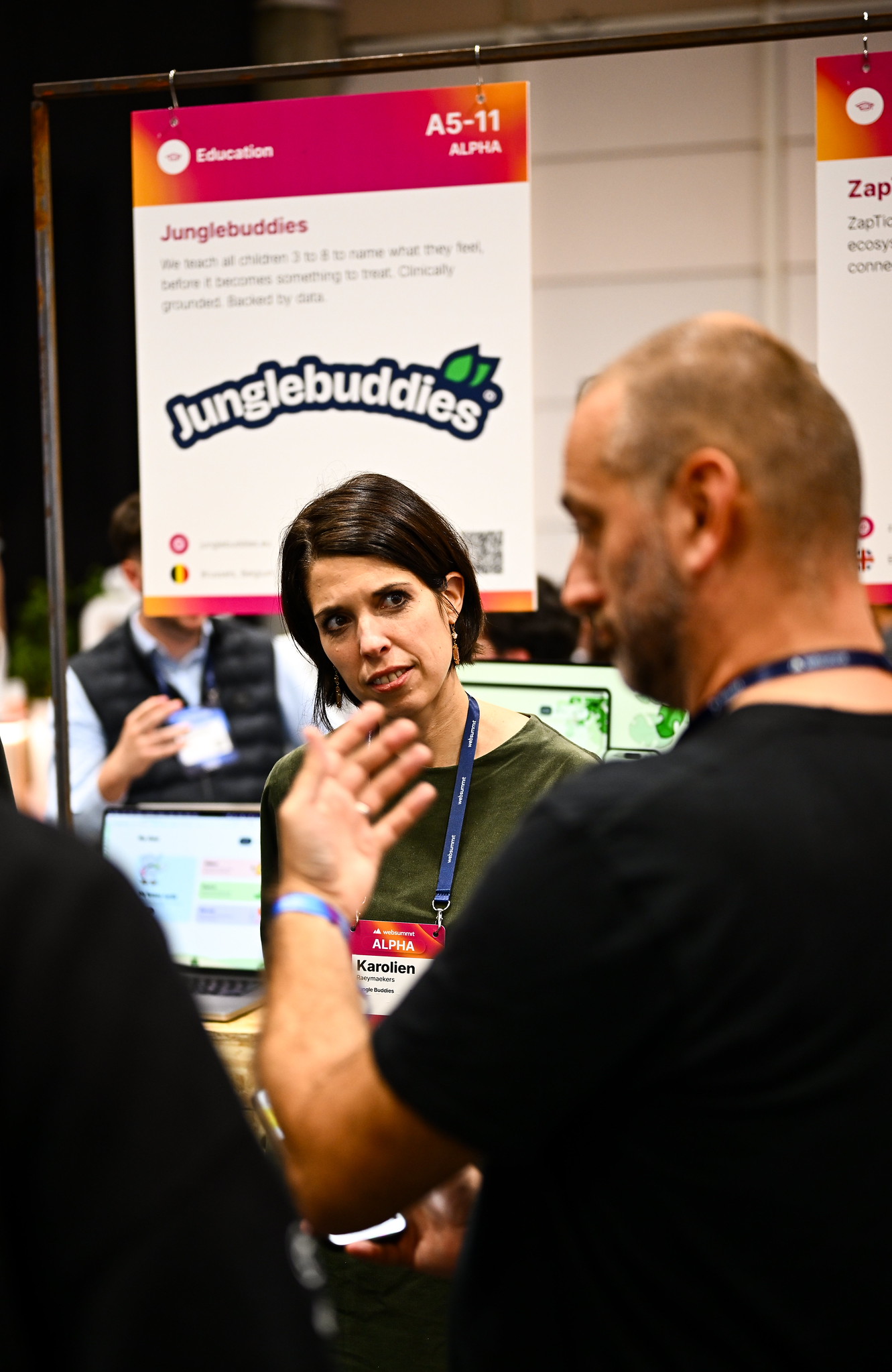
Another noteworthy announcement came from Otter.ai, which unveiled its biggest multilingual expansion yet, introducing support for 27 additional languages. The development highlights an important challenge facing AI powered communication platforms. Businesses increasingly operate across geographical boundaries, bringing together employees, clients and partners who do not necessarily share a common language. Improved multilingual capabilities could make meeting transcription, collaboration and information sharing considerably more accessible.
Europe’s Push Towards Sovereign AI
The conversation around AI was not restricted to innovation and commercial opportunity. Data ownership, infrastructure and technological independence also featured prominently. At Web Summit, AUSTRIACARD unveiled GaiaB, its AI operating system, alongside a partnership with Axelera AI aimed at advancing European sovereign AI capabilities. The announcement reflects growing interest in developing infrastructure that gives organisations greater control over their data, technology and computing environments. For Europe, this is particularly relevant as governments and businesses seek to balance global AI innovation with data sovereignty, security and regulatory requirements.