Sai Pallavi’s Sita Look In Ramayana: A Closer Look At The Jewellery And Design Details
Sai Pallavi's portrayal of Sita in Ramayana brings together traditional Indian jewellery, intricate craftsmanship and cultural heritage. Take a closer look at the ornaments, design details and artisans behind the film's visual interpretation of the epic
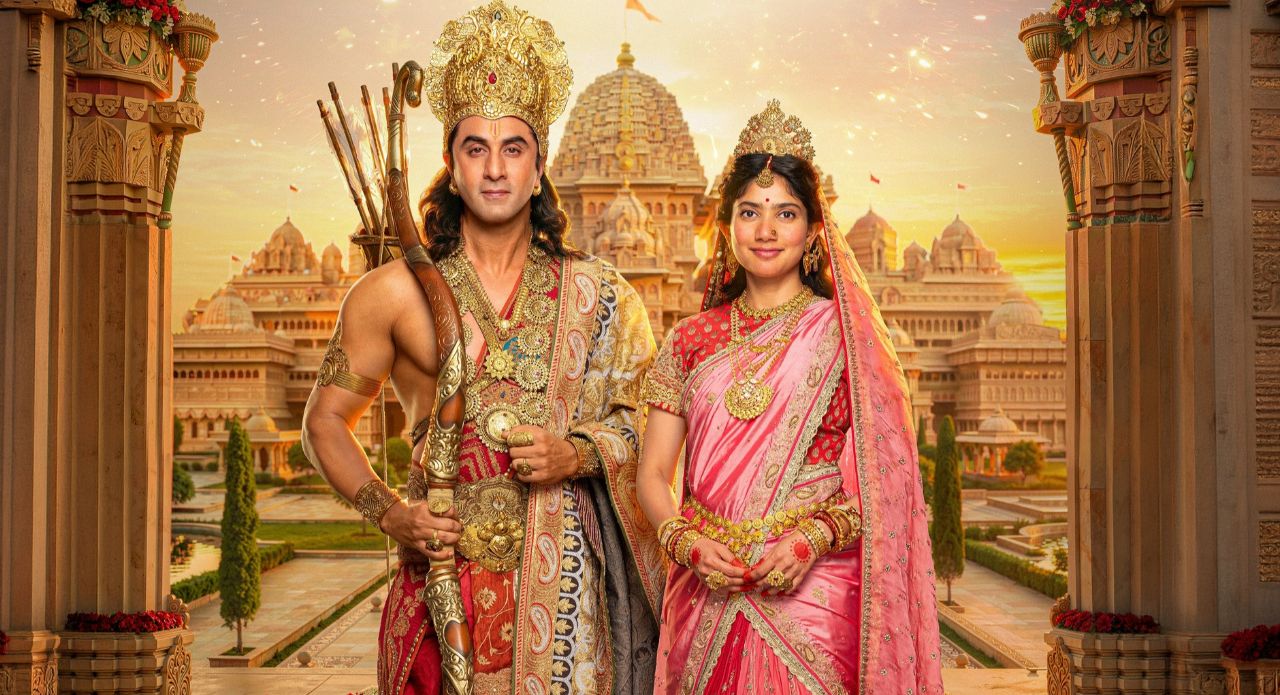
Sai Pallavi’s portrayal of Sita in Nitesh Tiwari’s ‘Ramayana’ brings together traditional Indian jewellery, intricate craftsmanship and a considered interpretation of the character’s visual identity. Rather than serving merely as accessories, the ornaments contribute to the film’s portrayal of an ancient world, drawing on India’s artistic heritage and traditional jewellery-making techniques. Developed through extensive historical and cultural research, the creations reflect the significance of ornamentation in defining a character’s identity and place in society.
The jewellery has been developed by Tribe Amrapali in collaboration with the film’s costume designers, Rimple and Harpreet Narula. The creative process involved establishing distinct design philosophies for the characters while ensuring that their individual appearances remained connected to the larger visual language of the epic.
The Language of Ornaments
Sita’s jewellery celebrates divine elegance and refined femininity through an elaborate composition of traditional ornaments. Delicate chokers and layered necklaces frame the neckline, while intricately crafted jhumkas, a traditional nath with a slender chain and a finely ornamented maang tikka complete the ensemble. Softly draped hair adornments, stacked bangles, slender bracelets and elegant rings enrich the look through intricate latticework, floral artistry and subtle gemstone accents. The overall composition balances regal ornamentation with a sense of serenity, reflecting Sita’s grace and inner strength.
Also Read: Ranbir Kapoor as Ram in ‘Ramayana’: Why the First Look Has Sparked Debate
The intention behind these creations extends beyond recreating the grandeur associated with an epic period drama. Commenting on the collaboration, Tarang Arora, CEO and Creative Director of Amrapali Jewels, reportedly shared in the film’s news release that the objective was to establish the visual grammar of the ‘Ramayana’ universe through ornamentation rather than simply create jewellery as costume accessories.
Research Behind Design
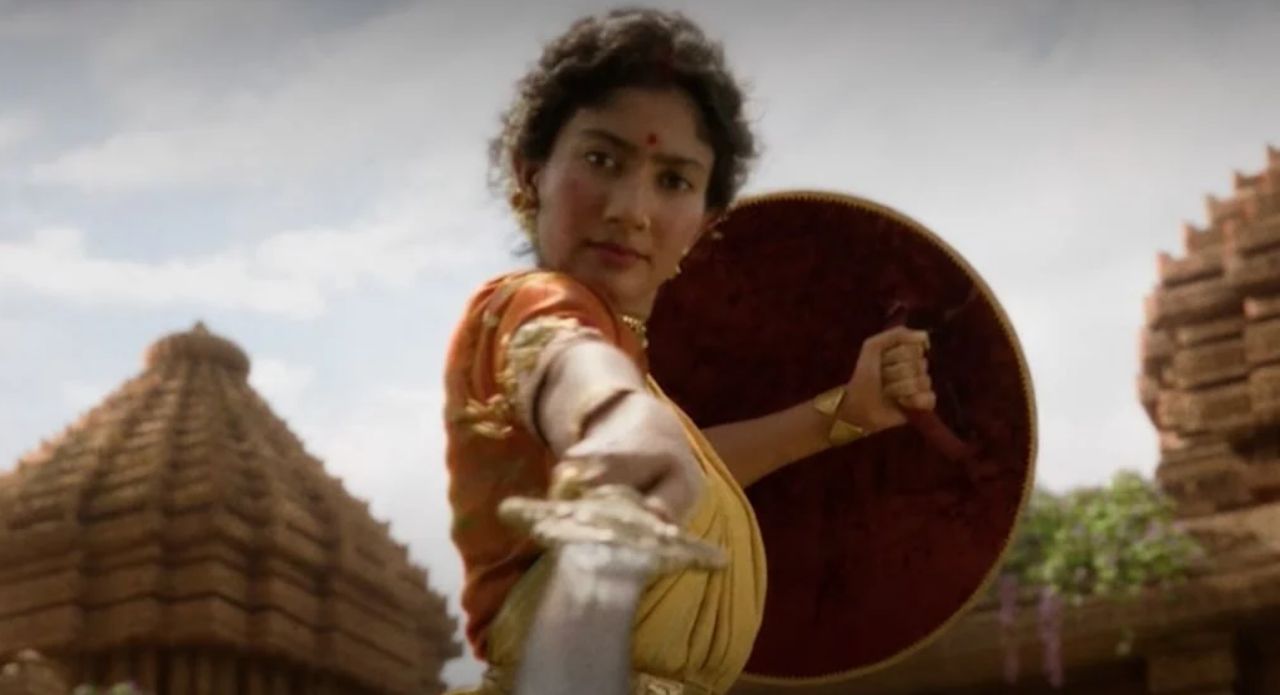
According to Arora, the project involved extensive historical, cartographic and cultural research, with nearly 4,000 handcrafted jewellery pieces created for the film. The designs draw on sacred geographies, metallurgical traditions and India’s artistic legacy. Individual motifs, textures and silhouettes were developed to reflect the identity, journey and spirit of the characters.
The process brought together master artisans, model makers and skilled craftspeople, translating historical references into wearable creations. The collaboration also required close coordination with the costume designers to ensure that the jewellery complemented the clothing and remained consistent with the film’s visual treatment.
Ornamenting the Narrative
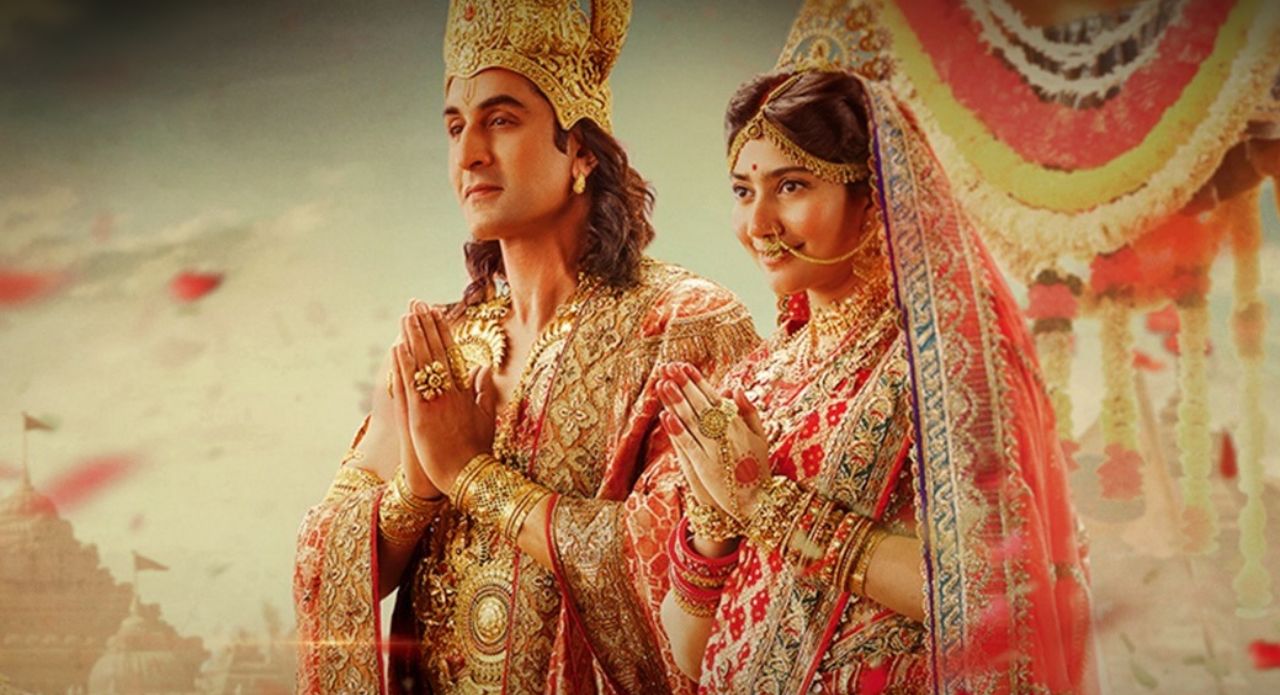
The makers of ‘Ramayana’ also emphasised the narrative importance of the jewellery. In the news release, the creative team reportedly stated that Tribe Amrapali understood how the ornaments needed to communicate identity, culture, status and emotion rather than function solely as decorative elements.
Also Read: Art Behind Ramayana: How 15 Assamese Artisans Handcrafted Ranbir Kapoor’s Armour
This philosophy gives the jewellery a distinct role in the film’s storytelling. Sita’s ornaments, for instance, are not simply markers of her royal associations but also contribute to the visual representation of her character. The attention to traditional detailing allows the creations to retain their cultural references while serving the requirements of a large-scale cinematic production.
Through this collaboration, ‘Ramayana’ brings Indian jewellery-making traditions to a cinematic canvas. Sai Pallavi’s Sita look demonstrates how ornamentation, when developed with an understanding of cultural history and character, can become an integral part of visual storytelling.