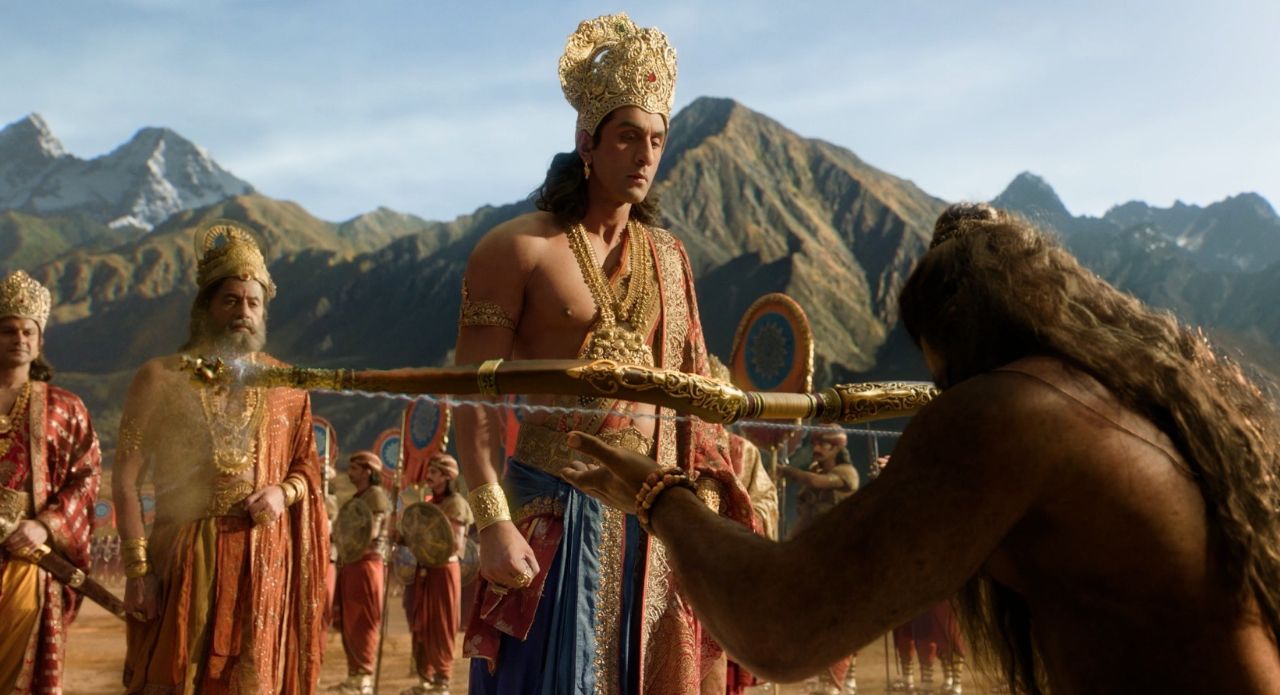


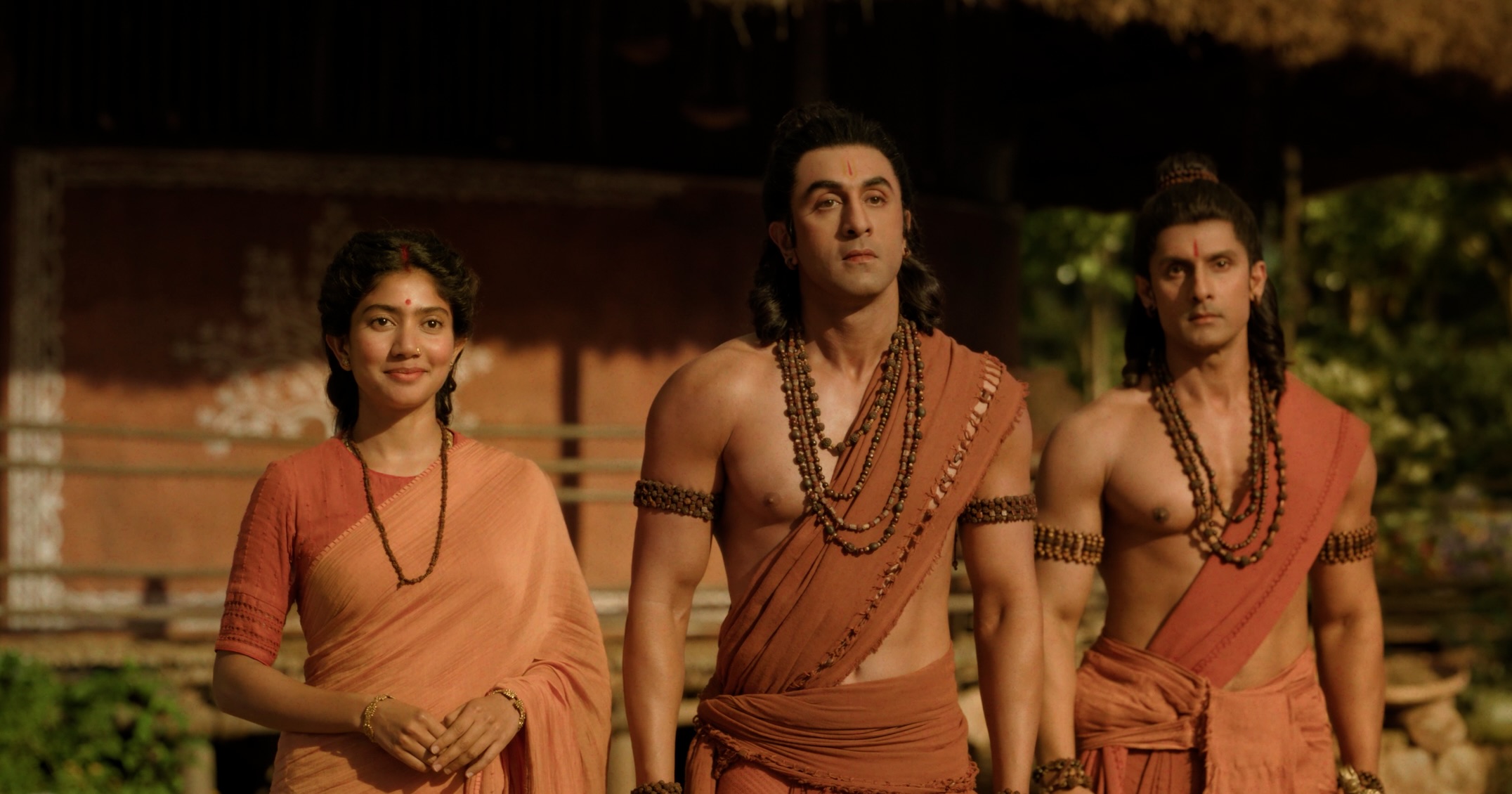
Ranbir Kapoor’s portrayal of Lord Rama in Nitesh Tiwari’s ‘Ramayana’ has sparked conversations about casting, costume design and the visual language of mythological cinema. While some viewers have appreciated the actor’s understated appearance, others have questioned whether his polished look captures the image of a prince who spends years in exile. The debate surrounding the Ranbir Kapoor Ramayana look reflects a larger challenge for filmmakers, i.e., translating a story deeply embedded in India’s cultural memory into a contemporary cinematic experience.
The discussion also brings costume design into focus, particularly the choices that shape a character’s identity before he speaks a word. In a story retold across generations, colours, silhouettes and traditional motifs carry their own associations, making the task of creating a fresh visual interpretation especially demanding.
The Look Behind the Debate
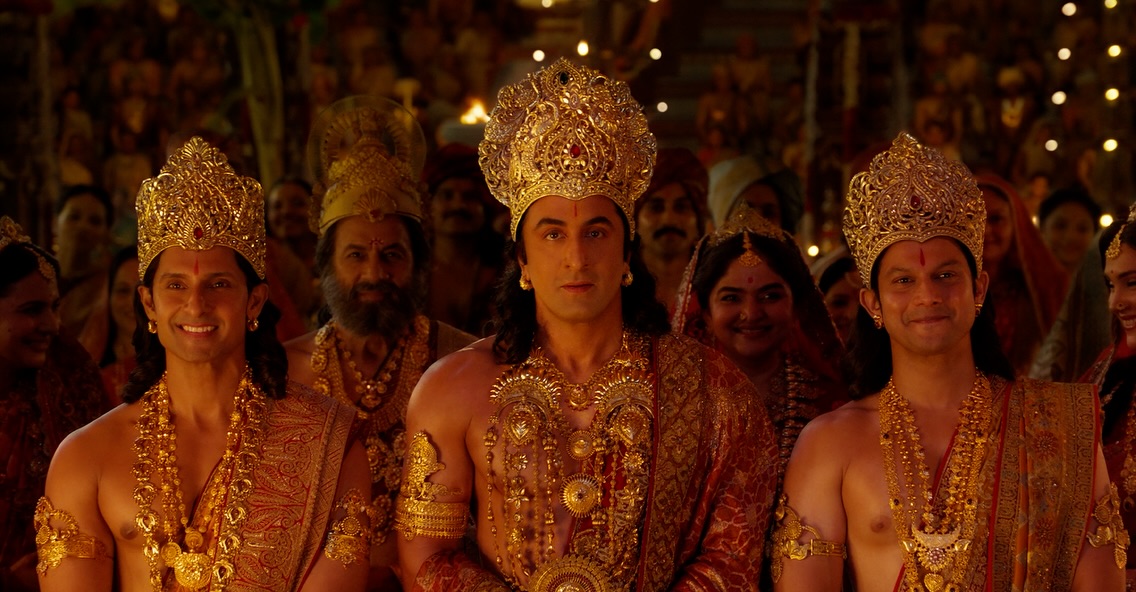
The first look attracted scrutiny even before the film’s trailer arrived. In March 2026, leaked photographs of the actor in saffron attire drew criticism on social media, particularly over his wig and costume. The trailer released in July prompted further discussion, with some viewers questioning the styling, makeup and visual effects. Others urged audiences to reserve judgement until they could watch the film in its entirety.
For a character as revered as Lord Rama, appearance carries meaning beyond aesthetics. Generations of devotional calendars, paintings, television adaptations and regional retellings have shaped how audiences imagine him. An actor’s screen presence, costume and physical transformation therefore become part of a wider conversation about familiarity, faith and creative interpretation.
What Goes Into Costume
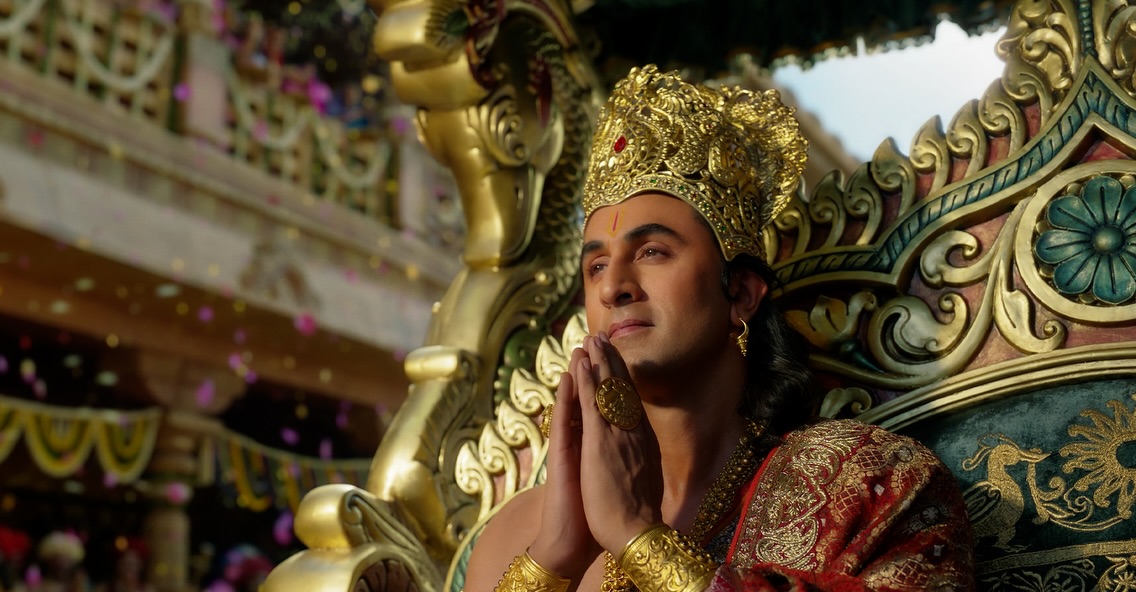
For costume designers Rimple and Harpreet Narula, the challenge was to establish a visual language for ‘Ramayana’ that draws on tradition without being bound by a single artistic interpretation. Rimple Narula has reportedly shared that the team studied scriptures, iconography and historical paintings, including works by Raja Ravi Varma, while developing Lord Rama’s appearance. With no surviving garments from the Treta Yuga to serve as definitive references, the designers had to interpret the period through available cultural and artistic sources.
Also Read: Ranbir Kapoor Wears An INR 78 Lakh Jacob & Co. Watch At Ramayana Event In Bengaluru
That approach finds expression in a palette of ivory and natural hues, vegetable dyes, beaten gold and intricate motifs. Solar symbolism associated with Rama’s Suryavanshi lineage and geometric borders add layers of meaning to the costumes. The intention, according to Narula, was to convey Rama’s calm and restrained nature without allowing the clothing to overshadow the character.
The same attention to symbolism extends to other characters. Sai Pallavi’s portrayal of Sita and Lara Dutta’s appearance as Kaikeyi have also drawn scrutiny over their styling. Harpreet Narula has reportedly explained that Kaikeyi’s wardrobe uses green to represent motherhood and deep maroon to reflect the emotional weight of her decisions. In this interpretation, colour becomes a storytelling device, helping communicate a character’s inner world through what she wears.
Between Craft and Expectation
The controversy surrounding Ranbir Kapoor’s look as Lord Ram highlights the challenge of designing costumes for a story audiences already know through multiple visual traditions. Unlike a fictional fantasy world, ‘Ramayana’ arrives with established cultural associations that shape how viewers respond to every design decision.
Also Read: AR Rahman Net Worth: How the Oscar-Winning Composer of ‘Ramayana’ Built His Fortune
According to reports, speaking about the responsibility of playing Lord Rama, Kapoor recently said his initial reaction to being offered the role was fear, which later gave way to gratitude. His comments add another dimension to the look debate, placing the discussion within the larger responsibility of representing a revered figure.
Whether the costumes win over sceptical viewers remains to be seen. For now, the conversation demonstrates that in mythological cinema, craftsmanship is only one part of the equation. The challenge lies in creating a visual interpretation that feels fresh while respecting the many images of Lord Rama audiences carry with them.