Sphene: The Rare Gemstone Known For Its Extraordinary Play Of Colours
Sphene, also known as titanite, is a rare gemstone celebrated for its exceptional brilliance and colourful flashes of light. Discover what makes this unusual stone special, its natural colour variations, appeal among collectors, jewellery designs and the care it requires to preserve its beauty
In fine jewellery, rarity often lends a gemstone much of its allure. While diamonds, emeralds and sapphires continue to occupy coveted places in collectors’ wardrobes, there is a growing fascination with stones that offer something less familiar. Sphene, a relatively rare gemstone celebrated for its extraordinary brilliance, is one such discovery. Its ability to scatter light into vivid flashes of colour gives it an almost theatrical presence, making every movement reveal a different facet of its beauty.
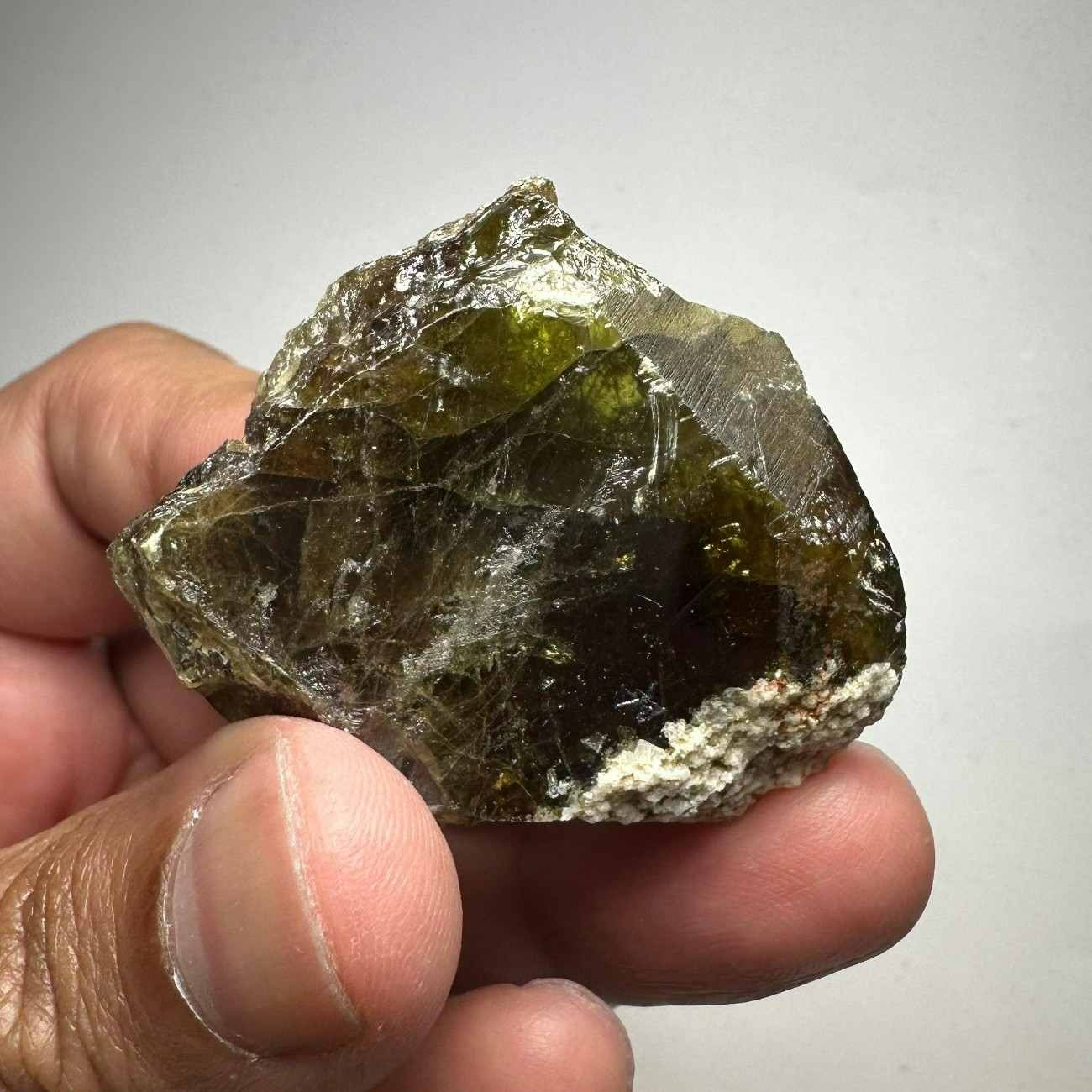
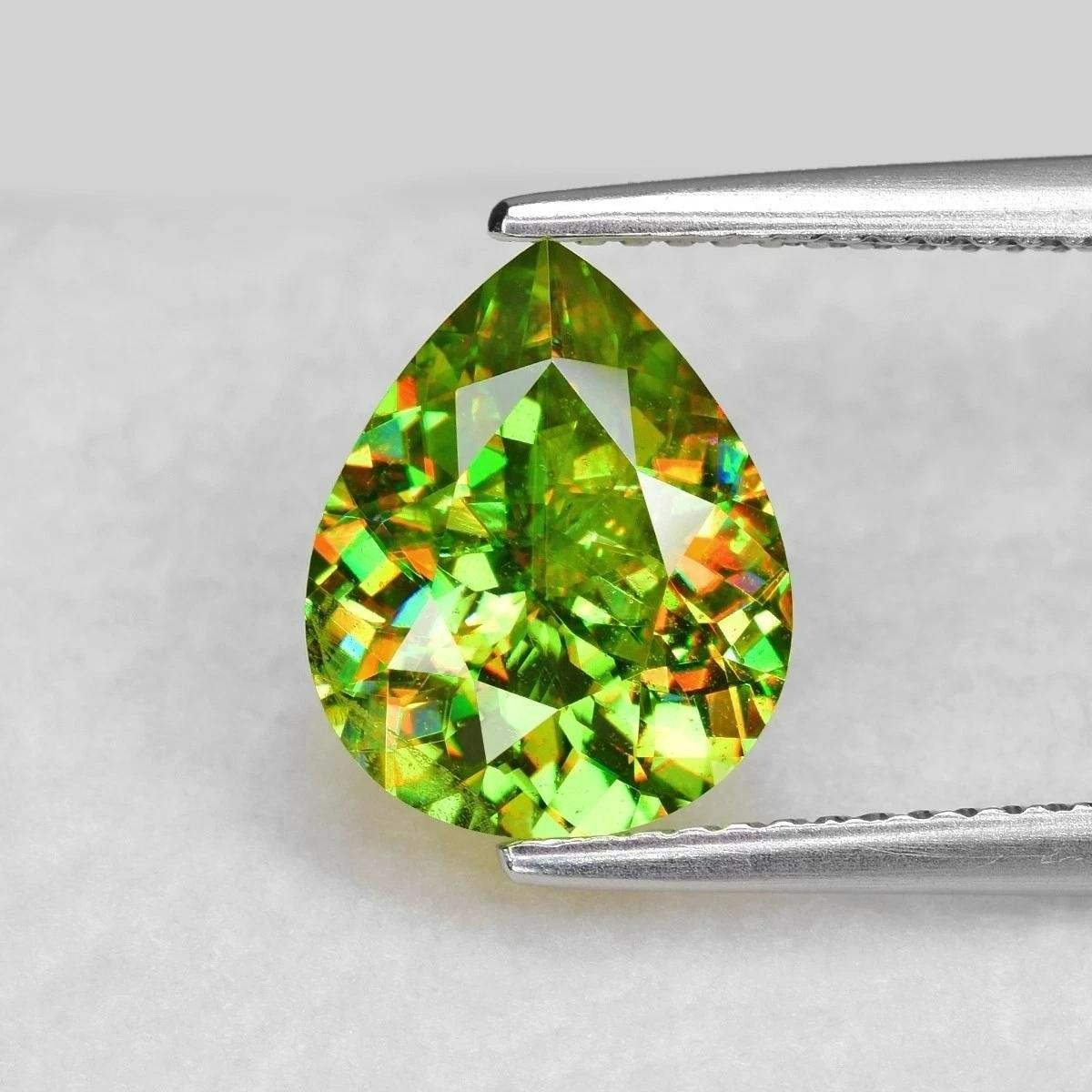
Also known as titanite, sphene derives its name from the Greek word ‘sphen’, meaning wedge, a reference to the shape of its naturally occurring crystals. Its visual appeal, however, lies in the remarkable way it responds to light. A single stone can reveal flashes of green, yellow, orange and red, creating a rainbow-like spectacle that sets it apart from more conventional gemstones. This constantly shifting display gives sphene an individual character, making it particularly appealing to collectors who appreciate distinctive stones.
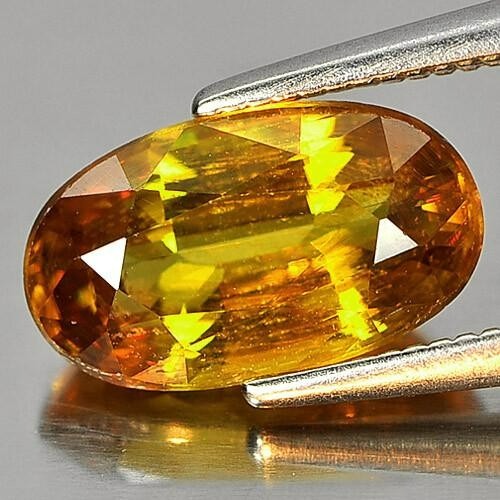
The Magic of Dispersion
The secret behind sphene’s remarkable brilliance lies in its exceptionally high dispersion, the optical property responsible for separating white light into spectral colours. Measuring approximately 0.051, its dispersion is higher than that of diamond, allowing well-cut specimens to display striking flashes of colour. Its strong double refraction further adds to its visual complexity, creating subtle doubling within the stone. The result is a gemstone that seems to come alive as it catches the light.
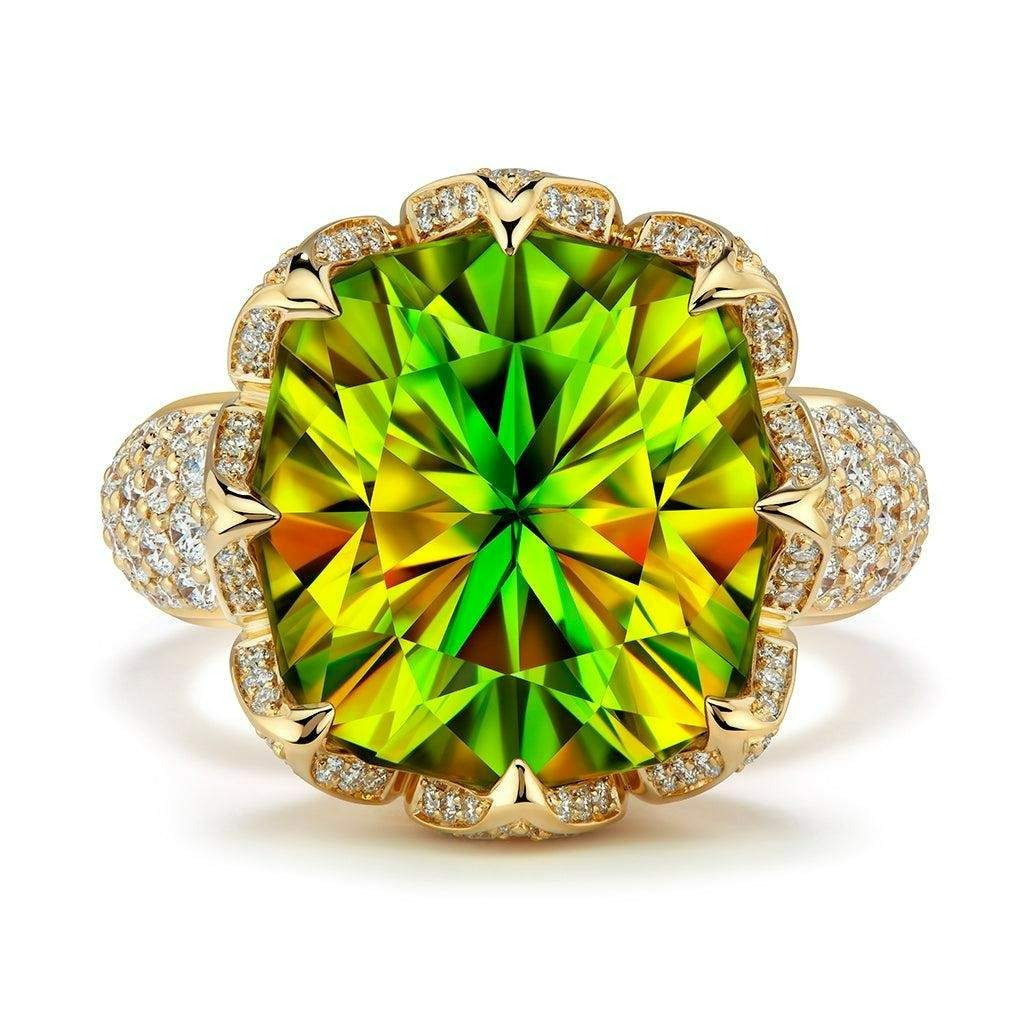
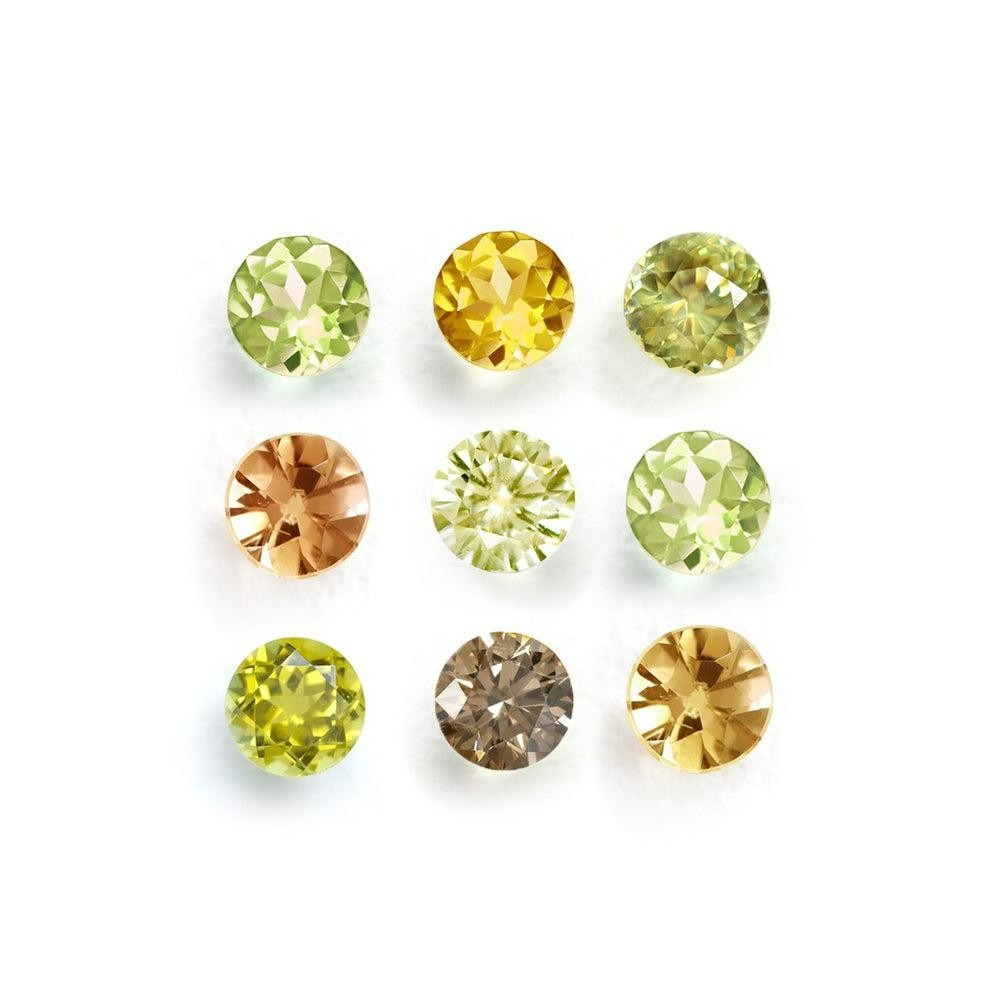
Sphene’s natural colour palette adds another dimension to its appeal. Shades of yellow, golden brown, orange and green are among its characteristic hues. Chrome sphene, a particularly desirable variety, owes its intense green colour to the presence of chromium. Certain specimens also display pleochroism, an optical phenomenon that allows different colours to emerge when the gemstone is viewed from different angles.
A Collector’s Distinctive Choice
Despite its impressive optical properties, sphene remains relatively uncommon in mainstream fine jewellery. Gem-quality specimens are found in locations including Madagascar, Brazil, Mexico and Pakistan. Transparent stones with attractive colour and fewer visible inclusions are particularly sought after, especially when their natural brilliance is enhanced by skilled cutting.
Also Read: What Makes Kashmir Sapphires the World’s Most Coveted Blue Gemstones
Its relative rarity makes sphene an interesting choice for jewellery enthusiasts looking beyond traditional precious stones. A striking example of its potential is Verve Jewels’ Golden Sphene Cocktail Ring, featuring a 3.36-carat yellow sphene surrounded by 0.61 carats of diamonds and set in 18K white gold. Listed at approximately Rs 1.06 lakh (approx.), the design illustrates how the gemstone’s vivid colour play can be complemented by the brilliance of diamonds. The listing is currently marked sold out, so availability would need to be confirmed with the brand.
Another interesting example is Starling Jewelry’s bespoke 2.20-carat Sphene Ring or Charm, listed at approximately Rs 1.61 lakh (approx.). Its customisable approach allows the gemstone to be incorporated into a more personalised design, although delivery and availability in India require confirmation.
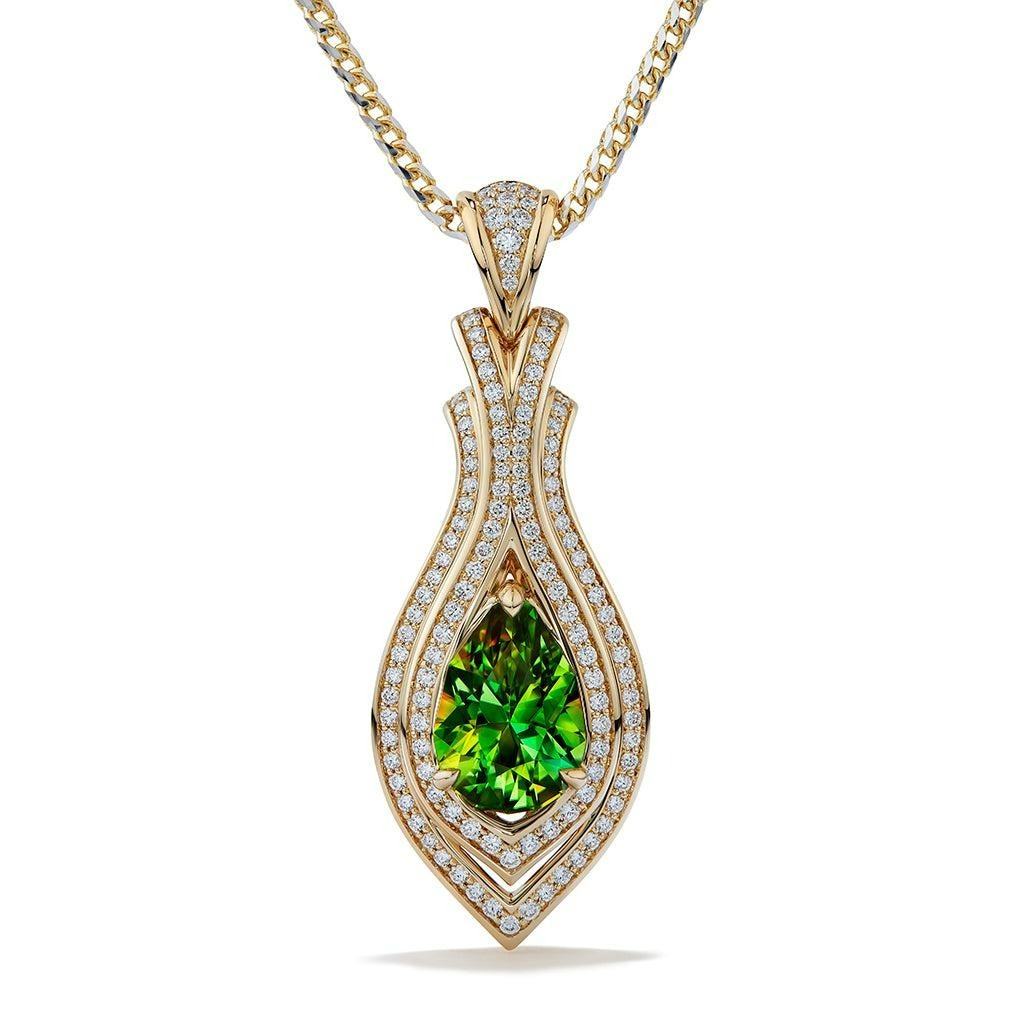
Golden and yellow-green varieties complement warm gold settings, while intensely green specimens create a striking contrast against diamonds. Pendants and sculptural earrings are particularly appealing choices, as their settings can allow light to enter the gemstone and reveal its extraordinary play of colours.
Beauty That Calls for Care
Sphene’s brilliance comes with a practical consideration. Measuring between 5 and 5.5 on the Mohs hardness scale, it is softer than diamonds, sapphires and rubies. Its cleavage also makes it susceptible to damage from knocks and pressure. Consequently, it is better suited to occasional-wear jewellery, pendants and earrings than everyday rings. Protective settings can help preserve its beauty without taking away from the gemstone’s natural character.
Also Read: Ruby Jewellery Is Back: Why Collectors and Connoisseurs Are Investing in Red Gems
Cleaning requires a gentle approach, too. Mild soap, lukewarm water and a soft cloth are preferable, while ultrasonic and steam cleaning should be avoided.
Sphene may not have the widespread recognition of traditional precious gemstones, but its appeal lies precisely in its individuality. Its remarkable ability to transform ordinary light into a spectrum of colours gives it a presence that is difficult to replicate. For collectors who value rarity, character and the unexpected, this little-known gemstone offers a compelling addition to the world of fine jewellery.