Frederique Constant Introduces Classics Moneta Solarmetre
The Classics Moneta Solarmetre becomes the first reference from the Frederique Constant Manufacture to be equipped with the solar-powered FC-120 calibre, developed by La Joux-Perret Manufacture
Solar powered watches are proof that horology occasionally remembers it has access to the 21st century. While traditional watchmaking is busy making tiny gears argue with each other inside a case, solar watches simply look towards the nearest source of light and get on with the job. No winding, no frantic battery changes and, in many cases, years of fuss free timekeeping. They are the sensible cars of the watch world, except considerably less likely to run someone over. And yet, beneath the practicality is some rather clever engineering, with photovoltaic cells converting light into energy and storing it for later use. Frederique Constant’s new Classics Moneta Solarmetre (Ref. FC-120BRG3S6) introduces a new case diameter and the collection’s first grained-effect dial.
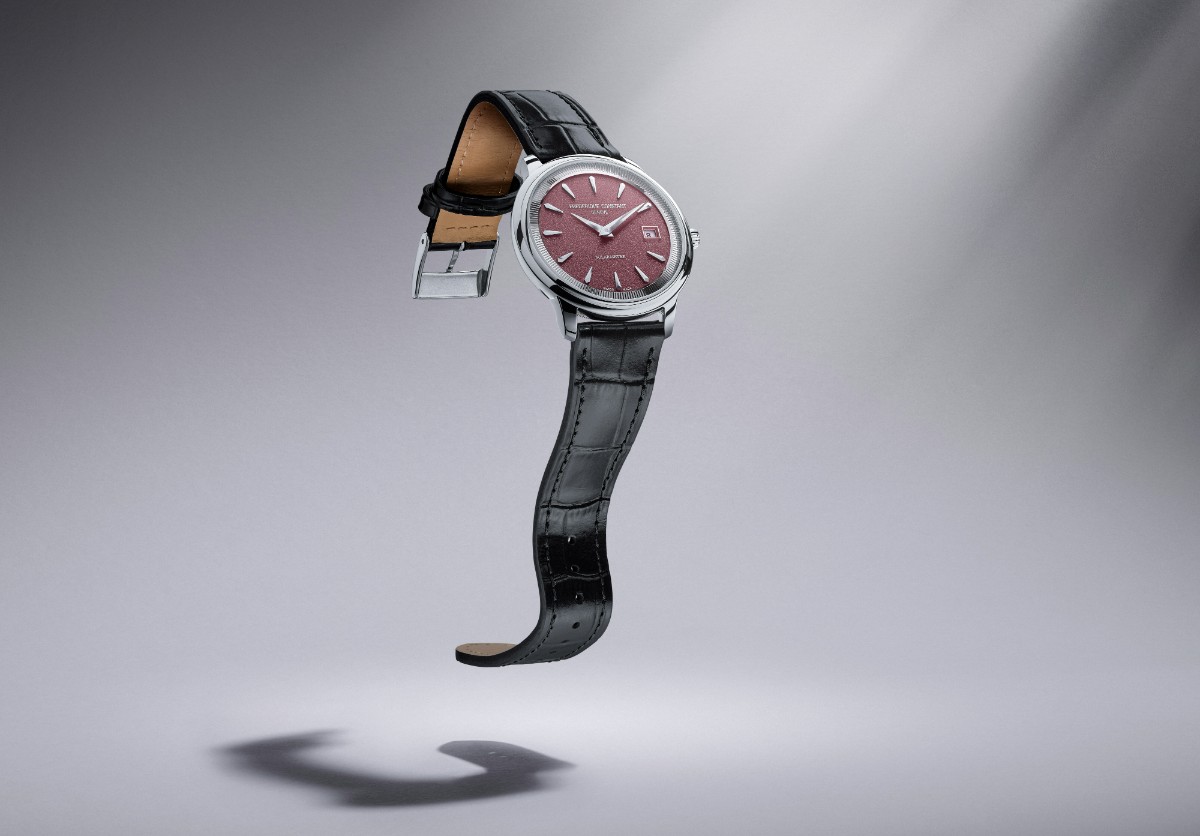
The principle of photovoltaic energy is not new in watchmaking. However, two major issues had until now limited its widespread adoption: bulkiness and less-than-appealing aesthetics. Together with its partner La Joux-Perret, Frederique Constant Manufacture has overcome both obstacles. The solar movement is slim, and its technology is translucent.
Also Read: Four Extraordinary Watches With Inverted Mechanical Movements
This new Classics Moneta introduces numerous “firsts.” They are the first Frederique Constant watches equipped with solar technology; the first Classics Moneta references in 39mm sttainless steel timepiece has a first grained-effect dial with coin-edge inner ring, and an onion crown at 3 o’clock. All the retro-modern aesthetic codes are preserved: the slim case, the fluted flange, two dauphine shaped hour, and minute hands, faceted applied hour markers, and a simple date window at 3 o’clock. The uppermost level is the dial itself. It appears opaque but is in fact translucent, allowing light to pass through and power the solar movement. The photovoltaic cells are positioned beneath it.
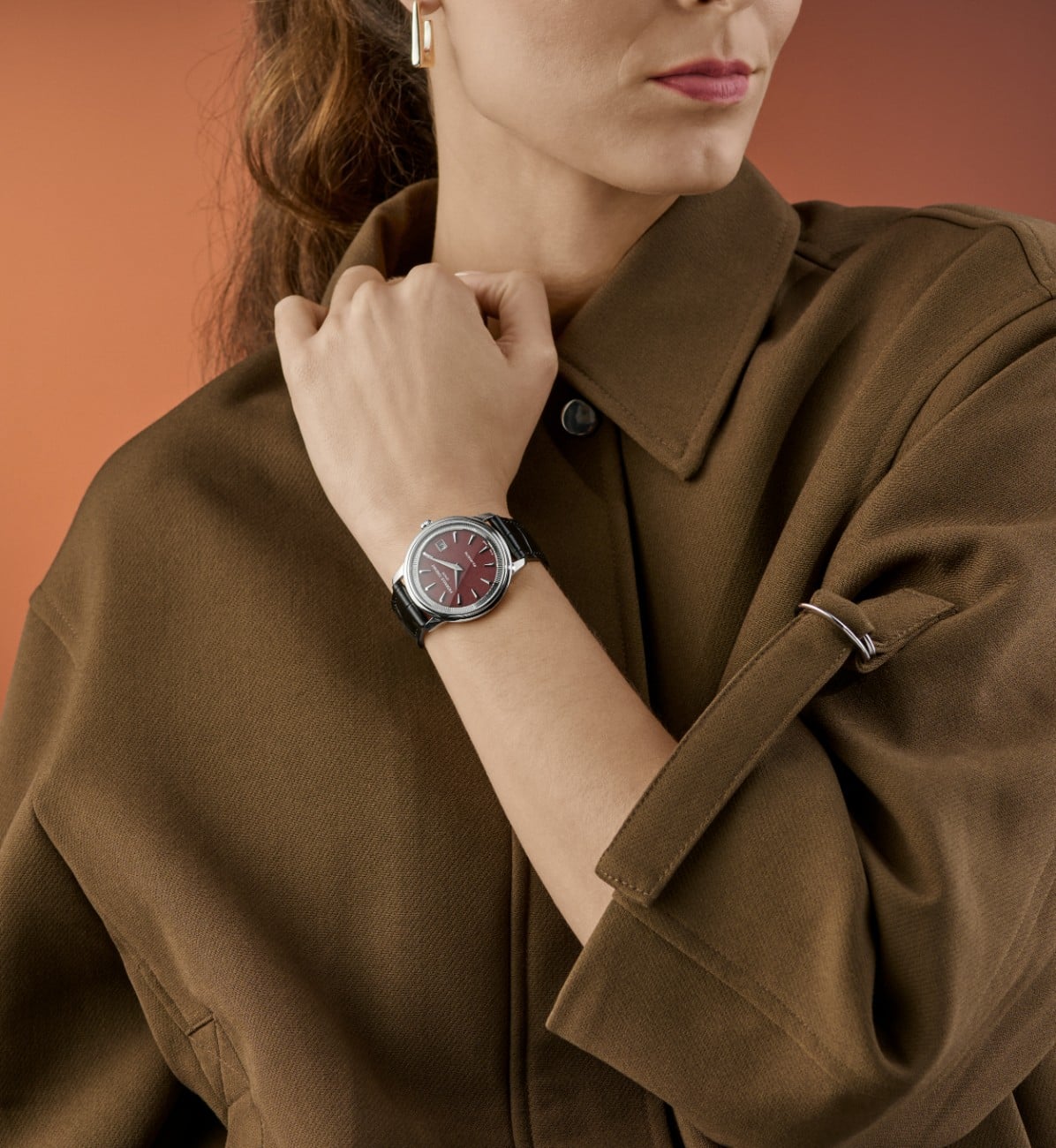
Finally, at the deepest level lies the heart of the FC-120 calibre. Its rechargeable battery stores solar energy converted into electricity. An integrated circuit manages the energy flow, acting like a switchyard: part is directed for immediate use, while the remainder is stored in the battery, enabling up to 10 months of autonomy without light. Turning the watch showcases the closed stainless steel caseback. Finishing the timepiece is a Milanese mesh bracelet or a black leather strap.