

For most of watchmaking history, the sensible thing to do with a movement was to hide it. Put it behind a respectable dial, close the caseback and let the poor little gears get on with their work in private. But then someone, somewhere, decided that this was rather like putting a Ferrari engine behind a brick wall and telling everyone to admire the paintwork. The result is a fascinating breed of mechanical watch that turns the traditional rulebook upside down, quite literally in some cases. These are watches where the movement is no longer merely the thing that makes the hands move, but the star of the show itself, with tourbillons, escapements, gears and hand finished bridges deliberately placed in full view. And because ordinary mechanical engineering clearly was not complicated enough, brands such as Ulysse Nardin, Moritz Grossmann, Lederer and Minerva have taken the idea into decidedly eccentric territory, creating timepieces that look less like conventional watches and more like miniature mechanical laboratories strapped to the wrist. In other words, these are not watches that politely ask you to appreciate what is happening beneath the dial. They remove the dial, point at the machinery and say, there, now try not to stare.
Ulysse Nardin Super Freak
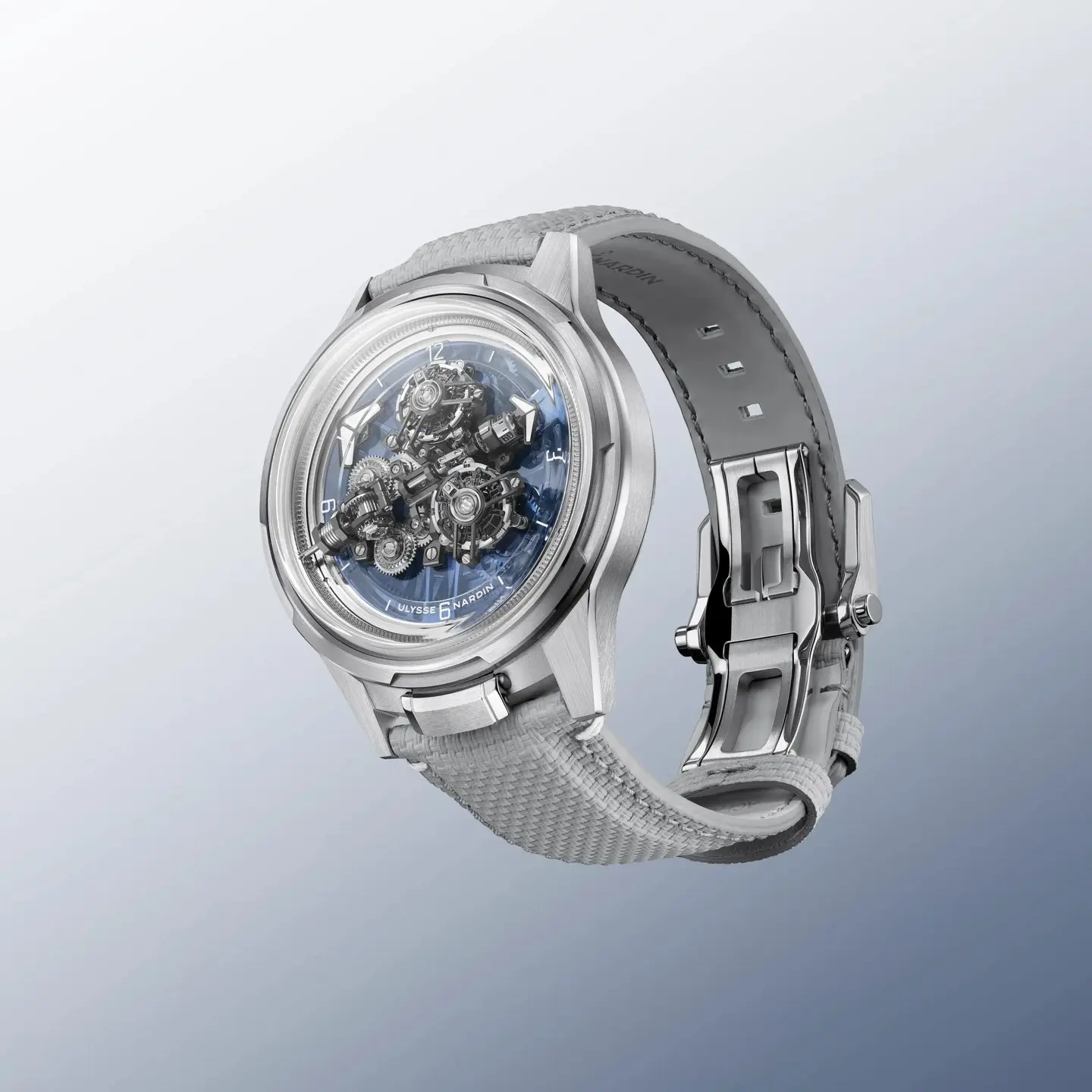
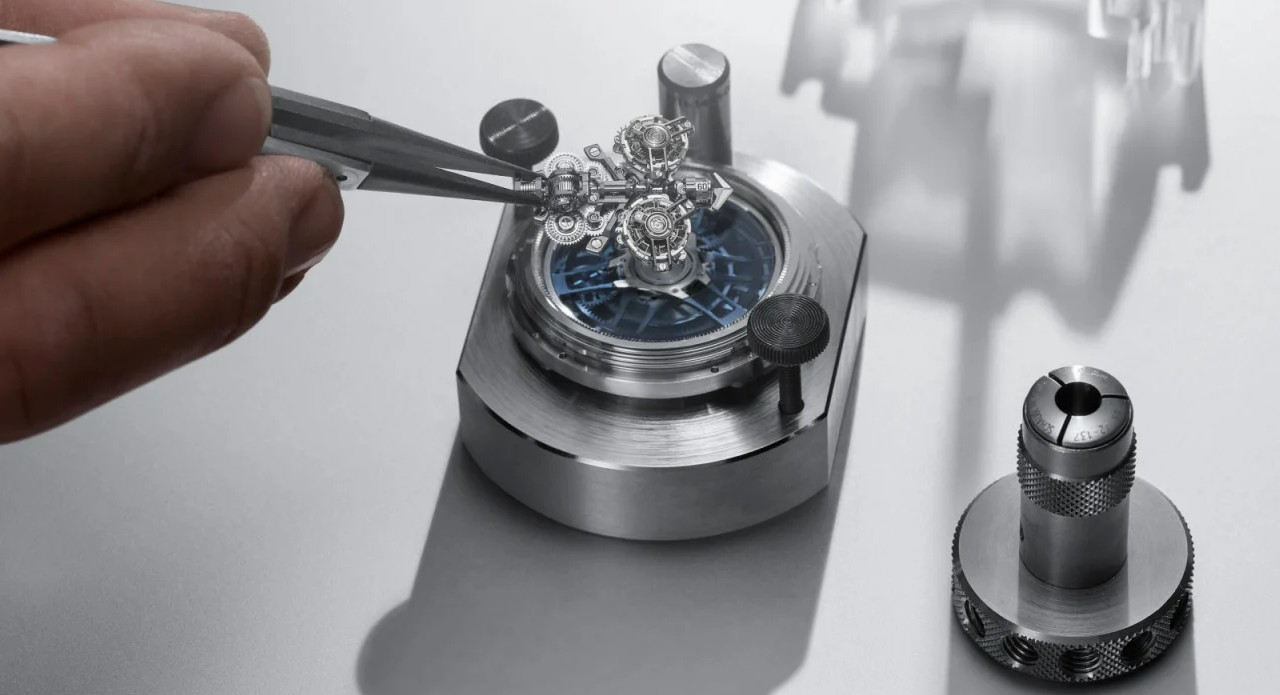
The Ulysse Nardin Freak is what happens when someone decides that a watch should dispense with several traditions simply because they can. Its famously crownless architecture allows the entire movement to rotate around the central axis, effectively turning the movement itself into the hands. The Super Freak takes that philosophy considerably further, with the UN-252 calibre incorporating a double tourbillon flying carousel and Ulysse Nardin’s patented Grinder automatic winding system. With its movement exposed through an unconventional case architecture, it looks less like a conventional wristwatch and more like a mechanical experiment that has somehow escaped the laboratory. The clever part is that the spectacle is not merely decorative. The architecture itself is the complication.
Also Read: Shreyas Iyer Joins Baume & Mercier As Friend Of The Maison
Moritz Grossmann Backpage Tremblage
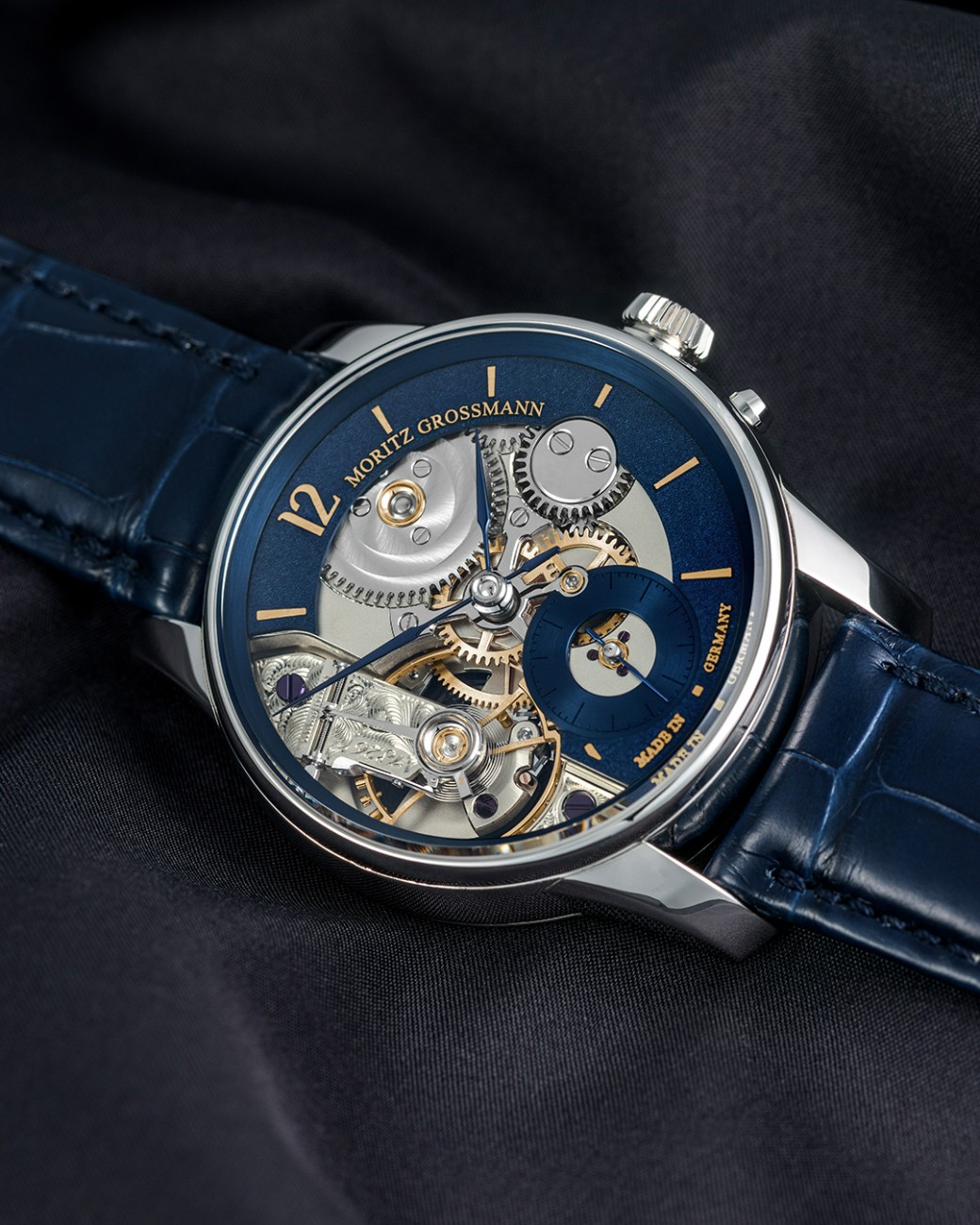
The Moritz Grossmann Backpage Tremblage takes the rather unusual approach of putting the movement’s most beautiful components on the front. Limited to just 18 pieces in platinum, the watch presents elements normally hidden beneath the dial, including the Grossmann balance, hand engraved balance cock and intricately finished ratchet wheel, through a dramatic dial opening. The calibre 107.0 was specifically developed for this unusual arrangement, reversing the drive train through an additional wheel and adapting the escapement and oscillation system to suit the inverted construction. The result is a watch that makes you wonder whether you are looking at the dial or accidentally holding it upside down. Finished components are given a deep blue appearance through an extraordinarily thin layer of metal oxide, creating a striking contrast with gold plated gears, polished steel hands and hand finished components.
Lederer Central Impulse Chronometer 39
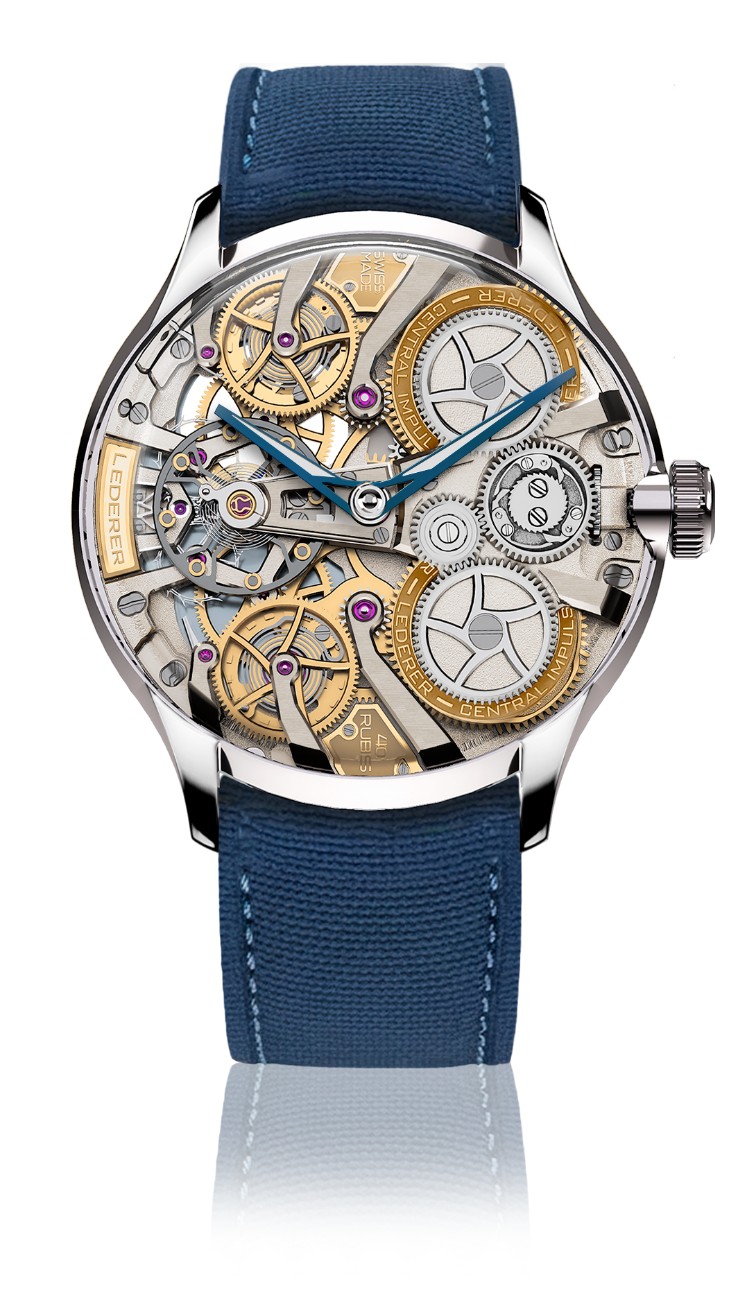
The Lederer Central Impulse Chronometer 39 takes inverted watchmaking into decidedly serious territory. Housed in a 39mm case, the watch uses domed sapphire crystals on both sides to give the wearer a view into its highly unusual movement architecture. Its hand wound Calibre 9019 operates at 3Hz and offers a 38-hour power reserve, while the dial features a carefully positioned aperture revealing Lederer’s patented escapement. The overlapping sub dials and inverted seconds display add another layer of visual intrigue, making the watch appear almost like a mechanical diagram brought to life. It is a very Lederer approach to haute horlogerie: restrained from a distance, rather extraordinary once you start looking closely.\
Also Read: Salman Khan’s Watches: A Collector’s Eye On The 7 Dogs Star
Minerva Unveiled Chronograph Limited Edition 30
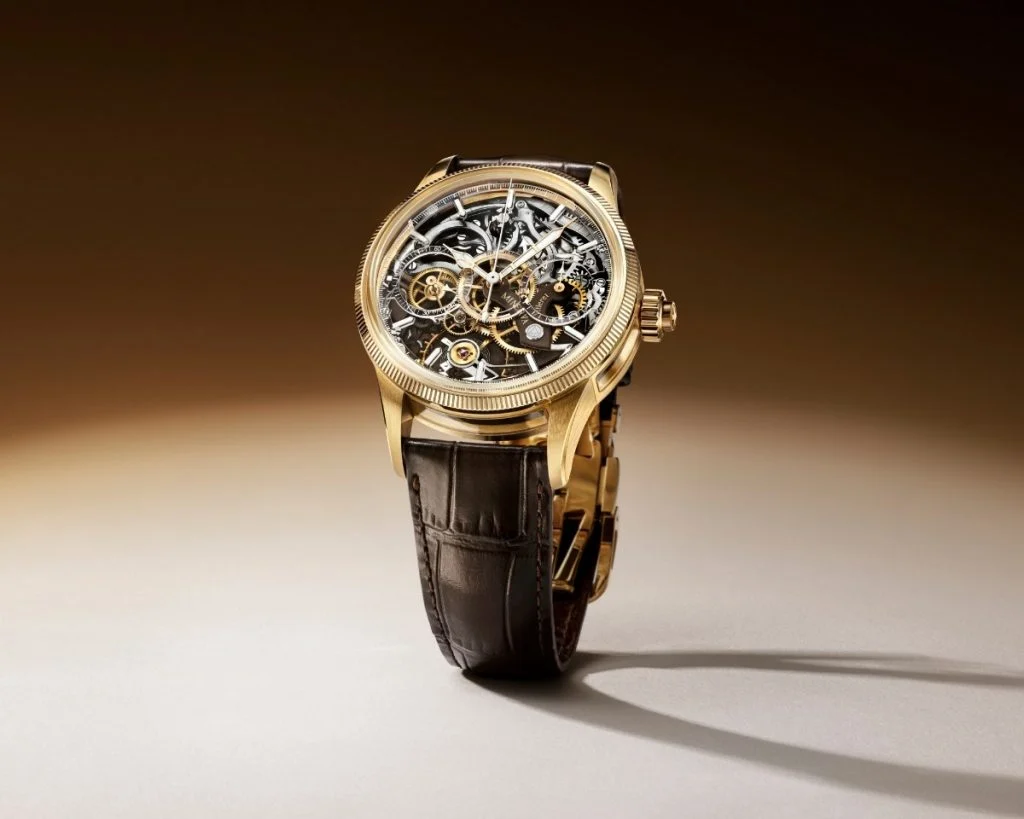
The Minerva Unveiled Chronograph Limited Edition 30 takes the idea of an exposed movement and applies it to one of watchmaking’s most satisfying complications: the chronograph. Measuring 43mm by 14.78mm, its 18ct yellow gold case combines brushed and polished surfaces with a fluted bezel, while five sapphire crystals incorporated into the case band provide additional views of the movement. At its centre is the in house Calibre MB17.26, an inverted monopusher chronograph comprising 291 components and operating at 18,000 vibrations per hour. It provides a 50-hour power reserve and is finished with a sapphire dial architecture that allows the mechanical construction to dominate the visual experience. Limited to just 30 pieces, it is the horological equivalent of removing the bonnet from a supercar and deciding that the engine looks far too good to hide.