From Buckles To Deployants: The History And Evolution of Watch Clasps
What began as a simple means of keeping a watch on the wrist has become a fascinating exercise in engineering, with modern clasps packing precision machining, intricate mechanisms and clever adjustability
A watch clasp is one of those things you notice only when it stops doing its job. When everything is working properly, it sits beneath your wrist and quietly prevents an expensive mechanical object from making a sudden and rather dramatic bid for freedom. But the clasp is no longer merely a piece of metal with a hole and a pin. The finest examples involve CNC machining, intricate mechanisms, hand finishing and remarkably tight tolerances. In other words, watchmakers have somehow managed to turn the thing that closes the strap into another little mechanical playground.
The story starts rather surprisingly, because the earliest metal bracelets for women’s watches in the eighteenth and nineteenth centuries often did not have a clasp at all. They behaved more like traditional jewellery, simply slipping over the wrist. Early expanding metal bracelets, including the Army bracelet associated with Gay Frères during the First World War, also managed without a conventional closure. The bracelet was effectively relying on its construction to do the work. Ingenious, certainly, but not exactly the sort of thing you would want to test during a particularly energetic game of tennis. The first commercial closure for a two piece watch strap borrowed a design that had already been proving its worth for centuries. The humble belt and shoulder strap buckle became the template, giving us the pin buckle that still dominates traditional watch straps today.
Also Read: Frederique Constant Introduces Classics Moneta Solarmetre
The Pin Buckle Refuses To Retire
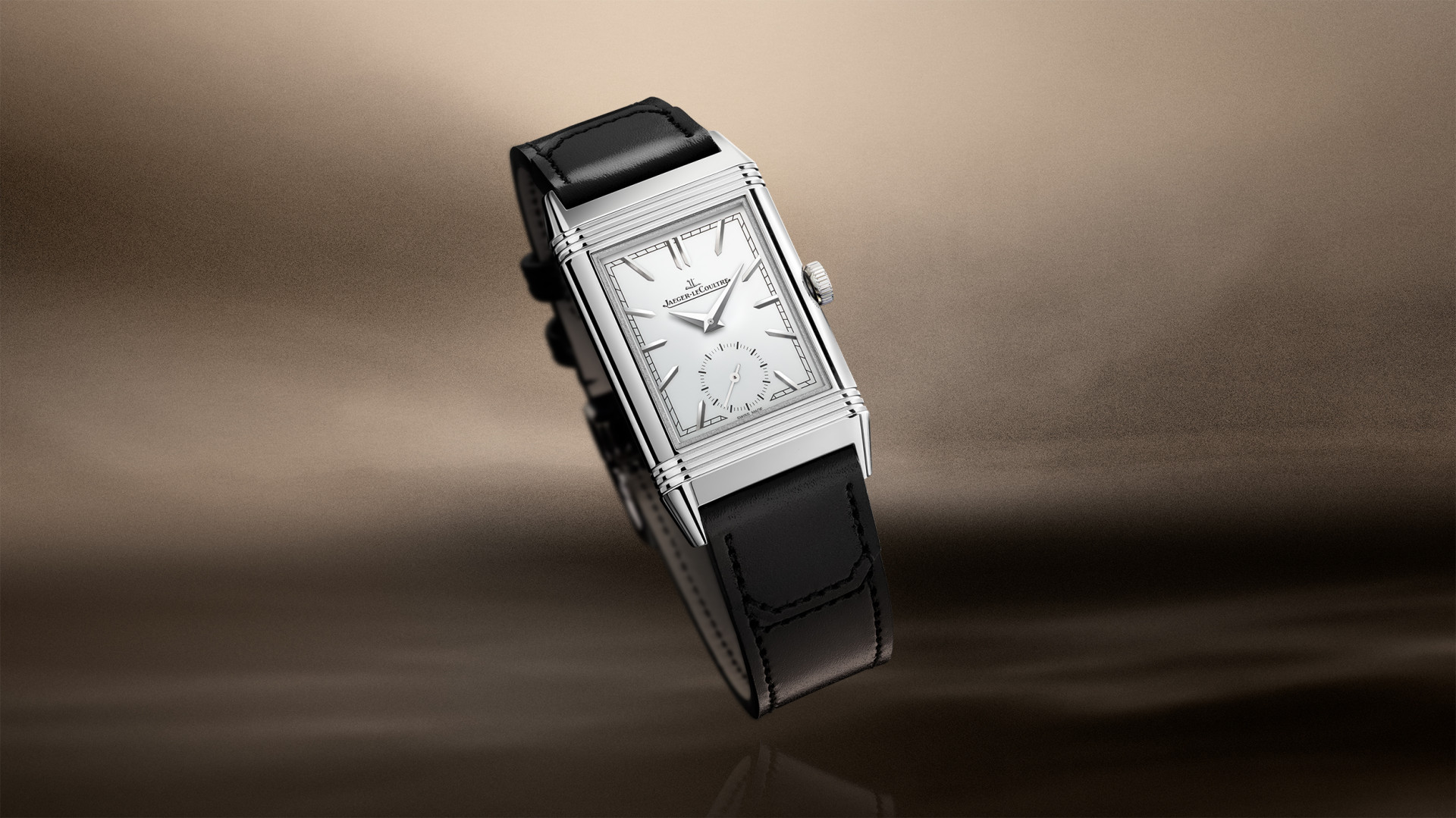
The pin buckle, also known as the tang or ardillon buckle, is an astonishingly old idea wearing a rather smart suit. The basic loop and pin concept can be traced back thousands of years, with Bronze Age artisans around 2,000 BC producing belt and strap closures using remarkably similar principles, often for military or field purposes. By the Iron Age, the design had developed into the recognisable arrangement of a metal frame and central pin that passes through holes in a strap.
Then came the wristwatch’s great military experiment. During the Second British Boer War from 1899 to 1902, pocket watches were increasingly being converted for wrist wear and improvised leather straps appeared. The First World War then became the proving ground. By 1918, pin buckle straps were standard military issue for wristwatches, or wristlets, used in trench warfare and other combat operations. When wristwatches exploded in popularity during the 1920s, leather straps with pin buckles became the norm, alongside early metal bracelet designs such as Bonklip and one piece expandable bracelets.
The Clasp Finally Discovers Fine Tuning
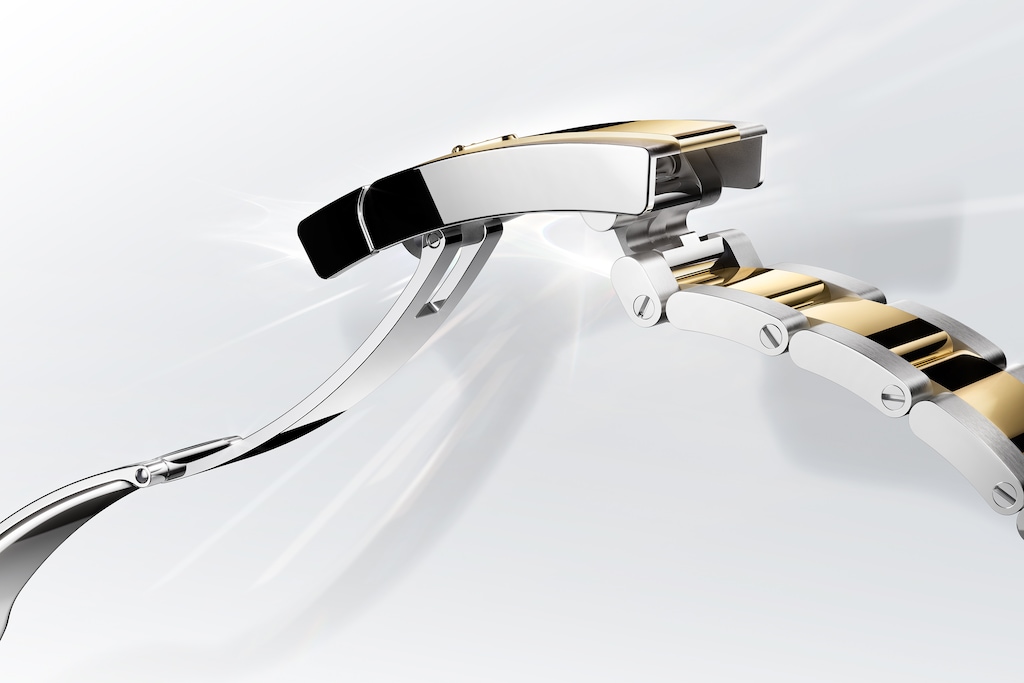
For all their sophistication, traditional deployant clasps still had an irritating limitation. Once the strap or bracelet had been sized, achieving the perfect fit could require moving a spring bar between holes. Some modern clasps offer as much as 10mm of adjustment, with specialised systems going further, but traditional methods often require a small tool to compress the spring bar. That is hardly disastrous, but try doing it while travelling, wearing the watch and standing outside a restaurant. Suddenly the genius of tool free adjustment becomes rather obvious.
The industry has increasingly responded with on the fly micro adjustment. The exact origins are difficult to pin down and likely involve third party suppliers during the second half of the twentieth century, but the principle is straightforward. Instead of committing to a fixed bracelet length, the wearer can make small adjustments quickly and without a tool. It is particularly useful because wrists change size throughout the day as temperature, humidity and activity alter the fit.
The Butterfly Hides The Evidence
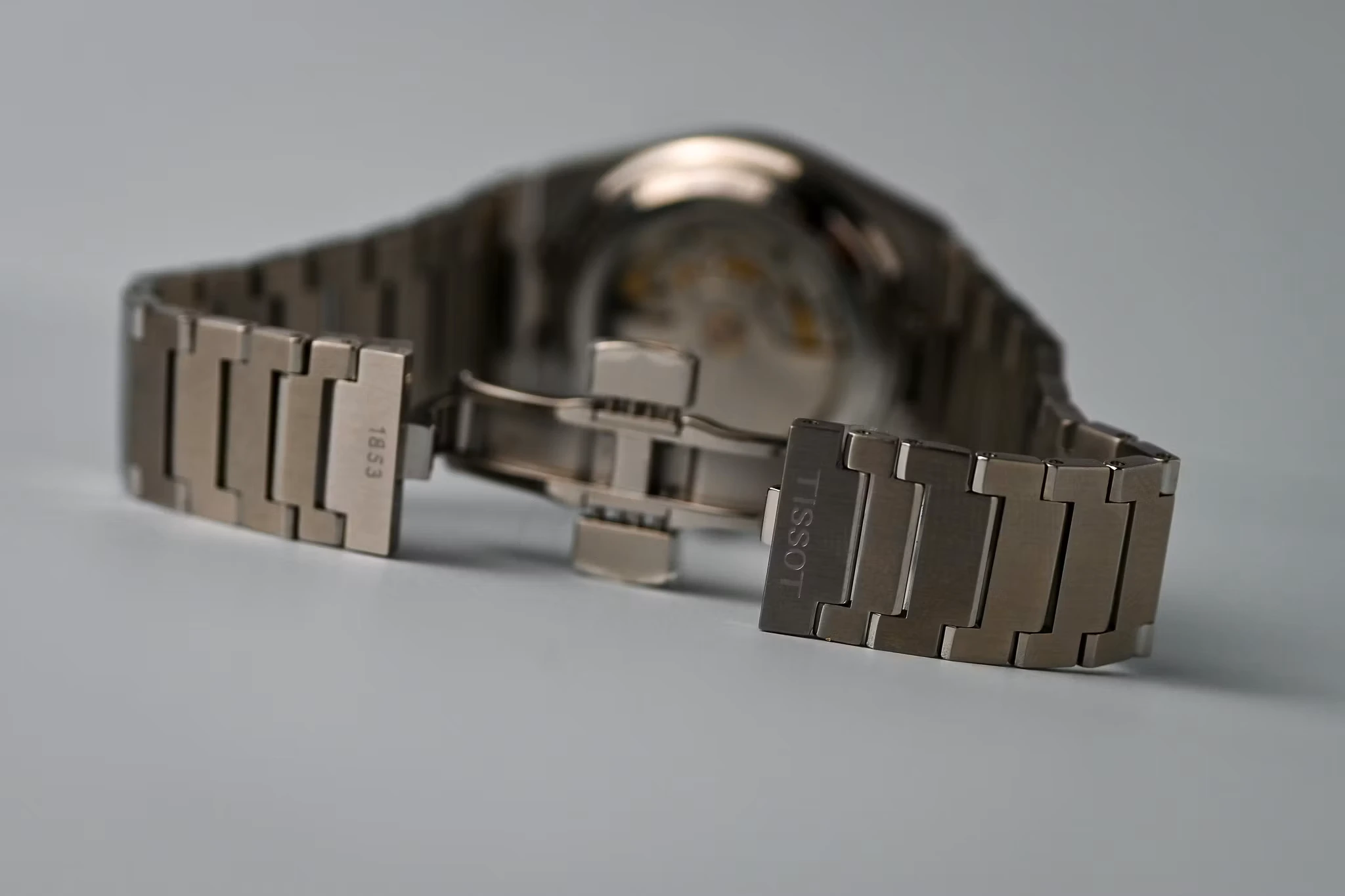
Then there is the butterfly clasp, also known as a triple deployant. Rather than leaving the clasp visibly sitting on the outside of the bracelet, the butterfly mechanism folds completely underneath it. When closed, the bracelet appears to run continuously around the wrist, producing a cleaner and more seamless aesthetic. The name is not particularly difficult to understand. Two hinged arms sit on either side of a central section and fold inward, rather like butterfly wings. Some versions use side pushers to release the mechanism, while simpler examples rely on friction. When everything is closed, the engineering largely disappears beneath the bracelet. Occasionally a brand logo occupies the central meeting point, but the clasp itself remains hidden.
Also Read: From Calibre 1003 to 2550: How Vacheron Constantin Mastered Ultra-Thin Watchmaking
The Closure Is Now Part Of The Watch
The evolution of the watch clasp tells a larger story about watchmaking itself. The original objective was brutally simple. Keep the watch attached to the wrist. Then came durability, convenience, security, comfort and, eventually, the ability to adjust the fit by fractions of a millimetre without reaching for a screwdriver. That progression is why the modern clasp deserves rather more attention than it usually receives. Behind a tiny piece of metal can sit dozens of components, complex machining, springs, hinges, locking systems and finishing that would once have seemed excessive for something whose sole purpose was to stop a watch falling on the pavement. And yet this is precisely what makes watchmaking so entertaining. Give engineers a simple problem and enough money, and eventually they will turn it into a beautifully finished mechanical object.