How Different Countries Design Luxury Watches: A Global Style Guide
From Swiss elegance and German engineering to Japanese precision and Italian flamboyance, every great watchmaking nation speaks its own visual language
There was a time when you could identify a car by its engine note from half a mile away. A Ferrari sounded like an argument with the devil, a Mercedes like a bank manager clearing his throat, and an old Porsche simply sounded as though it had somewhere very important to be. Watches are rather similar. Put a Swiss dress watch, a German regulator, a Japanese Grand Seiko and an Italian designed sports watch on the same table, and they may all tell the same time, but they certainly won’t tell the same story. That is because watchmaking is not merely about gears, springs and tiny screws. It is about national character. Each country brings its own history, craftsmanship and peculiar obsession to the wrist. And once you understand those differences, looking at watches becomes considerably more interesting.
Switzerland Builds Watches Like It Builds Luxury Hotels
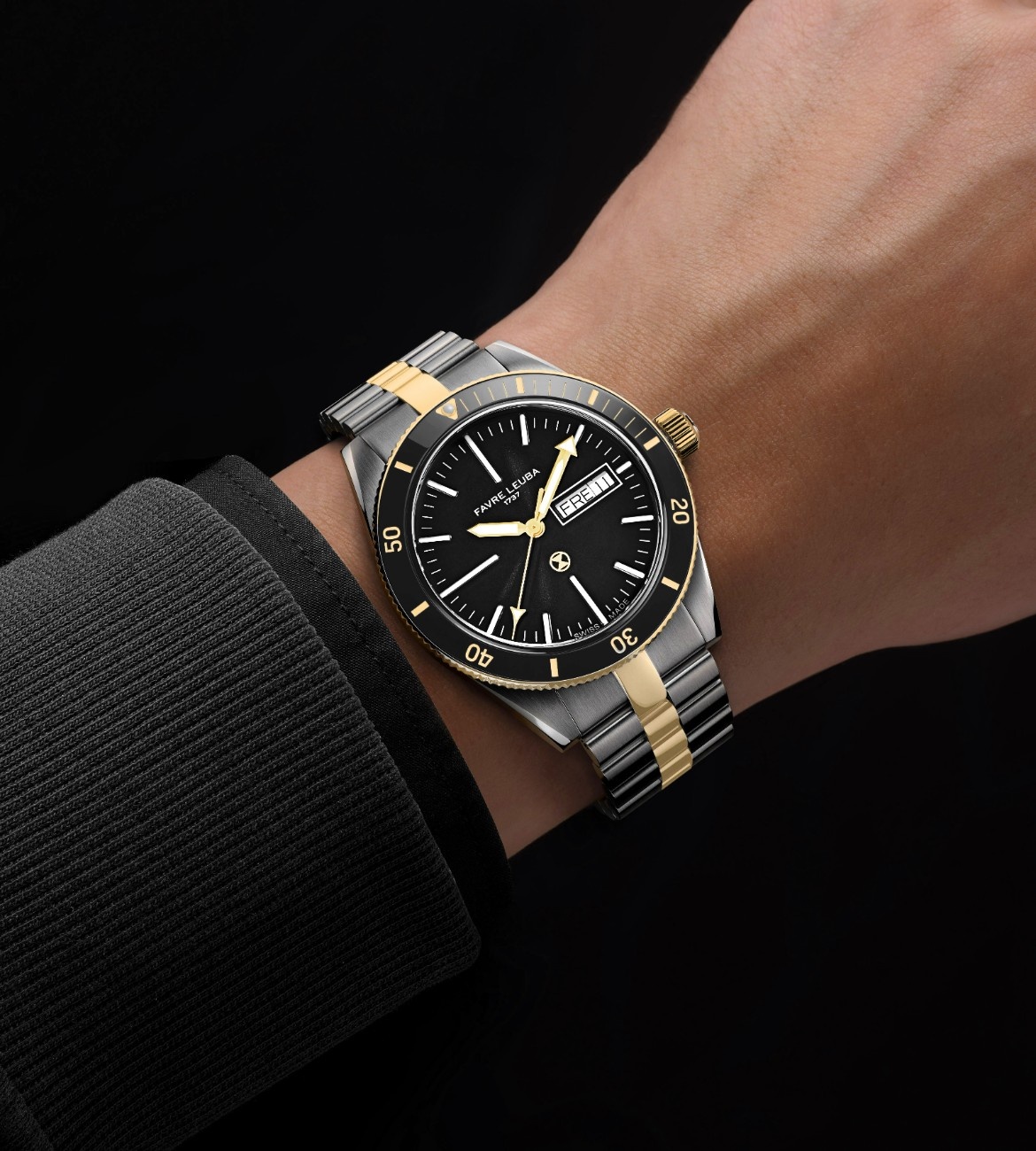
Switzerland has spent centuries perfecting the art of making expensive things look effortless. Its finest watches tend to favour proportion, refinement and restraint, whether they come from Geneva, the Vallée de Joux or elsewhere in the country’s traditional watchmaking regions. The Swiss approach is particularly evident in dress watches, where polished cases, elegant indices, balanced proportions and beautifully finished movements create an impression of timeless luxury. Even when Swiss watchmakers introduce something technically outrageous, there is usually an underlying sense of discipline. It is rather like driving an old Rolls Royce through the Alps. Nothing needs to shout. Everyone already knows it is expensive.
Also Read: Watch Dial Colours That Became Collector Legends
Germany Designs Watches With A Ruler In One Hand
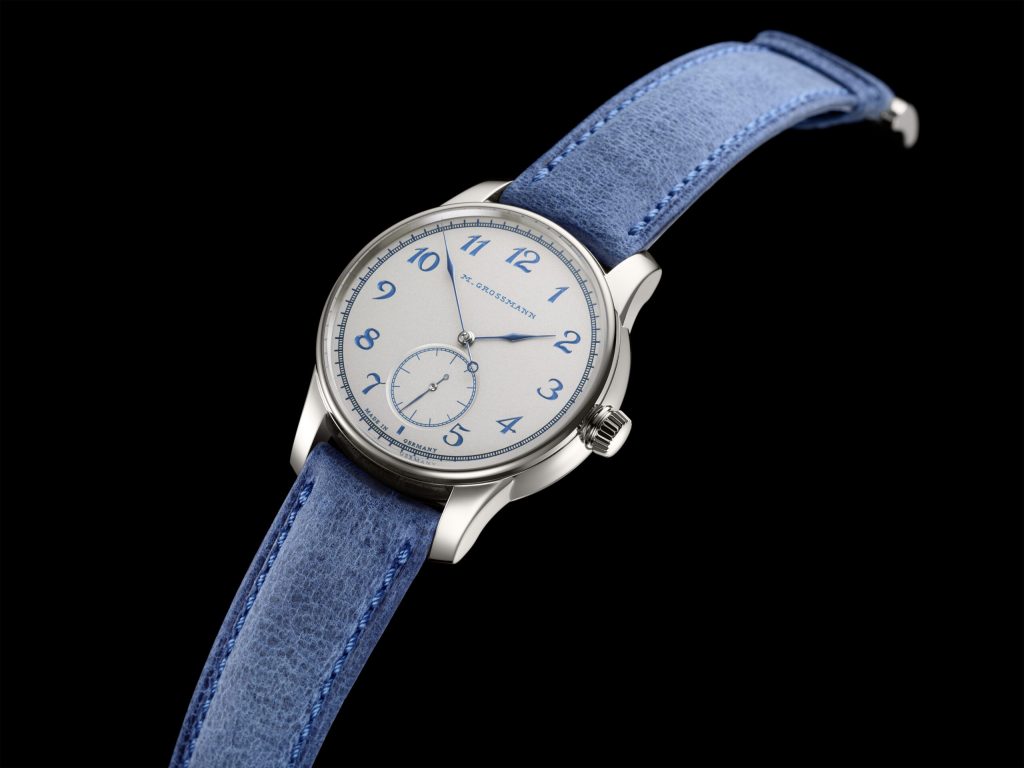
German watchmaking takes a rather different route. Where Switzerland often pursues elegance, Germany is fascinated by precision, clarity and engineering. Brands such as A. Lange & Söhne, Glashütte Original and Nomos Glashütte demonstrate this philosophy through exceptionally clean dials, functional layouts, sharp typography and beautifully executed movements. German watches often appear almost severe at first glance, but closer inspection reveals extraordinary attention to detail. The famous three quarter plate, blued screws, hand engraved elements and carefully finished bridges are not decoration for decoration’s sake. They are part of a philosophy in which form follows function. It is the horological equivalent of a Mercedes 190E 2.3-16. Perhaps not the loudest machine in the room, but disturbingly competent when you actually put it to work.
Japan Proves Precision Does Not Need A Brass Band
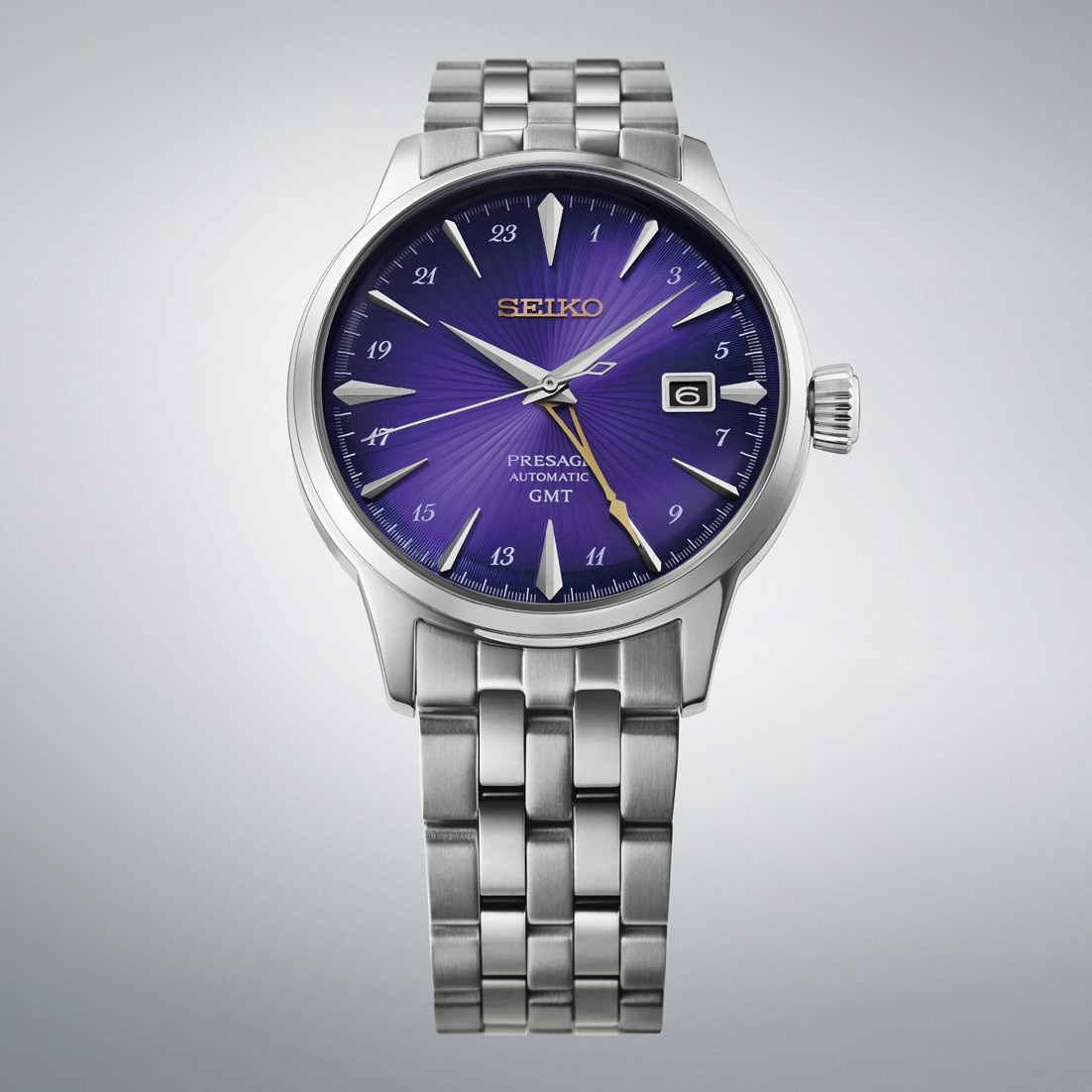
Japanese watchmaking approaches luxury with a fascinating combination of practicality, discipline and craftsmanship. Rather than relying exclusively on traditional European ideas of prestige, Japanese brands have developed their own definition of excellence. Grand Seiko is perhaps the clearest example. Its watches are renowned for extremely precise finishing, sharp case geometry, meticulous dial work and remarkable attention to everyday usability. Japanese watchmaking can be technically sophisticated without becoming unnecessarily theatrical. There is also a deeply ingrained appreciation for craftsmanship and refinement. Surfaces are polished until they catch the light in a particular way, indices are executed with extraordinary precision and even seemingly simple components receive serious attention. It is rather like an old Honda NSX. No unnecessary shouting. No enormous spoiler. Just engineering so good that you eventually wonder why everyone else made things so complicated.
Also Read: How Furlan Marri Brought Classic Watch Design Back To Life
Italy Designs Watches As Though The Red Carpet Were A Race Track
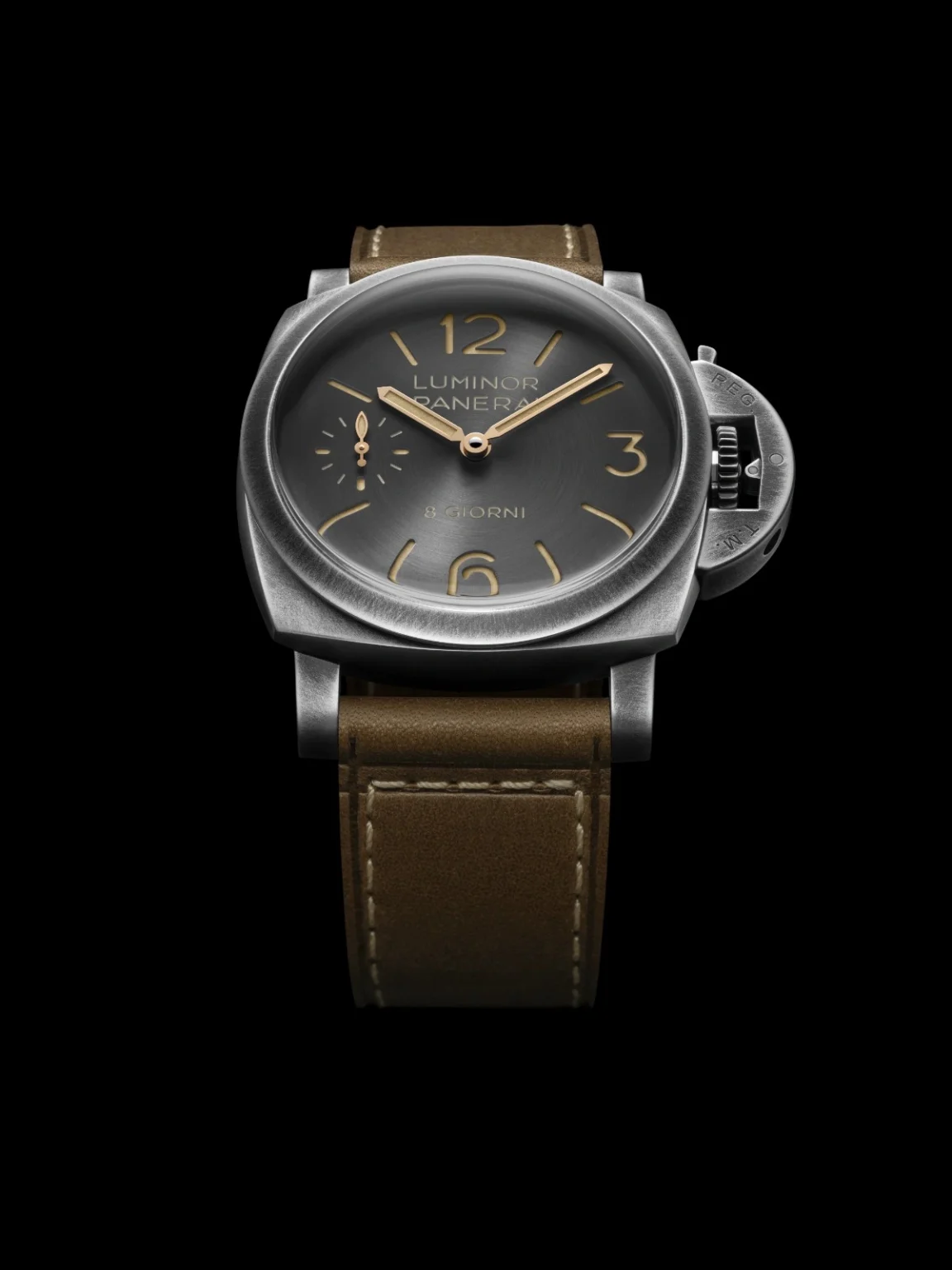
Then there is Italy, which has never been particularly interested in subtlety when subtlety can be replaced with style. Italian watch design tends to embrace expressive cases, strong colours, unconventional proportions and an unmistakable sense of personality. The country’s influence on watch design is closely connected to its wider design culture, where fashion, architecture, automobiles and industrial design regularly collide. Italian watches can feel dramatic even when the complication count is modest. A large case, unusual dial, distinctive numerals or unexpected material can completely change the character of a timepiece. This is the Ferrari approach to horology. Why make something merely functional when it can also make you grin every time you look at it?
France Turns Timekeeping Into An Exercise In Art
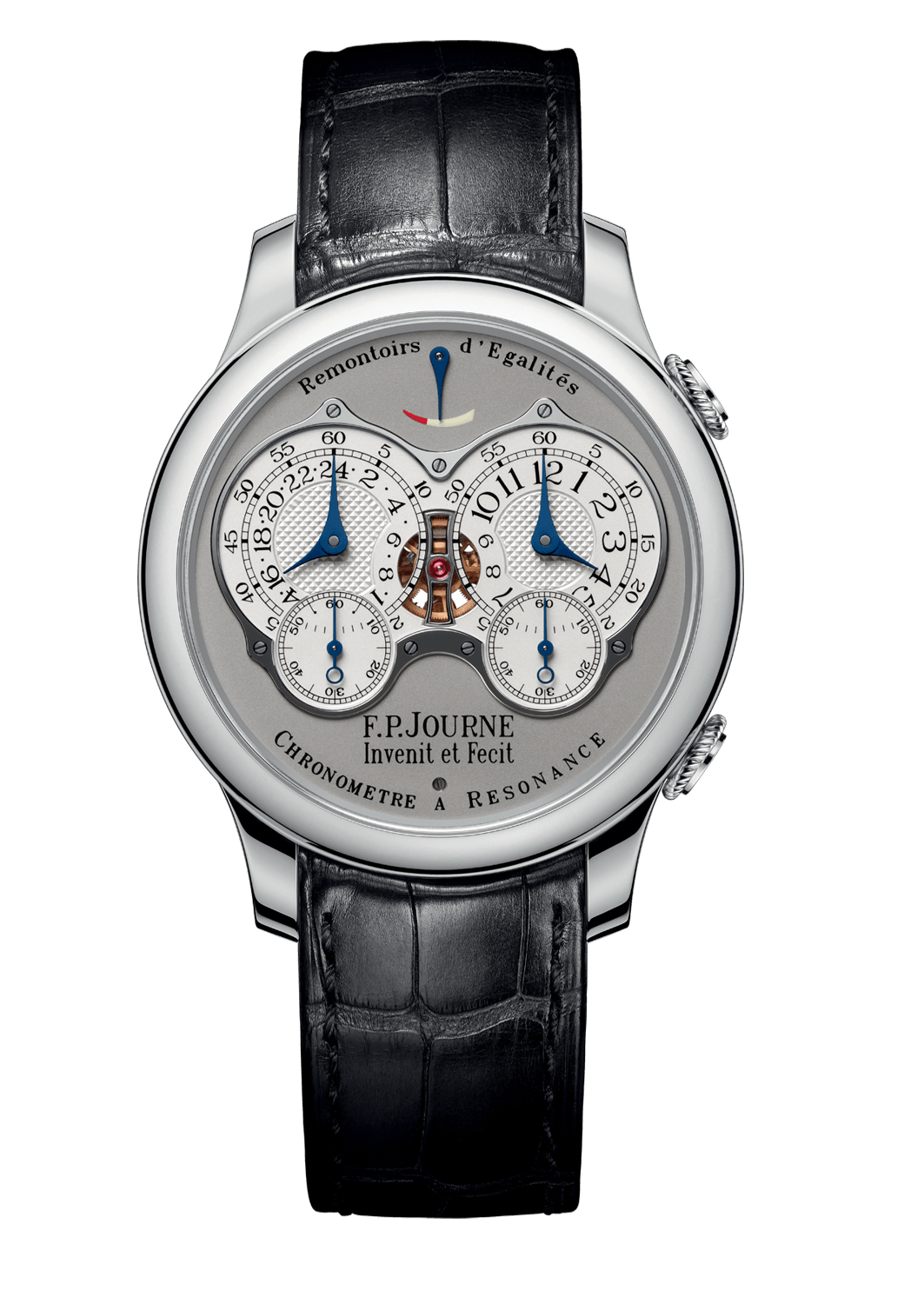
France approaches watchmaking from a slightly different direction, where horology frequently meets jewellery, fashion, architecture and decorative arts. Cartier remains the obvious heavyweight, with icons such as the Santos and Tank demonstrating how profoundly French design can influence watchmaking without relying on mechanical theatrics. The shapes are distinctive, the proportions deliberate and the designs often so recognisable that the logo becomes almost unnecessary. French watchmaking therefore feels less like an engineering manual and more like a sketchbook from Paris. The mechanism matters, obviously, but so does what happens when someone looks at the watch and thinks, good Lord, that’s beautiful.
Britain Builds Watches With The Confidence Of A Vintage Aston Martin
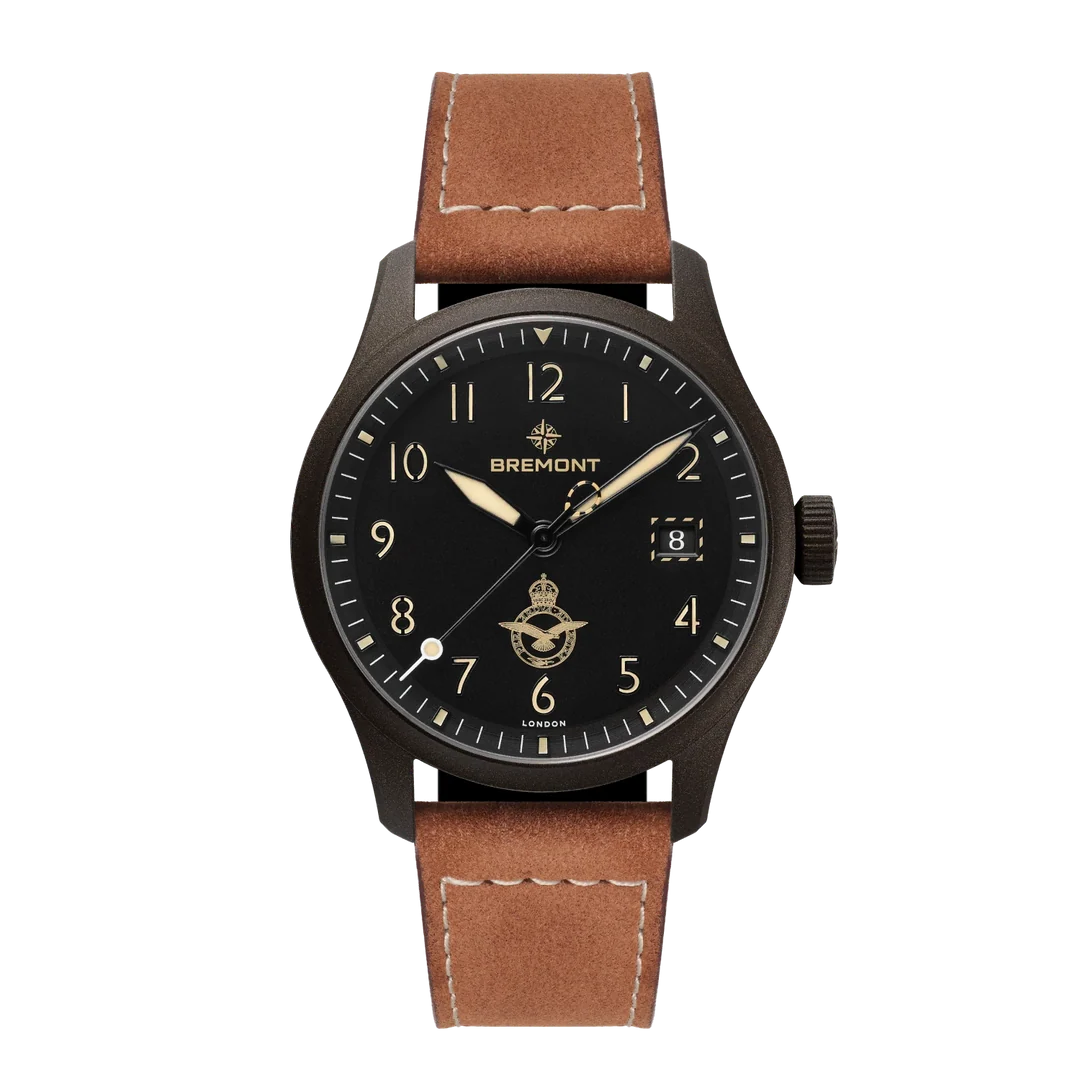
British watchmaking has never seemed particularly interested in following the crowd. Its modern revival combines traditional craftsmanship with an understated aesthetic, often favouring classical proportions, elegant typography and an almost old world sense of mechanical seriousness. Independent names such as Roger Smith and Garrick have helped establish a distinctly British approach, while the extraordinary legacy of George Daniels continues to influence modern independent horology. There is often something wonderfully eccentric about British watchmaking too. The designs can be restrained without being boring, traditional without feeling old fashioned and technically serious without becoming sterile. Think of a vintage Aston Martin. Beautifully engineered, quietly confident and completely uninterested in explaining itself to anyone.