How Favre Leuba Rose, Fell And Found Its Way Back To Swiss Watchmaking
From a Le Locle workshop founded in 1737 to pioneering dive and adventure watches, Favre Leuba has never been short of ambition, and its latest chapter is less about resurrecting the past but proving that an old name can still have something interesting to say
After the quartz crisis pushed the historic name into years of uncertainty, the brand has returned with a new generation of Swiss watches. There are easier ways to build a watch brand than starting in 1737, surviving almost three centuries of technological upheaval and then discovering that the industry has moved on while you were busy trying to keep up. Favre Leuba, however, has never been particularly interested in easy. Its story begins with Abraham Favre, who was officially recorded as an independent watchmaker in Le Locle on March 13, 1737, eventually becoming Maître horloger du Locle. That puts the brand firmly inside the early history of Swiss watchmaking, long before watches became luxury status symbols and Instagram became the place where everyone suddenly became an expert in escapements. Over the centuries, Favre Leuba built a reputation around technical ingenuity, exploration and an unusually adventurous approach to watchmaking. It grew internationally, developed important tool watches and became particularly successful in India. Then came quartz, changing the rules rather dramatically. The family was forced to sell the brand in the 1980s, ownership changed hands repeatedly and the name gradually slipped from the centre of horological conversation. But this is not a story about a watchmaker that simply disappeared. It is about one that has repeatedly tried to find its way back.
It Started In Le Locle And Went Around The World
Favre Leuba’s early history is essentially a lesson in how Swiss watchmaking escaped its mountain valleys and became a global business. Abraham Favre established the foundations in Le Locle, while later generations expanded the family enterprise beyond Switzerland. Henry-Auguste Favre travelled extensively through Europe, Russia, Cuba, New York and South America, taking the family’s pocket watches into new markets. The brand’s international ambitions eventually reached India in 1865, when Fritz Favre travelled there, making Favre Leuba the first Swiss watch brand to enter the Indian market according to the maison’s own historical record. By the 20th century, India had become particularly important to the company, with an office in Bombay helping it maintain a strong position after the Second World War.
Also Read: Favre Leuba Announces Collaboration With Renowned Indian Couturier Gaurav Gupta
Then Favre Leuba Started Doing Rather Clever Things
The brand’s real character emerged when it began treating the wristwatch as an instrument rather than simply a device for telling the time. In 1955, Favre Leuba introduced its manufacture calibre FL101. The following decade became even more adventurous. The Deep Blue arrived in 1964 as a dive watch rated to 200 metres, while the Bivouac, introduced in 1962, became the world’s first mechanical wristwatch capable of displaying altitude and changes in atmospheric pressure through an aneroid barometer. Then, in 1968, came the Bathy, a mechanical watch that could indicate not only dive time but also the diver’s current depth. This was Favre Leuba behaving rather like the Swiss watch industry had given it a mountain, an ocean and a stopwatch and told it to get on with things.
The Quartz Crisis Changed Everything
Unfortunately, being clever mechanically was not enough when quartz arrived. The technology transformed the watch industry during the 1970s and 1980s, offering cheaper, highly accurate alternatives to mechanical watches. Favre Leuba was caught in the same storm that battered much of Swiss watchmaking. The family eventually sold the company in the 1980s, after which the brand passed through several owners. The name survived, but its position in the watchmaking landscape became increasingly uncertain. This is the less glamorous part of the story, because there is nothing particularly romantic about a historic watchmaker fighting to remain relevant while the market around it changes almost overnight.
The Brand Tried To Climb Back
Favre Leuba did not stay down permanently. The brand returned with new collections in the 2000s and later gained another burst of momentum with the Raider and Chief families. Its adventurous identity remained intact. The Raider Harpoon, launched in 2016, offered an unconventional way of reading the time, while the Raider Bivouac 9000 pushed the brand’s instrument-watch philosophy to an extreme, becoming the only mechanical altimeter watch to successfully reach the summit of Everest at 8,848 metres. In 2018, the Bathy 120 MemoDepth revived the spirit of its earlier depth-measuring invention. These watches demonstrated that Favre Leuba still had a useful ingredient: a willingness to make watches that looked and behaved differently.
2024 Was The Big Comeback
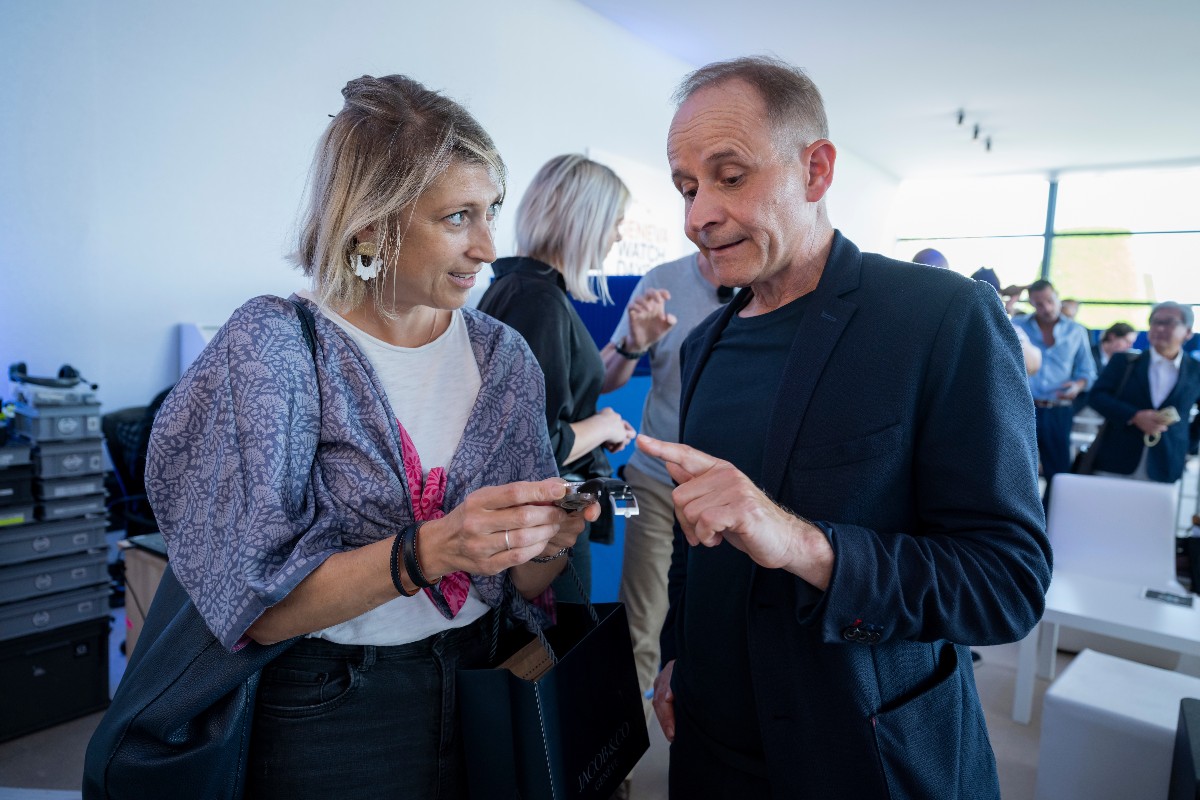
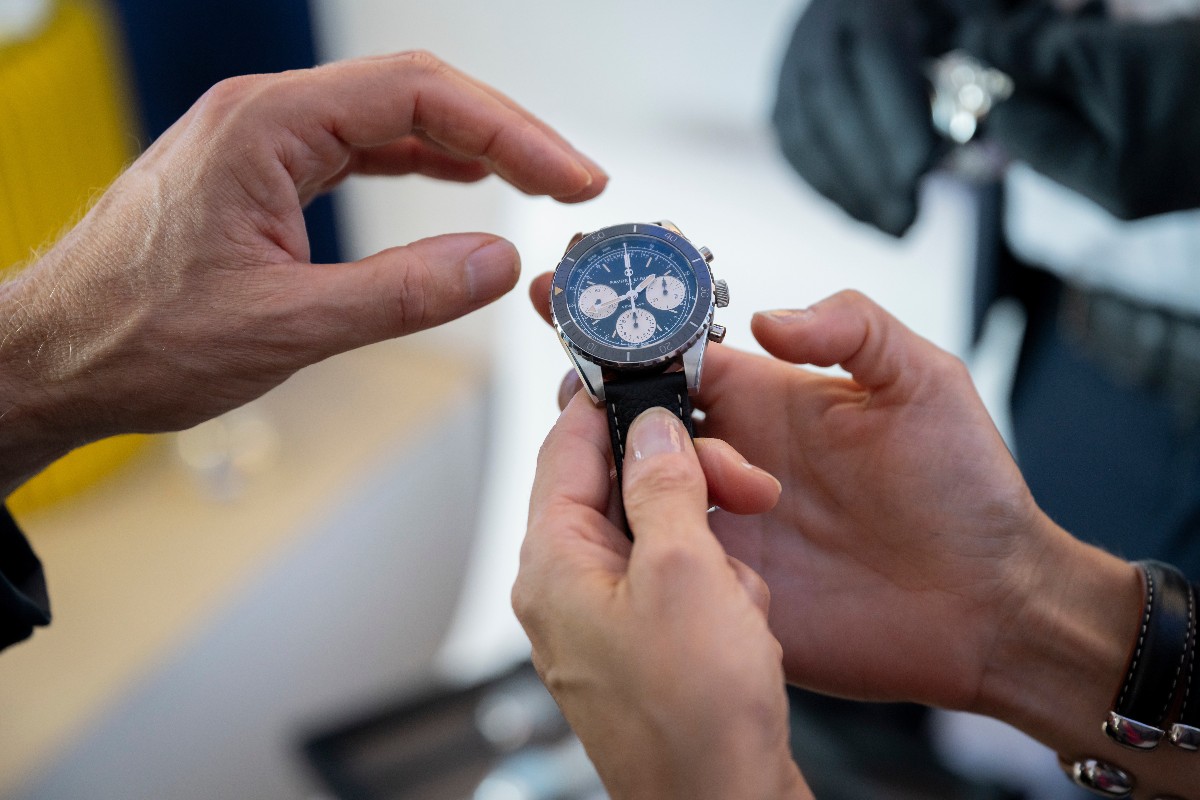
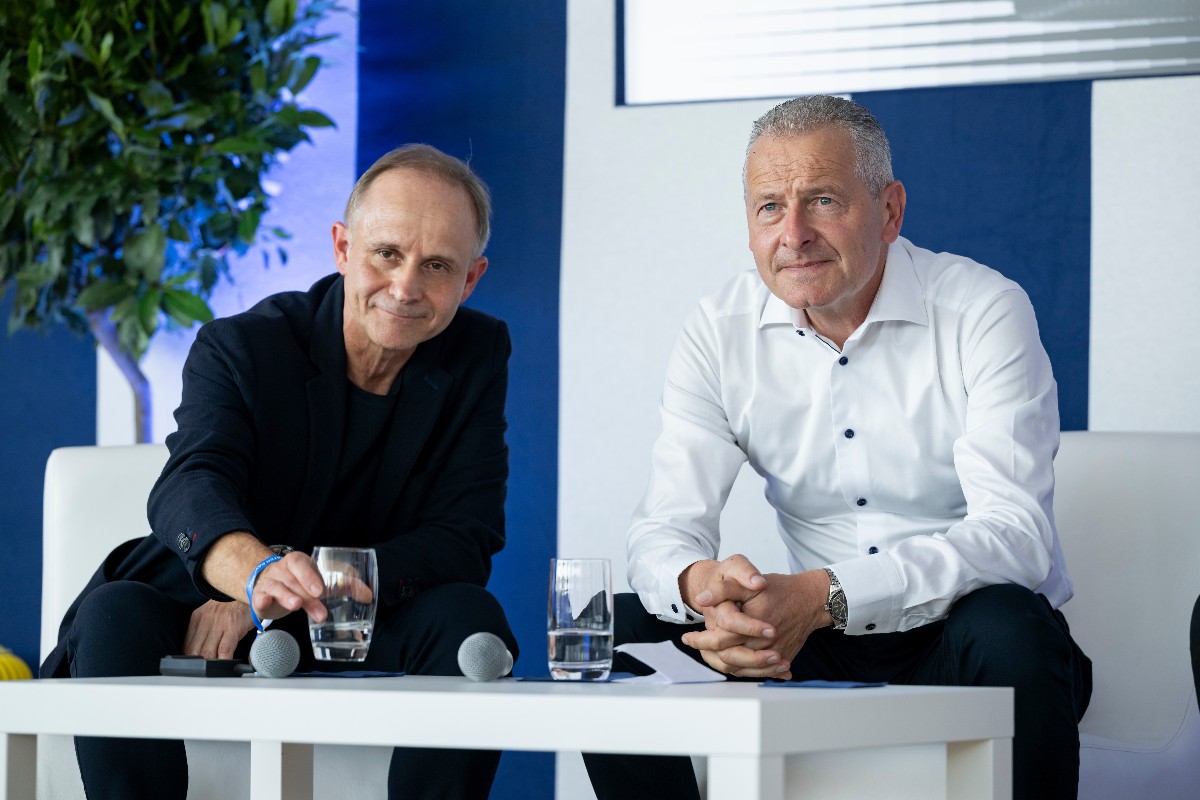
The real reset came in 2024, when Favre Leuba relaunched at Geneva Watch Days after years of uncertainty. Under CEO Patrik Hoffmann, the brand returned with three principal collections: Chief, Deep Raider and Sea Sky. The relaunch brought 22 new references and a clear attempt to reconnect historical design and technical functionality with contemporary watchmaking. Rather than simply reproducing vintage watches and hoping collectors would feel nostalgic, the strategy was to reinterpret the brand’s identity for a modern audience. The new collections were positioned around everyday functionality, robust design and accessible Swiss watchmaking.
From Revival To Real Watchmaking Ambition
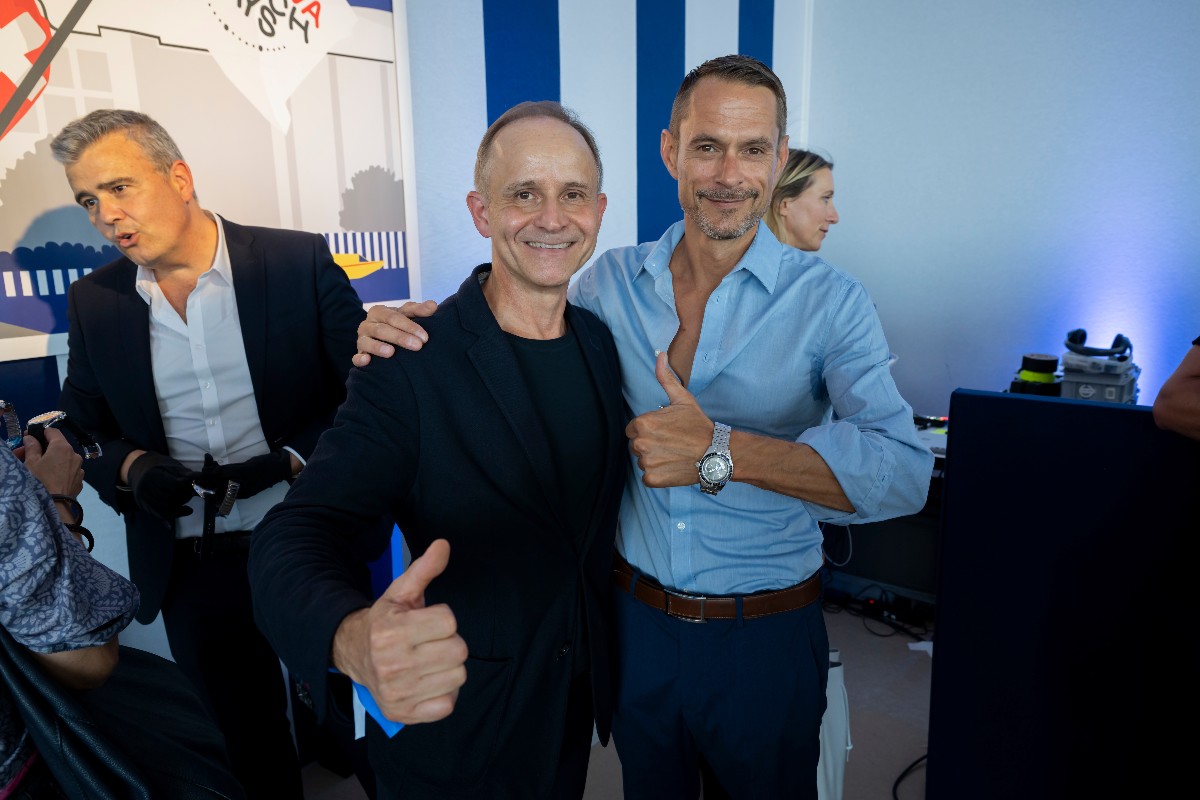
What makes the current chapter particularly interesting is that Favre Leuba is not stopping at a nostalgic comeback. In 2025, the maison introduced its first tourbillon, the Chief Tourbillon Sablier Dial, developed with master watchmaker Jean-François Mojon and his Chronode atelier. It was followed by the Chief Skeleton, the brand’s first skeletonised timepiece. Suddenly, the old name was not merely reminding everyone that it had been around since the 18th century; it was demonstrating that it intended to participate in contemporary high watchmaking as well.
The Second Life Of Favre Leuba
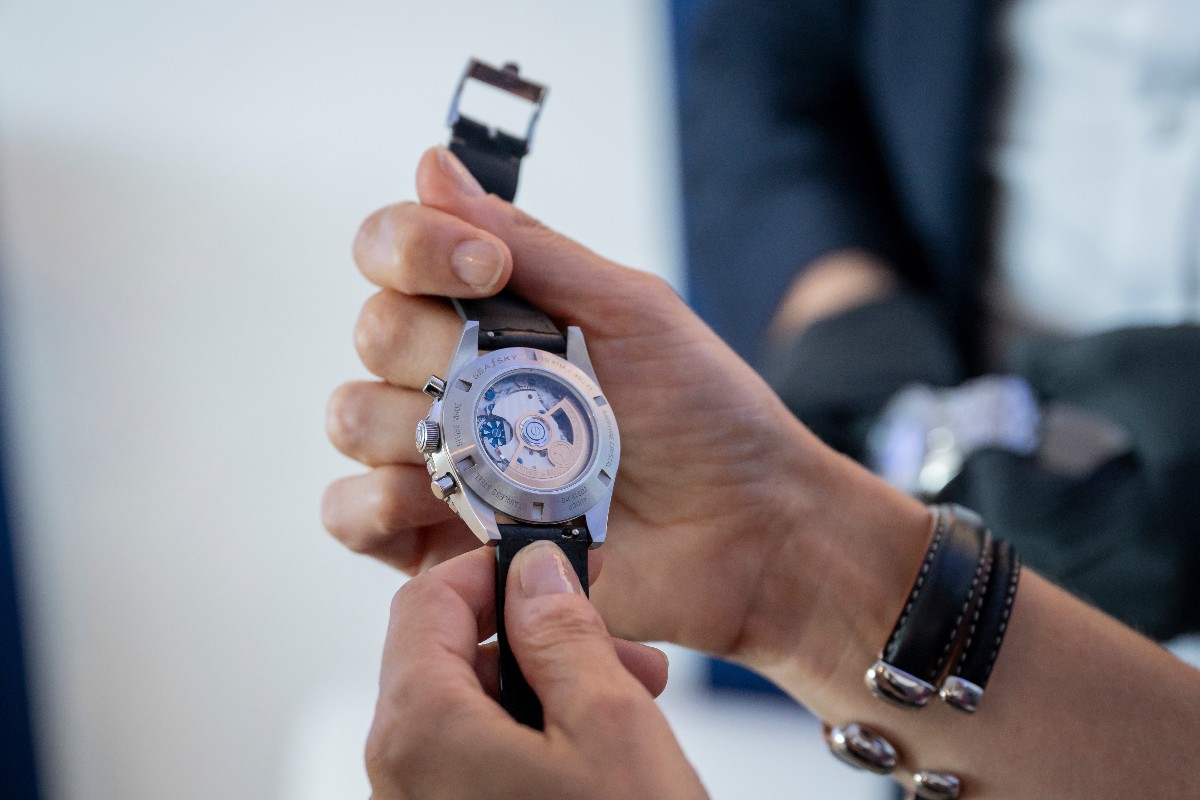
And this is perhaps the most interesting thing about Favre Leuba’s story. The brand does not have the uncomplicated history of a maison that has remained continuously powerful for generations. It rose, innovated, expanded globally, struggled through the quartz crisis, changed ownership and spent years trying to regain its relevance. Now it is back in Switzerland with a renewed collection and a strategy built around the very things that made its name interesting in the first place: exploration, technical ingenuity and a willingness to make mechanical watches that do something more than sit politely under a shirt cuff.
After nearly three centuries, Favre Leuba is therefore not attempting to become what it once was. It is trying to become something new while remembering precisely why it mattered in the first place. And considering how many watch brands are currently rummaging through their archives looking for something vaguely interesting from 1967, there is something rather refreshing about a brand whose archive is so enormous that it can afford to look forward.