Timekeepers Since 1935: Gangoly Brothers’ Enduring Watchmaking Legacy In Delhi
Mayank and Ansh Barodia are preserving their family’s legacy through Gangoly Brothers, the oldest watch store in Delhi
There are shops that sell watches, and then there are places that become part of a city’s landmark. Gangoly Brothers belongs firmly to the latter. Since 1935, its name has stood inscribed on a signboard in Connaught Place in Delhi, surviving changing fashions, economic cycles, shifting ideas of luxury and the rather formidable arrival of online shopping. Buying a watch here, for a generation of customers, was never simply about choosing something that happened to tell the time. It was about marking a marriage, celebrating a promotion, or finding a gift that might eventually become an heirloom. The brand’s legacy has been built through the family’s expertise in horology that has guided customers to find the best-suited timepiece for them. In an era of AI suggestions and the convenience of ‘add to cart’, Gangoly Brothers continues to place personal advice, transparency, discretion and horological expertise at the centre of its experience. Taking this legacy forward is father-son duo Mayank and Ansh Barodia, who are, fittingly, avid watch collectors.
What does carrying ahead the family’s legacy mean to you?
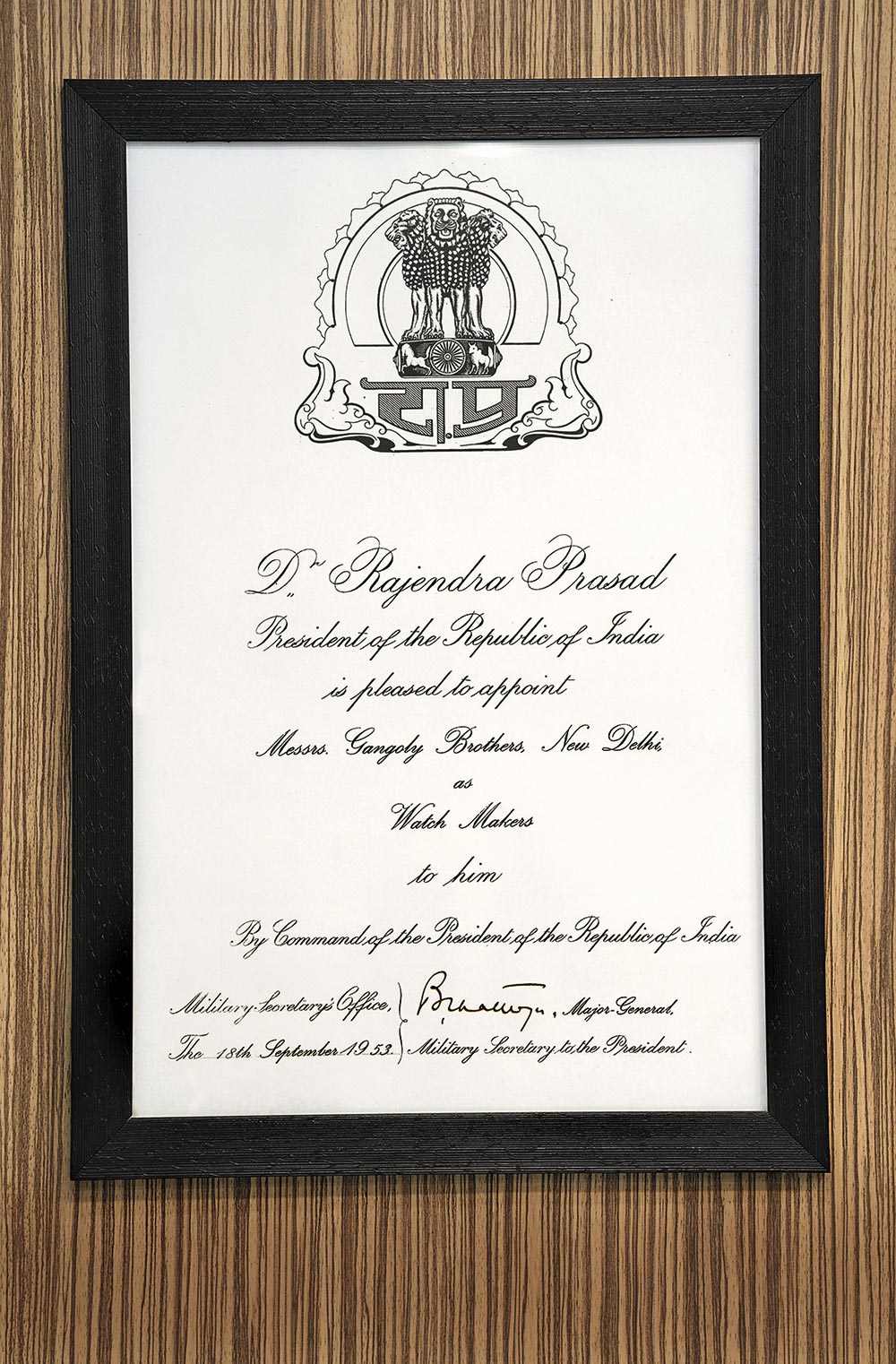
Mayank Barodia (MB): It means the shop opens every morning with a promise, not just a shutter. When one runs a family business that’s been around since 1935, one isn’t simply selling watches, one is renewing a commitment my grandfather made to this city and a promise to keep delivering the best. That’s not pressure, that’s privilege. The boutique has not only sold watches but also serviced and restored them for some of India’s most prestigious institutions and individuals. Gangoly Brothers was appointed the official watchmaker to the first President of India in 1953, a remarkable honour that underscored the shop’s reputation for excellence.
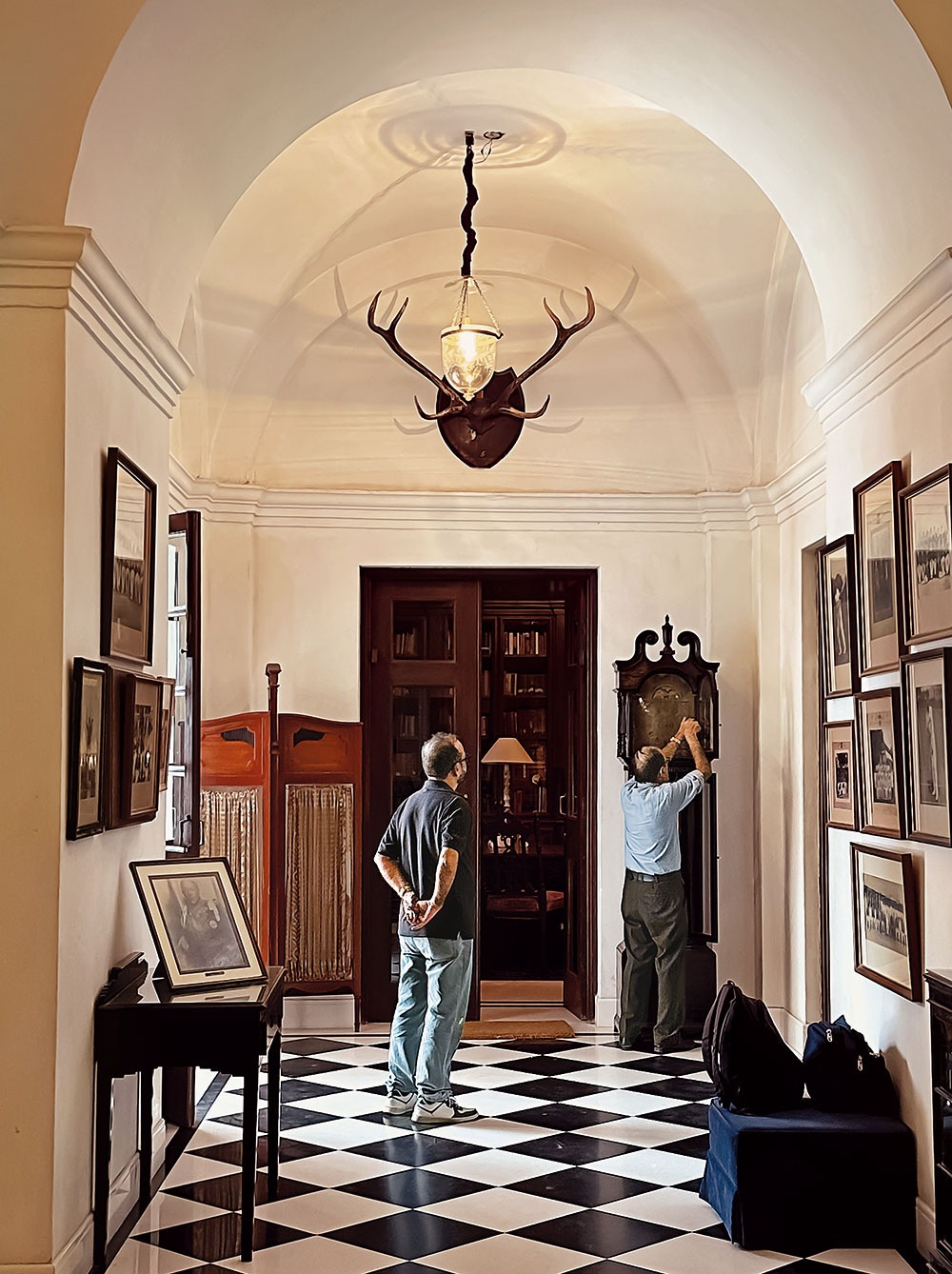
Ansh Barodia (AB): I didn’t inherit a store, I inherited a legacy and responsibility. My role isn’t to guard it quietly, it’s to make sure that a 20-something in India today knows that we exist, and can trust us more than any other marketplace listing. We continue this legacy supervising clock servicing and restoration projects at locations like the Rashtrapati Bhavan and the Supreme Court of India. We also restored a 100-year-old grandfather clock belonging to Saif Ali Khan at his Pataudi Palace.
How different is running Gangoly Brothers today compared to the business you inherited?
MB: When we opened in 1935, buying a watch was a celebratory event. Customers came to us to mark milestone moments, buying watches meant to pass down generations. Today, retail has largely shifted to fast sales and anonymous carts, but we refuse to let go of the old-school experience. The store layout still looks similar but things have changed. How customers discover us, verify us and how fast they expect an answer is different. What hasn’t changed is that people still walk in wanting the same personal touch, variety and after-sales service my father and grandfather offered back then.
What role does discretion play?
MB: Our high-profile clients and generational collectors aren’t looking for public fanfare as for them, buying or selling a significant timepiece is deeply personal and often involves substantial privacy concerns. They value quiet expertise, secure transactions and absolute confidentiality.
What’s your biggest challenge and learning from running a legacy business?
MB: The balancing act is blending old-school, personal relationships with e-commerce speed, and honouring loyal clients who are our single biggest competitive advantage while speaking the language of a digital-savvy generation. Anyone can list a watch online or automate a transaction. But true luxury is never transactional, it is emotional. Since 1935, we’ve navigated wars, economic shifts and changing consumer habits, especially the sudden shift to smart watches. The biggest lesson is to never confuse a rising market with long-term brand equity, and never panic during a slump.
Protecting tradition VS creating something new — what matters more?
AB: Neither matters more because tradition without innovation becomes stagnant, and innovation without tradition lacks depth. To us, tradition provides the foundation: the 1935 commitment to absolute trust, horological expertise and personal client care.
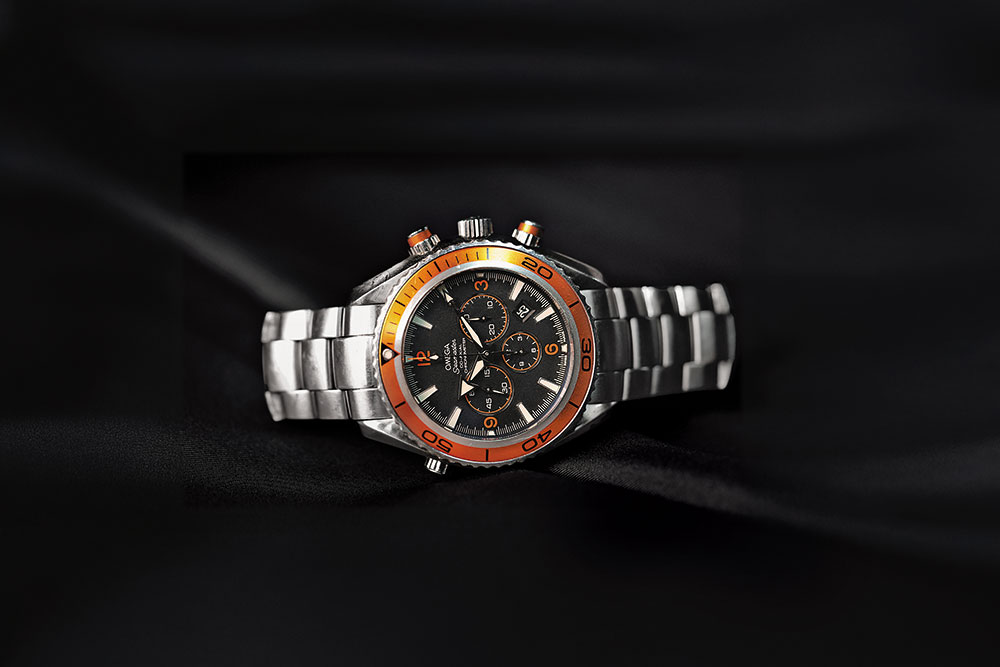
What made the Omega Seamaster Planet Ocean join your collection?
MB: Its restraint. It doesn’t announce itself, which after decades in this business appeals to me.
Why the Titan Wondering Hour?
MB: The watch is a reminder that serious watchmaking isn’t a Swiss monopoly. It is proof that ambition, design and craftsmanship exist in India too.
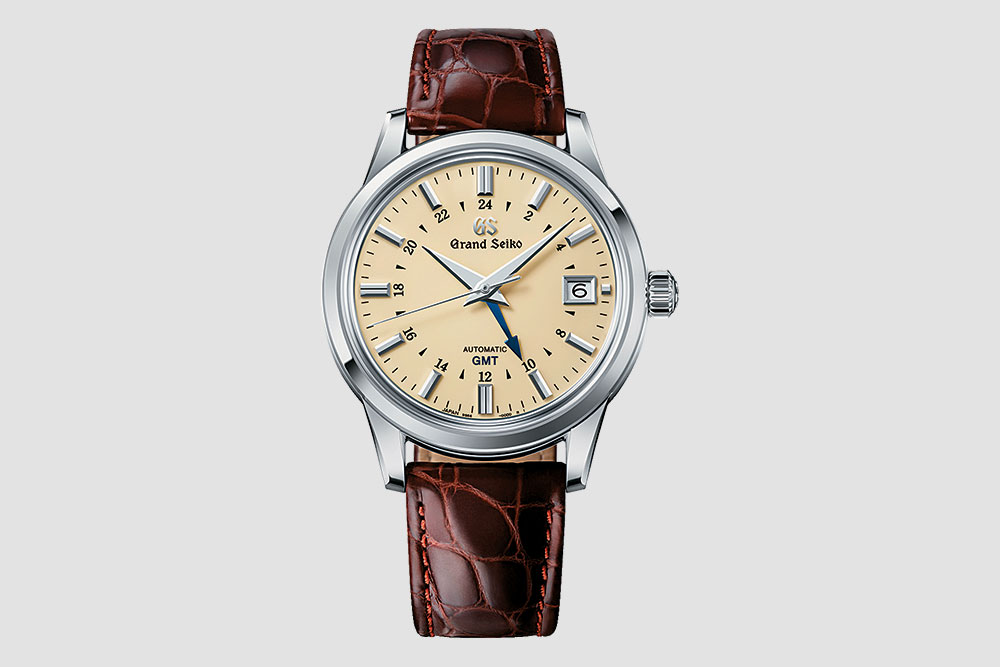
What made you choose the Grand Seiko GMT SBGM221?
MB: Its zaratsu polishing and finishing. Grand Seiko obsesses over details most owners will never consciously notice, and I notice all of them.
What will define the next chapter of Gangoly Brothers?
MB: While the soul of watchmaking, obsession with fine detail and genuine expertise hasn’t changed, how we share it with people today definitely has. Our next chapter involves expanding our digital presence and introducing rare international independent watchmakers in India.