What Is GPHG? Why The Grand Prix d’Horlogerie de Genève Is Called The Oscars Of Horology
A celebration of mechanical ingenuity, artistic expression and horological excellence, the Geneva awards have become one of the most influential events on the international watchmaking calendar
In the world of luxury watchmaking, there are certain achievements that command attention beyond the price tag, the exclusivity of a limited edition or the reputation of the manufacture behind it. A complicated movement, an ingenious mechanical invention, an exquisitely finished dial or a design that challenges conventional horology can all make a watch remarkable. But who decides which creations deserve to stand above the rest? This is where the Grand Prix d’Horlogerie de Genève, better known as GPHG, enters the conversation. Often described as the Oscars of watchmaking, the annual awards bring together some of the most celebrated names in horology, alongside independent watchmakers, designers, collectors, journalists and industry experts. Since its inception in 2001, the GPHG has developed into an international platform that recognises not merely expensive watches, but exceptional creativity, craftsmanship and technical achievement. Its significance lies in the breadth of its recognition, celebrating everything from traditional complications and precision engineering to artistic crafts and unconventional horological experiments. For watch enthusiasts, it offers a fascinating snapshot of the industry’s most compelling creations in a given year. For manufacturers, winning an award can become a defining moment in a watch’s story. And for independent watchmakers, it can provide recognition on a global stage. But what exactly is the GPHG, how did it begin, and what makes its coveted trophies so important?
The History Behind The GPHG
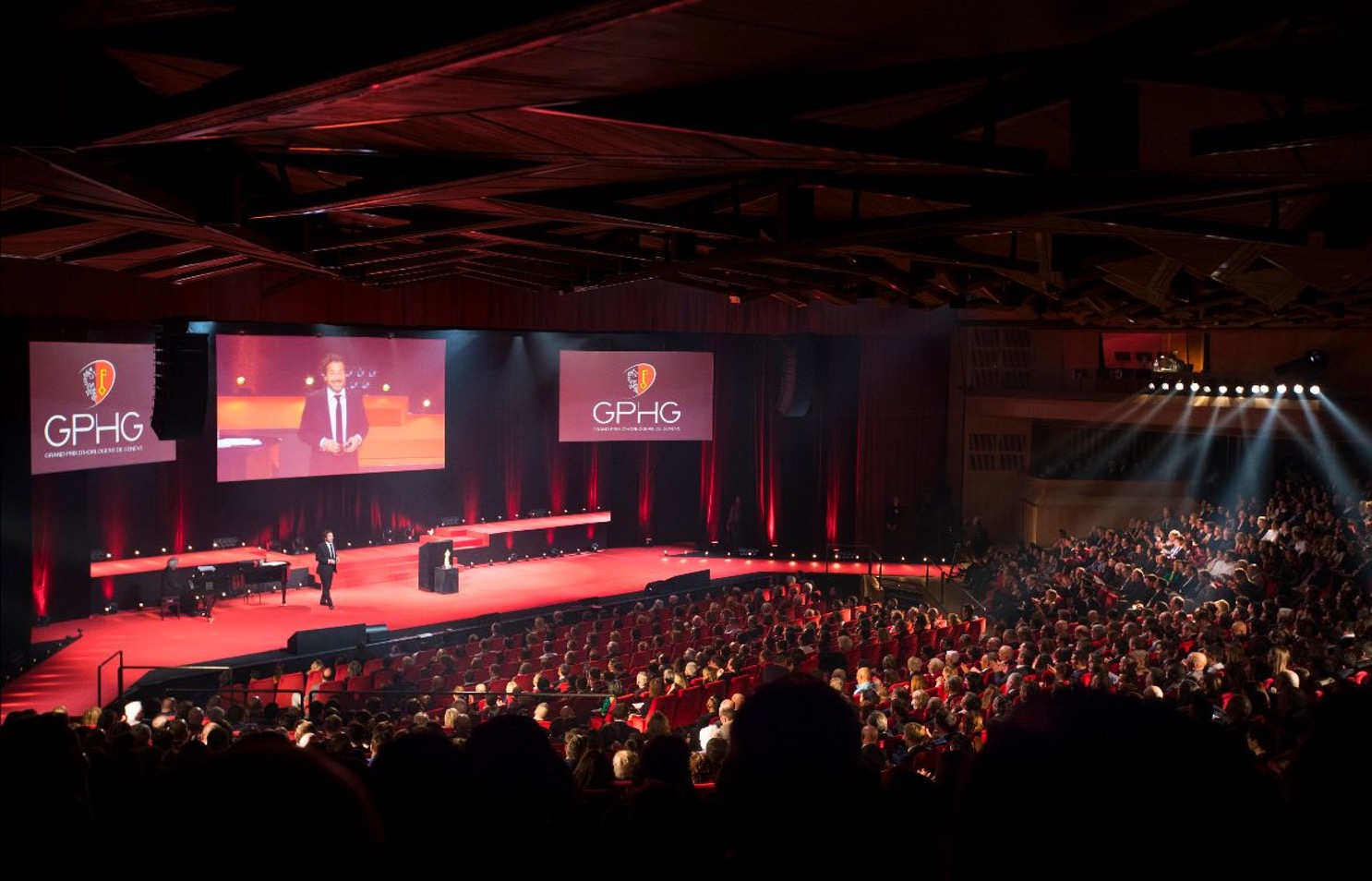
The Grand Prix d’Horlogerie de Genève was established in 2001 by two entrepreneurs, Gabriel Tortella and Jean-Claude Pittard, with the ambition of creating an international platform to celebrate excellence in watchmaking. The first edition brought together leading names from the industry, establishing an awards programme that would gradually grow in stature and reach.
An important development came in May 2011, when the GPHG became an independent foundation recognised as a public interest organisation. Its founding institutions included the Republic and Canton of Geneva, the City of Geneva, the International Museum of Horology in La Chaux-de-Fonds and Timelab, among others. This institutional structure helped strengthen its position as a platform dedicated to the wider watchmaking industry rather than the interests of an individual brand or commercial group.
Over the years, the awards have expanded their international presence, attracting established Swiss manufactures, independent watchmakers and creators from across the world. Its mission remains centred on recognising contemporary horological achievements and promoting watchmaking as an art.
Also Read: Pranav Saboo Interview: GPHG And Ethos Celebrate Contemporary Watchmaking In India
Why Is It Called The Oscars Of Horology?
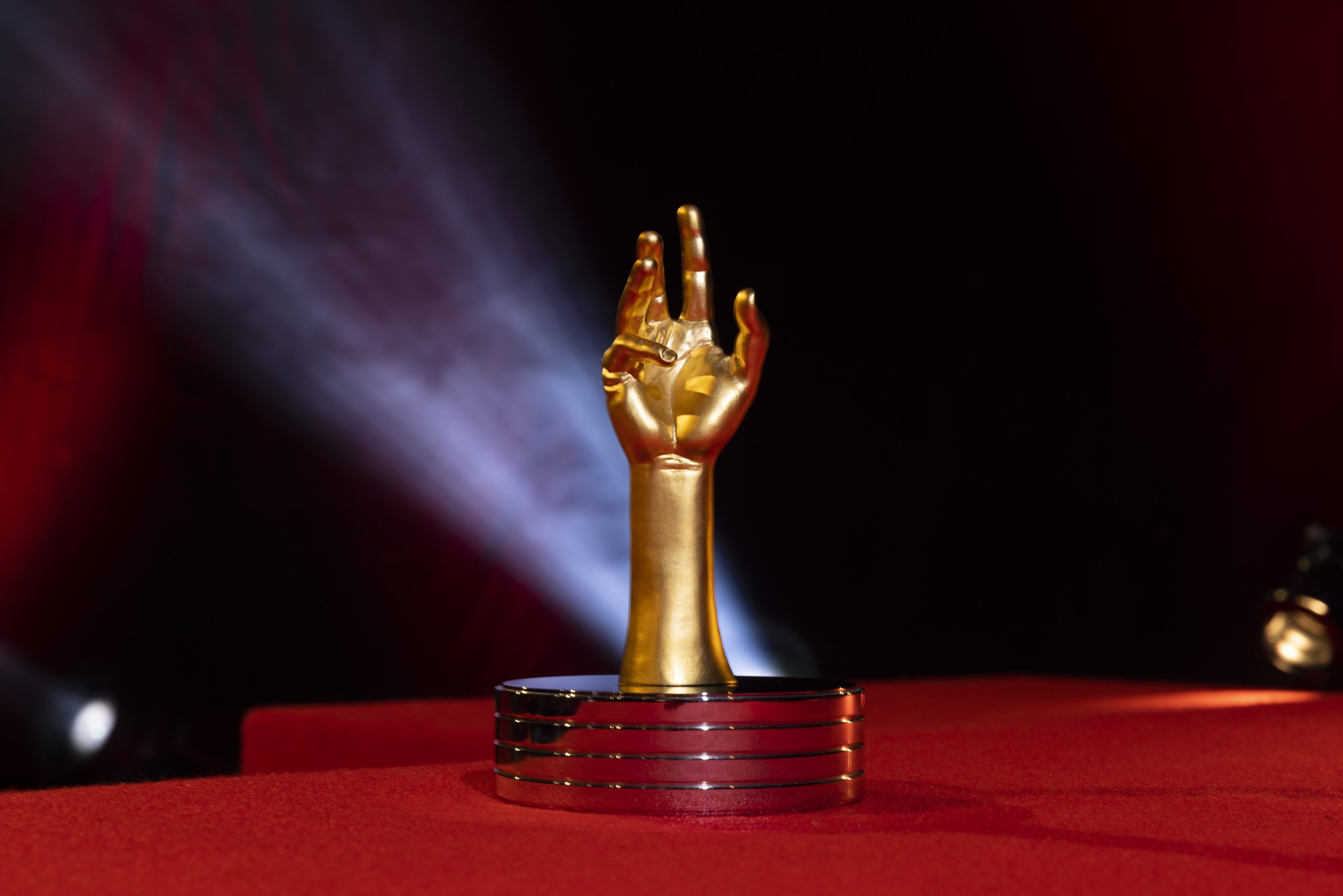
The comparison with the Academy Awards is not difficult to understand. Just as cinema celebrates achievements across acting, directing, writing and technical production, the GPHG recognises excellence across multiple disciplines of watchmaking. Its categories cover an impressive range of creations, including men’s and ladies’ watches, chronographs, tourbillons, calendars, sports watches, jewellery watches and artistic crafts. There are also distinctions for innovative concepts, exceptional mechanics and emerging watchmaking talent.
The most coveted honour is the Aiguille d’Or Grand Prix, awarded to the watch judged to be the year’s finest overall creation. Winning it is a significant achievement because it places a timepiece among the most distinguished horological creations of its generation. However, the GPHG is not simply a competition between the biggest luxury names. Independent watchmakers have repeatedly received recognition, demonstrating that technical brilliance and creative ambition are not exclusive to established manufactures. This balance between heritage maisons and smaller ateliers is one of the reasons the awards command such attention.
How Does The Judging Process Work?
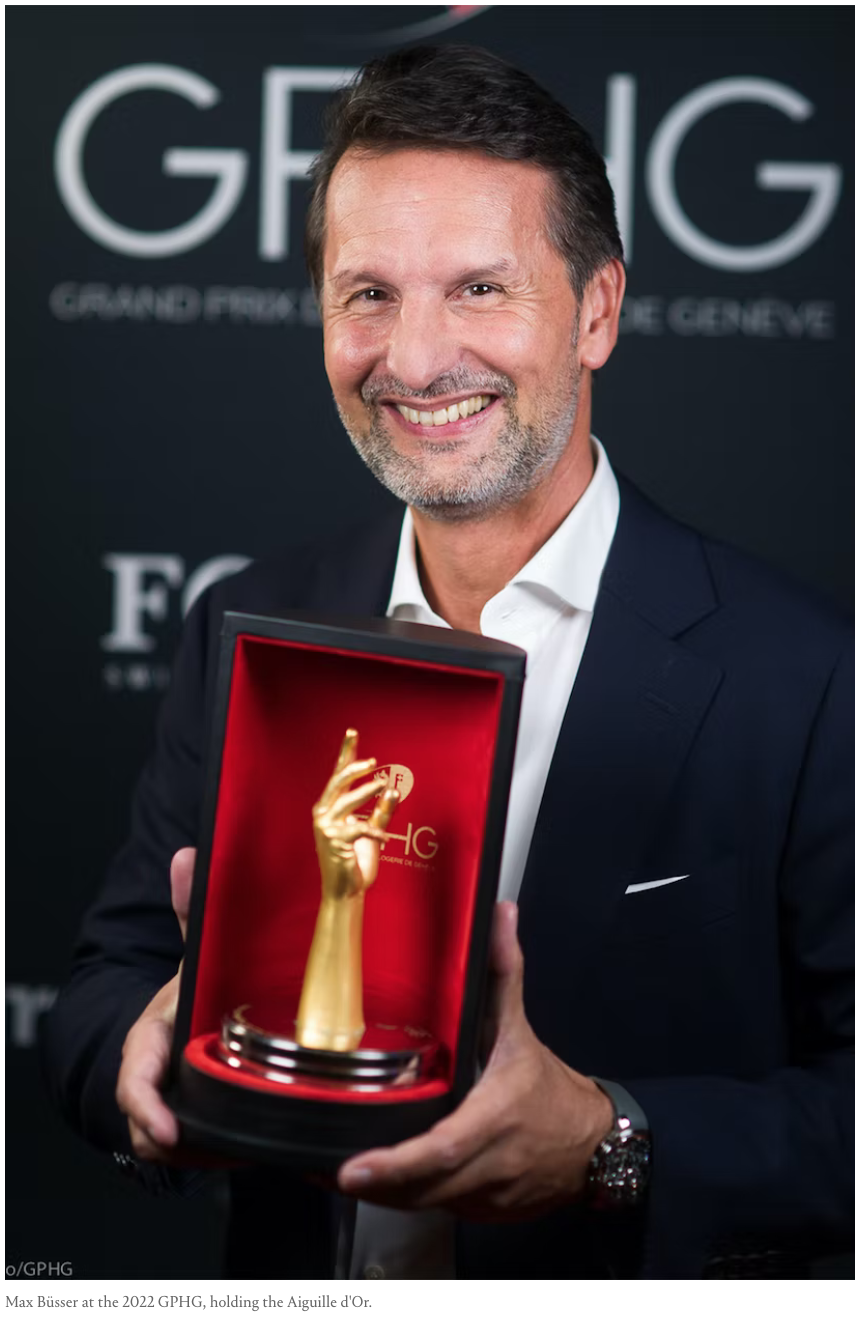
The GPHG follows a structured selection and voting process involving its Academy and an annual jury. Established in 2020, the Academy comprises several hundred professionals and influential individuals connected to the watchmaking world. Its members include collectors, journalists, retailers, watchmakers, historians and other industry specialists. The process begins with eligible watches being submitted by brands and proposed by Academy members. The Academy participates in the initial voting process to determine the nominated timepieces. A jury of 30 members is then selected from the Academy to undertake the final evaluation.
A particularly important aspect of the process is that the jury physically examines the nominated watches before casting its final votes. This allows members to assess details that photographs and digital presentations cannot adequately communicate, including finishing, proportions, movement architecture, construction and overall execution. The final deliberations take place behind closed doors, in the presence of notaries, while the wider Academy also participates in the final voting process. The approach is intended to uphold the principles of neutrality, independence and universality that underpin the foundation.
Where Is The GPHG Held?
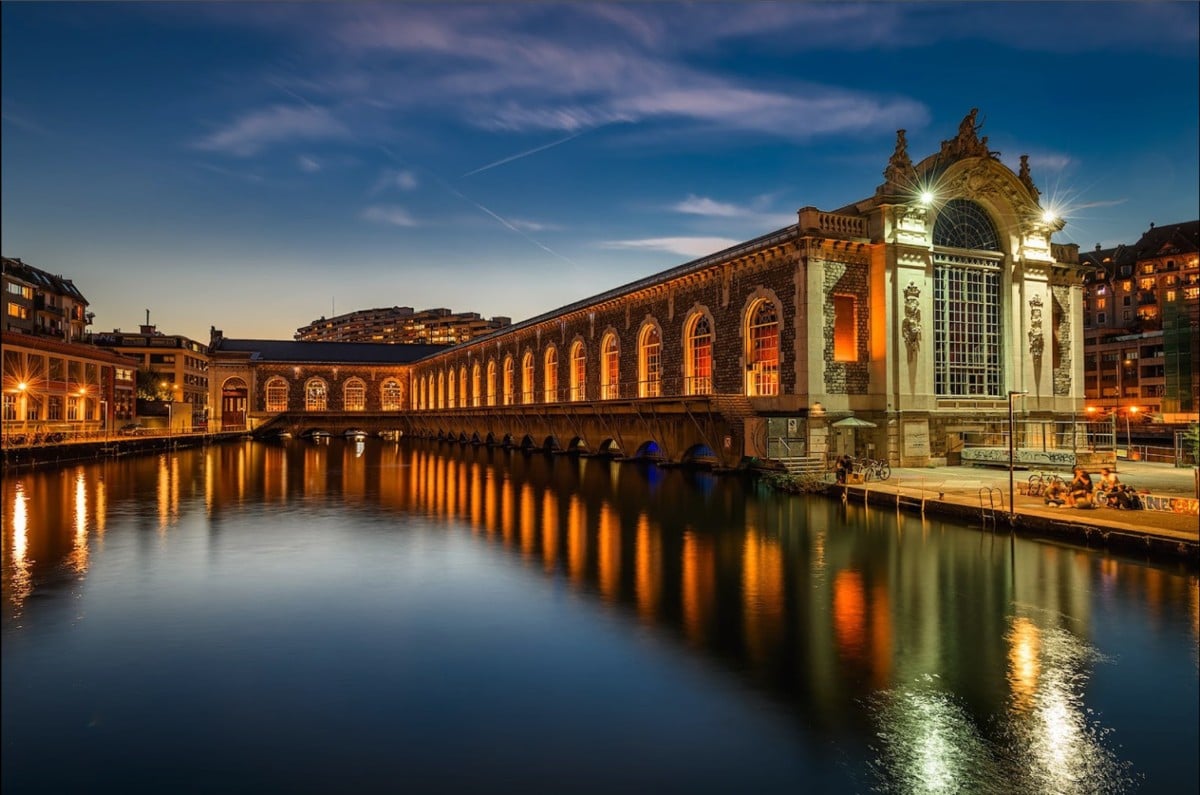
Geneva, unsurprisingly, is at the heart of the awards. As one of the world’s most important watchmaking centres, the Swiss city provides an appropriate setting for an event celebrating the craft and culture of horology.The awards ceremony traditionally takes place in November, bringing together representatives of the international watch industry for an evening dedicated to the year’s outstanding creations. The venue can change between editions.
For the 2026 ceremony, scheduled for November 7, 2026, the GPHG will move to the Bâtiment des Forces Motrices (BFM), a landmark building in Geneva with a history closely connected to the city’s industrial development. The experience, however, extends beyond the ceremony itself. The nominated watches are presented through exhibitions that travel to different international destinations, giving collectors, enthusiasts and the wider public an opportunity to see the shortlisted creations up close. These exhibitions are particularly valuable because they take the competition beyond the industry and allow people to appreciate the technical and artistic details of the watches themselves.
Why Does Winning A GPHG Award Matter?
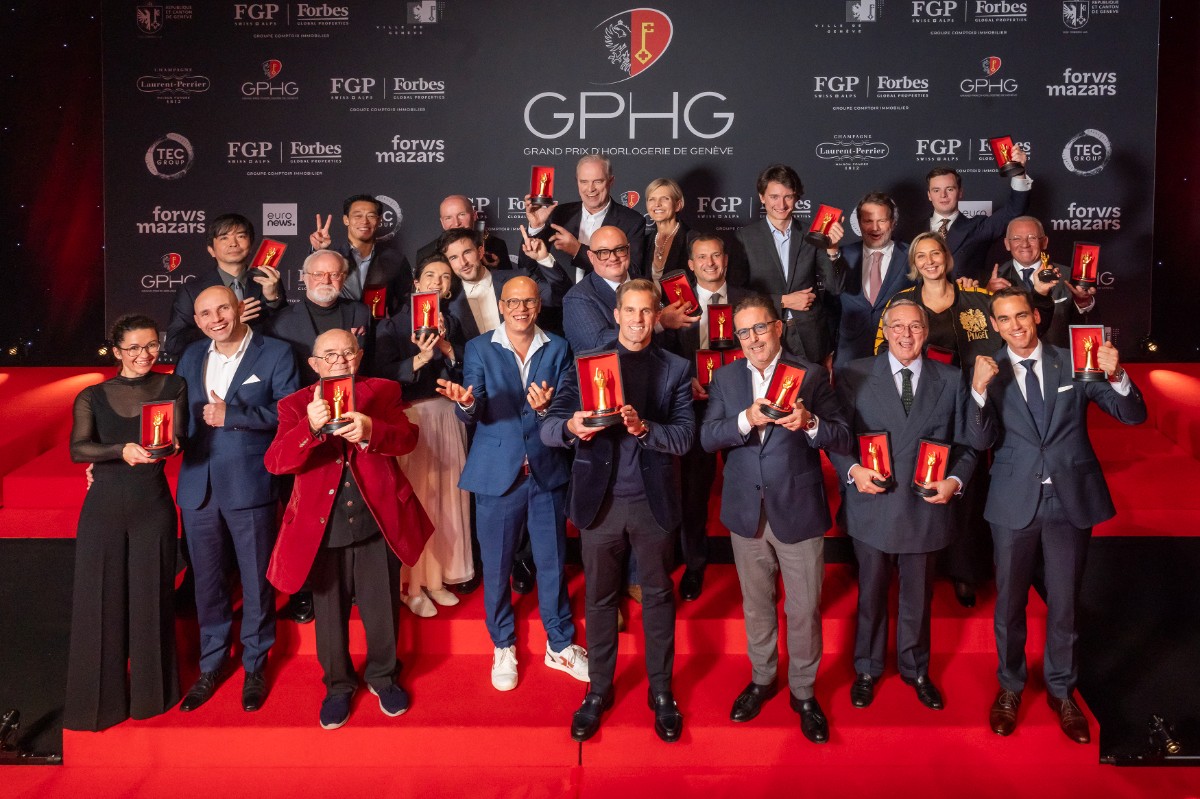
For a major manufacture, a GPHG award is an important endorsement of its creative and technical achievements. For an independent watchmaker, it can be transformative, bringing international visibility to a workshop that might otherwise operate outside the spotlight of mainstream luxury watchmaking.
The awards also provide an annual record of how the industry is evolving. One year might celebrate an exceptionally complicated mechanical creation, while another could recognise an unconventional display, an artistic dial or a remarkable example of traditional craftsmanship. The winners reflect the changing priorities, ambitions and creative possibilities of contemporary horology.
Ultimately, the GPHG is important because it gives watchmaking a platform that goes beyond commercial success. It recognises the people, skills and ideas that keep the industry moving forward. A trophy cannot necessarily determine which watch a collector should buy, nor does every exceptional timepiece need an award to establish its worth. Yet, when the world’s horological community gathers in Geneva to celebrate its finest achievements, the GPHG offers something rather special: a moment to appreciate watchmaking not simply as a luxury business, but as an enduring art.