When And Why Did We Start Measuring Seconds?
For most of human history, nobody cared what happened between one minute and the next. Then science, astronomy and increasingly obsessive clockmakers decided that apparently we needed to know
There was a time when owning a watch meant accepting that it could tell you the hour and, if you were feeling particularly optimistic, roughly where you were within it. The idea of knowing that it was 10:42 and 17 seconds would have seemed faintly ridiculous. Early pocket watches often carried only an hour hand because their movements were so inaccurate that asking them for minutes would have been rather like asking a garden sundial for your Wi-Fi password. The seconds hand was, therefore, very much late to the party. But two inventions in the 17th century changed everything: Christiaan Huygens’ pendulum and balance spring. Suddenly, clocks and watches could keep time accurately enough for minutes, and eventually seconds, to become genuinely useful.
When The Hour Hand Was Considered Quite Enough
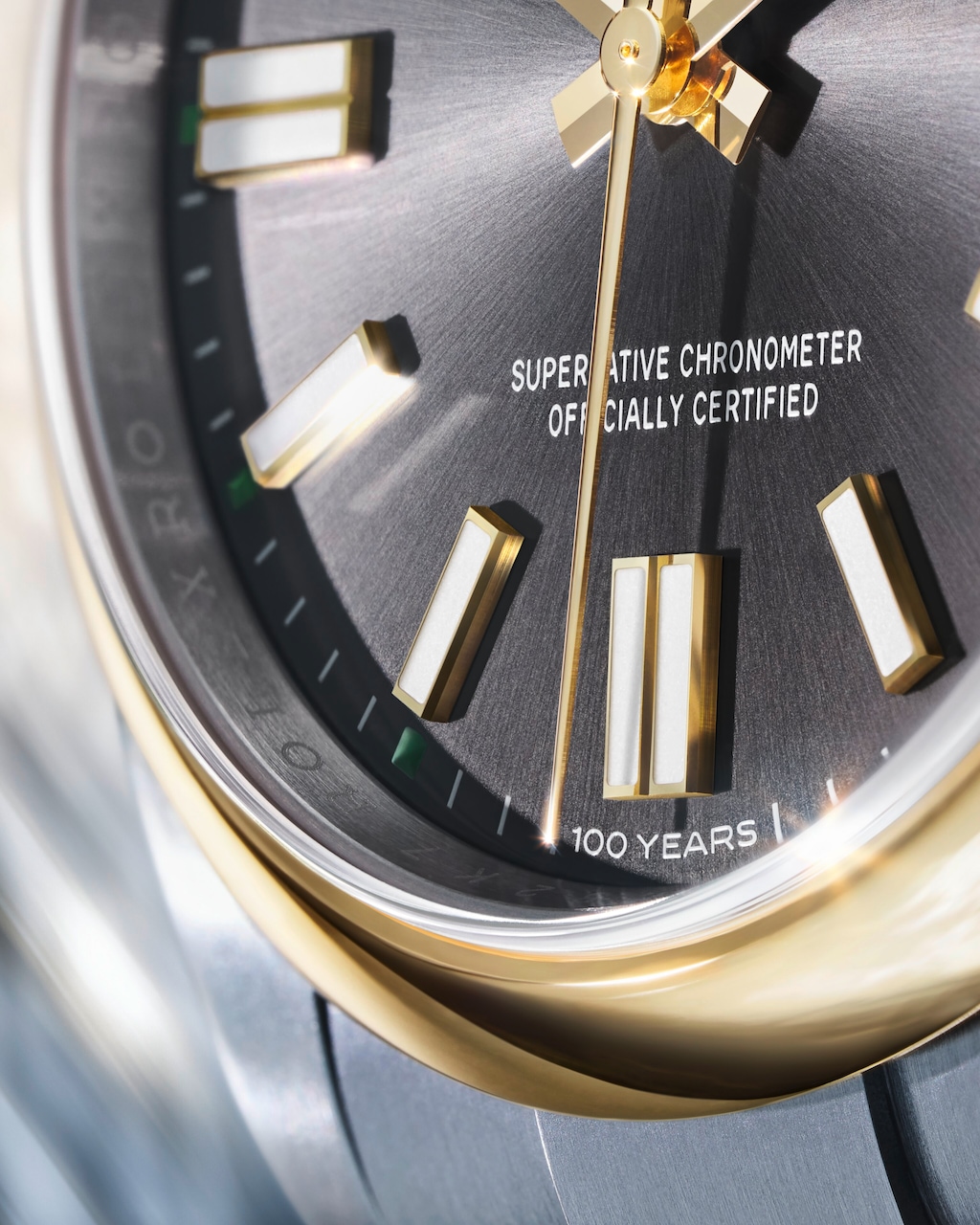
Early mechanical clocks and watches were nowhere near accurate enough to justify obsessing over individual minutes, let alone seconds. Some early dials were divided into quarters, allowing a single hour hand to indicate approximately whether it was a quarter past, half past or quarter to the hour. These expressions have survived into modern language as fossils from a time when precision was a rather ambitious luxury. There were early attempts at more precise indications. In the late 1570s, Swiss horologist Jost Bürgi produced an observational clock for astronomer Tycho Brahe that included a minute indication. It was an impressive technical achievement, but its practical usefulness was limited by the accuracy of the movement itself. There was little point designing a beautifully precise dial when the mechanism behind it was merrily losing or gaining enormous amounts of time.
Also Read: The Most Astonishing Watch Calibres Ever Made: A Guide To Horological Masterpieces
Then Christiaan Huygens Made Clocks Much Less Wrong
In 1656, Dutch scientist and horologist Christiaan Huygens introduced the pendulum clock, and this was the moment mechanical timekeeping began to take itself seriously. Accuracy improved dramatically, moving from errors of half an hour or more per day to just seconds. Huygens followed this with another crucial development. In 1675, he was the first to patent the balance spring for pocket watches and demonstrate a working model. English polymath Robert Hooke claimed to have developed the idea a year earlier, but Huygens was the first to bring it to fruition in a practical form. Together, these inventions transformed precision timekeeping. Pendulum clocks became accurate to within seconds per day, while watches moved into an era in which minutes could be measured with genuine confidence.
The Minute Hand Finally Became Worth Having
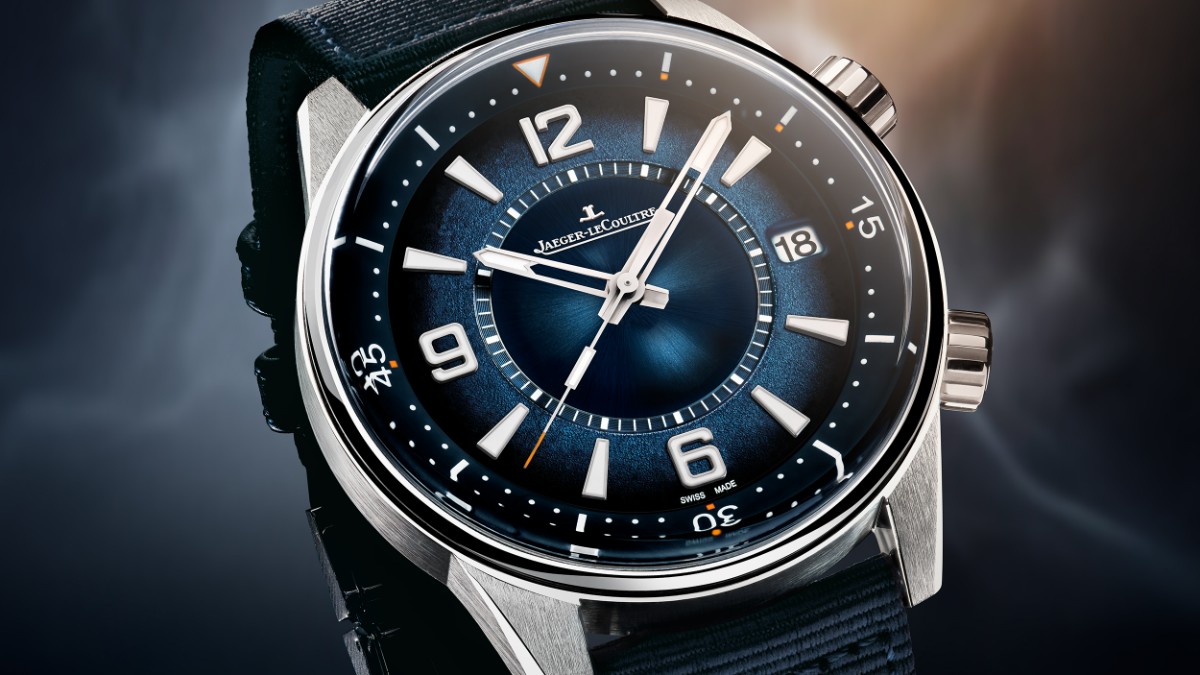
Once mechanical movements became accurate enough, the minute hand could stop being a decorative suggestion and become a useful instrument. By the late 17th century, minute hands had become standard on clock dials across Europe, although widespread adoption elsewhere took considerably longer. Pocket watches followed a similar path. The balance spring allowed their movements to operate with much greater accuracy, and within only a few years most European watchmakers were adopting the technology. Suddenly, the difference between 3:00 and 3:15 mattered. Humanity had successfully invented the quarter hour. It was time to make things even more complicated.
Also Read: Tom Holland’s Watch Collection: A Look At His Most Coveted Timepieces
The Seconds Hand Arrives, Eventually
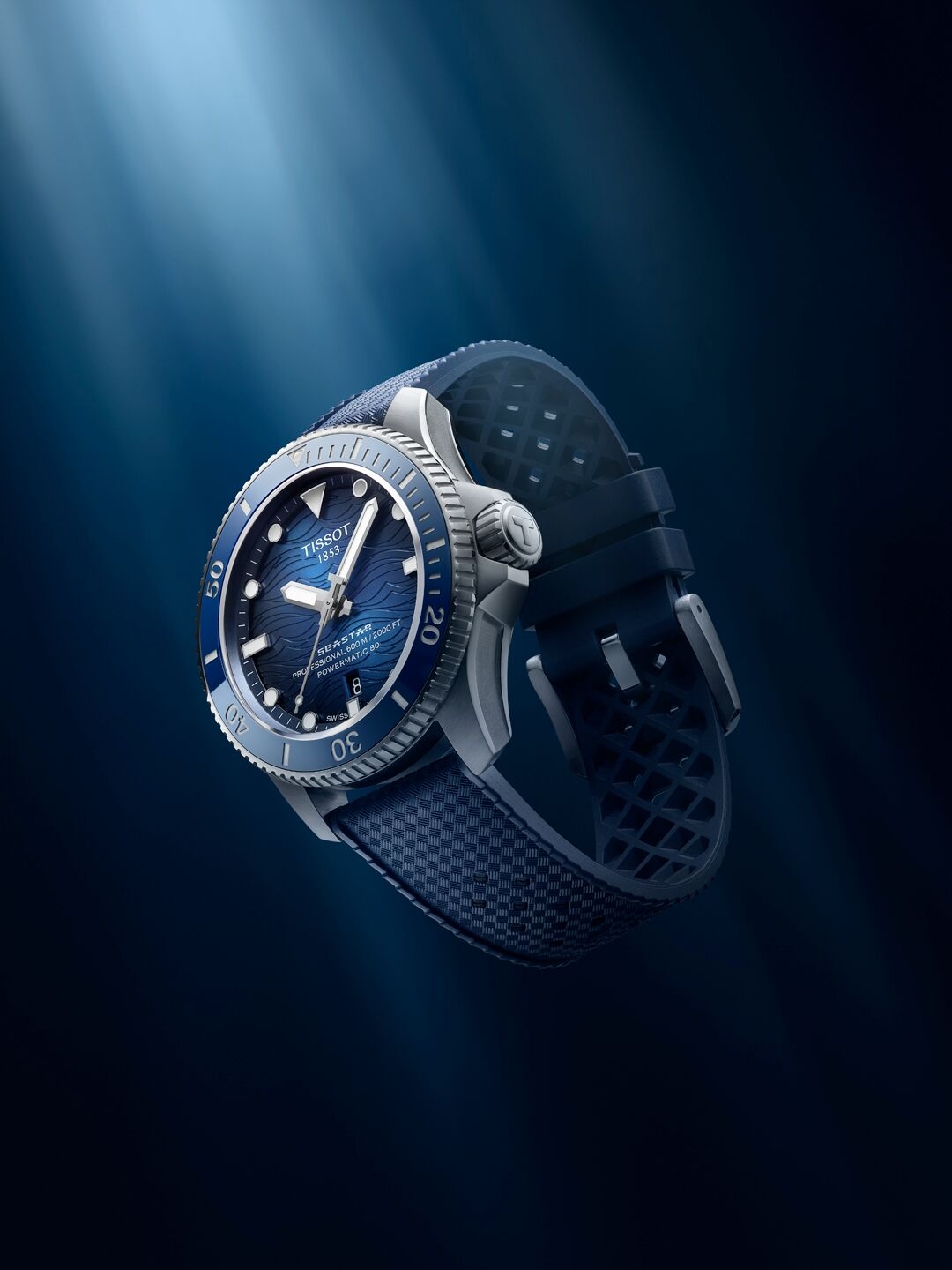
The seconds hand had actually been attempted much earlier, with a handful of watchmakers experimenting with the concept in the late 16th century. But again, there was a problem. The watches simply were not accurate enough for the indication to be especially meaningful. By the 1690s, however, improved movements were beginning to feature a fourth wheel dedicated to driving the seconds hand. Most early seconds hands appeared in a separate sub-dial, generally positioned at six o’clock. The reason was mechanical rather than aesthetic. Watch movements of the period were vertically structured, leaving the fourth wheel positioned away from the centre. Putting the seconds indication directly in the middle would therefore require additional gearing and considerably more engineering. For a while, small seconds was the sensible solution.
Why Did Anyone Need Seconds Anyway?
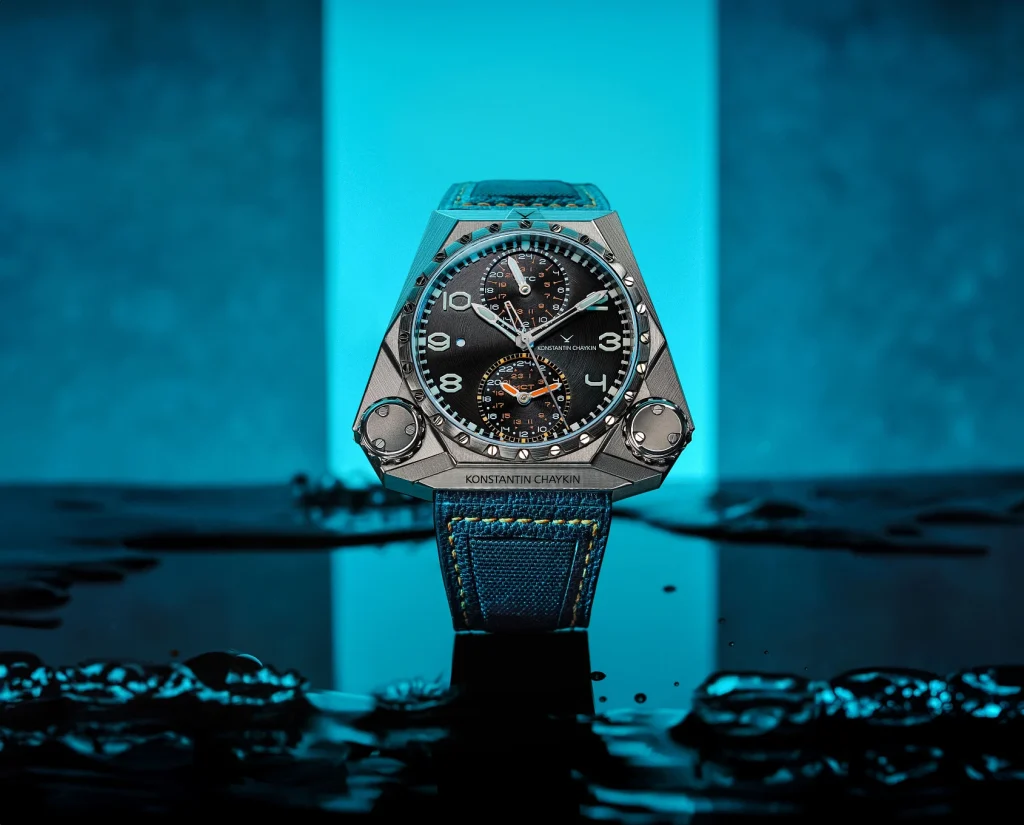
The answer begins with astronomy. Seconds were originally much more important to scientists than ordinary people. Astronomers needed increasingly precise measurements to observe celestial events and divide the mean solar day into smaller units. The modern definition of a day gives us 86,400 seconds, although the history of how that division developed stretches back through astronomical timekeeping. Even the word itself gives away its origins. “Second” comes from the Latin pars minuta secunda, meaning the “second small part” — essentially the second division of the hour after the minute. But once accurate seconds became available, their usefulness spread rapidly beyond astronomy. Sport needed them. Science needed them. Navigation needed them. Industry needed them. And, eventually, humans discovered that they could use them to argue about who was faster.
Omega Solved The Central Seconds Problem
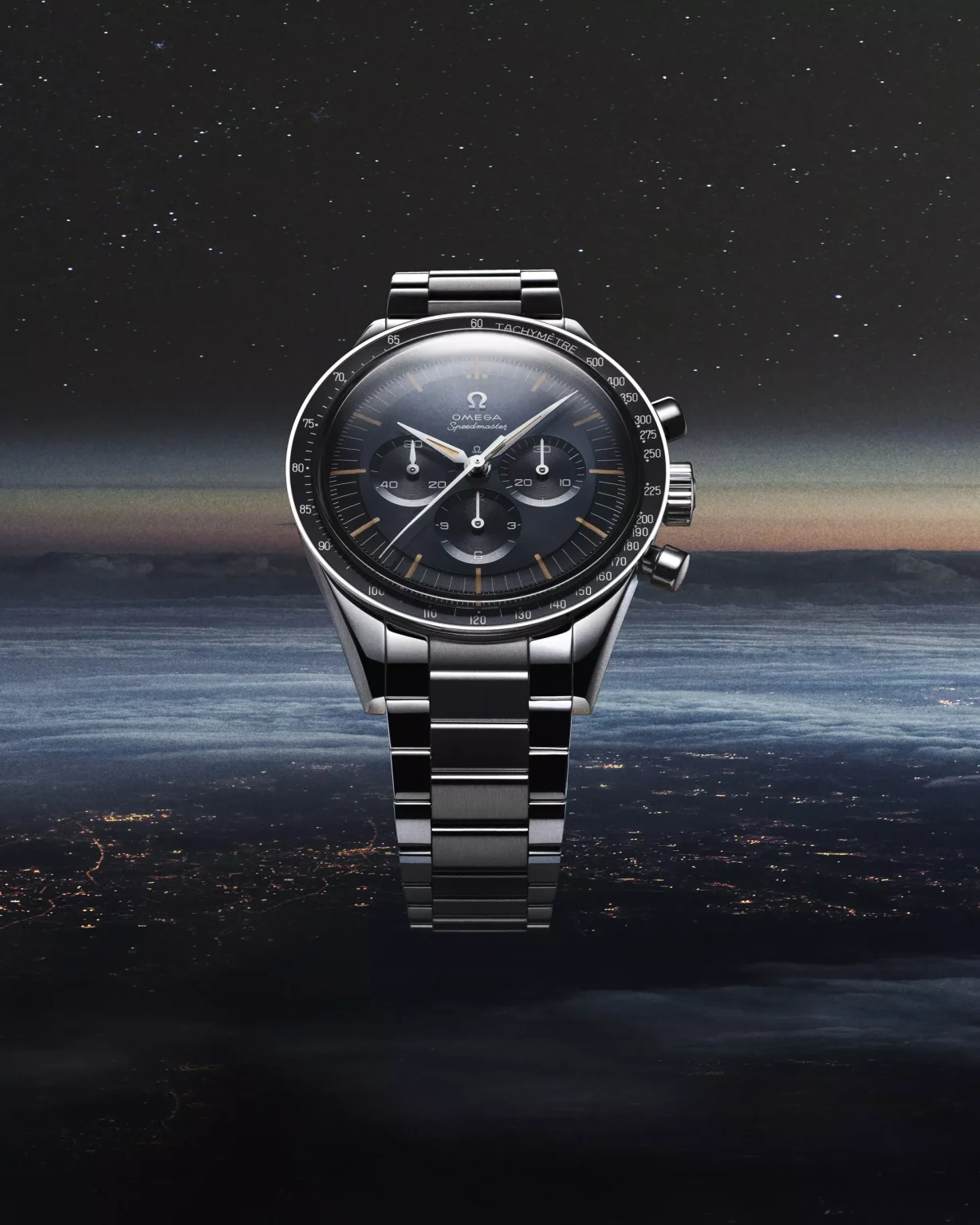
For decades, placing the seconds hand in the centre of a watch required additional gears and bridges to redirect power from the fourth wheel. The solution worked, but it added thickness and reduced efficiency. It could also produce an undesirable flutter, causing the seconds hand to move with an uneven appearance. Omega changed the equation with its calibre 30T2 SC in 1939. The movement introduced a directly driven system for central seconds, with the fourth wheel’s pinion extending directly towards the centre of the dial. A specialised hollow wheel allowed all three hands to occupy the central axis, creating a cleaner and more stable solution. It was an important development in movement architecture and helped establish central seconds as the familiar arrangement we see on countless modern wristwatches. Small seconds never disappeared, of course. Watchmakers and collectors still love it for its traditional character. But central seconds had won the everyday argument.