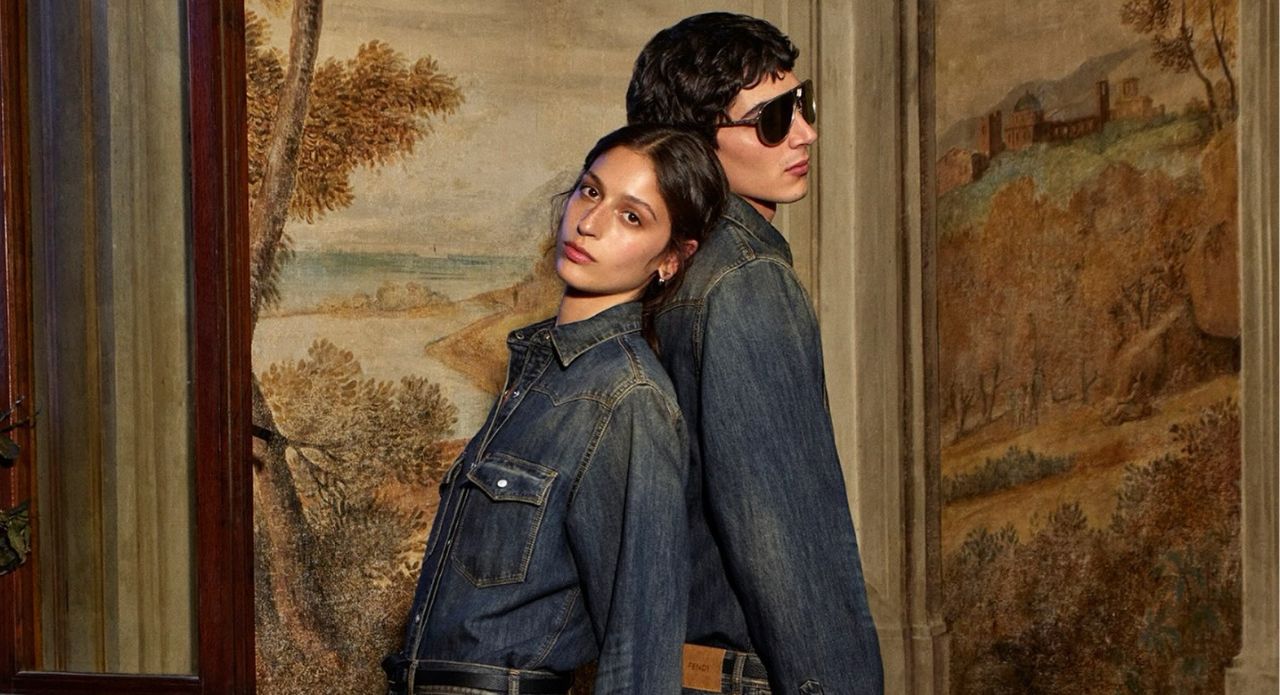


Luxury fashion has long been associated with rarity, meticulous craftsmanship and the finest materials. Today, another quality is steadily becoming just as valuable: sustainability. Fashion houses are increasingly recognising that true luxury must account not only for exceptional design but also for responsible sourcing, innovative textiles and production methods that reduce environmental impact. In an industry under growing scrutiny for its ecological footprint, material innovation has emerged as one of the most meaningful ways to reshape the future of high fashion.
Denim, one of fashion’s most enduring fabrics, is now part of that transformation. Traditionally celebrated for its durability and timeless appeal, the fabric has also been criticised for its resource-intensive production. Fendi’s latest collection responds to that challenge by introducing an unexpected natural material into luxury denim. For Fall/Winter 2026, the Italian maison has unveiled denim crafted with Bananatex, a textile made from the fibres of the Abacá banana plant. The collection demonstrates how natural resources, when paired with cutting-edge textile research and artisanal craftsmanship, can redefine one of fashion’s most iconic fabrics.
Reimagining Denim Responsibly
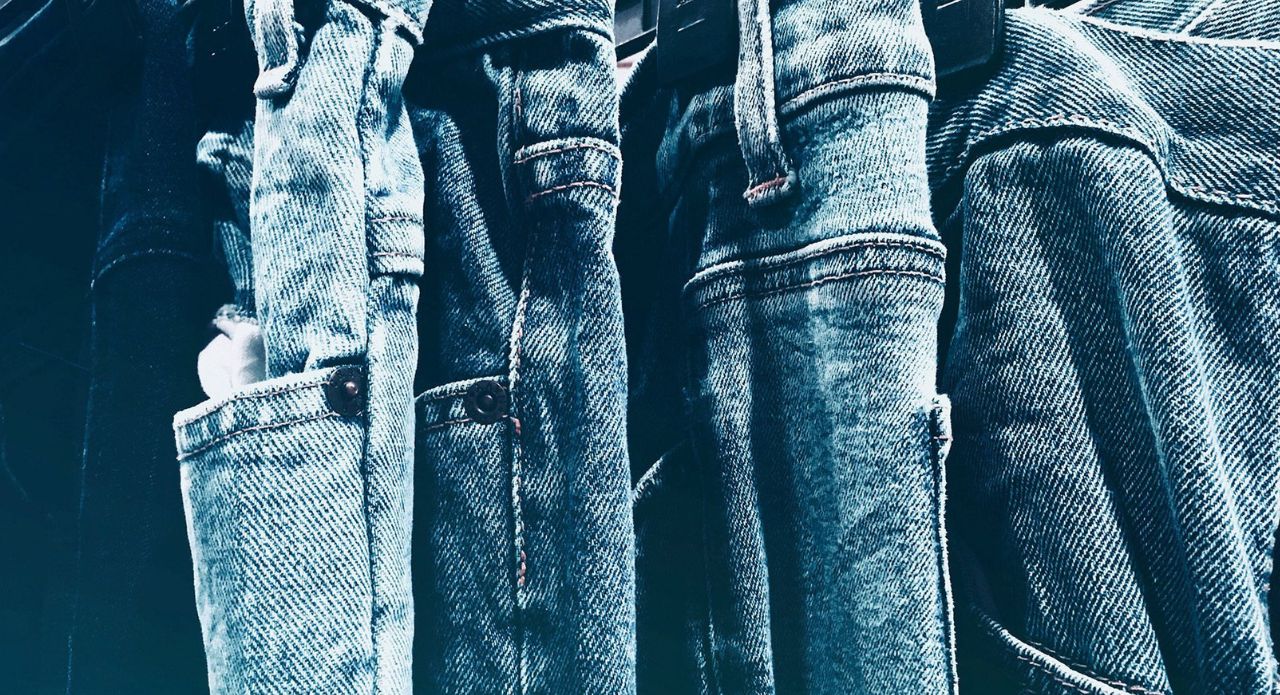
Developed in collaboration with Swiss material innovator QWSTION, Bananatex is made from the fibres of the Abacá banana plant, a species cultivated in the Philippines without pesticides or artificial irrigation. Renowned for its remarkable tensile strength and durability, the fibre has traditionally been used in ropes, paper and technical textiles. Fendi’s latest interpretation transforms this naturally resilient material into luxury denim, illustrating how agricultural fibres can be elevated into premium fashion while preserving the quality and finish expected from a heritage maison.
Also Read: Anne Hathaway And Meryl Streep Serve Street Style On The Devil Wears Prada 2 Sets
Instead of replacing cotton altogether, Fendi blends responsibly sourced cotton with Bananatex to create a fabric that retains denim’s familiar comfort while improving durability and lowering its environmental footprint. The Fall/Winter 2026 collection features relaxed jeans, structured jackets and workwear-inspired separates that preserve denim’s timeless appeal while showcasing the subtle texture and organic character of plant-derived fibres. Every piece reflects the house’s commitment to craftsmanship while embracing a more thoughtful approach to material sourcing.
Materials Shape Tomorrow
The collection arrives at a time when luxury fashion is paying closer attention to what garments are made from, not just how they are designed. Abacá is considered a regenerative crop that replenishes naturally, supports soil health and requires significantly fewer agricultural inputs than many conventional fibres, making it an increasingly attractive option for responsible textile production.
Fashion houses are investing in alternatives such as mushroom leather, algae-based textiles, recycled cashmere and other plant-derived fibres, signalling a wider shift towards next-generation materials that combine innovation with environmental responsibility. Fendi’s use of Bananatex reflects this evolving direction while demonstrating that sustainability can be integrated into luxury fashion without compromising craftsmanship or desirability.
Also Read: Fendi’s Couture Homecoming Turns Rome Into the Season’s Most Powerful Runway
For discerning consumers, the appeal extends beyond environmental credentials. Garments crafted from innovative textiles represent a new definition of luxury, one rooted in longevity, thoughtful material choices and meaningful craftsmanship. Fendi’s latest denim collection suggests that the future of premium fashion will be shaped not only by creative vision but also by the fibres that make exceptional design possible.