

Under the gaze of a golden Diana, bow drawn, the marble figures of The Met’s American Wing found themselves in unfamiliar company. Waiters in vermilion safas moved between the sculptures. Towers of crimson blooms, autumn berries and pomegranates rose above silver platters on brocade-draped tables, and a jazz ensemble played beneath the Tiffany loggia. On October 21, 2026, Sabyasachi Mukherjee brought Diwali to the Metropolitan Museum of Art, and New York came dressed for it.
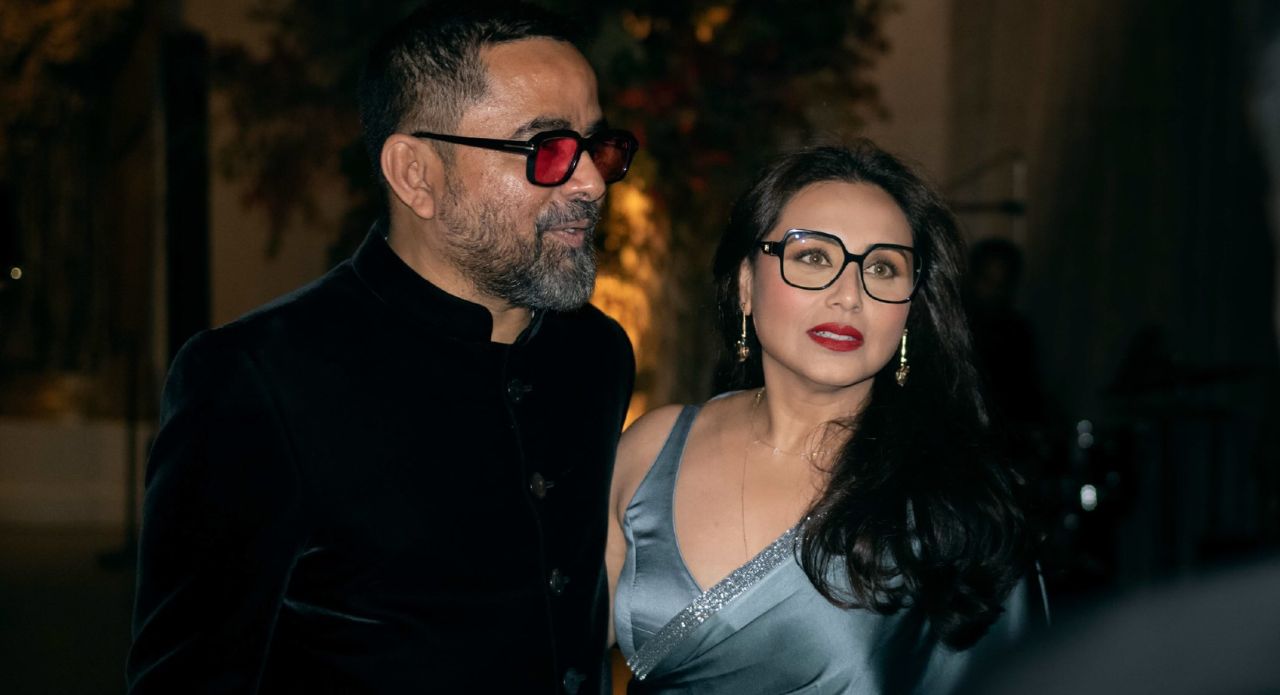
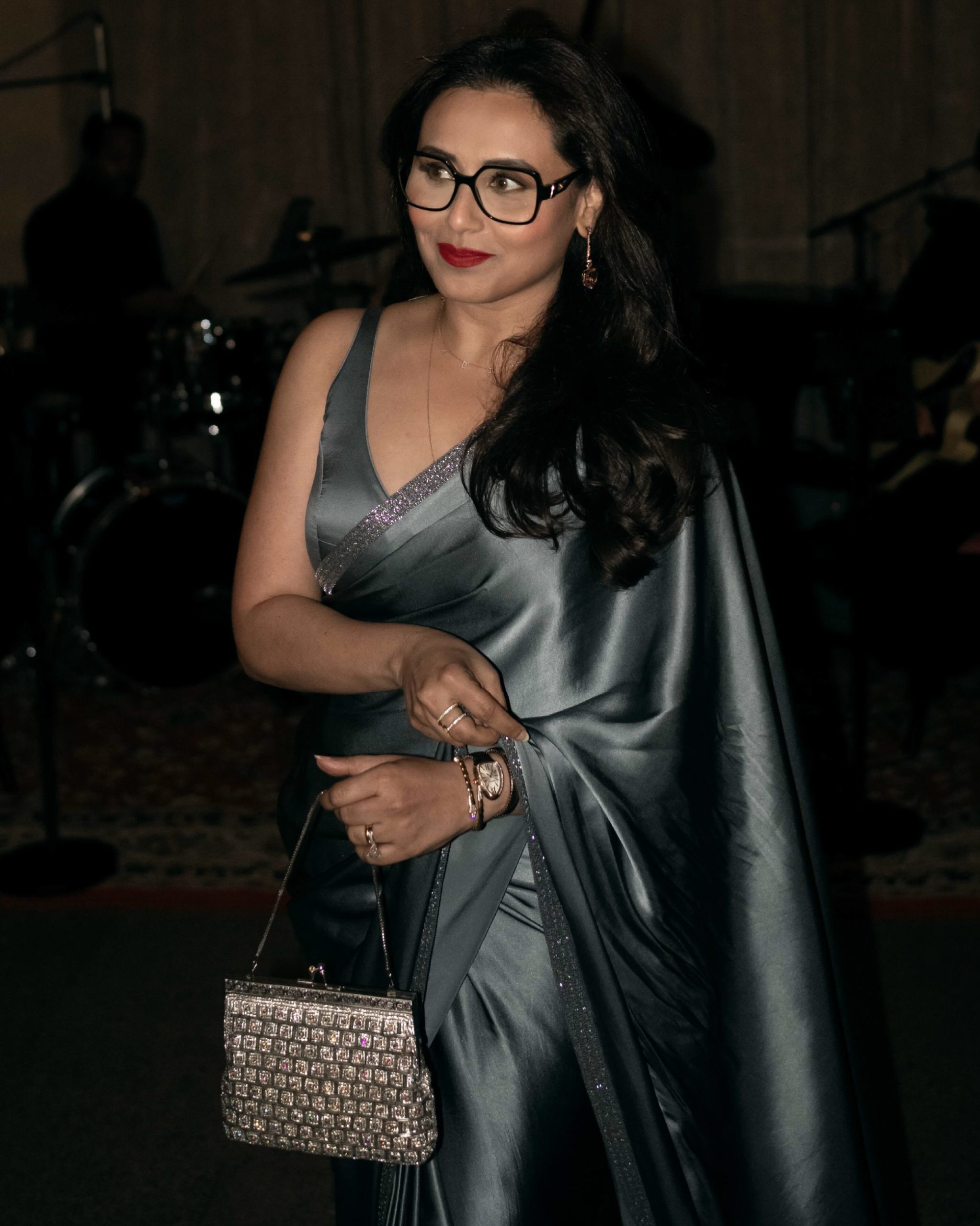
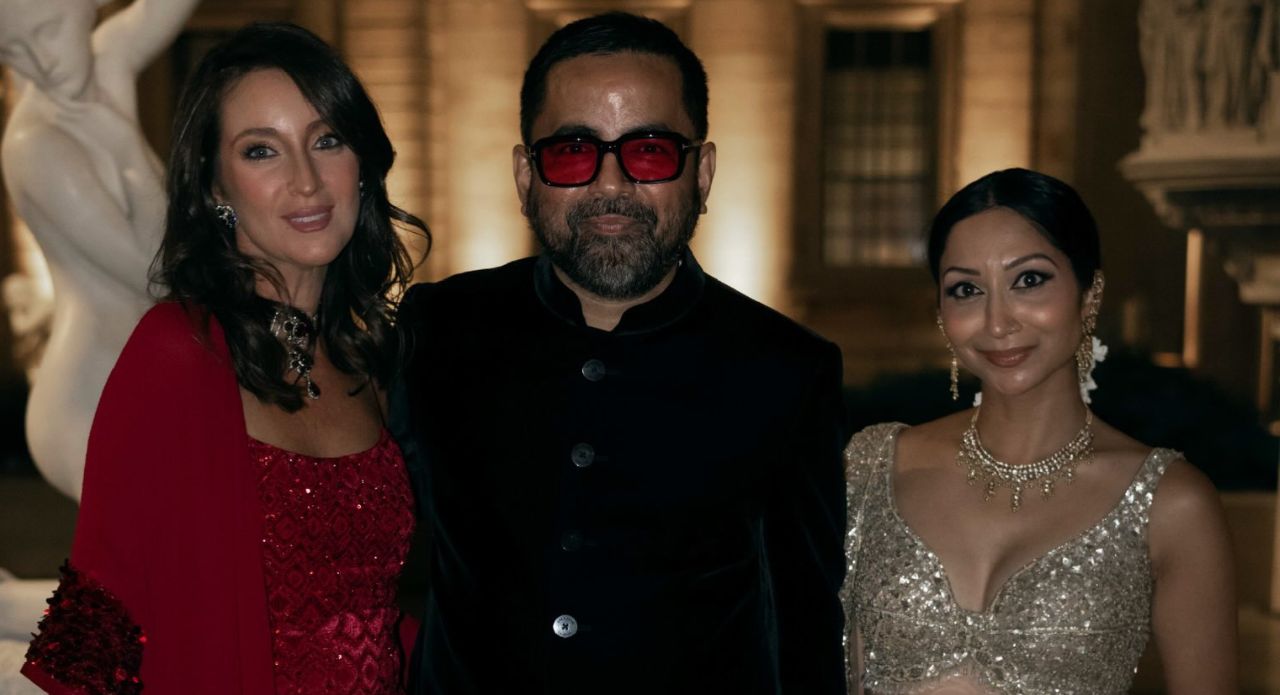
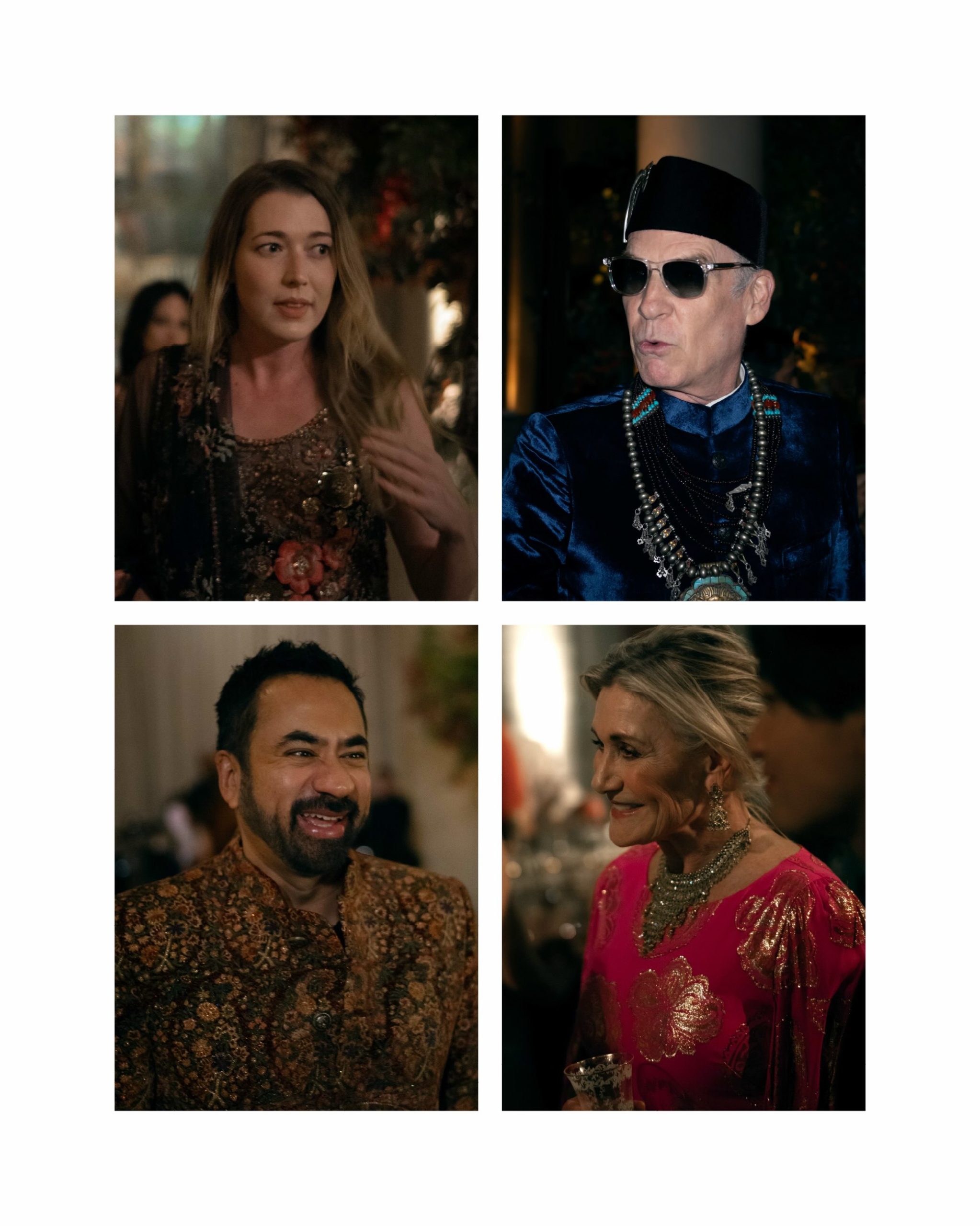
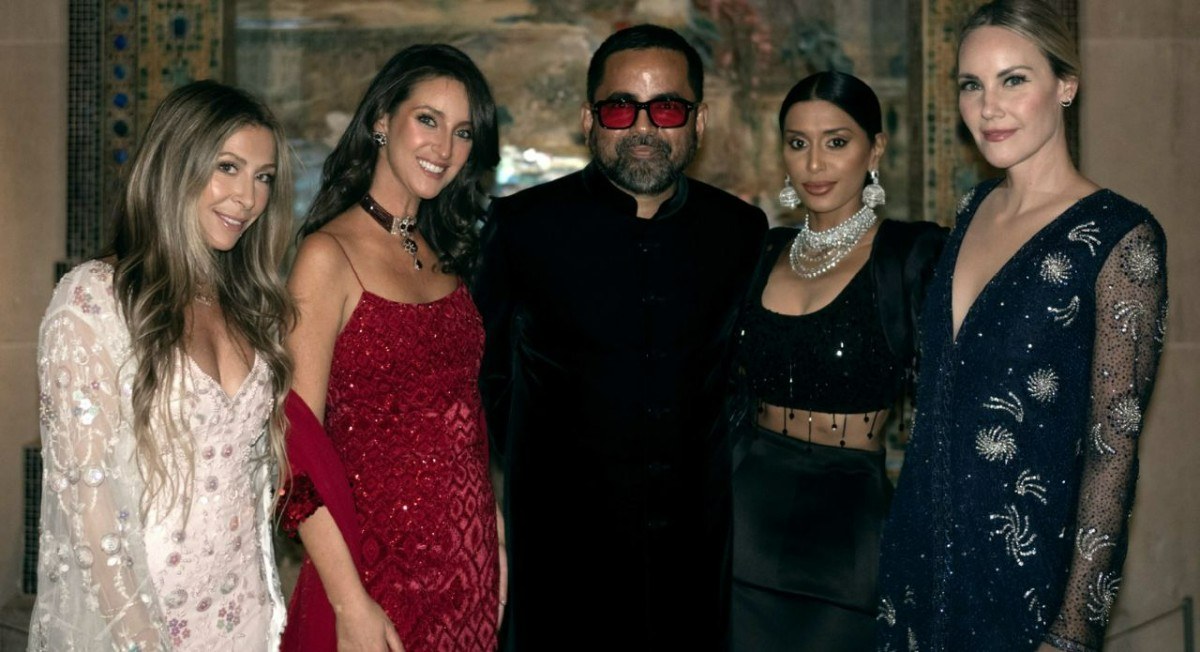
The designer, in a black velvet bandhgala and his signature red-tinted glasses, moved through a crowd drawn from fashion, film and business. Rani Mukerji chose a gunmetal satin sari edged in crystal, finished with oversized black frames and a classic red lip. Kal Penn arrived in a richly patterned brocade jacket, while Masaba Gupta and Anjula Acharia joined a guest list where lehengas and velvet mingled with sequins and Western couture. Indian celebration, in all its craft and colour, looked entirely at home on one of the world’s grandest stages.
Indian Couture In Focus
The evening’s fashion choices reflected how Indian occasion wear can evolve while retaining its cultural references. Rani Mukerji opted for a fluid metallic-grey satin saree, paired with a matching sleeveless blouse. Oversized black glasses and a silver embellished mini bag added a contemporary edge, allowing the lustrous fabric and elegant drape to remain the focus.
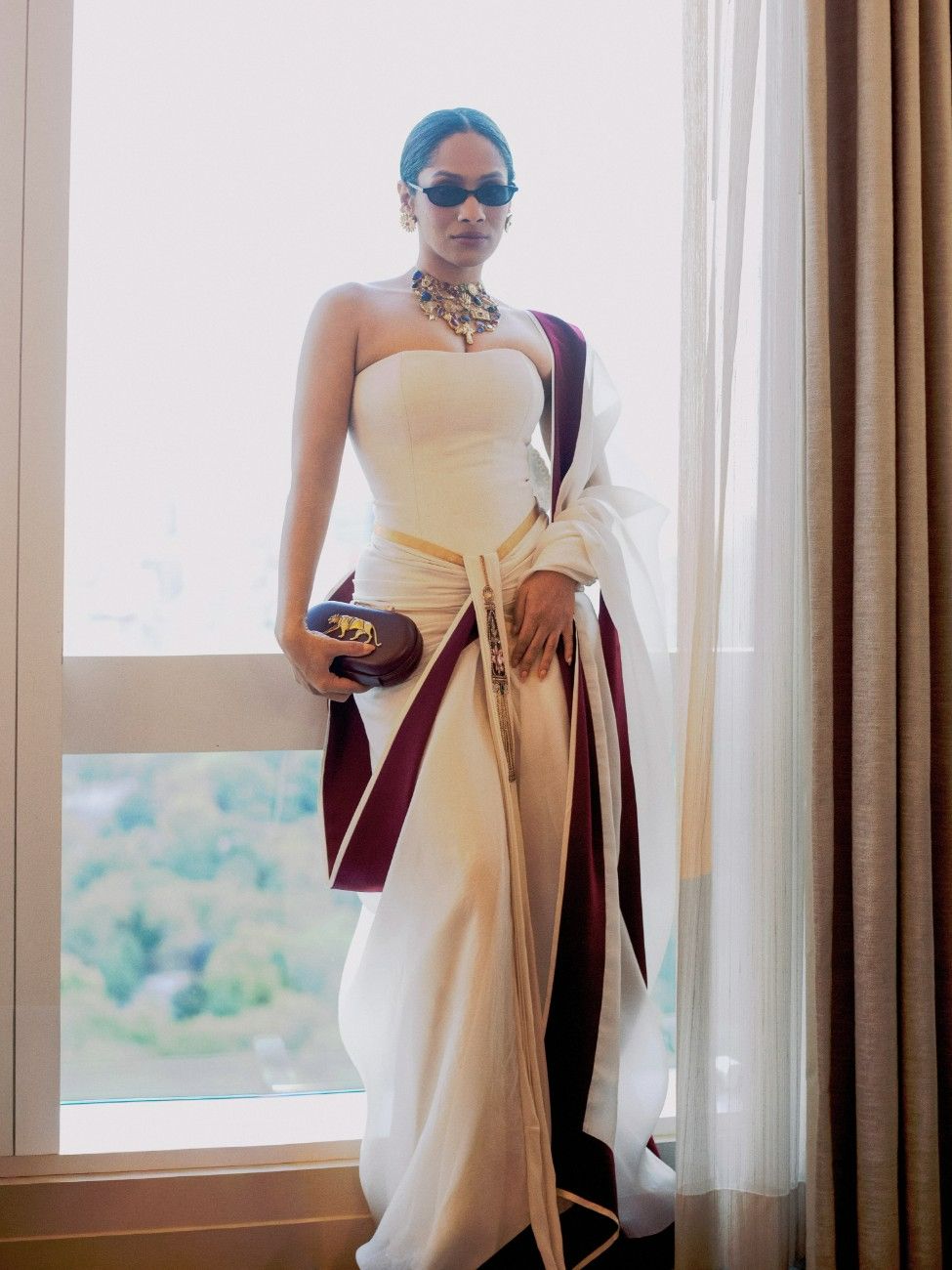
Masaba Gupta approached festive dressing with a sculptural white ensemble featuring a structured corset and a draped skirt-saree silhouette. A striking red border recalled the traditional Bengali ‘laal paar shada saree’, while a multicoloured statement necklace and a maroon Sabyasachi clutch completed the look. The contrast between ivory and crimson brought a familiar festive palette into a modern silhouette.
Also Read: Sabyasachi’s New York Fashion Week Return Blends Indian Heritage With American Style
Sabyasachi kept his own look classic, wearing a black bandhgala jacket with ivory trousers. His signature aesthetic, shaped by Indian craftsmanship, heritage influences and vintage-inspired detailing, complemented the evening’s emphasis on cultural expression.
A Festive Setting At The Met
The decor carried the celebration beyond the wardrobe. Floral arrangements, cascading pomegranates and rich autumnal hues created a setting inspired by the abundance associated with Diwali. A peacock installation added another reference to Indian artistic traditions, bringing the designer’s opulent visual language into the museum setting.
Food formed another focal point of the evening. Reports described an elaborate 16-foot grazing table beneath the museum’s American Wing, featuring international delicacies alongside traditional Indian mithai. The spread reflected the celebration’s broader theme of bringing different culinary and cultural traditions together.
Indian Heritage on Global Stage
The choice of venue gave the celebration an added dimension. The Metropolitan Museum of Art is internationally recognised for its extensive art collections and its association with the annual Met Gala. Against this backdrop, the Diwali celebrations in New York offered an opportunity to bring Indian festive traditions into a wider cultural conversation.
Also Read: Aishwarya Rai Bachchan’s Burgundy Hair: Six Festive Hair Colours to Try This Season
The gathering also highlighted the growing visibility of Indian luxury and design in international markets. Sabyasachi’s approach to fashion draws on traditional craftsmanship, historical influences and Indian artistic practices, translating these references into contemporary creations. His presence at The Met placed these design sensibilities within a global cultural setting.
As a showcase of Indian culture in New York, the evening brought together festive dressing, decorative elements and culinary traditions. It also reflected how Indian Diwali traditions can be presented to international audiences without losing their cultural significance. Through this celebration, Sabyasachi connected the spirit of the festival with his wider design philosophy, placing Indian heritage at the centre of a global gathering.