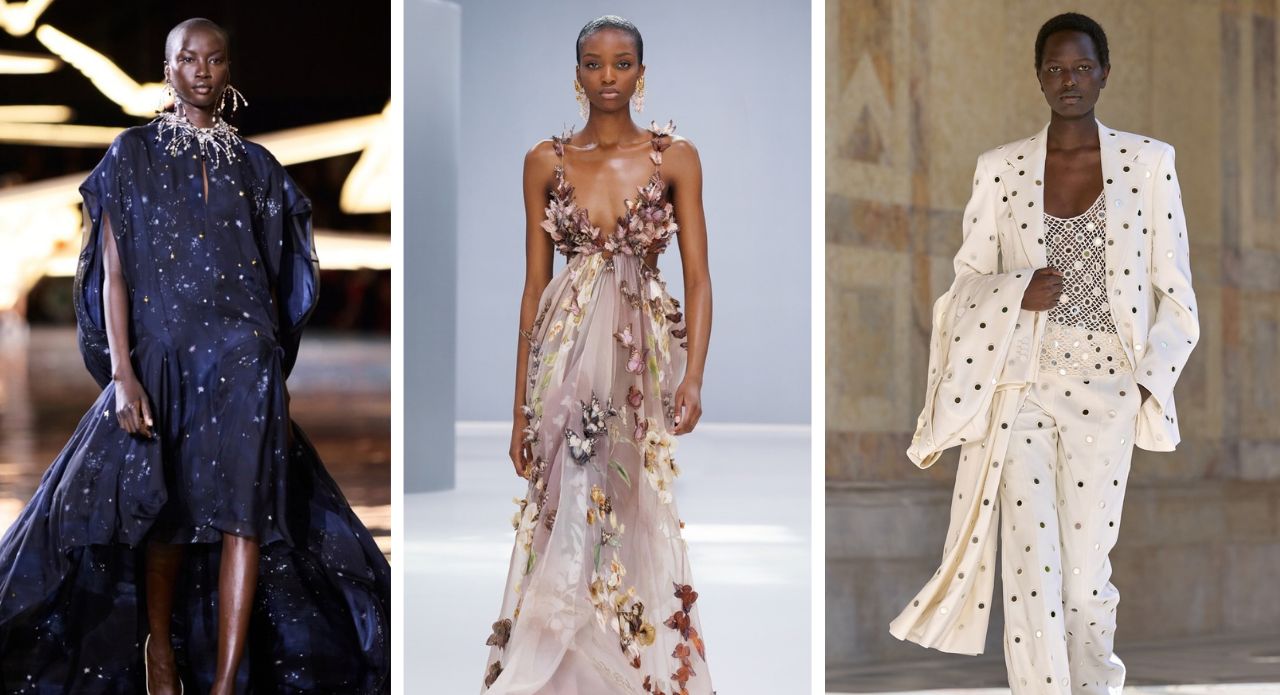


Ask anyone in fashion to name where luxury comes from, and they will reach for the same four cities without pausing to think, an instinct so automatic it has gone entirely unexamined for a century. That instinct is now wrong, or at least incomplete, because some of the most inventive design work happening right now is coming from places nobody thought to ask.
Paris, Milan, London and New York built their authority the old-fashioned way, through decades of trade fairs, ateliers, buyers and press that all converged on the same four addresses until convergence itself became the definition of relevance. A designer without a show in one of those cities was, by the industry’s own logic, not really a designer at all. Fifteen names now working from Jaipur to Hong Kong, Beirut to Botswana, are quietly making that logic obsolete.
Old Skills, New Language
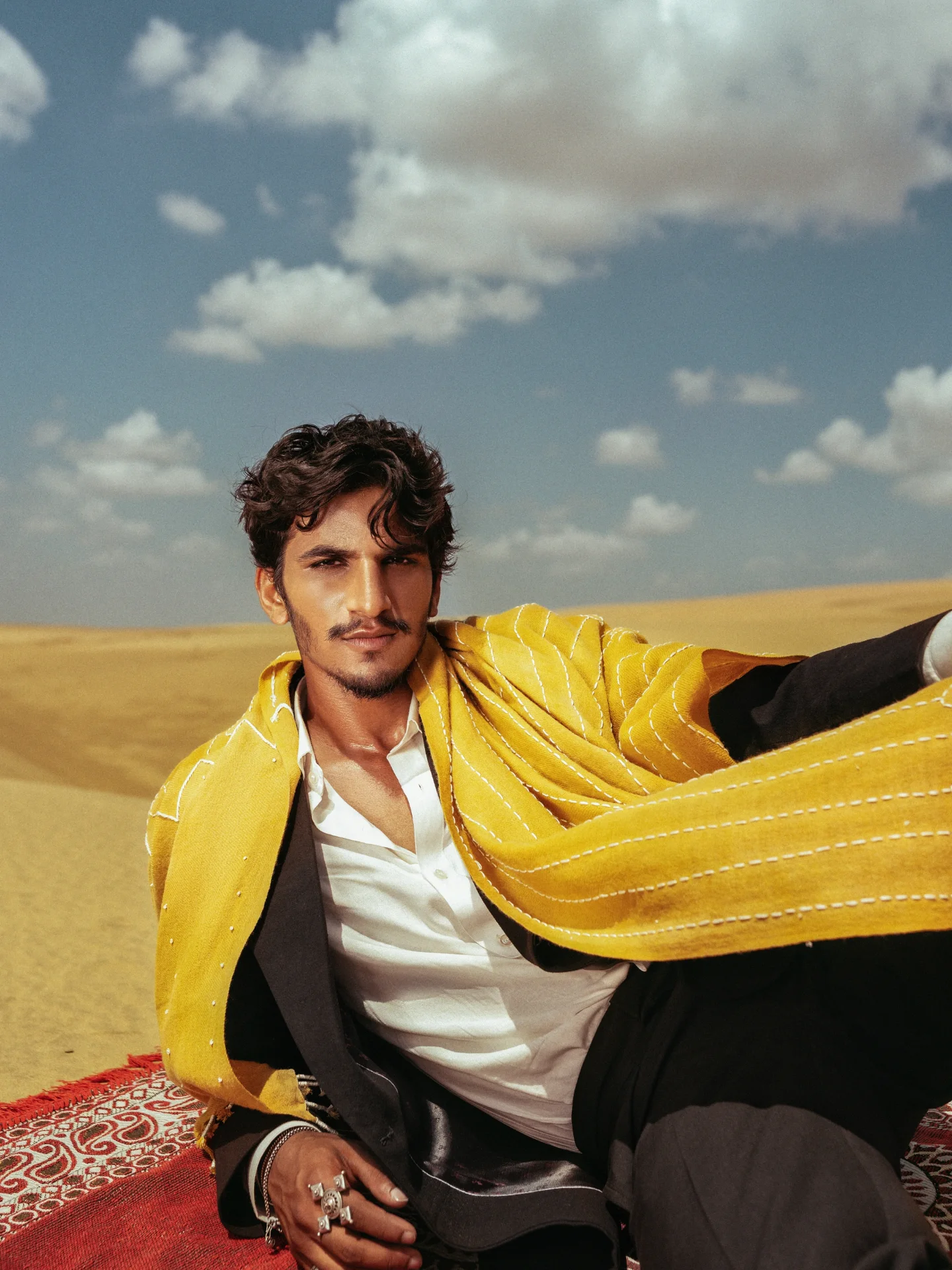
India’s Ghani Khamma is leading this shift at home, translating regional embroidery and textile traditions into silhouettes built for a contemporary wardrobe rather than an archive. The label’s proposition goes beyond simply putting traditional craft on contemporary clothing. It treats craftsmanship as a form of cultural knowledge and discernment, with an intentionally understated aesthetic that values irregularity, handwork and the stories embedded in what is worn
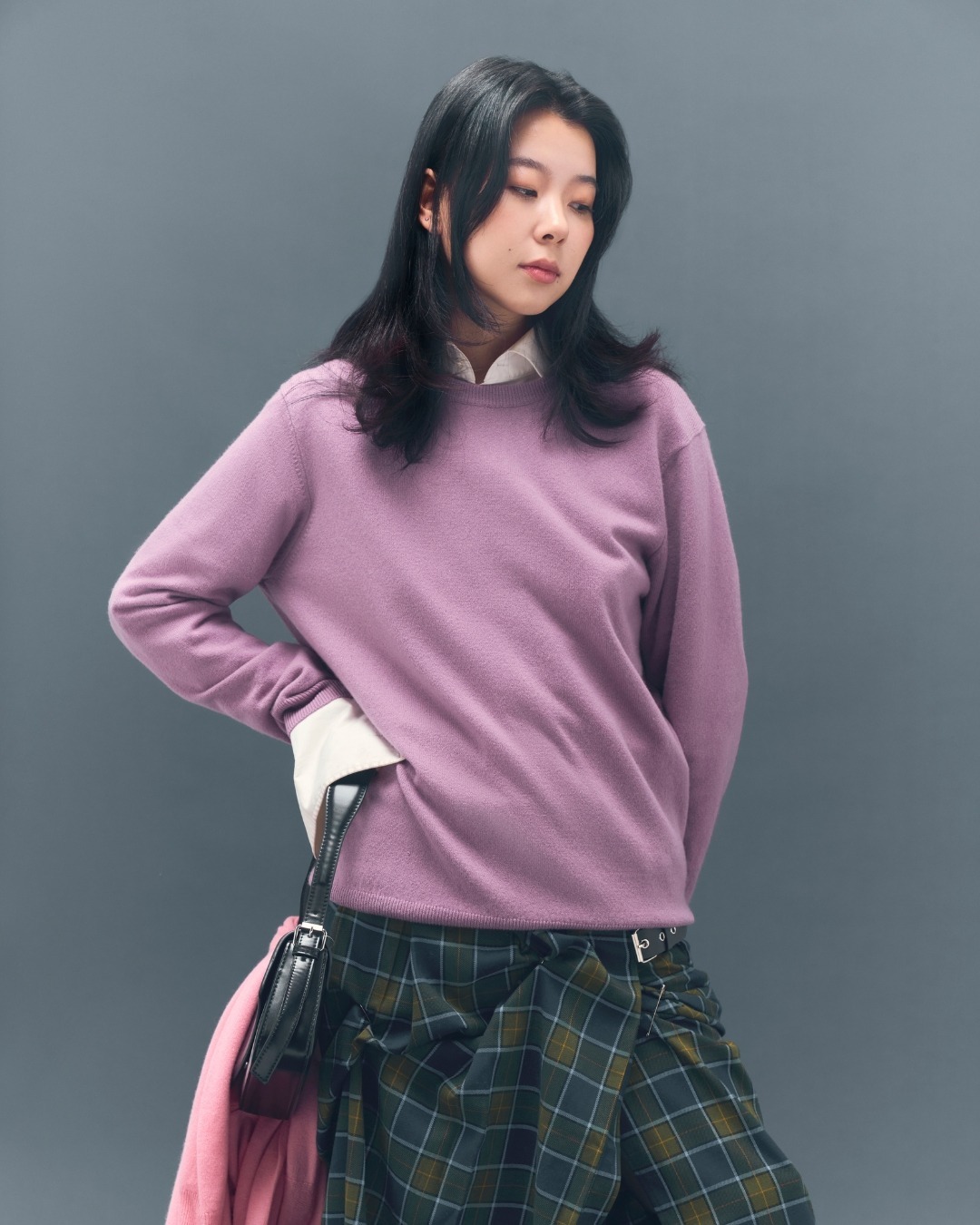
In Mongolia, GOBI Cashmere is doing something similar with fibre instead of thread, turning a centuries-old pastoral economy into a serious name among emerging luxury designers. The company works across the production chain in Mongolia, taking the fibre from raw cashmere to finished garment, while its story remains closely tied to the country’s herders, landscape and generations of expertise.
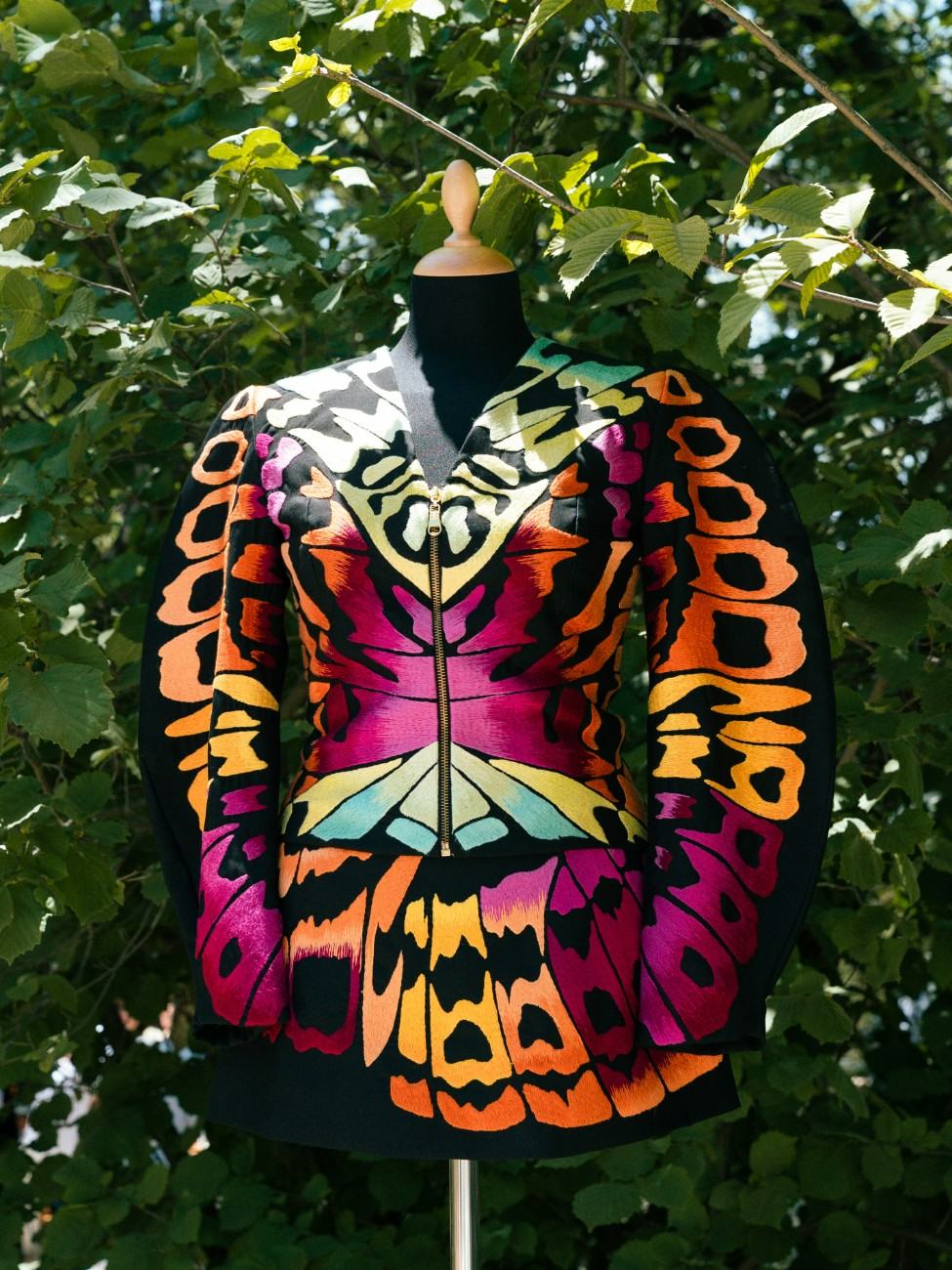
Lebanon’s Salim Azzam works from a comparable instinct, sourcing raw materials and tailoring techniques from artisans he trained under himself. Based in Lebanon’s Chouf region, the designer works with local women artisans whose embroidery transforms stories of village life, nature and Lebanese heritage into contemporary garments. Flowers, birds, herbs and other motifs become hand-stitched fragments of memory, giving the clothes a sense of place that mass-produced luxury simply cannot replicate.
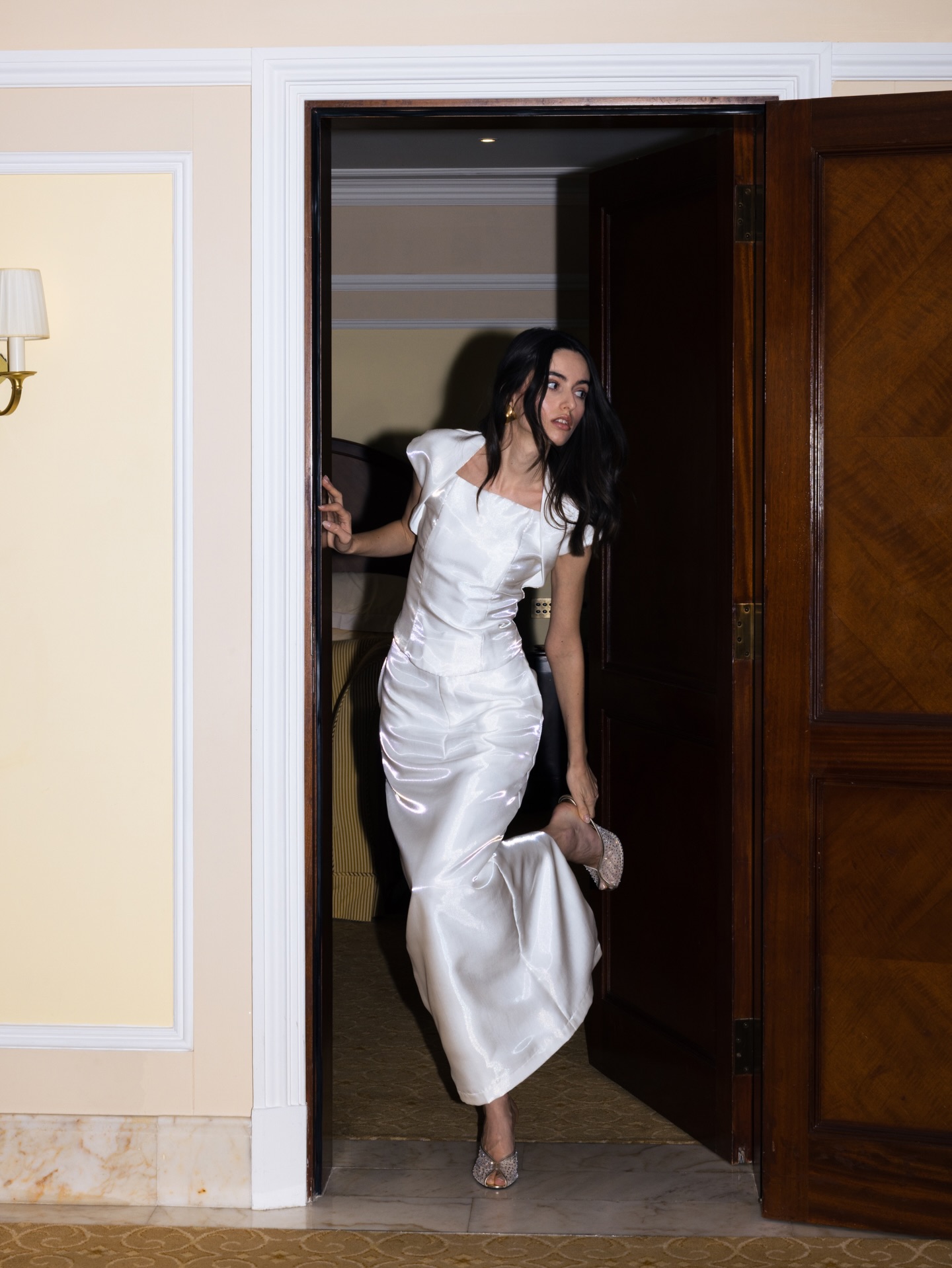
Kuwait’s Manal Smaoui rounds out this group, weaving Gulf craft traditions into eveningwear that reads as unmistakably modern. Its ready-to-wear collections focus on clean silhouettes, carefully constructed separates, dresses, blazers and kaftans designed to move between work, everyday dressing and more formal occasions.
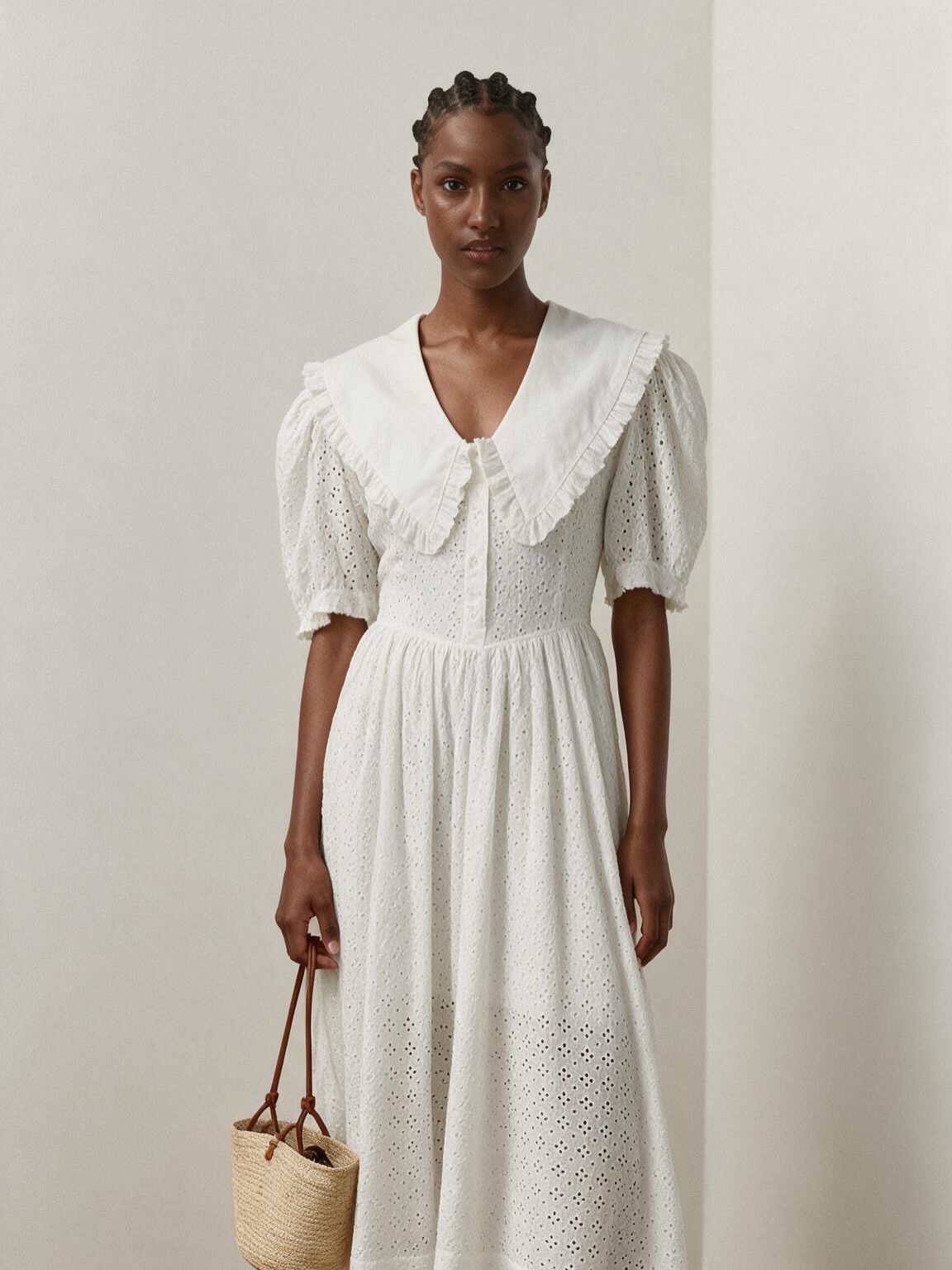
South Africa’s Sindiso Khumalo brings a similar conviction to print and textile work, drawing on West African design history and hand embroidery to build pieces that carry a clear social and cultural point of view.
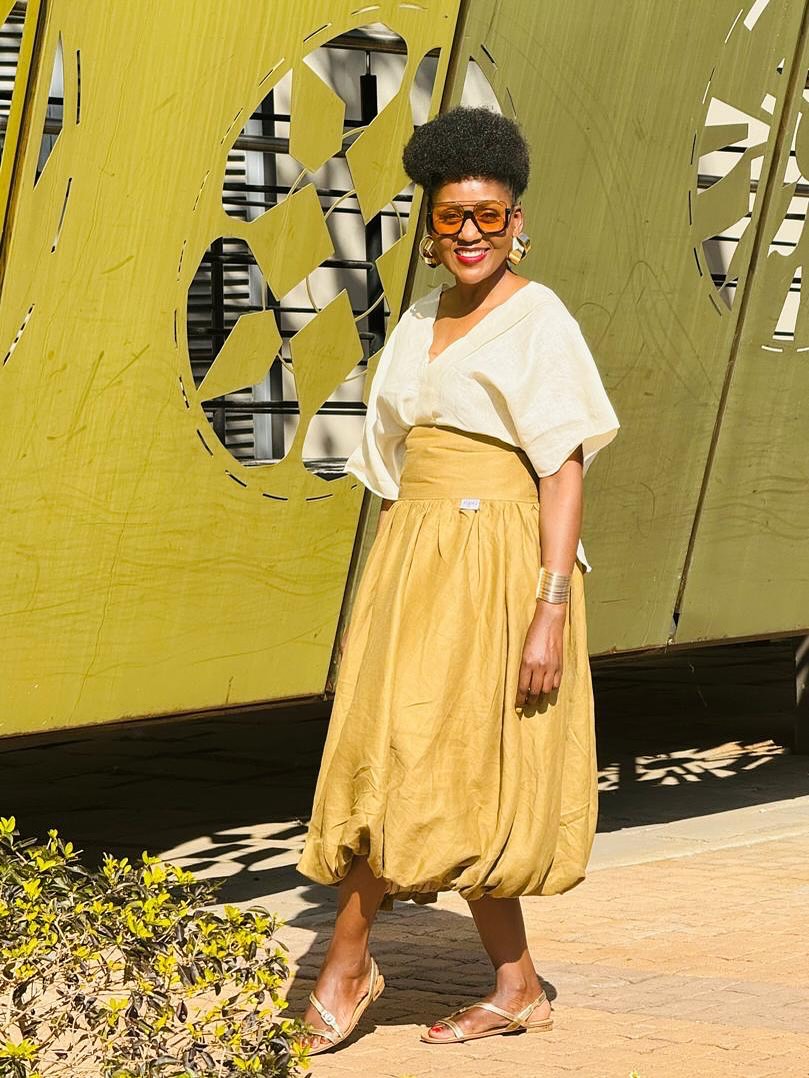
Founded in Taiwan by Liu Hsu Hua, 01 WOOMIN builds its aesthetic around minimalism, pragmatism and deconstruction. Instead of relying on loud embellishment, the label lets fabric, drape and precise tailoring do the talking, using Japanese natural fibres and Italian wool to create fluid, sculptural silhouettes. Its approach to pleating, gathering and reconstructed forms gives otherwise pared-back clothing an architectural quality.
Small Studios Big Ambition
Elsewhere, the story is less about preservation and more about provocation.
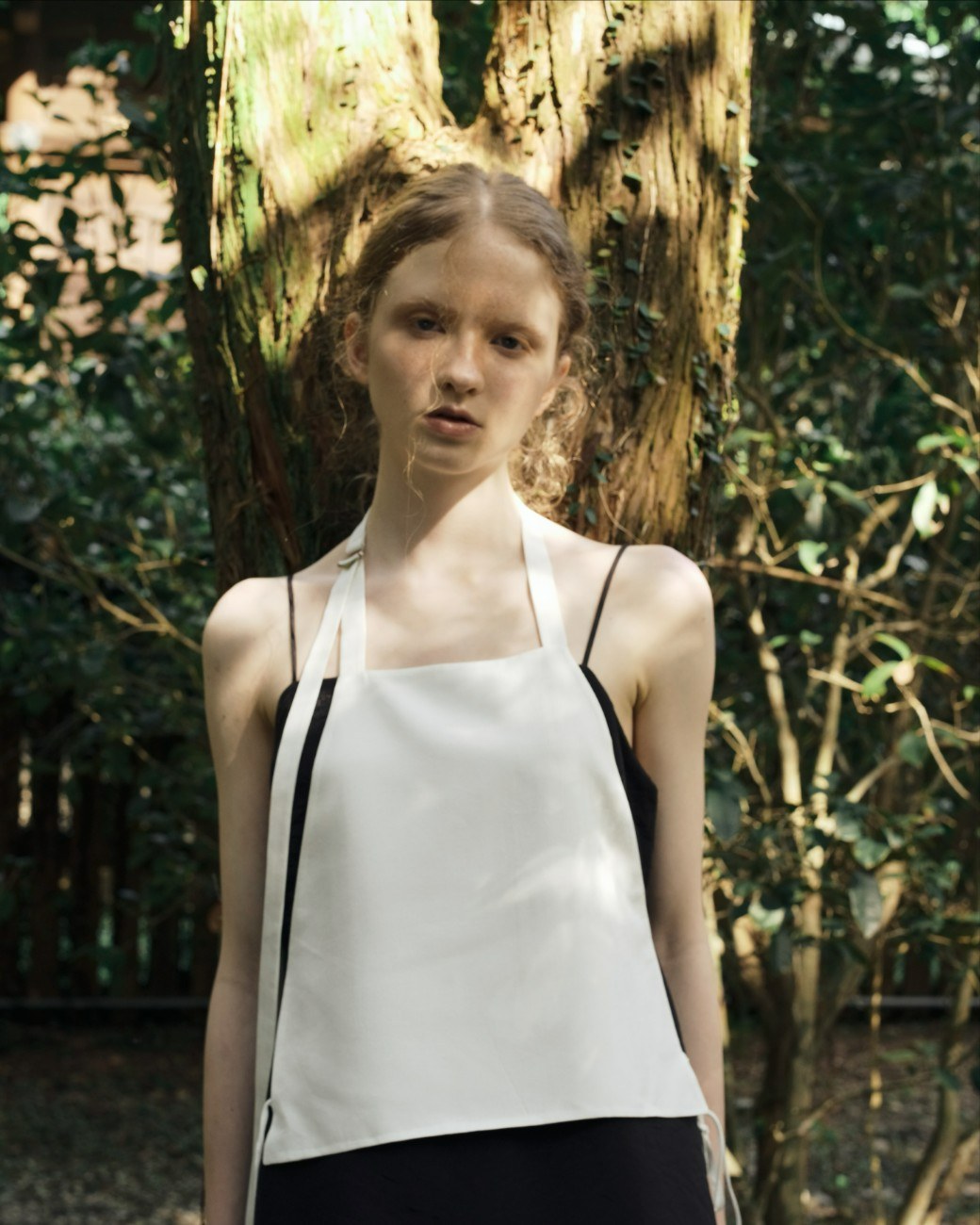
Founded in Taiwan by Liu Hsu Hua, 01 WOOMIN builds its aesthetic around minimalism, pragmatism and deconstruction. Instead of relying on loud embellishment, the label lets fabric, drape and precise tailoring do the talking, using Japanese natural fibres and Italian wool to create fluid, sculptural silhouettes. Its approach to pleating, gathering and reconstructed forms gives otherwise pared-back clothing an architectural quality.
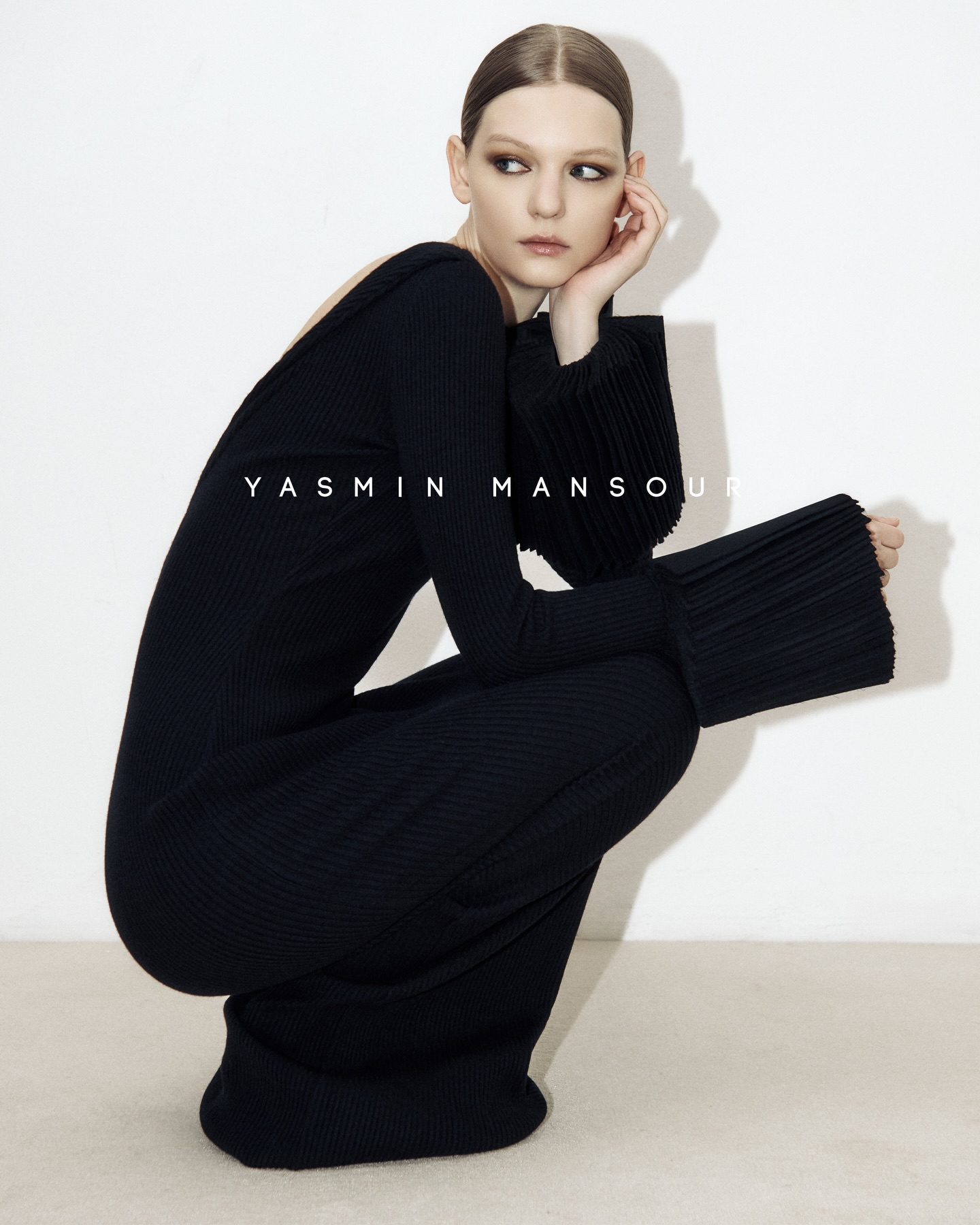
Founded in Qatar in 2014, Yasmin Mansour builds clothes around the meeting point of architecture, art and traditional craftsmanship. Sculptural silhouettes, intricate pleating, texture and structure give the label’s pieces an almost architectural quality, while its commitment to artisanal techniques and sustainability keeps the work grounded in craft. It is fashion designed to occupy space, rather than simply dress the body.
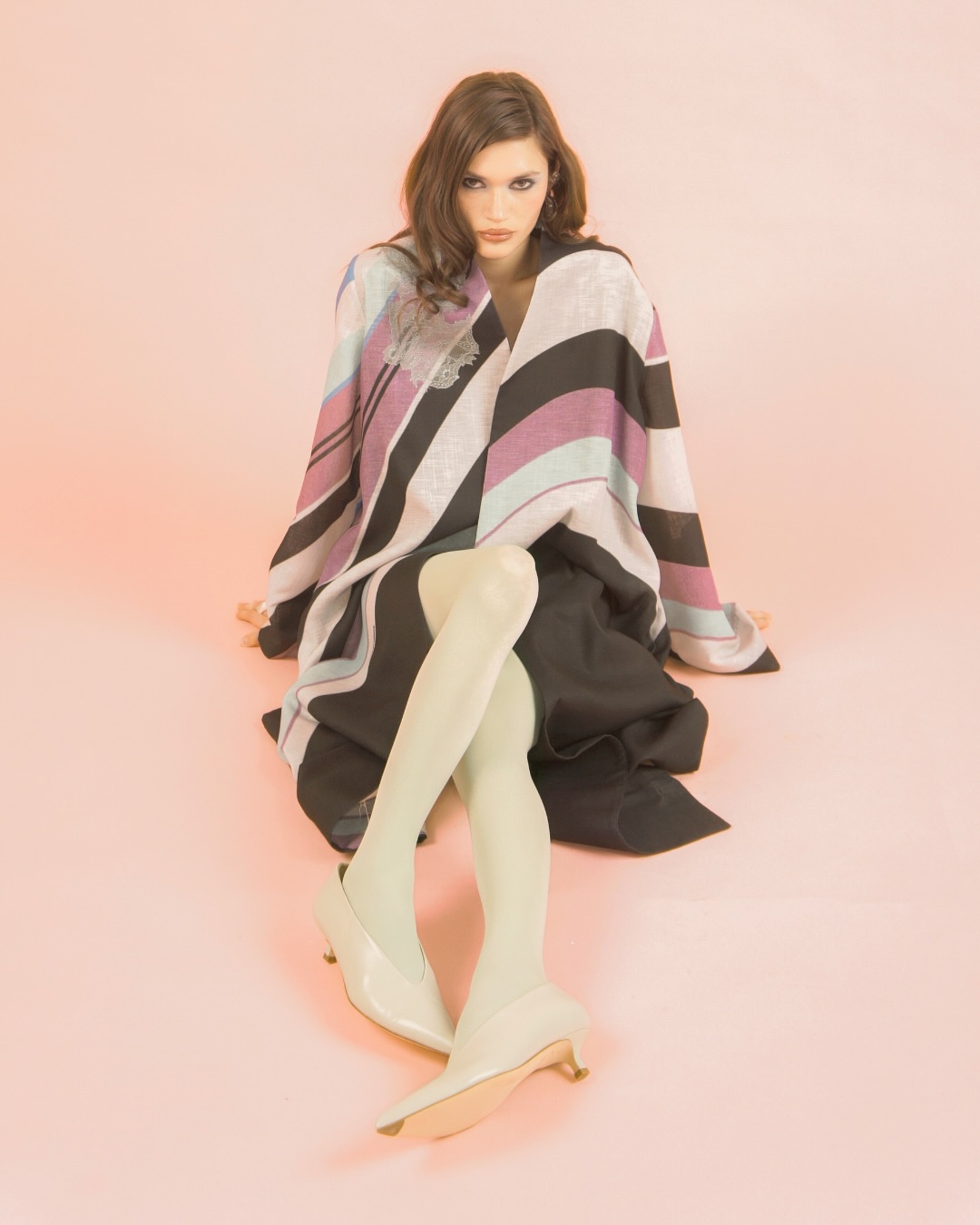
1309 Studios, founded by Ghada Al Subaey in Qatar in 2015, has developed a contemporary take on modest dressing that feels distinctly rooted in its surroundings. Fluid silhouettes, bold colours and artful prints form its signature, with recurring collaborations with Arab artists turning prints into an important part of the brand’s identity. The result is ready-to-wear and abaya dressing that feels expressive, feminine and unmistakably connected to Qatar.
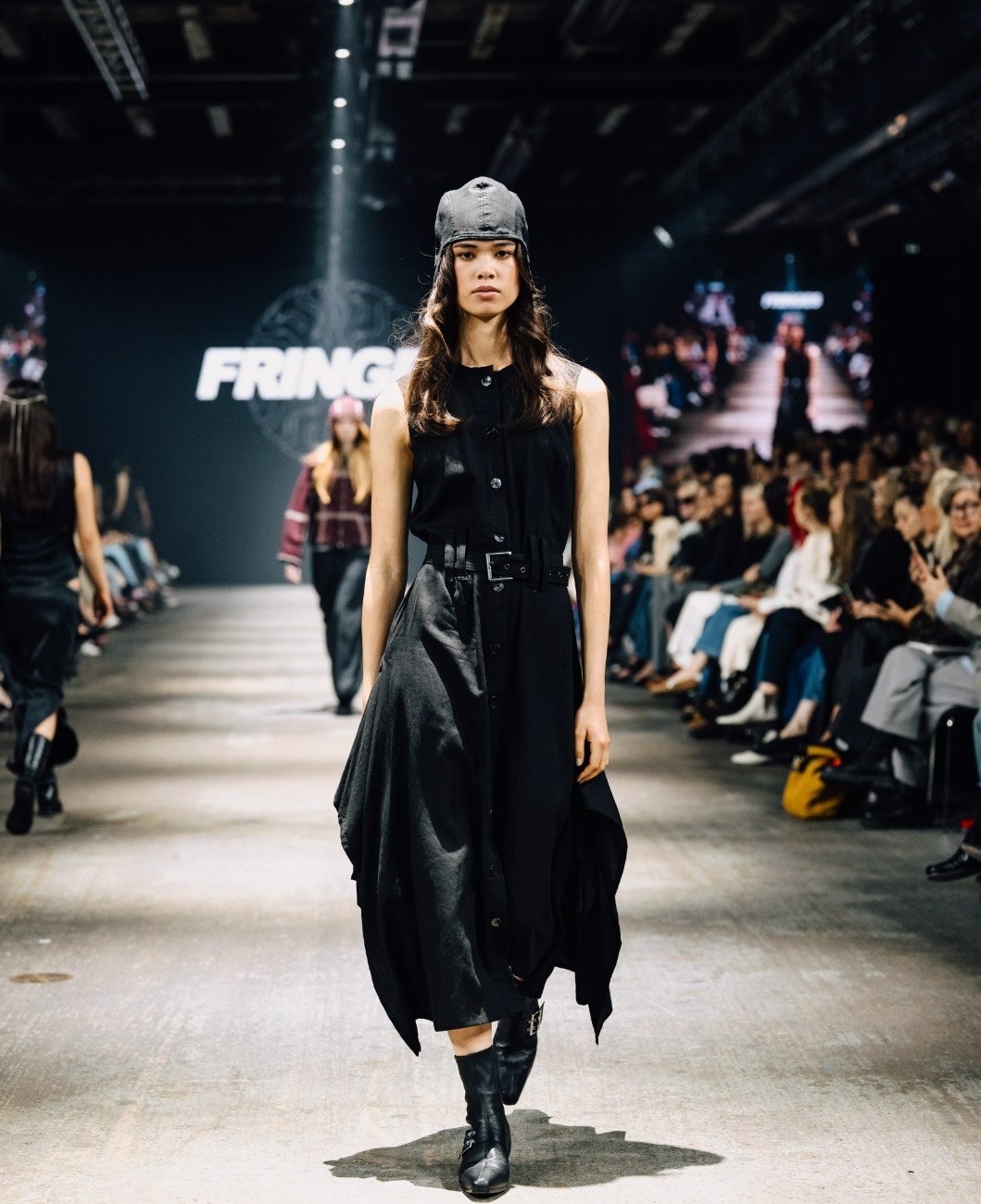
New Zealand’s Fringes Garments brings an unexpected geography into the mix entirely. Finn Mora-Hill’s Fringes takes familiar workwear codes and turns them into something far more personal. The New Zealand label explores texture, individuality and the realities of a younger generation through slow-fashion techniques and unconventional construction.
Also Read: Is Maximalism Back in Luxury Fashion? Maheka Mirpuri on the New Rules of Luxury
Its work is particularly playful about the idea of what clothing should do: one recent suit famously used around 6,000 buttons and took a month to make.
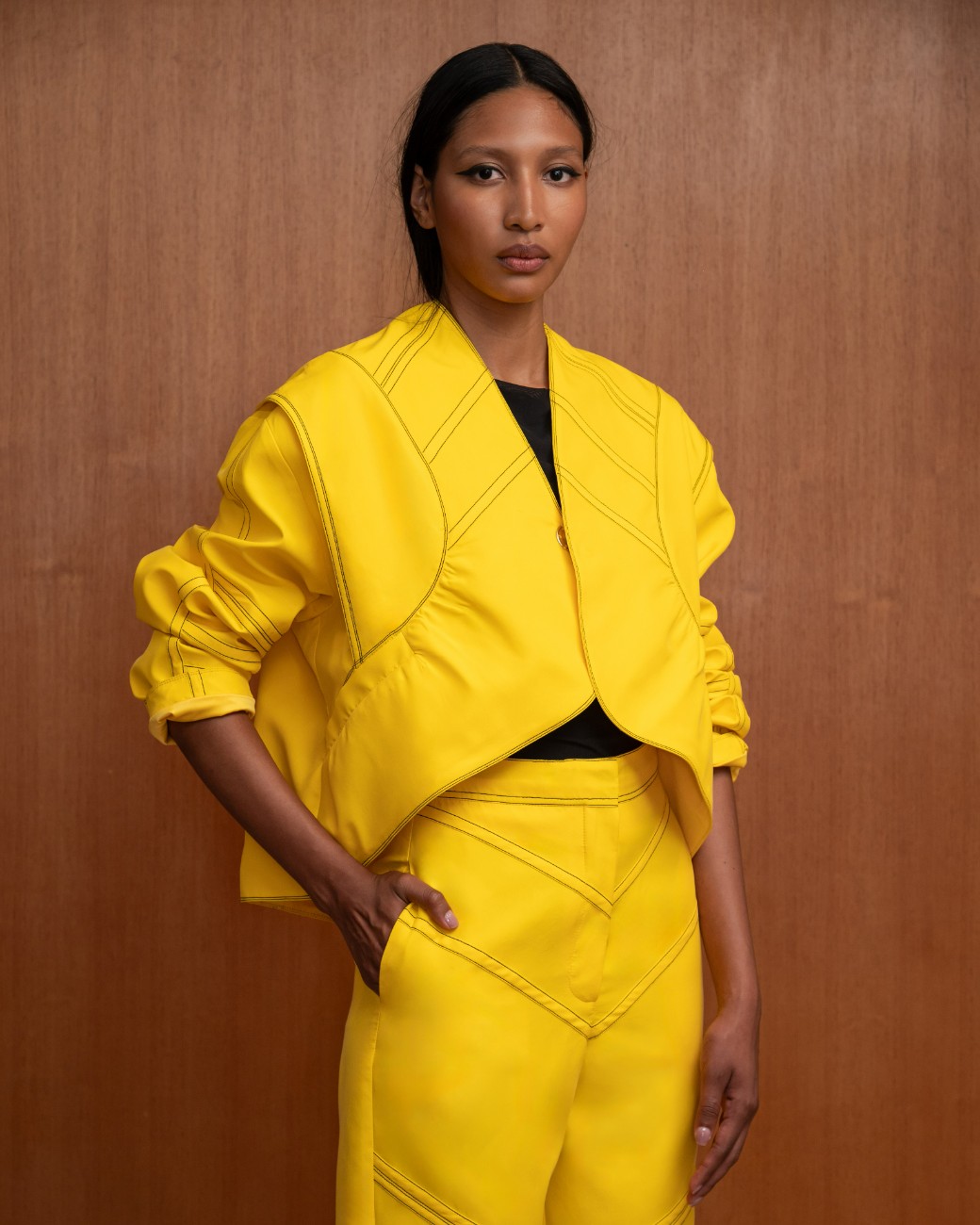
Mexico’s Francisco Cancino draws on his own cultural references for silhouettes that owe nothing to European tailoring rooms. Through contemporary silhouettes, textiles and references to Mexican history and culture, his designs turn cultural memory into modern clothing. His work is particularly interesting within this list because it demonstrates how a designer can build a contemporary luxury vocabulary without having to dilute the place that informs it.
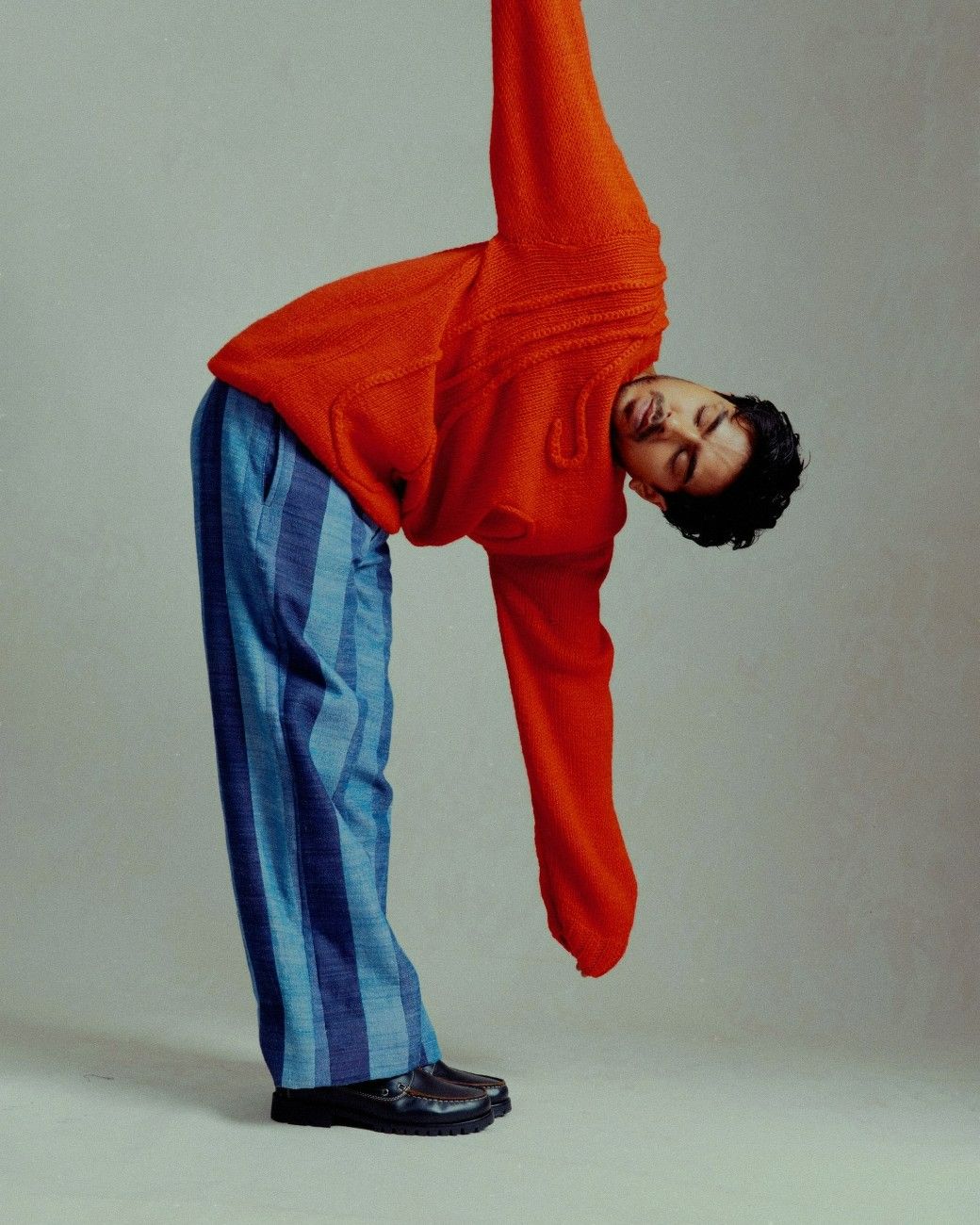
Launched in Mumbai in 2025, Taarini Anand’s eponymous label brings a joyful edge to contemporary menswear. The designer’s love for hand-knitting, passed down through her mother and grandmother, finds expression in colourful, maximal designs that incorporate Indian handloom, embroidery and weaving techniques. Her largely gender-agnostic approach keeps the craft rooted in tradition while giving it a youthful, unexpected energy.
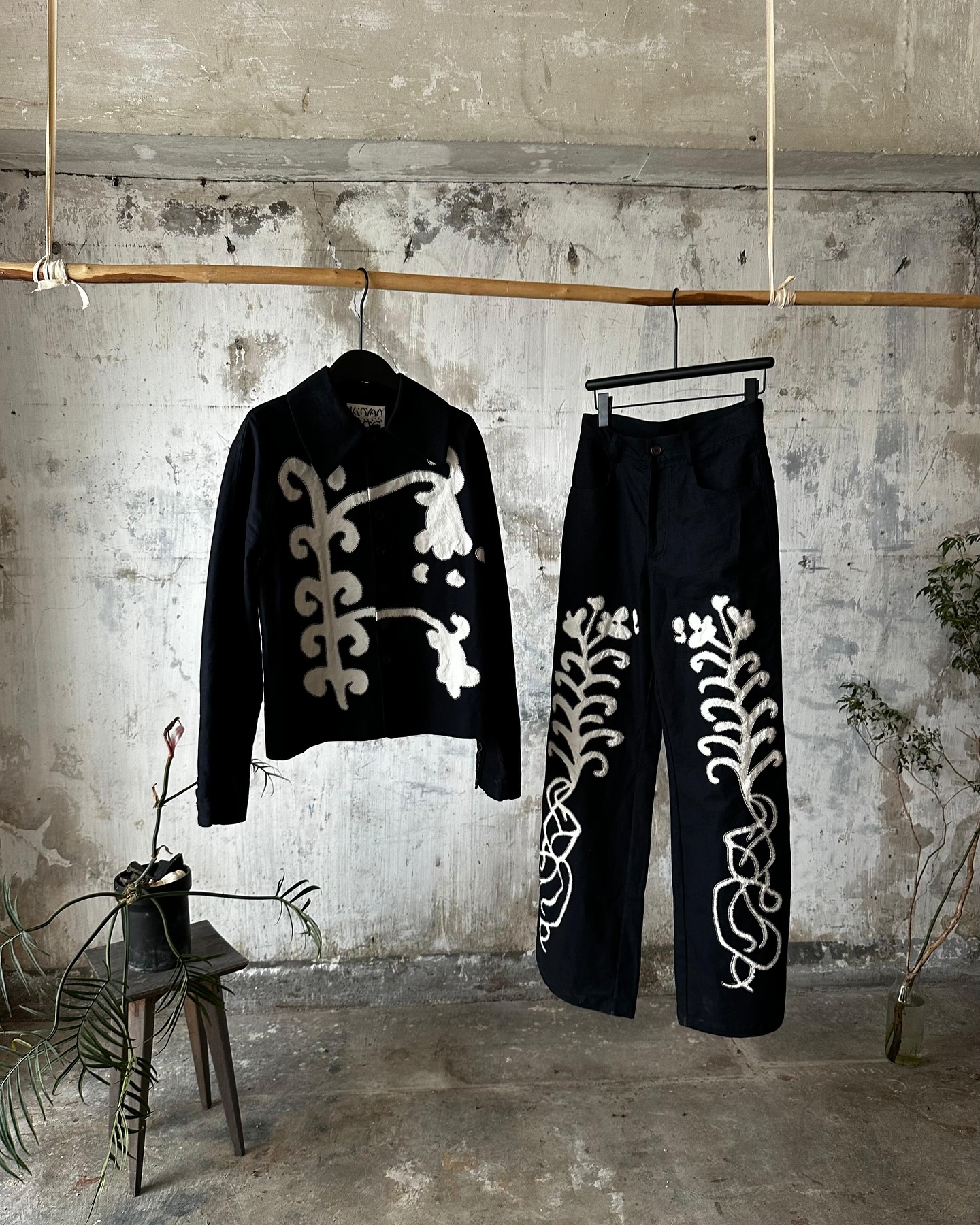
Hong Kong’s Kinyan Lam is making a compelling case for slowing fashion down. His Hong Kong label, founded in 2023, combines contemporary silhouettes with botanical dyes, hand embroidery and heritage textile techniques. Lam works with artisans in Guizhou to revive centuries-old craft practices, allowing the natural irregularities of plant-based colour and handwork to become part of the design rather than imperfections to be erased.
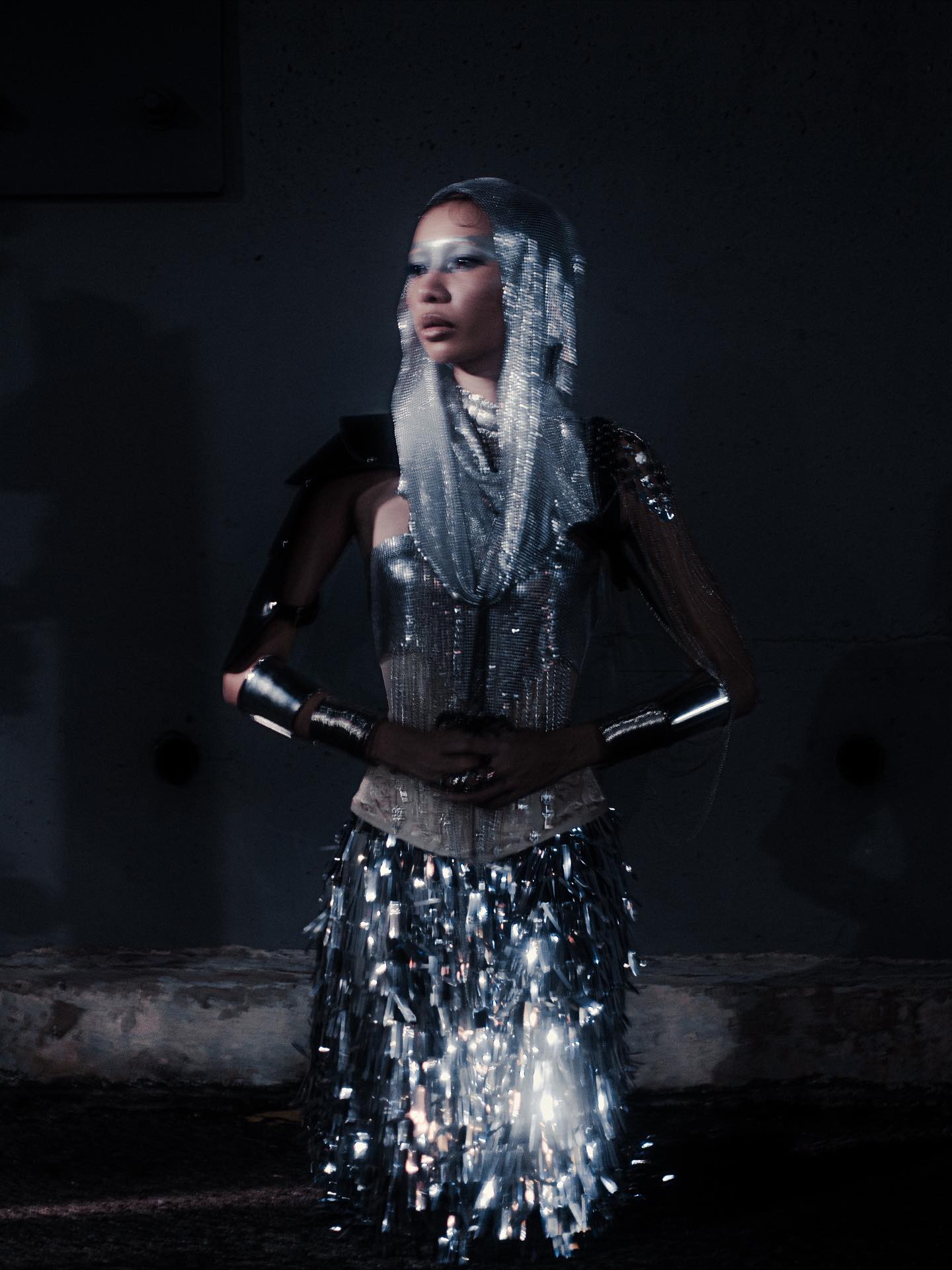
Singapore’s Putri Adif are carving out equally distinct identities in Southeast Asia, each pulling from regional references that read as neither East nor West but entirely their own. Her work draws on her Javanese and Peranakan heritage, reinterpreting traditional kebaya silhouettes and heirloom jewellery through contemporary cutting, draping and 3D-printed elements. Rather than choosing between old and new, Adif uses technology to make heritage feel relevant to another generation.
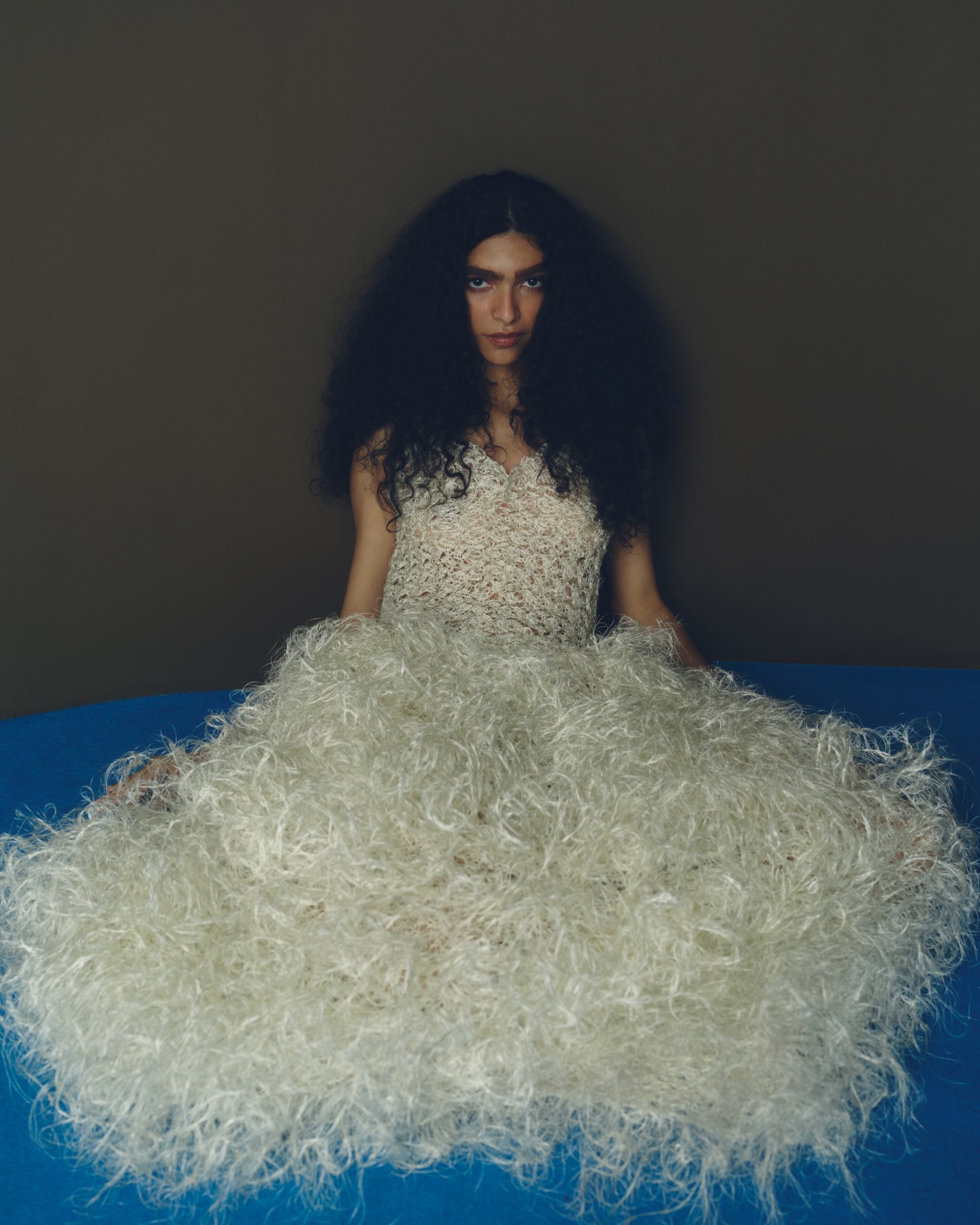
Brazil’s Misci completes the group, bringing a South American design perspective that has largely sat outside the industry’s usual field of vision.
Also Read: Kresha Bajaj’s Guide To Paris’ Most Enchanting Vintage Stores
What connects these fifteen names isn’t proximity, it’s independence, the freedom to design on their own terms rather than answer to a conglomerate’s calendar. Each operates outside the traditional luxury house structure, self-funded and self-directed, which is precisely why they’re able to move faster than legacy brands ever could.
Consider this the shortlist worth knowing before the rest of the industry catches up, because contemporary luxury designers rarely stay under the radar for long.