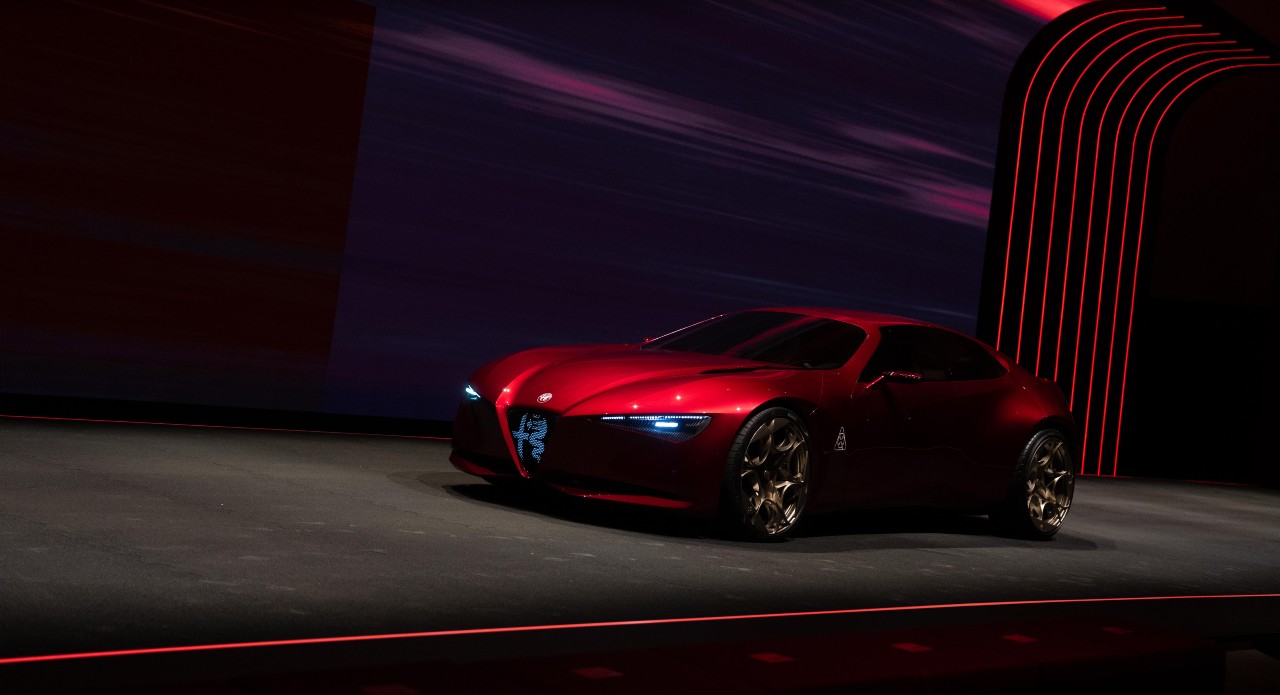


There are places where people go to buy cars, and then there is Monterey Car Week, where people go to contemplate why they have not bought more cars. Every August, California becomes a temporary refuge for automotive lunatics, collectors, manufacturers and people who can identify a Ferrari by the shape of its air vent from 200 metres away. And at The Quail, where the lawns are improbably green and the cars are generally worth more than the houses surrounding them, three manufacturers arrived with precisely the sort of machinery that makes sensible motoring seem like a regrettable administrative error. Gordon Murray Special Vehicles brought the S1, a naturally aspirated V12 manual designed to prove that a hypercar can actually be pleasant to drive. Spyker returned with the extraordinary C8 Preliator XXV Coupé, which appears to have been designed by someone who believes fighter jets should have number plates. And Aston Martin unveiled Valen, a 850PS V12 special that seems determined to remind the world that front engined cars can still be spectacularly ridiculous. They are three very different interpretations of automotive excess, but all share one increasingly rare quality: they require the driver to participate.
Gordon Murray S1

The Gordon Murray S1 is perhaps the most deliciously old fashioned of the three. Here is a car with a naturally aspirated Cosworth V12, a six speed manual gearbox and a 12,100rpm redline. In an age when supercars increasingly resemble rolling computer laboratories, this is refreshingly primitive in the best possible sense. The bespoke 4.2 litre V12 produces up to 690PS and has been engineered not merely for outright violence but for usable performance. Some 80 per cent of its torque is available from just 2,500rpm, with around 500Nm arriving at 7,000rpm. This means you do not need to drive it like a qualifying lap merely to make progress.

The S1 is derived from the S1 LM, but it is deliberately less extreme. The enormous rear wing, long front splitter and deep side skirts have disappeared, while every body panel is new. Active rear aerodynamics replace the fixed hardware, while revised suspension, a 10mm increase in ride height and retuned damping make the car better suited to long distance driving. And yet Murray has not allowed comfort to become an excuse for excess weight. Carbon fibre bodywork, lightweight suspension components and obsessive mass reduction target a kerb weight below that of the T.50. In other words, you could drive this thing from Los Angeles to Monterey without requiring a chiropractor afterwards. That, in hypercar terms, is practically revolutionary.
Also Read: BMW X1 LWB And i5 LWB Arrive: First Look, Features And Booking Details
Spyker C8 Preliator XXV Coupé

Then there is Spyker, which has apparently decided that the modern automotive industry has become far too sensible. The C8 Preliator XXV Coupé is powered by a 4.0 litre twin turbo V8 producing 800 horsepower and 1,000Nm, with a top speed exceeding 217mph. But the numbers are almost beside the point because Spyker has done something wonderfully irrational: it has given the car a proper manual gearbox. No paddles. No automated manual pretending to be a manual. No software deciding when you have had enough fun. You select the gear yourself, and if you get it wrong, that is very much your problem.
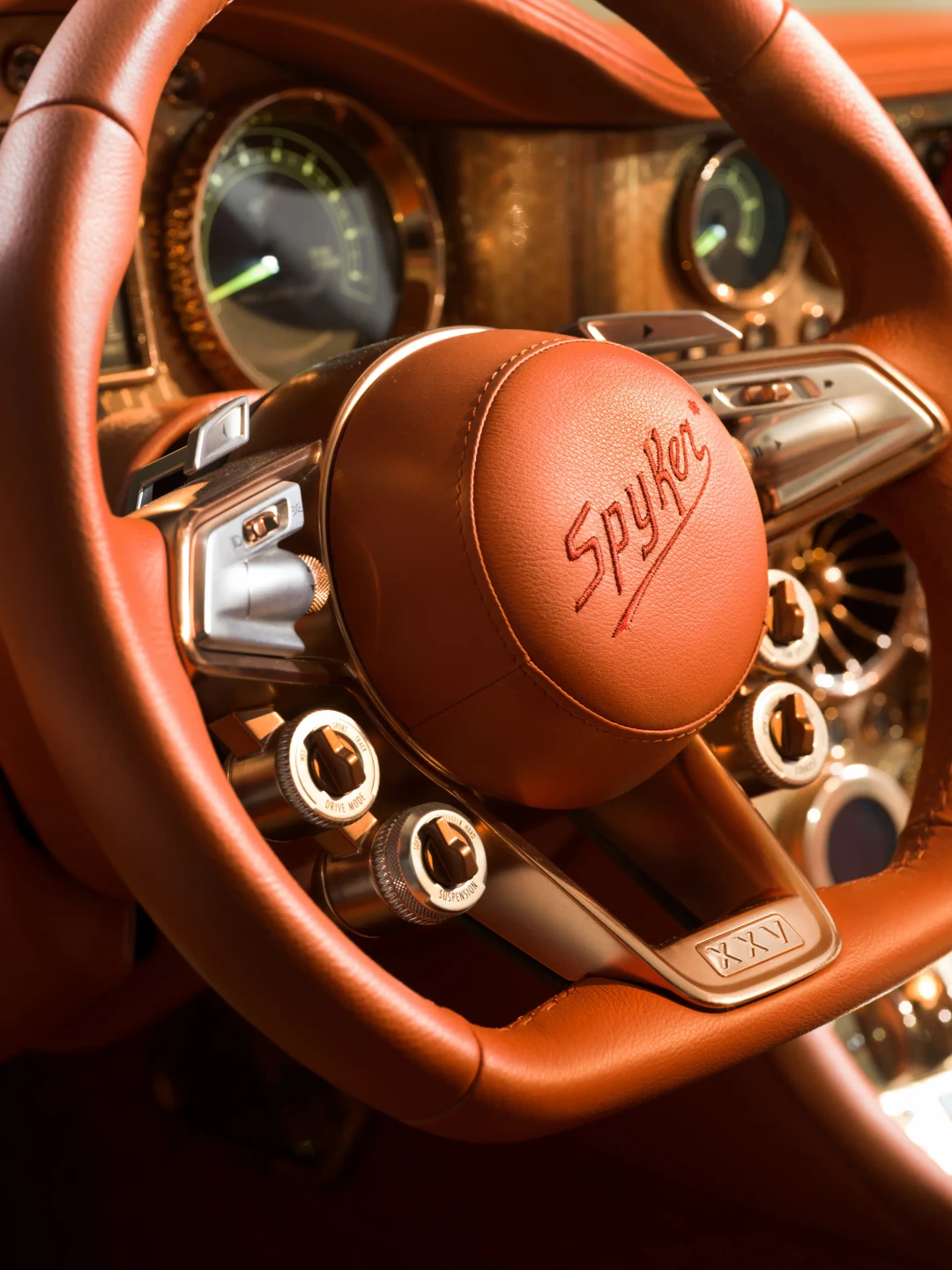
The car’s aviation obsession is equally magnificent. Spyker’s history is intertwined with aircraft, and the Preliator XXV borrows from that heritage through NACA ducts, fighter jet inspired lighting, exposed gear linkage and isogrid patterns derived from aerospace structures. Its body is hand built in aluminium, with every exterior panel shaped anew by craftsmen. Building one takes approximately 2,100 hours. Even the steering wheel takes four hours to stitch. Only 25 examples will be produced. It is not so much a car as a very expensive argument against automation.
Aston Martin Valen

And then Aston Martin arrived and apparently asked a very simple question: what if we made the world’s most powerful front engined production car? The answer is Valen. Its 5.2 litre twin turbocharged V12 develops 850PS and 1,000Nm, enough to propel this rather serious looking machine from 0 to 60mph in 3.0 seconds and onwards to an electronically limited 214mph. Yet Valen is not simply a power upgrade. Aston Martin has attacked weight, suspension, steering, braking and aerodynamics with considerable enthusiasm. It sheds up to 110kg compared with the core V12 platform through the use of carbon fibre, aluminium, titanium and magnesium.
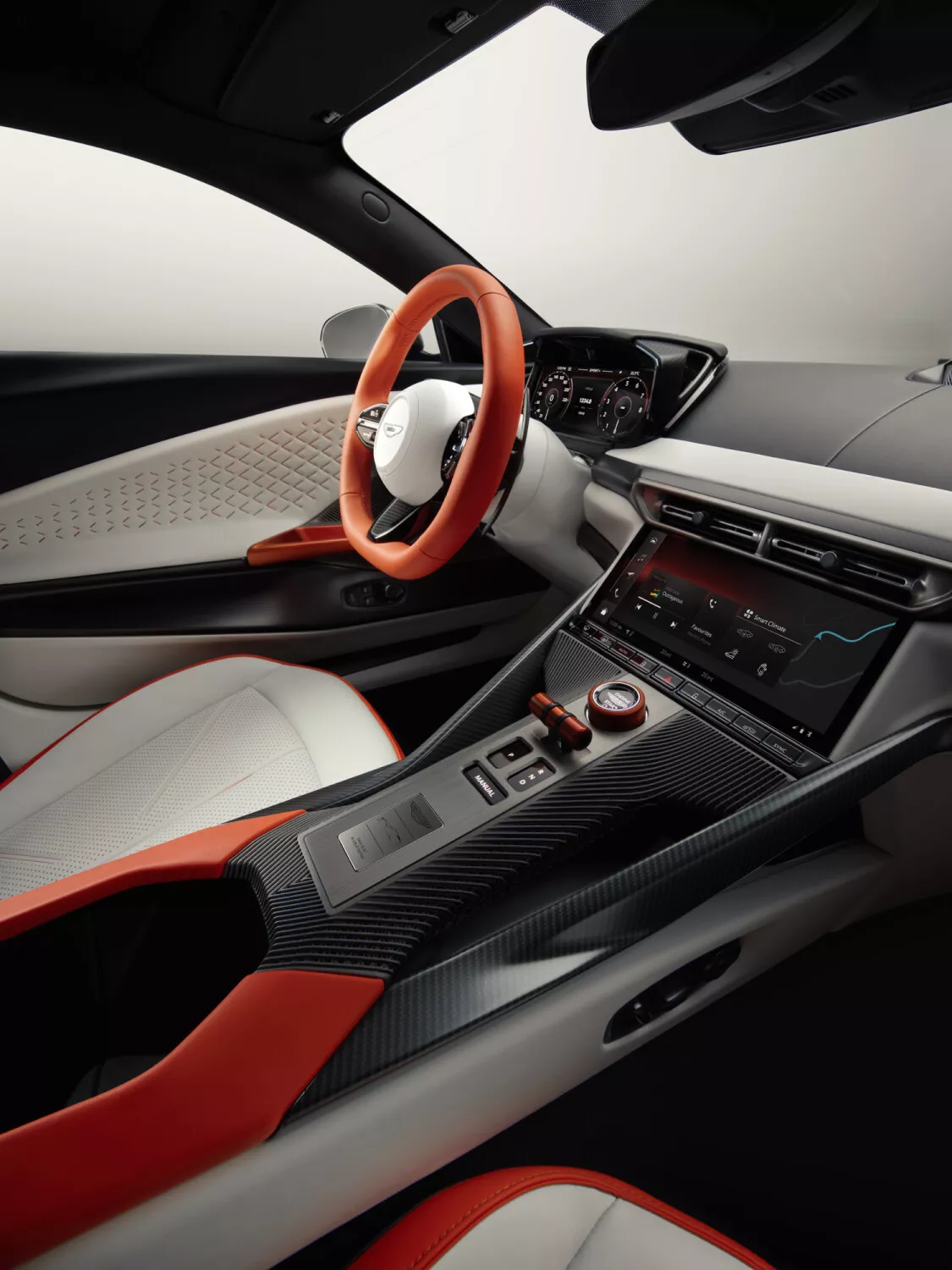
An optional lightweight package saves another 16.9kg through machined aluminium suspension components and titanium chassis bolts. Magnesium wheels reduce unsprung mass, while bespoke Pirelli tyres incorporate Cyber Tyre technology that feeds real time tyre information into the car’s dynamic control systems. Then there is the noise. A specially developed titanium exhaust uses 3D printed titanium tailpipe finishers and a four outlet arrangement designed to make the V12 sound as dramatic as it looks. Aston Martin has even tuned the system to produce a more intense crescendo at higher engine speeds. Naturally, the exterior is equally theatrical. Full carbon fibre bodywork, a full width rear light bar, aggressive aerodynamic surfaces and a dramatically sculpted front end make Valen look less like a grand tourer and more like something that has escaped from a very expensive villain’s garage. Only 150 will be built, with deliveries scheduled for the second quarter of 2027.