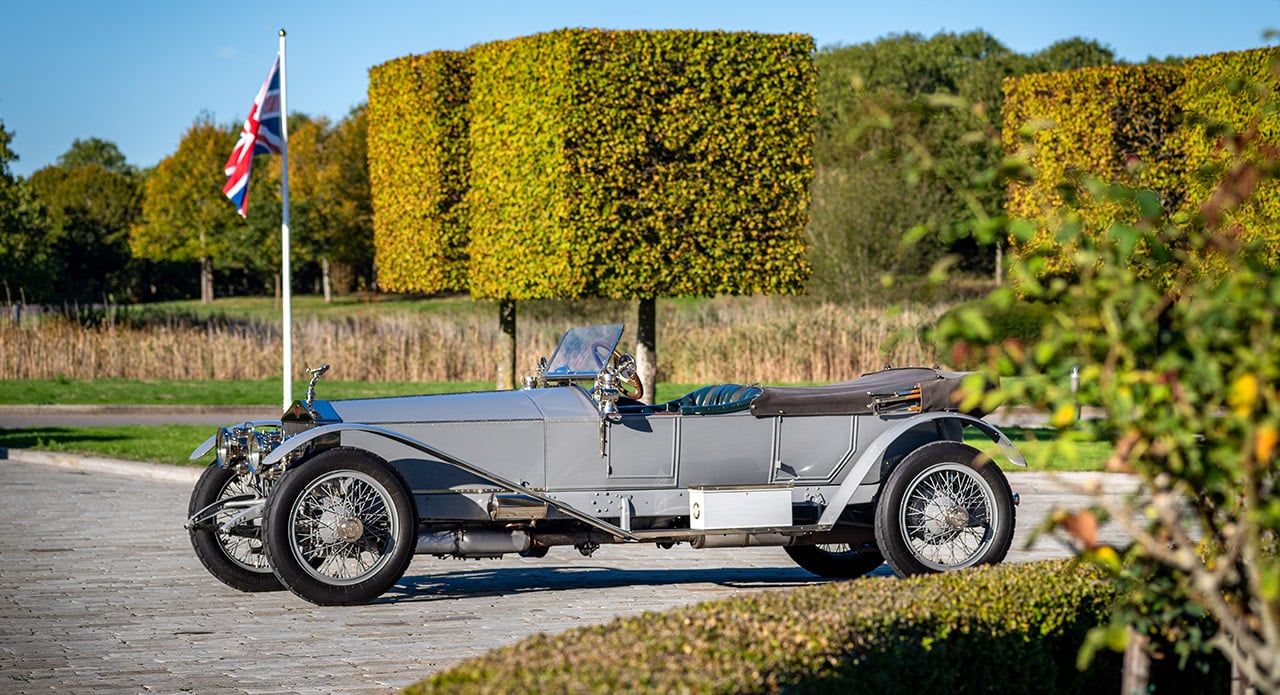


There are cars that get you from one place to another, cars that make you feel as though you are travelling considerably faster than your common sense would recommend, and then there are cars that make everyone else wonder why they bothered buying anything else. The Rolls-Royce Silver Ghost belonged firmly to the third category. When it arrived in 1906, motoring involved mechanical uncertainty, questionable roads and the occasional prayer that the engine would continue working. Henry Royce, however, had other ideas. He wanted a motor car that ran beautifully and did not require its owner to develop an intimate relationship with a mechanic. Now, 120 years later, Rolls-Royce Motor Cars is celebrating the 40/50 H.P., the machine that established the foundations of its reputation for engineering excellence, refinement and reliability.
The Making Of A Legend
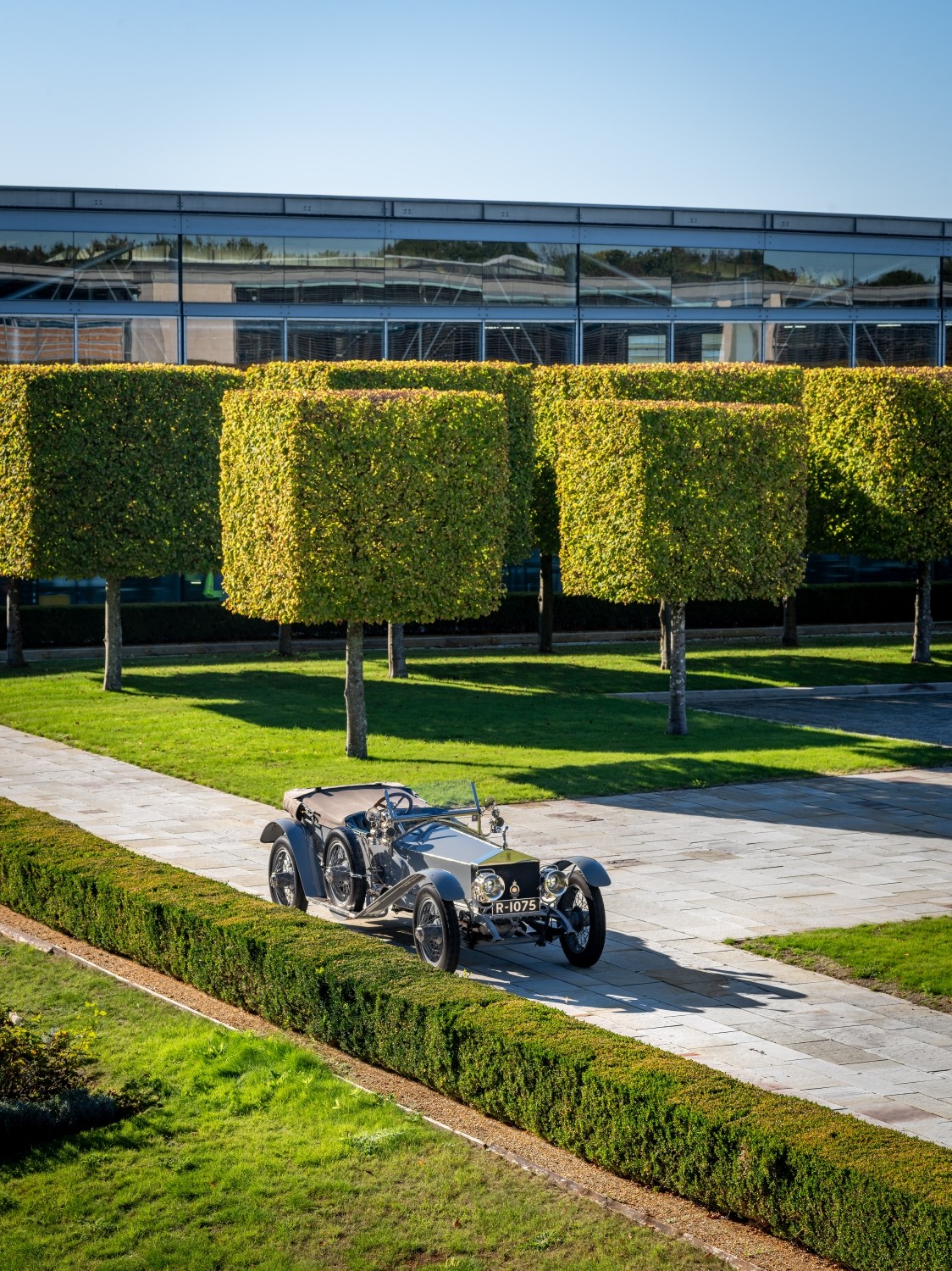
First presented at London’s Olympia Motor Show in November 1906, the 40/50 H.P. was an ambitious demonstration of what happened when an engineer decided that merely adequate was a rather depressing standard. Its smooth running six cylinder engine and meticulous construction reflected Royce’s determination to overcome the mechanical shortcomings of early motoring. Then came Claude Johnson, Rolls-Royce’s first Commercial Managing Director, who understood that technical excellence was all very well, but it helped if people knew about it. Known as CJ, he christened chassis 60551 The Silver Ghost, a motor car distinguished by its silver paintwork and silver plated fittings. The name became so celebrated that it eventually came to identify the entire 40/50 H.P. series. It was, in marketing terms, a rather spectacular success.
Johnson also understood that a luxury car could not simply claim to be reliable. It had to prove it. The Silver Ghost competed in demanding events, including the Scottish Reliability Trial, the London Edinburgh run, the Spanish Grand Prix and the Austrian Alpine Trial. One particularly remarkable example was chassis 1701, nicknamed The Sluggard. During the 1911 London Edinburgh Trial, it completed the journey with its gearbox deliberately locked in top gear, achieving impressive speed and fuel efficiency. Later that year, it became the first Rolls-Royce to exceed 100 mph. Today, this historic machine is displayed at the Home of Rolls-Royce in Goodwood, a reminder that the company was making extraordinary engineering statements long before electronic driving modes became fashionable.
Also Read: Kylie Jenner’s Automotive Obsession: A Look Inside Her Luxury Car Collection
The Car That Won Over The Powerful
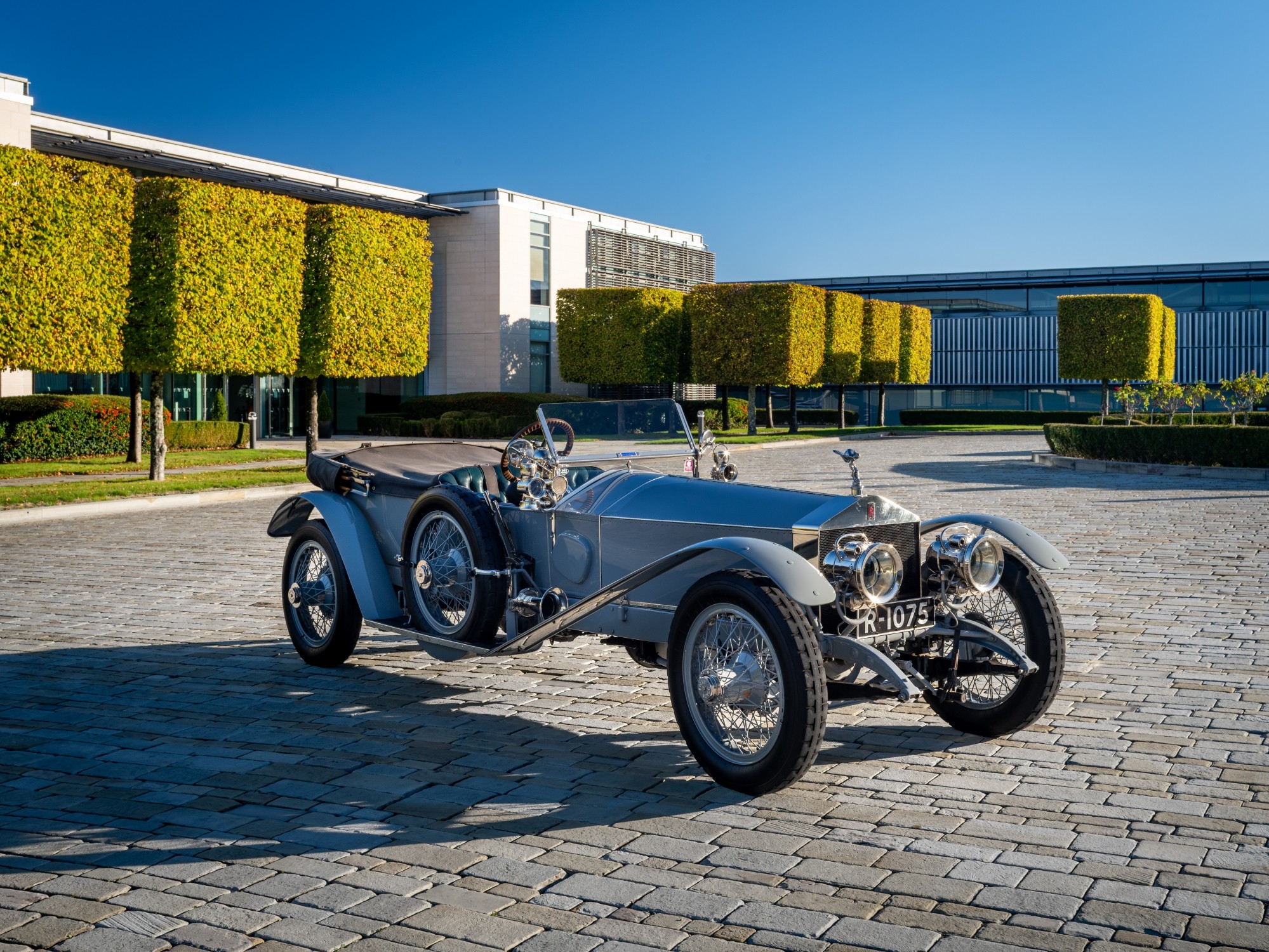
The Silver Ghost attracted an extraordinary clientele, including aviation pioneer Tommy Sopwith, financier Baron Alfred de Rothschild, composer Sir Hubert Parry, Sir Winston Churchill and American aviator and film producer Howard Hughes. Clearly, this was not a car purchased by people particularly concerned with blending into the background. Royal households also placed their confidence in the marque. In 1911, the Government of India ordered eight landaulette bodied Silver Ghosts for the celebrations surrounding King George V and Queen Mary’s visit to India. Rolls-Royce supplied drivers for the occasion, reflecting the importance of reliability and discretion during an event of considerable national significance. The description ‘the best car in the world’, associated with Lord Montagu of Beaulieu, became synonymous with Rolls-Royce. It was a rather bold claim, but the Silver Ghost had the engineering achievements to support it.
A Little Luxury, A Lot Of Character
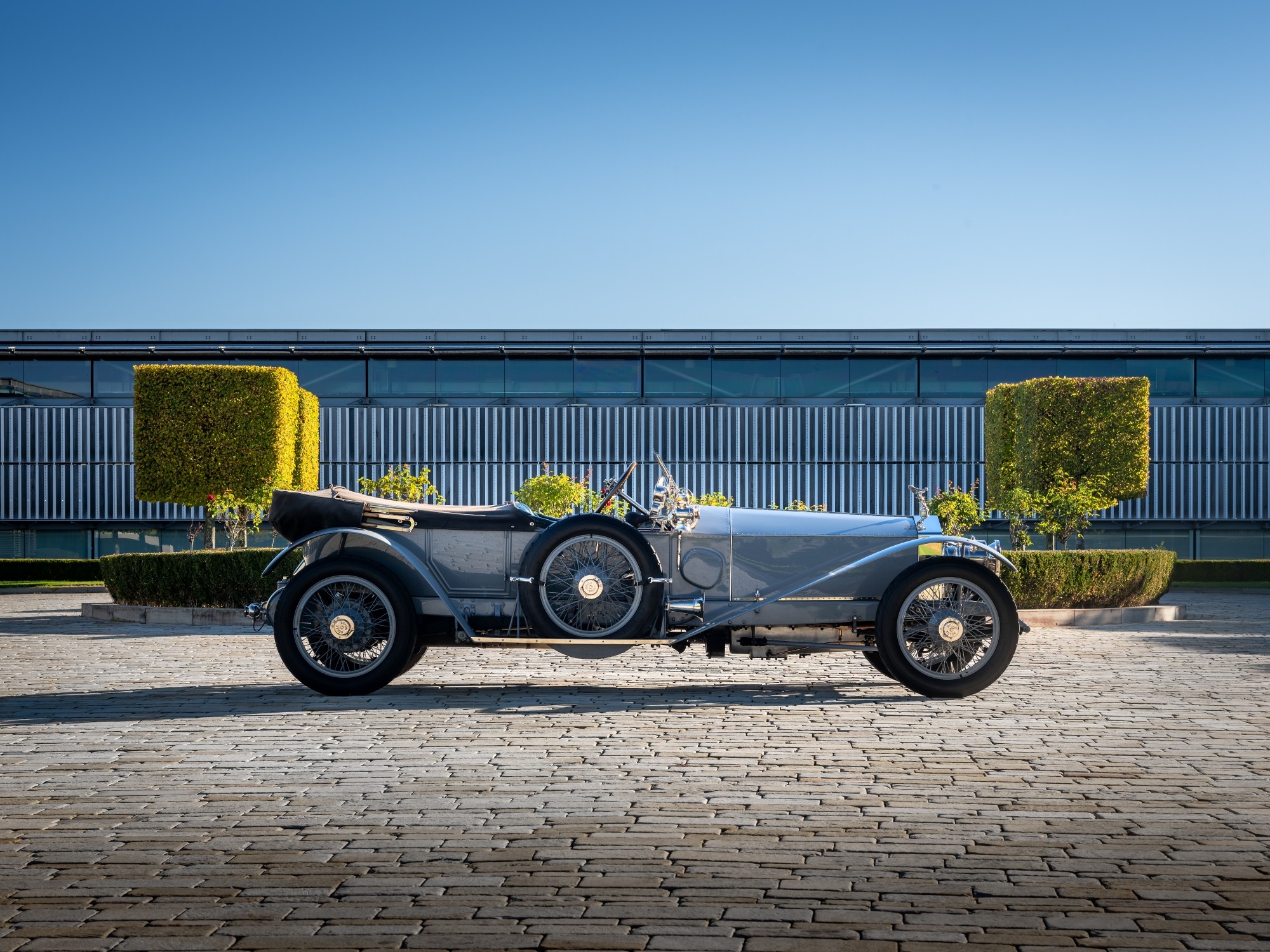
Beyond its public triumphs, the Silver Ghost became part of its owners’ personal histories. Dame Nellie Melba, the celebrated opera singer, took delivery of her 1911 Silver Ghost, chassis 1500, at London’s Ritz Hotel. She subsequently used it in Britain, France and Australia, where its comfort and dependability suited her extensive travels. In Australia, Charles H. Angas named his Silver Ghost The Dreamer because his wife regularly fell asleep while travelling in it. One can imagine a modern marketing department spending months trying to invent a slogan that communicated this level of comfort. Angas simply had a wife who kept nodding off. The Silver Ghost also helped introduce one of motoring’s most recognisable symbols. Lord Montagu of Beaulieu’s Silver Ghost was the first motor car to carry the Spirit of Ecstasy, sculpted by Charles Sykes and introduced as the official Rolls-Royce mascot in 1911.
One Hundred And Twenty Years Later
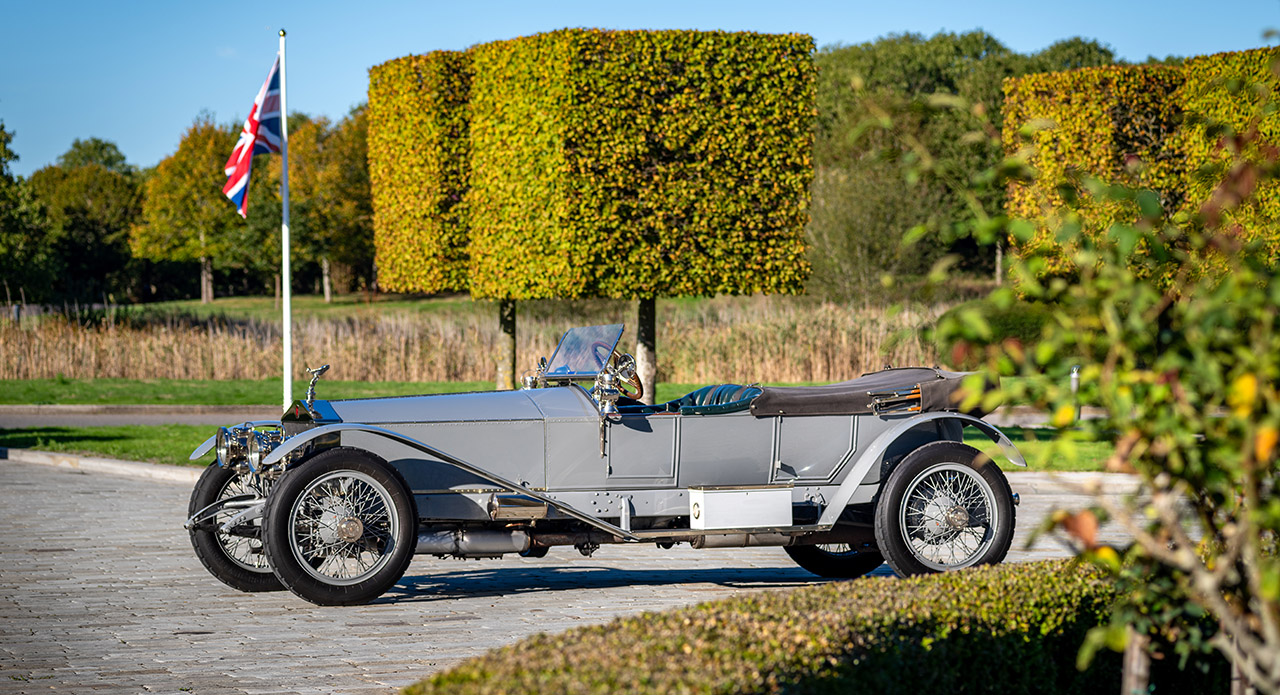
The Silver Ghost’s story did not end when production ceased. In 2013, 47 examples retraced the 1,800 mile route of the 1913 Alpine Trial, including chassis 1701. In 2021, The Sluggard completed the London Edinburgh journey again, with its gearbox locked in top gear, just as it had done 110 years earlier. Apparently, some traditions are too entertaining to abandon. Writing in The Edwardian Rolls-Royce, published in 1994, the third Lord Montagu of Beaulieu reflected on the model’s technical sophistication, understated styling and exceptional quality. He concluded that although the Silver Ghost’s era had passed, the standards of quality and luxury it established continued to endure.
And that is the real achievement. The Silver Ghost did more than establish Rolls-Royce as a manufacturer of exceptional motor cars. It created expectations of refinement, reliability and craftsmanship that generations of successors would inherit. One hundred and twenty years is an awfully long time in the automotive business. Engines evolve, technology advances and yesterday’s marvels become tomorrow’s museum exhibits. Yet the Silver Ghost remains proof that genuine excellence does not depend on enormous touchscreens, elaborate driving modes or an exhaust note designed to frighten the neighbours. Sometimes, it begins with an engineer who refuses to accept that a car should be anything less than exceptional. And sometimes, if you are particularly fortunate, it ends with your wife falling asleep in the passenger seat.