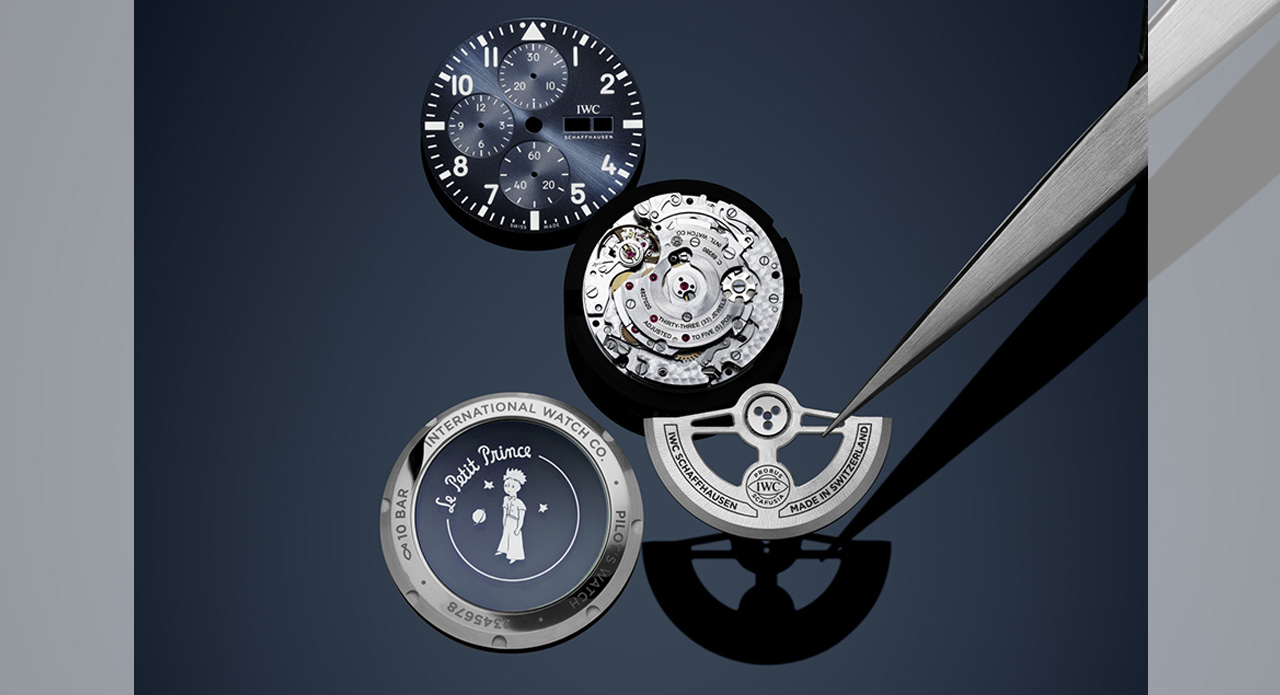


Open the caseback of a mechanical watch and the eye is immediately drawn to the shimmer of the balance wheel, the glint of polished bridges and the tiny red flashes of jewels. It is a miniature theatre, and the balance wheel usually takes the leading role. Yet beneath that spectacle works a quieter hero, one that rarely receives the applause it deserves: the gear train. Without it, the energy stored in the mainspring would simply unwind in a rush, and the watch would run down in moments rather than days. With it, that energy is delivered at a gentle, measured pace and translated, wheel by wheel, into the hours, minutes and seconds we read on the dial. Every mechanical watch, from a simple time-only classic to a grand complication, depends on this small, carefully ordered machine, and understanding how it works is the key to appreciating the true craft behind a movement. Outlook Luxe takes a closer look at the gear train, exploring how its wheels and pinions carry power, how its ratios keep time and why this hidden mechanism is one of the most elegant achievements in watchmaking.
The Basic Idea
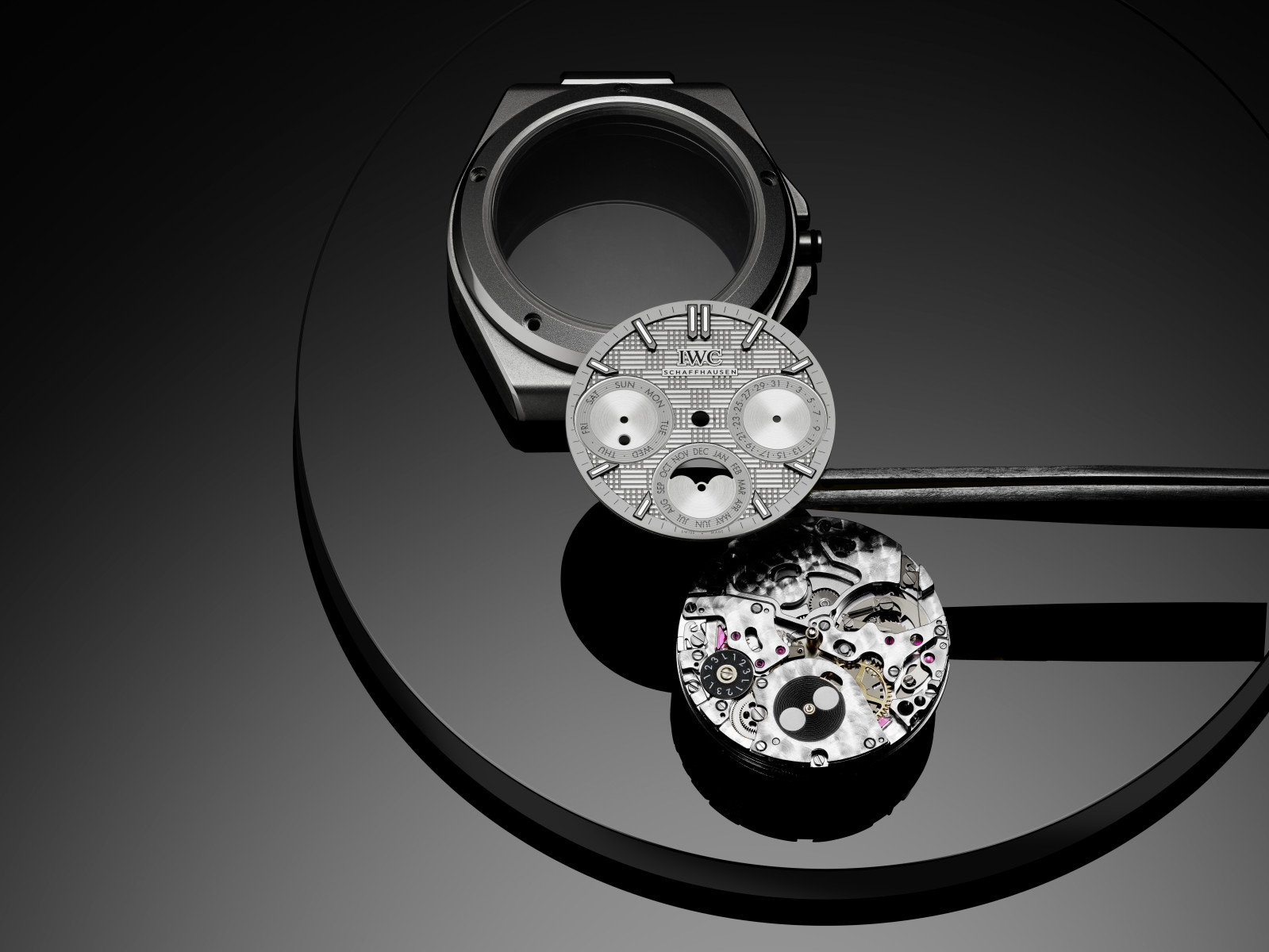
A gear train is a series of toothed wheels and small gears, called pinions, that mesh together to carry power through the movement. In a watch, its job is twofold. It transmits energy from the mainspring to the escapement, and it divides the rotation into the correct speeds for the hands. Each wheel turns at a different rate, and the ratios between them are calculated so that the right hand moves at the right moment. Watchmakers usually call this the going train, to distinguish it from the winding train, which handles the crown and the winding of the mainspring, and from the motion works, which drive the hour hand.
How Power Travels

Energy begins in the barrel, a drum containing the mainspring. As the spring unwinds, the barrel turns, and its teeth engage the first pinion in the chain. From there, power passes through a sequence of wheels, typically the centre wheel, the third wheel, the fourth wheel and finally the escape wheel. Each wheel is paired with a pinion on the next arbor, and this pairing is what changes the speed. Because a large wheel drives a small pinion, rotation speeds up at every stage, while the force, or torque, decreases. By the time energy reaches the escape wheel, it turns quickly and delicately, ready to be released in tiny, regular steps by the escapement.
Also Read: 4 Independent Watchmakers Challenging The Traditional Idea Of Time
Wheels That Tell the Time
Several wheels in the train also serve as the hands’ foundation. The centre wheel typically turns once an hour and carries the minute hand. The fourth wheel typically turns once a minute and, in many watches, carries the seconds hand, either at the centre or in a small subdial. The hour hand is driven separately through the motion works, which reduce the minute hand’s rotation by a ratio of twelve to one. The escape wheel, at the end of the line, works hand in hand with the pallet fork and the balance wheel. It is the balance that sets the beat, commonly 28,800 vibrations per hour, or 4 Hz, in modern movements, and the gear train must respond to that rhythm without hesitation.
Why Precision Matters
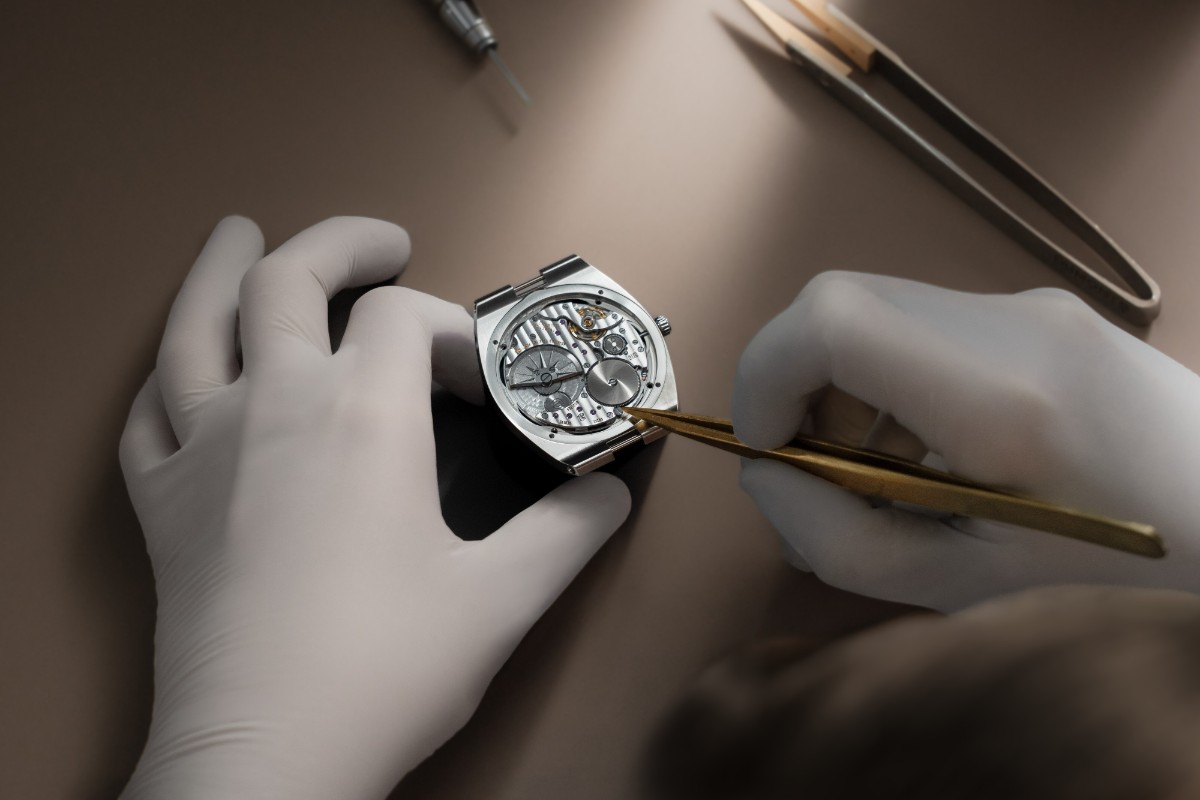
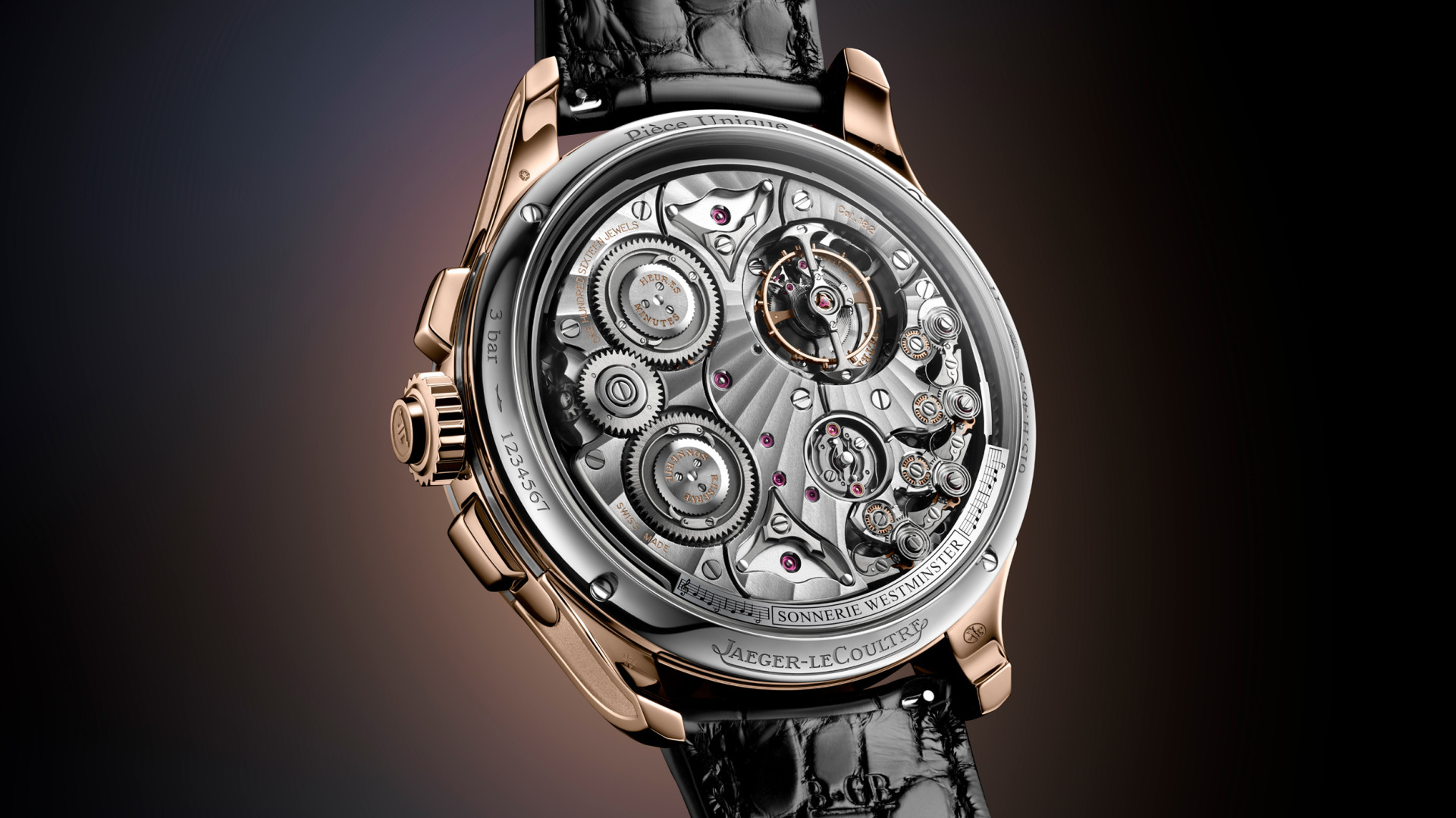
A gear train must be exact. Teeth are cut to precise profiles so that they mesh smoothly, transfer force efficiently and avoid wasting energy. Even a small error in shape or spacing can affect how evenly power reaches the escapement and, in turn, how accurately the watch keeps time. To reduce friction, the arbors on which the wheels turn end in fine pivots that run in jewel bearings, usually synthetic rubies. These jewels are the small red points visible through many case backs. Hard, smooth and long-lasting, they let the wheels rotate with minimal wear, and a drop of well-chosen lubricant helps keep the system running. For collectors, the gear train is a source of beauty as well as function.
Wheels may be finished with sunray patterns, bevelled edges or delicate spokes, and the bridges that hold them in place are often decorated with Côtes de Genève or perlage. In skeleton and openworked watches, makers cut away material to reveal the train in action, turning the working of the movement into a form of art. Some complications place greater demands on the gear train. A chronograph, perpetual calendar or minute repeater adds more mechanisms, and sometimes extra trains, to the movement, all of which must draw power without disturbing the delicate rhythm of the escapement. Designing them to work together, within a case only millimetres thick, is among the great challenges of haute horlogerie.
Understanding the gear train helps explain why mechanical watches are cherished. Every tick represents a chain of motion passing through dozens of tiny parts, each doing its small share of the work. Like the best craftsmanship, it asks to be admired quietly, and rewards those who take the time to look closely. So the next time you check the time, spare a thought for the wheels turning beneath the dial. The elegance of the hands and the confidence of the numerals rest on a small and carefully ordered machine, where each tooth meets the next with exact purpose.