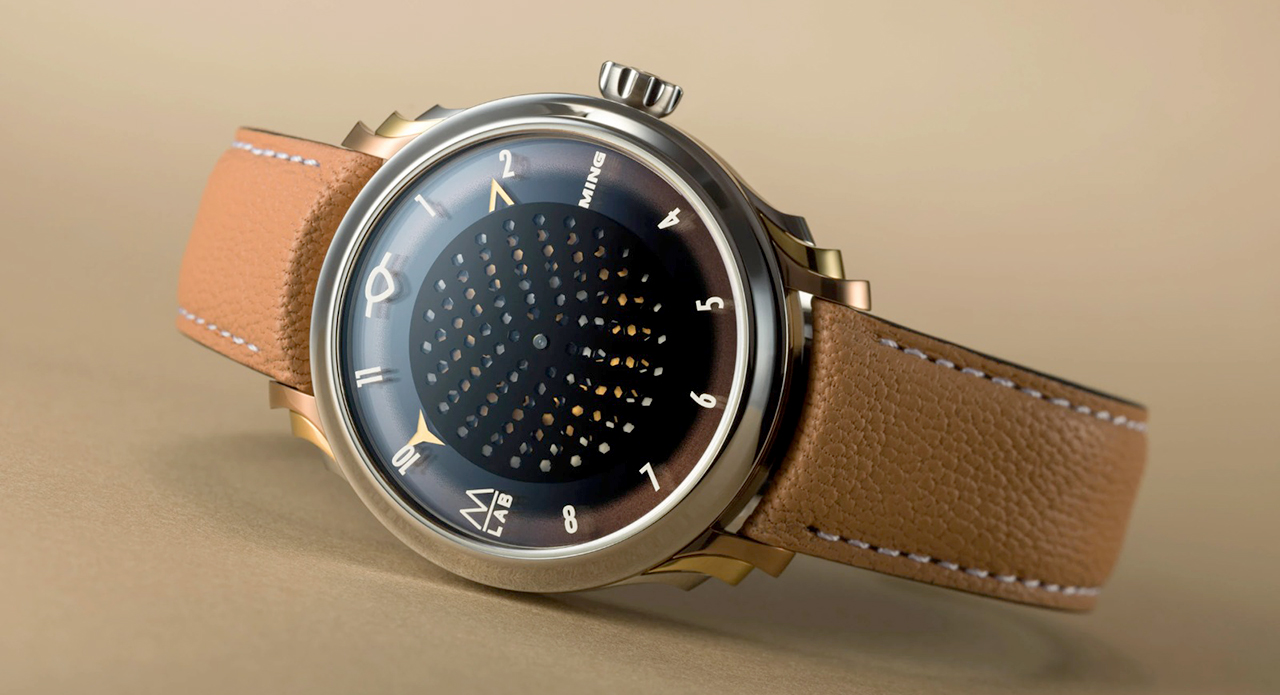


There comes a moment in every watch lover’s life when you pick up a mechanical timepiece, turn it over in your hands, and realise that you’re holding the horological equivalent of a V12 Aston Martin that refuses to be bullied into the modern world of touchscreens, battery anxiety, and software updates that arrive at precisely the wrong moment. This thing doesn’t beep at you, nor vibrates. It doesn’t demand Wi-Fi passwords or force you into an existential crisis because you forgot a charger. It just ticks confidently almost with a raised eyebrow—as if to say, “I’ve been doing this for centuries, mate. Do keep up.” And that’s when the real dilemma smacks you across the jaw like turbo lag: do you want a watch that relies entirely on your daily act of heroic craftsmanship, your mighty fingers winding it alive each morning like you’re awakening a dragon or do you want something that charges itself simply because you walk around being fabulous? Manual-wind or self-winding? The old-school, whisky-sipping gentleman’s machine or the modern, effortlessly cool automatic that powers itself as you stride through life?
It’s the horological equivalent of deciding whether to drive a snarling classic muscle car or a sleek, self-sufficient grand tourer that practically purrs with convenience. Either way, the stakes feel enormous, the drama delicious, and if you’re anything like me you’re already irrationally convinced that whichever route you choose says something wildly important about who you are as a human being.
The Mechanics Behind The Magic
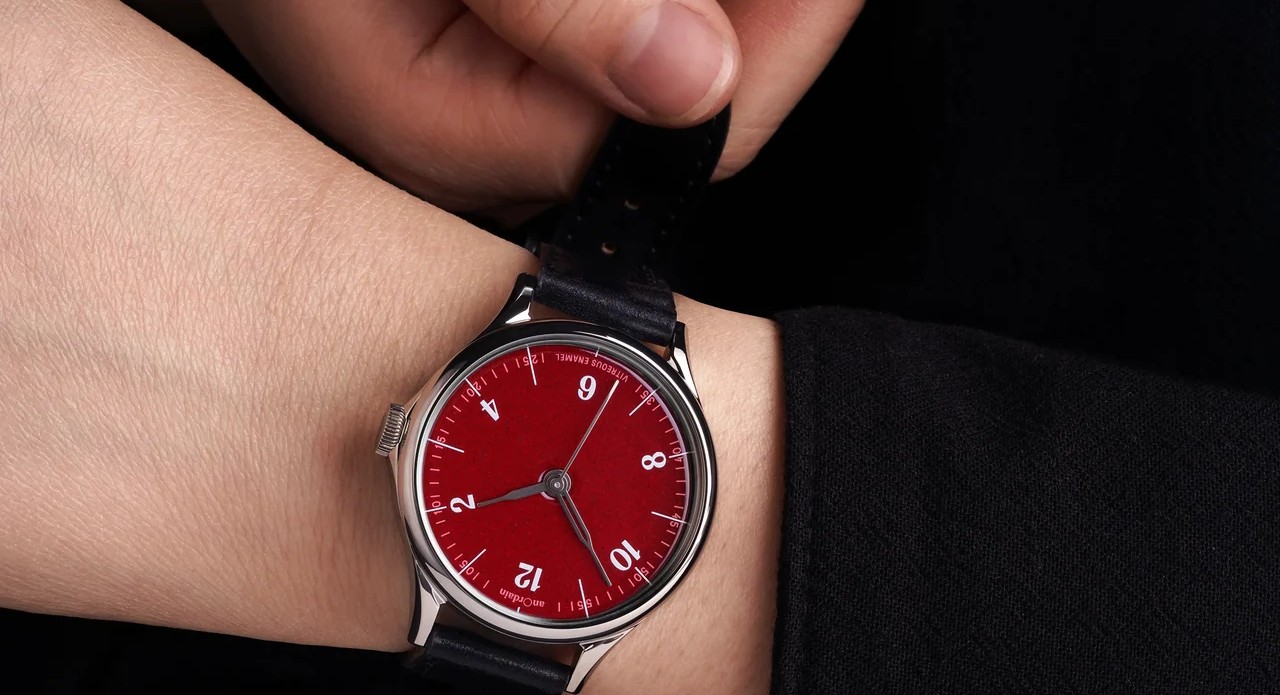
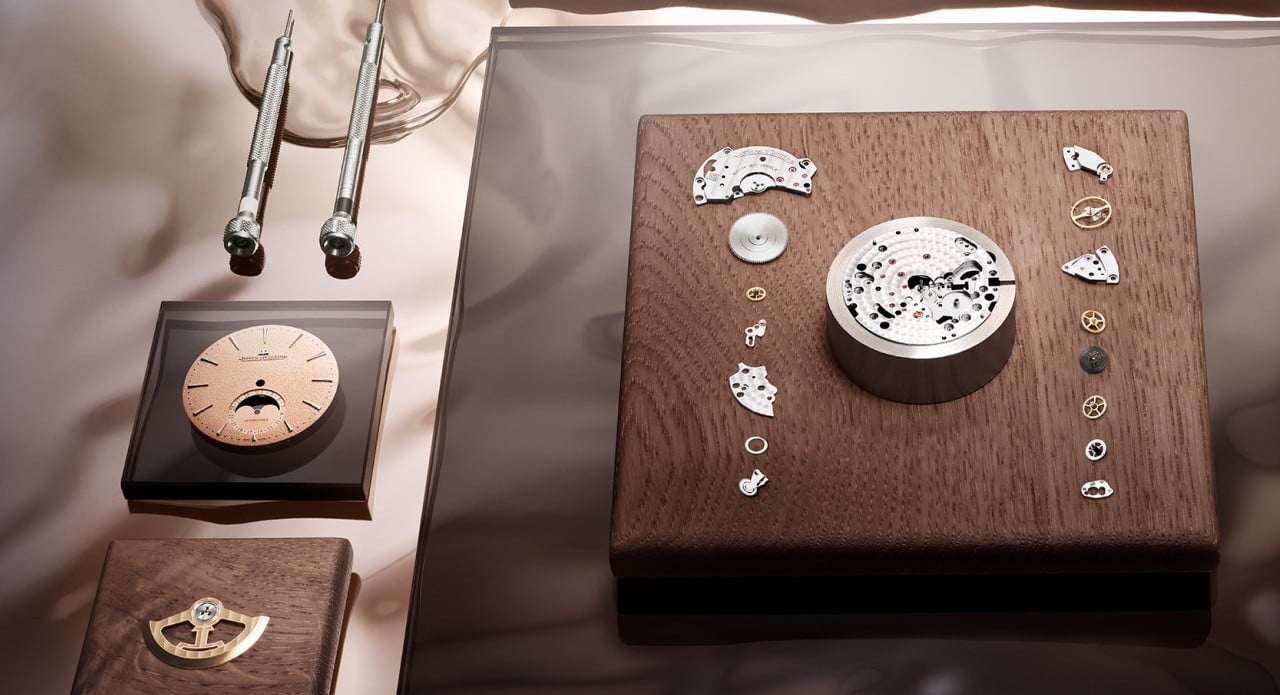
A manual-wind watch is powered by a mainspring that you must tighten yourself—traditionally once a day—through the winding crown. This ritual is more than mechanical necessity; it’s a physical bond between you and the mechanism. You give it power, and it gives you time. Purists will argue that this exchange is the very soul of horology. Self-winding or automatic watches, by contrast, use a rotor that spins with wrist movement to wind the mainspring automatically. You move, the rotor moves, the watch lives. It’s engineering elegance with an everyday practicality that makes the movement almost invisible to the wearer.
A Matter Of Heritage And Emotion
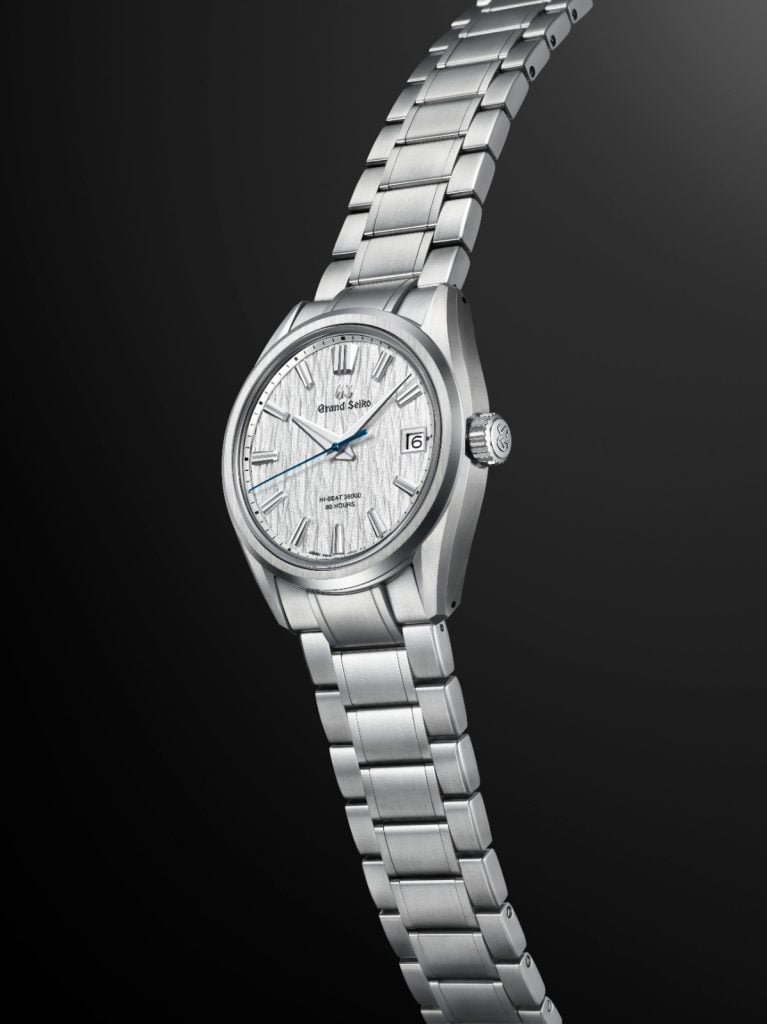
Manual-wind calibres are seen as the classical form of mechanical watchmaking. Think of early 20th-century pocket watches or mid-century wristwatches by Patek Philippe, Vacheron Constantin, and Omega. The appeal lies in tradition and the sense of continuity with centuries of craftsmanship. Wearing one feels like owning a piece of mechanical poetry.
Automatics emerged in the early 20th century but surged in popularity after WWII. They represented the modern age of convenience—mechanical, yet effortless. For many collectors, the rotor’s whirring and the smooth energy delivery add an entirely different charisma. Both represent horology’s finest expressions, yet they connect with collectors in very different emotional registers.
Daily Experience: Ritual vs Convenience
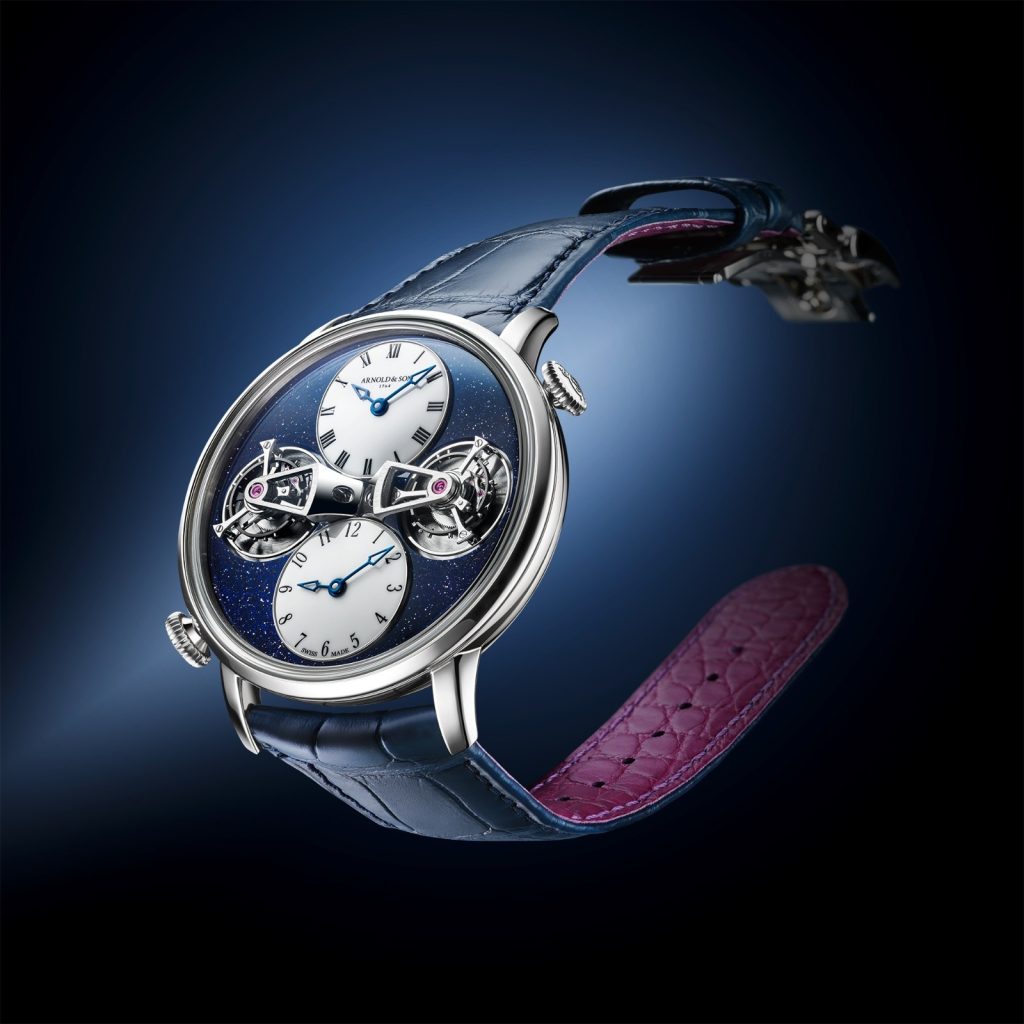
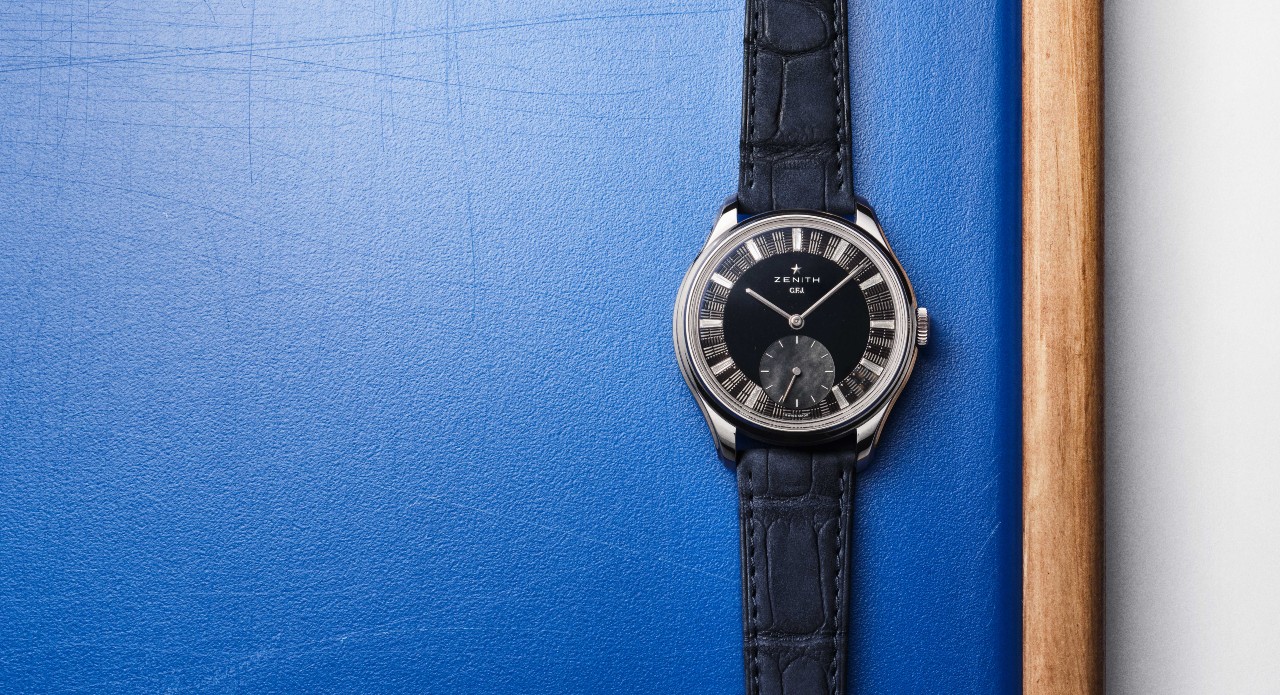
The practical difference between the two movements is how involved you want to be. A manual-wind watch demands your attention. You must wind it regularly. Some people adore this. Others forget, wake up to a dead dial, and panic. The upside? Many manual-wind watches are thinner since they don’t need to house a rotor, making them favourites for dress watch enthusiasts.
Automatics are the definition of convenience for most wearers. The rotor keeps the watch alive as long as it’s worn or placed on a watch winder. They’re perfect for people who rotate watches, travel frequently, or simply prefer something that maintains itself with minimal effort.
The Collector’s Perspective
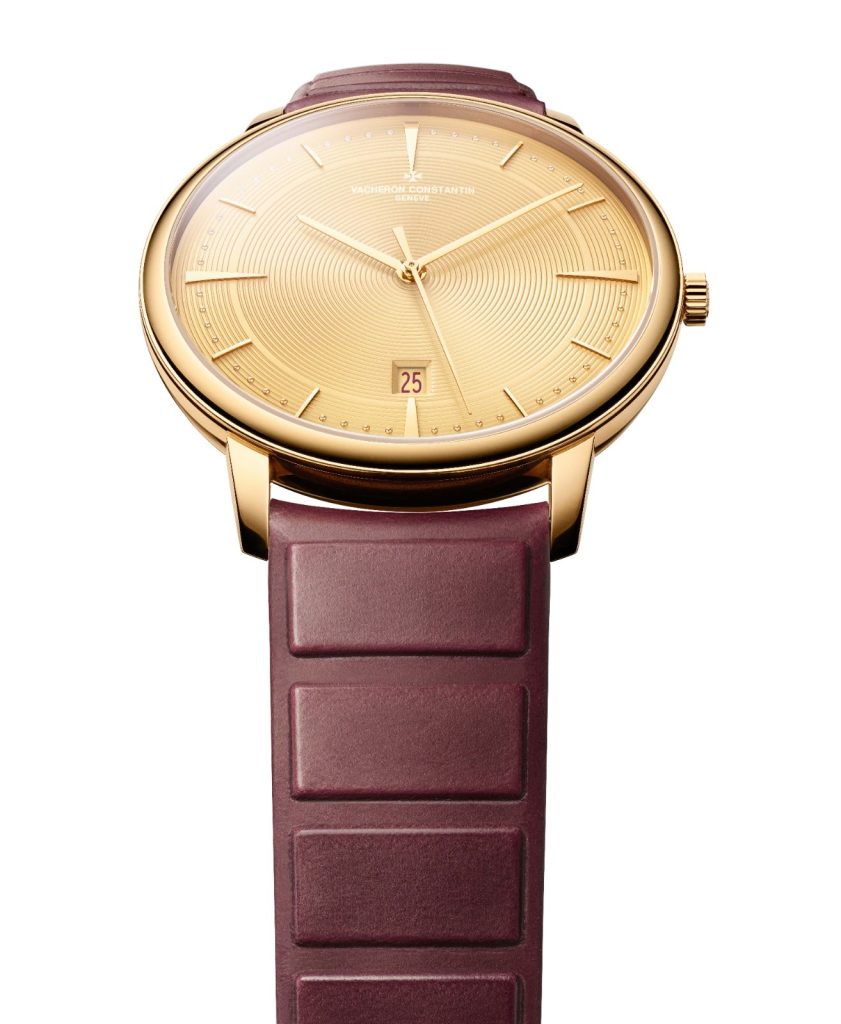
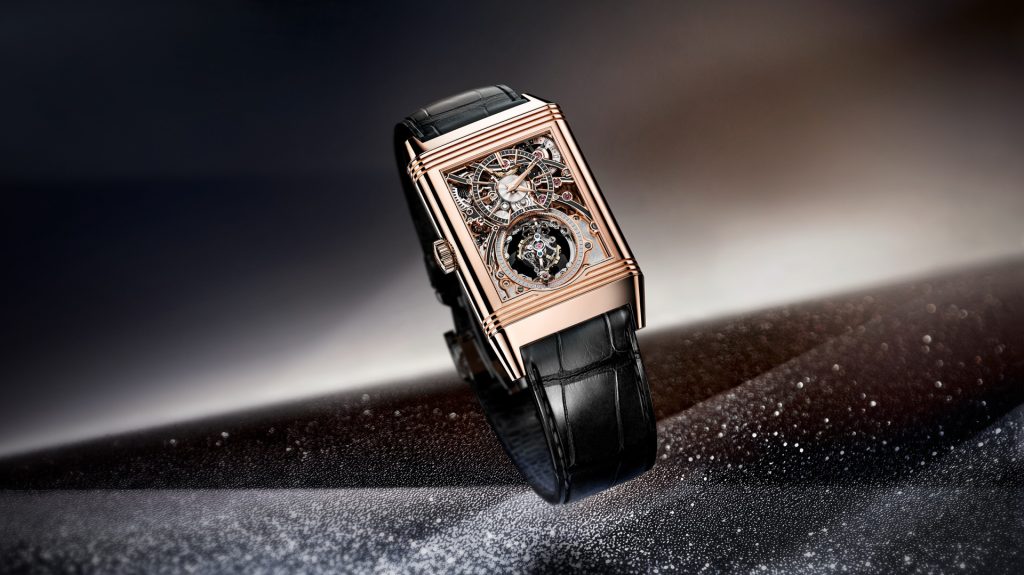
Collectors often choose manual-wind movements for their aesthetics. Without a rotor blocking the view, the movement architecture—bridges, balance wheels, finishing—remains beautifully exposed through display casebacks. Many haute horology pieces are manual-wind for this very reason. On the other hand, enthusiasts who rotate watches or want a robust daily companion often favour self-winding calibres. Tool watches, pilot watches, and divers overwhelmingly use automatics because they suit active lifestyles and maintain power with minimal intervention.