

One is universally admired, impeccably built and almost impossible to criticise. The other exists because someone in Switzerland clearly woke up one morning and thought, “Let’s make this a bit more interesting.” Rolex built the legend. Tudor borrowed the blueprint and then started colouring outside the lines. That freedom has produced some of the most exciting watches of the past decade. While Rolex continues to perfect its classics with the caution of a museum curator handling a priceless painting, Tudor has happily experimented with materials, colours and technologies that even its bigger sibling took years to embrace. Here are five reasons why Tudor occasionally beats Rolex at its own game.
Snowflake Hands Changed Dive Watch Legibility Forever
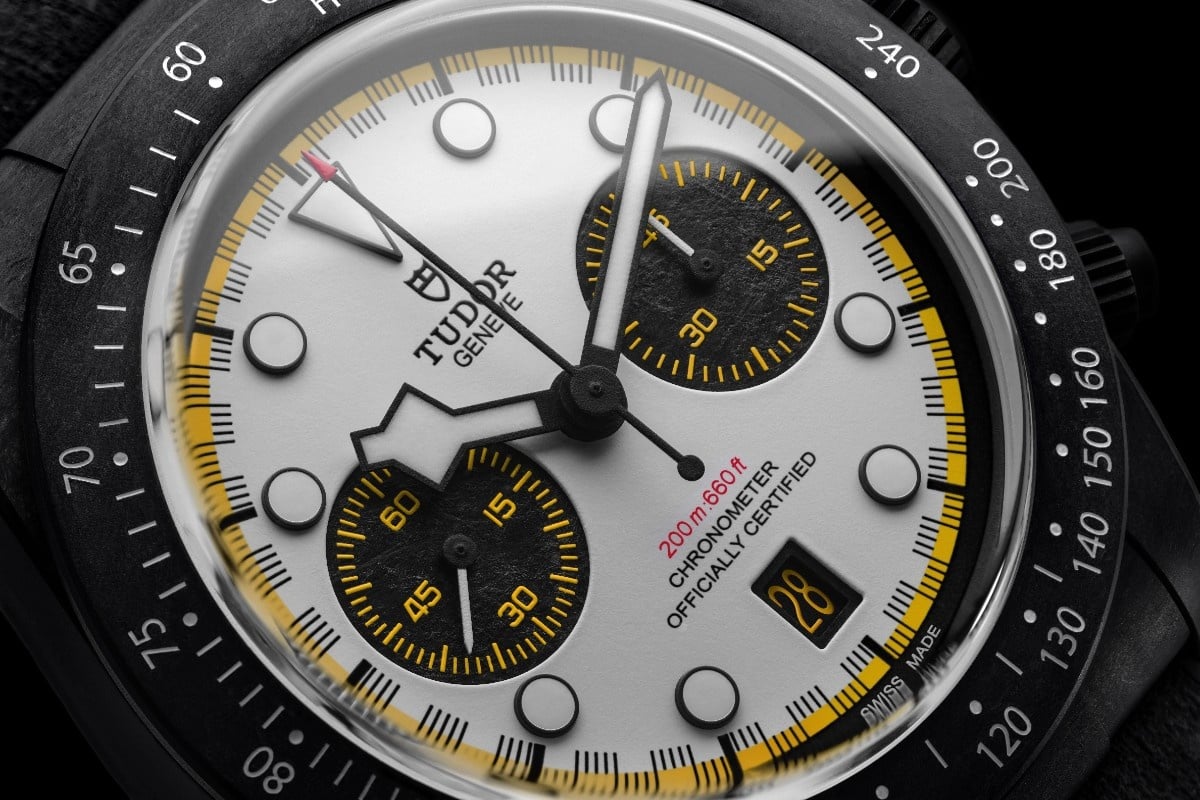
Dive watches exist for one purpose above all else: to tell the time when visibility is dreadful. Rolex’s Mercedes hands are iconic. Instantly recognisable. But Tudor’s Snowflake hands, introduced in 1969 for the French Navy, solved an entirely different problem. Their large square hour hand and distinctive geometric profile create an enormous amount of luminous surface, making them dramatically easier to distinguish underwater and in poor lighting conditions. It is one of the rare cases where function created an icon rather than styling. Decades later, Snowflake hands remain among the most practical designs ever fitted to a professional dive watch.
Tudor Embraced Titanium Long Before Rolex

Titanium has become the darling of modern luxury watchmaking. It is lighter than steel, exceptionally corrosion resistant and wonderfully comfortable on the wrist. Yet while Rolex only introduced titanium to production models with the Yacht-Master 42 RLX Titanium and the Deepsea Challenge, Tudor had already made the material central to the identity of the Pelagos years earlier. The Pelagos demonstrated just how capable titanium could be in a professional diving watch, pairing its lightweight construction with serious tool-watch credentials. Rather than treating titanium as an exclusive novelty, Tudor embraced it as the ideal material for underwater exploration long before Rolex joined the party.
Also Read: Tudor Unveils New Black Bay Model Honouring The Visa Cash App Racing Bulls Team
Its In-House Movements Deliver Exceptional Engineering
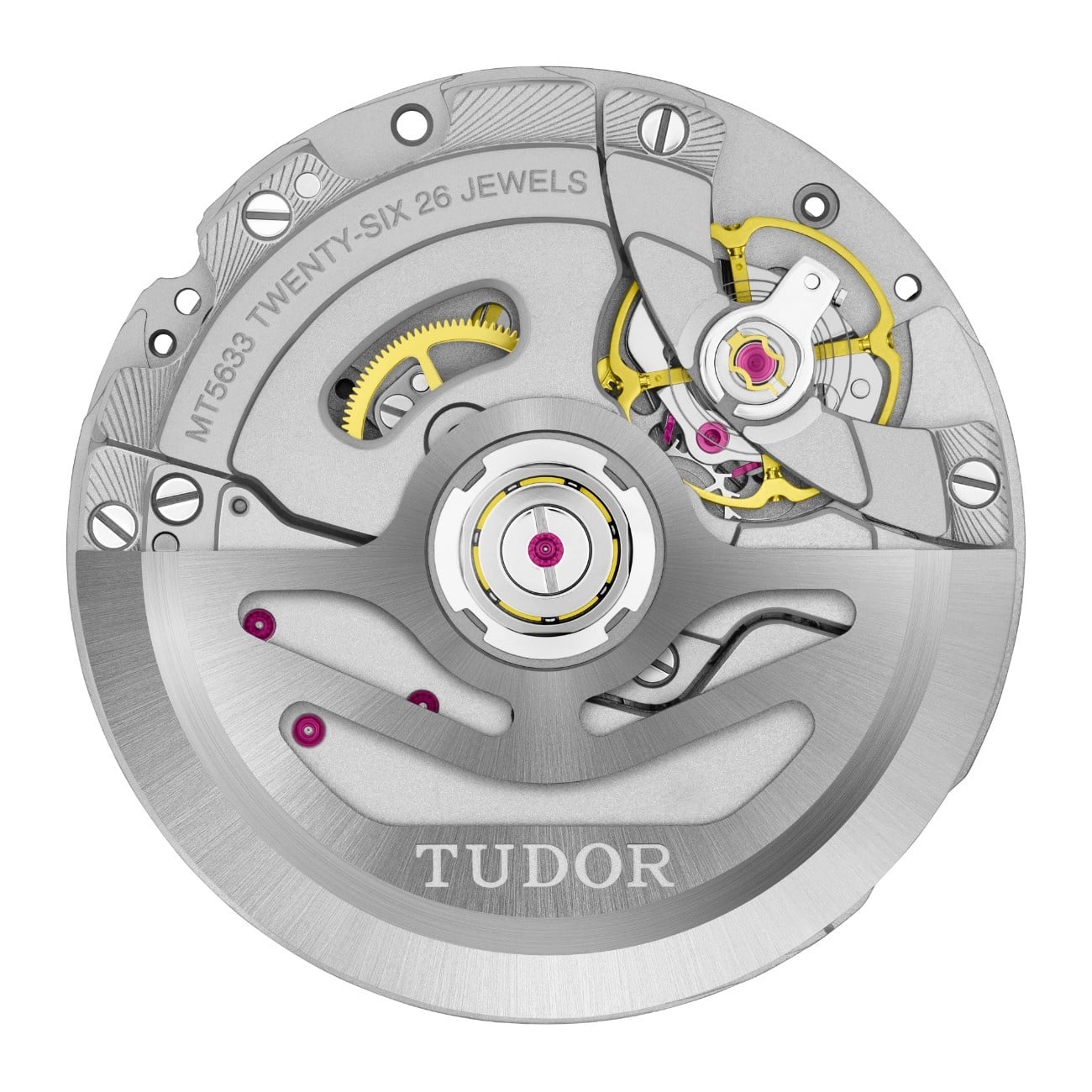
Modern Tudor movements are no longer simply reliable alternatives. Developed in collaboration with Kenissi and manufactured to exceptionally high standards, Tudor’s in-house calibres deliver impressive power reserves, silicon balance springs on selected models and remarkable robustness. More importantly, they are engineered for real-world performance without unnecessary complexity. Visible through sapphire casebacks on certain references, these movements also exhibit increasingly refined finishing that reflects Tudor’s evolution into a serious manufacture rather than merely Rolex’s younger sibling.
METAS Certification Raises The Bar For Precision
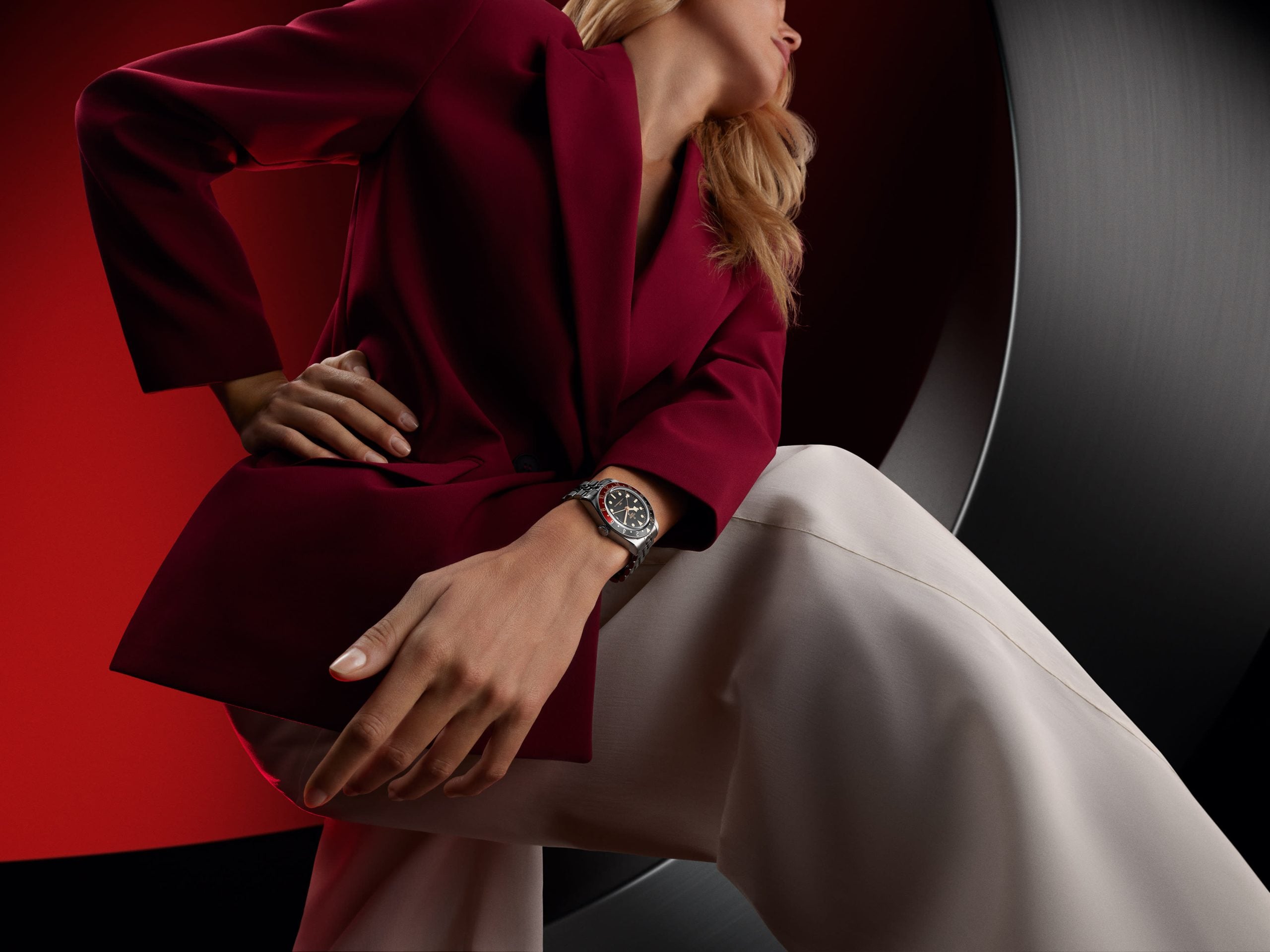
Chronometer certification is impressive. Master Chronometer certification is something else entirely. Several Tudor models now undergo the rigorous METAS testing protocol, which evaluates not only accuracy but also resistance to magnetism, power reserve, water resistance and overall performance in real-world conditions. Every completed watch must meet exceptionally demanding standards before earning the title. The result is a level of independently verified precision that places Tudor among the industry’s technical leaders, giving buyers extraordinary confidence in the watch they wear every day.
Tudor Is Not Afraid Of Colour
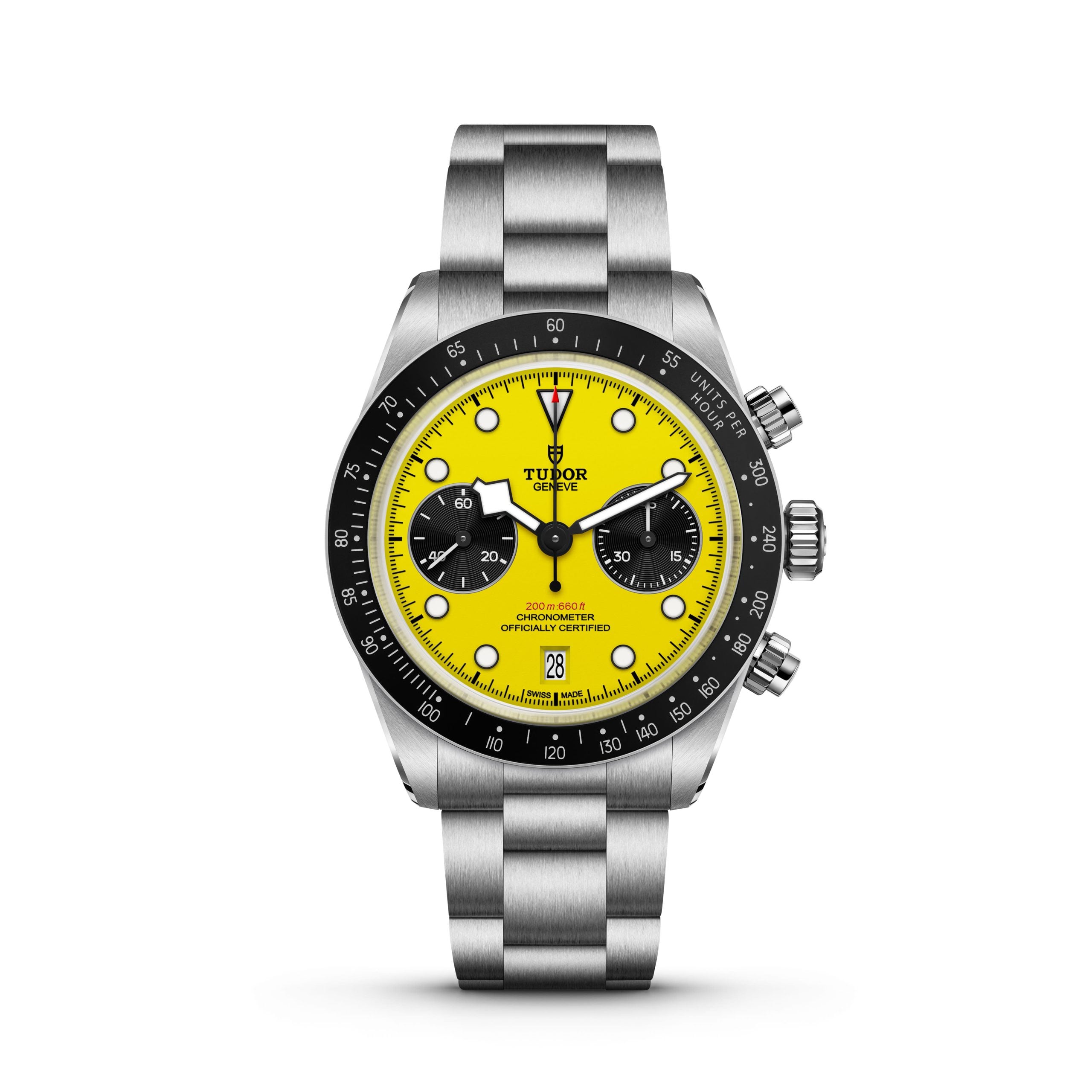
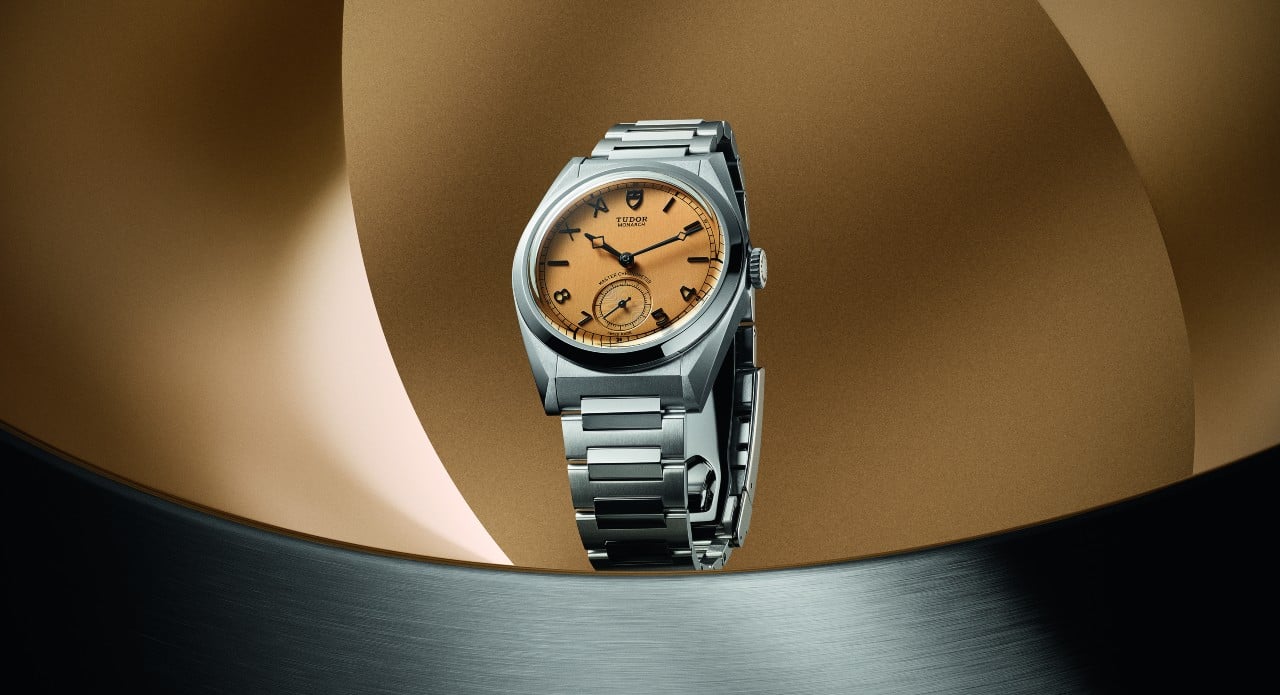
Rolex generally introduces colour with the enthusiasm of someone choosing wallpaper for Buckingham Palace. Tudor, meanwhile, seems perfectly happy experimenting. Whether it is the Black Bay Fifty-Eight Burgundy, the playful pastel Black Bay Chronographs, vibrant dial colours or collaborations that introduce unexpected palettes, Tudor has shown a willingness to inject personality into luxury sports watches without sacrificing credibility. The result is a catalogue that feels refreshingly contemporary while still respecting the brand’s rich heritage.
The Brand That Writes Its Own Story
Comparing Tudor with Rolex misses the point. Rolex continues to define what a luxury sports watch should be. Tudor, meanwhile, has become the brand willing to try what Rolex often will not. Through Snowflake hands, pioneering titanium dive watches, sophisticated in-house movements, rigorous METAS certification and bold colour experimentation, Tudor has built an identity that no longer exists in Rolex’s shadow. It is proof that sometimes the younger sibling isn’t trying to be better. It is simply trying to be different. And increasingly, that difference is exactly what collectors are looking for.