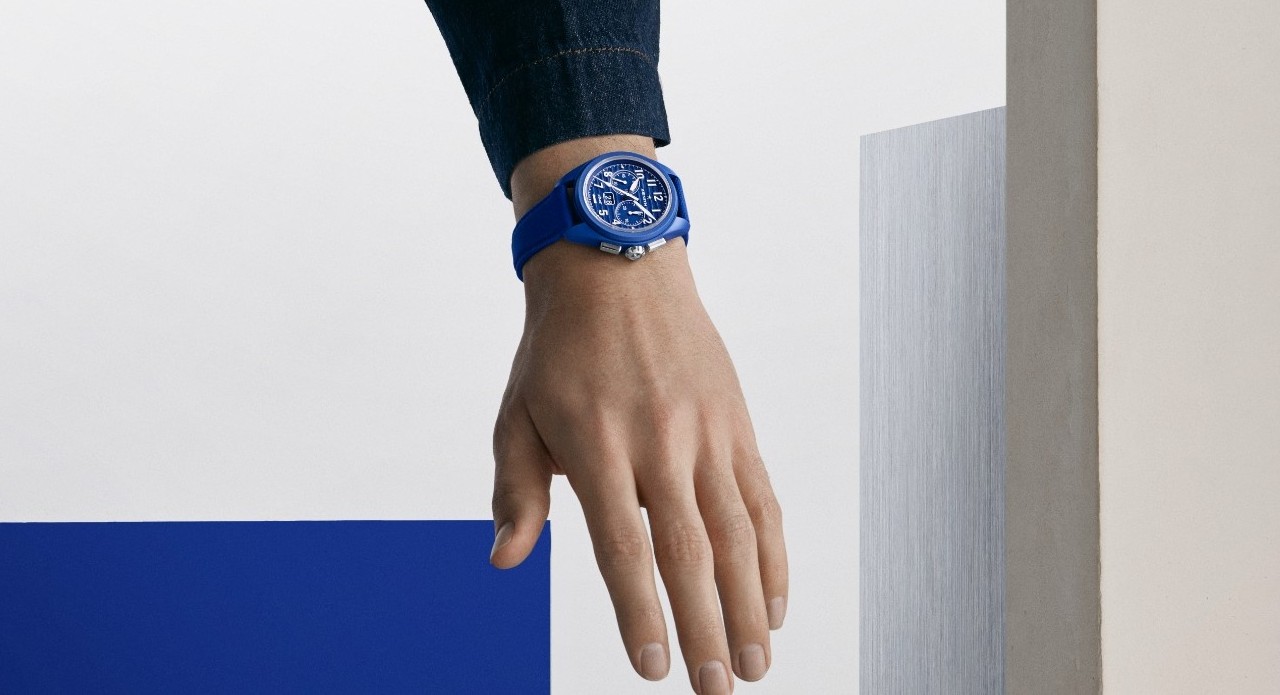


Most watches behave sensibly. They tick politely, whisper the time, and generally try not to disturb the peace. But a flyback chronograph? That’s the mechanical equivalent of a fighter jet pilot who’s had too much espresso. While an ordinary chronograph plods through its to-do list—stop, reset, start—the flyback does all three at once, with the sort of explosive enthusiasm usually reserved for drag racers and overexcited Labradors. Press a single button and the hand doesn’t just stop; it slams back to zero and blasts off again before you’ve even begun to question your life choices. It’s fast, it’s dramatic, it’s utterly unnecessary—and yet it’s one of the most glorious examples of horological overengineering ever devised.
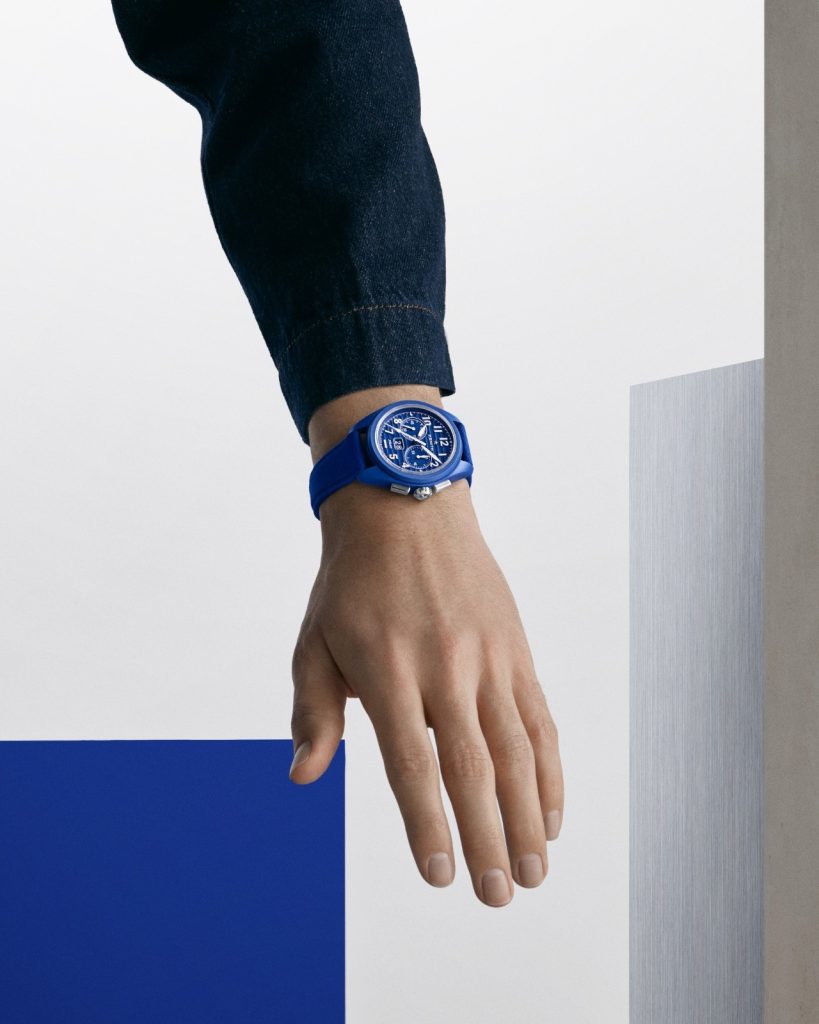
Legacy Of A High-Speed Complication
A flyback chronograph is one of those rare complications that combines technical audacity with real-world purpose. While many watch functions today exist mainly to delight collectors, the flyback was born out of sheer necessity. Before GPS, digital instruments, and cockpit computers, pilots needed a reliable way to time navigation legs and adjust mid-flight calculations in an instant. Waiting three separate steps to stop, reset, and restart a chronograph simply wasn’t practical—not when 200 mph winds and low visibility threatened to turn Europe’s early aviation routes into misadventures.
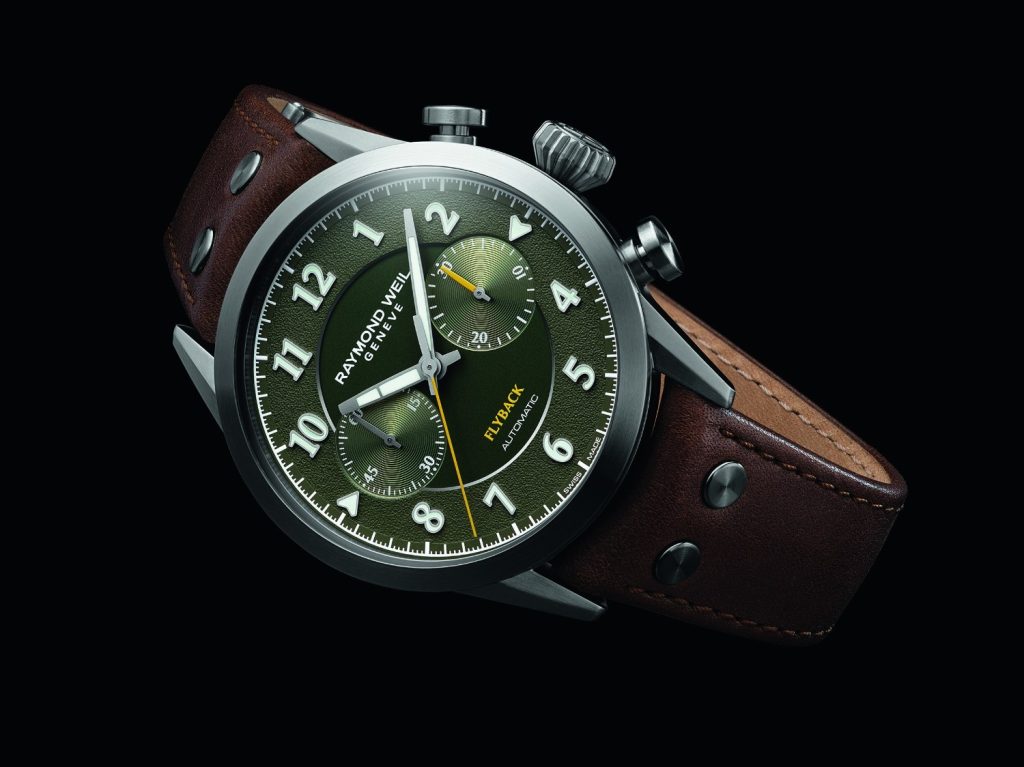
A Complication Born For The Skies
In the early 20th century, aviation was both thrilling and terrifying. Pilots navigated using paper maps, dead reckoning, and a whole lot of hope. Longines, always a pioneer in pilot’s timing instruments, delivered one of the earliest documented flyback chronographs in 1936. With a single push, pilots could instantly restart their timing sequence during turns, course corrections, and fuel checks.
It wasn’t luxury—it was survival. These early flybacks weren’t polished status symbols. They were rugged cockpit tools with oversized crowns, large Arabic numerals, and the sort of reliability you’d pray for at 10,000 feet.
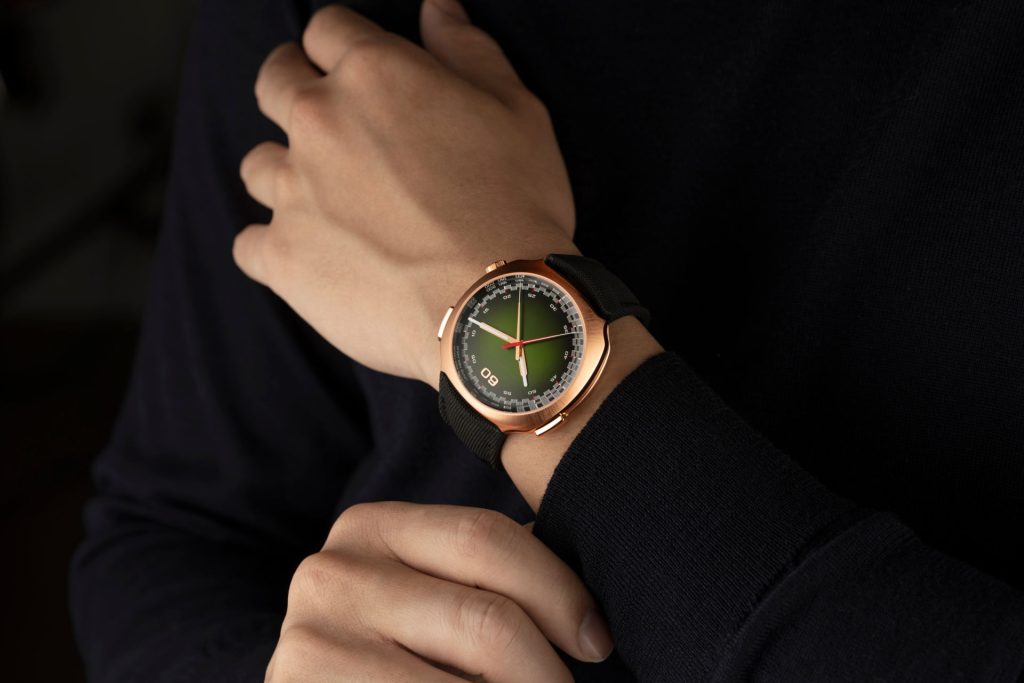
How A Flyback Chronograph Works
A flyback chronograph streamlines the traditional chronograph’s three-step process—stop, reset, start—into one seamless, lightning-fast action. Inside the movement, a specialised mechanical choreography makes this possible. When the flyback pusher is pressed, the clutch instantly disengages the running chronograph train, allowing the reset hammer to strike the heart cam and snap the hands back to zero in a single motion. Unlike a standard chronograph, which waits for a new start command, the flyback immediately re-engages the clutch, launching the chronograph hand forward again without losing a beat. This entire sequence happens in a split second, relying on meticulously engineered components, precise tolerances, and a movement robust enough to withstand the repeated shock of instant resets—making the flyback one of horology’s most technically impressive complications.
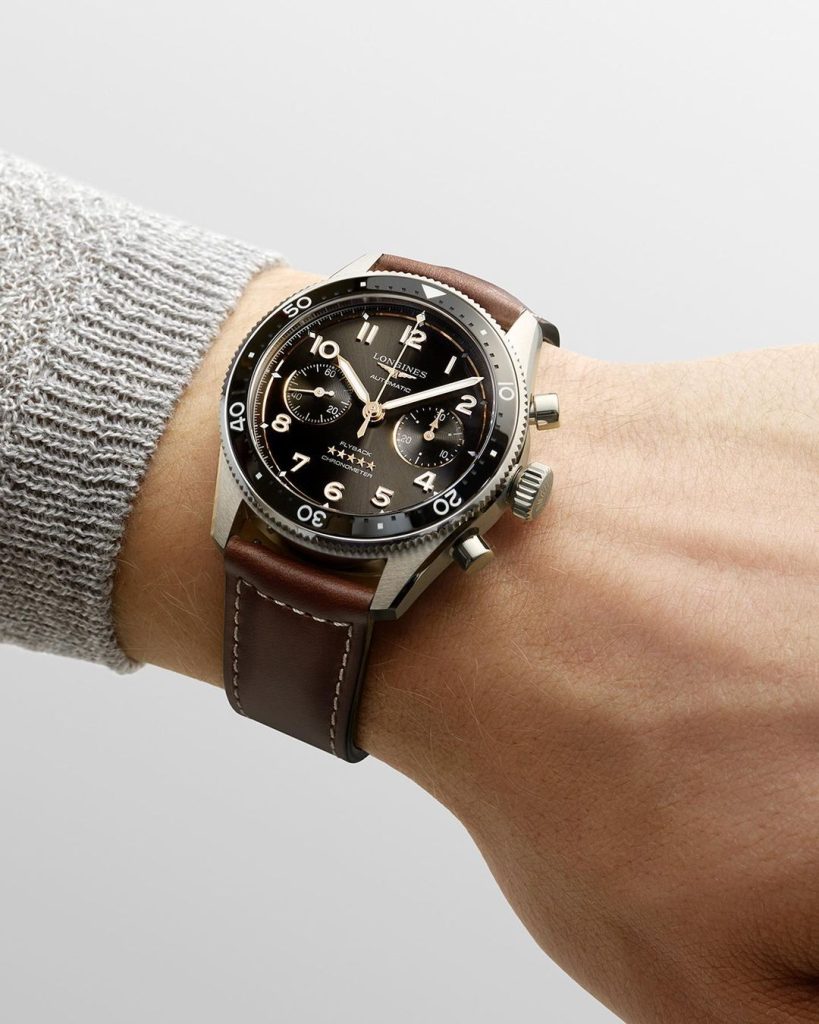
Mechanical Poetry Under Pressure
The violence inside a flyback chronograph is astonishing. The hammer slams the heart cam. The clutch disengages and re-engages with split-second precision. And every component must endure thousands of these moments without wearing prematurely or throwing off accuracy. To design one that works consistently is a triumph. To design one that remains accurate is borderline miraculous.
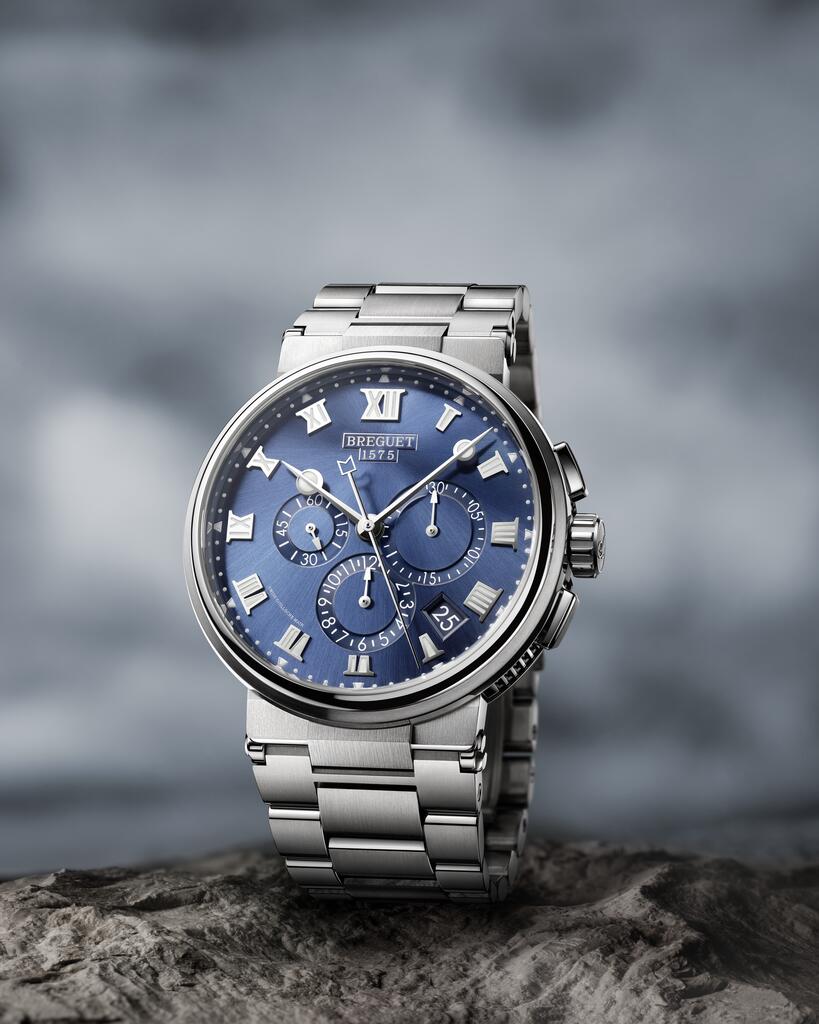
Enduring Relevance In A Digital Age
One might wonder why, in a world where smartphones can measure time down to millionths of a second, the flyback chronograph still matters. The answer lies not in utility but in emotion. A flyback chronograph represents a philosophy—speed without hesitation, engineering without shortcuts, history without dilution. Today, the flyback is found in pilot’s watches, racing chronographs, and haute horlogerie masterpieces that celebrate its legacy. Yet the spirit remains the same: a mechanism built to move fast, think fast, and reset faster.
A Complication That Still Takes Flight
Despite its vintage origins, the flyback chronograph remains a symbol of everything that makes mechanical watchmaking irresistible. It’s overbuilt, beautifully engineered, undeniably dramatic—and all the better for it. In a world that pauses too often before moving forward, the flyback reminds us that sometimes the best thing you can do is snap back to zero and fly ahead in one smooth, confident motion.