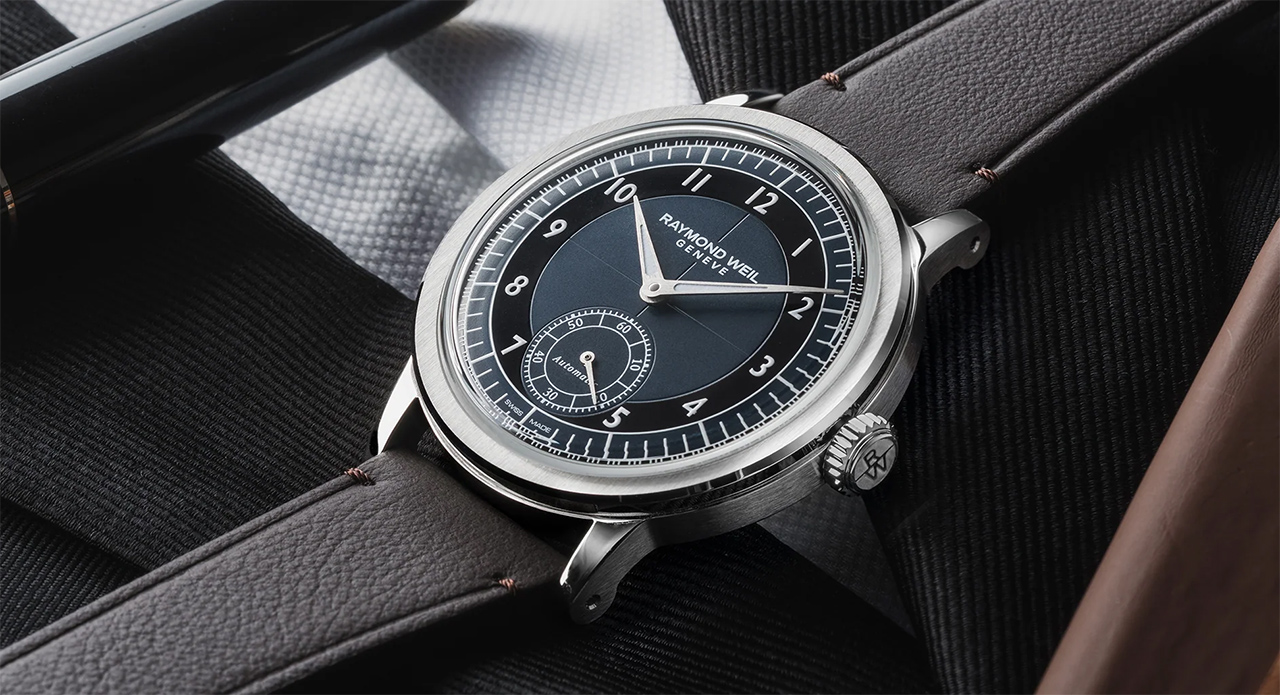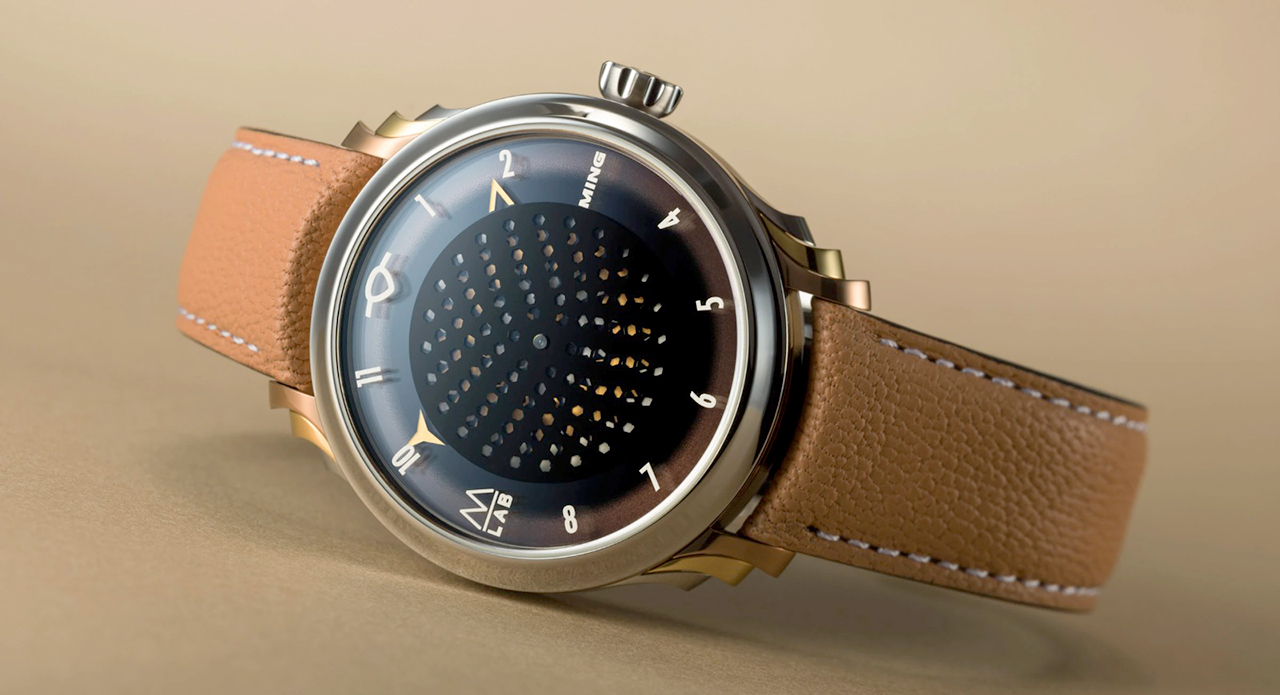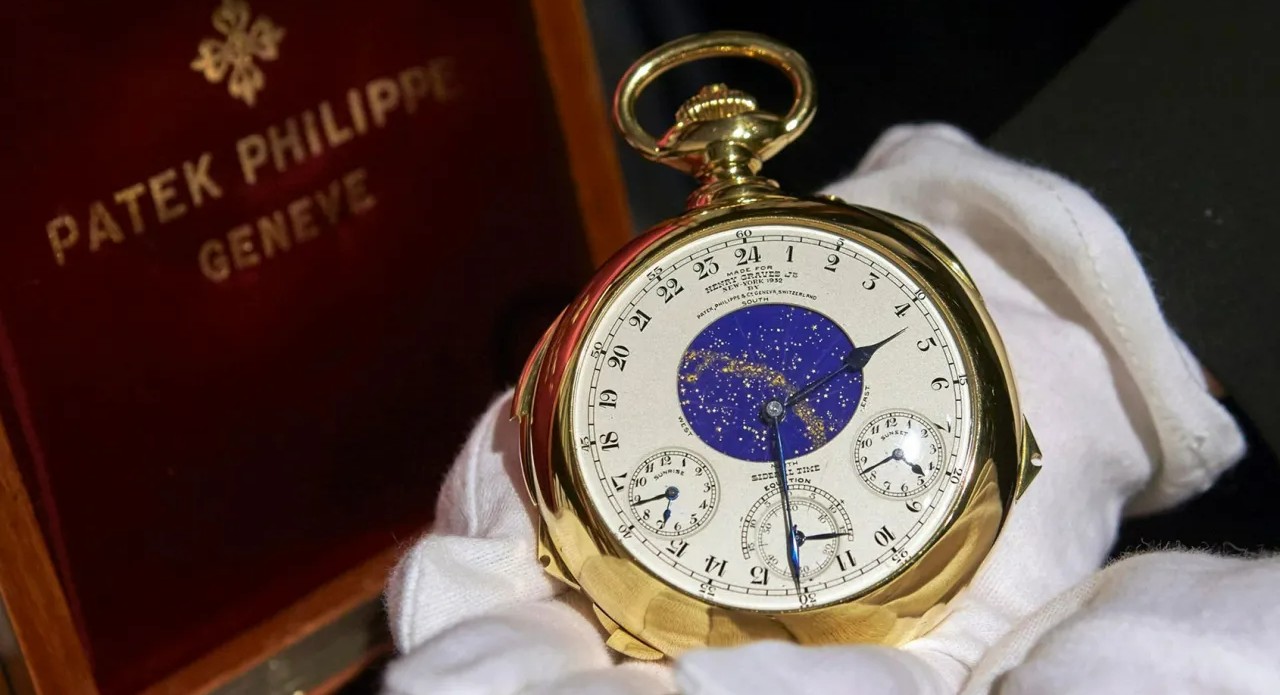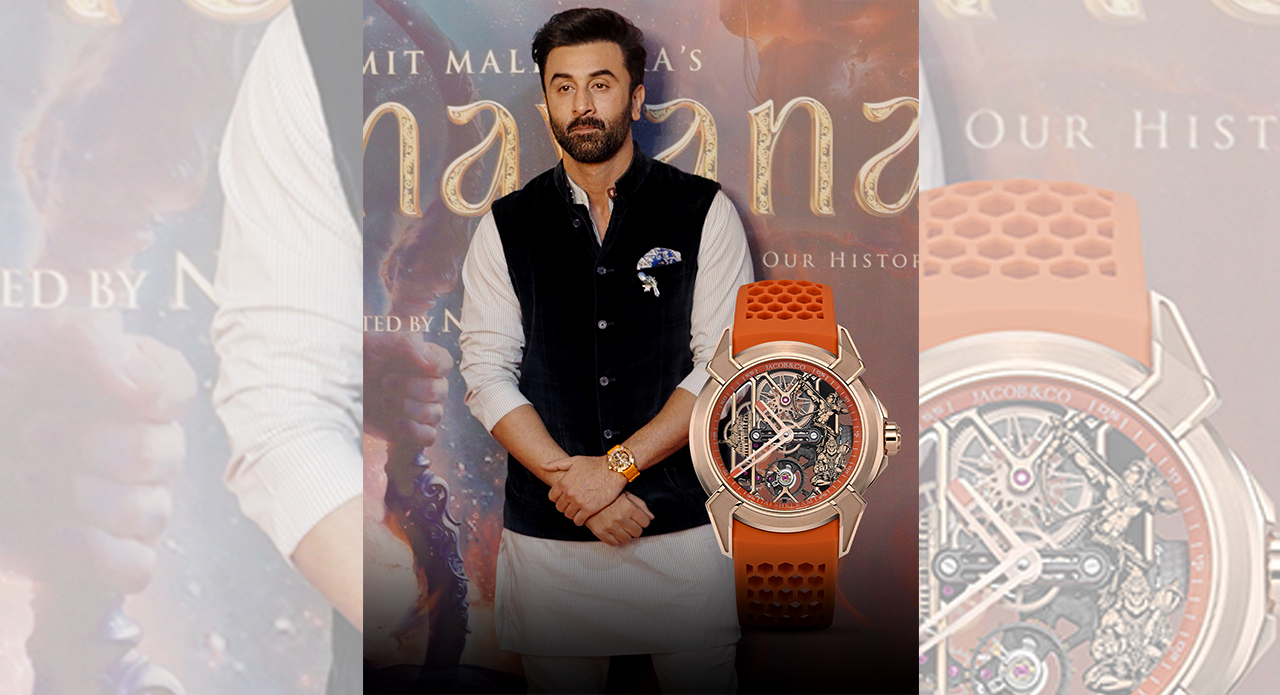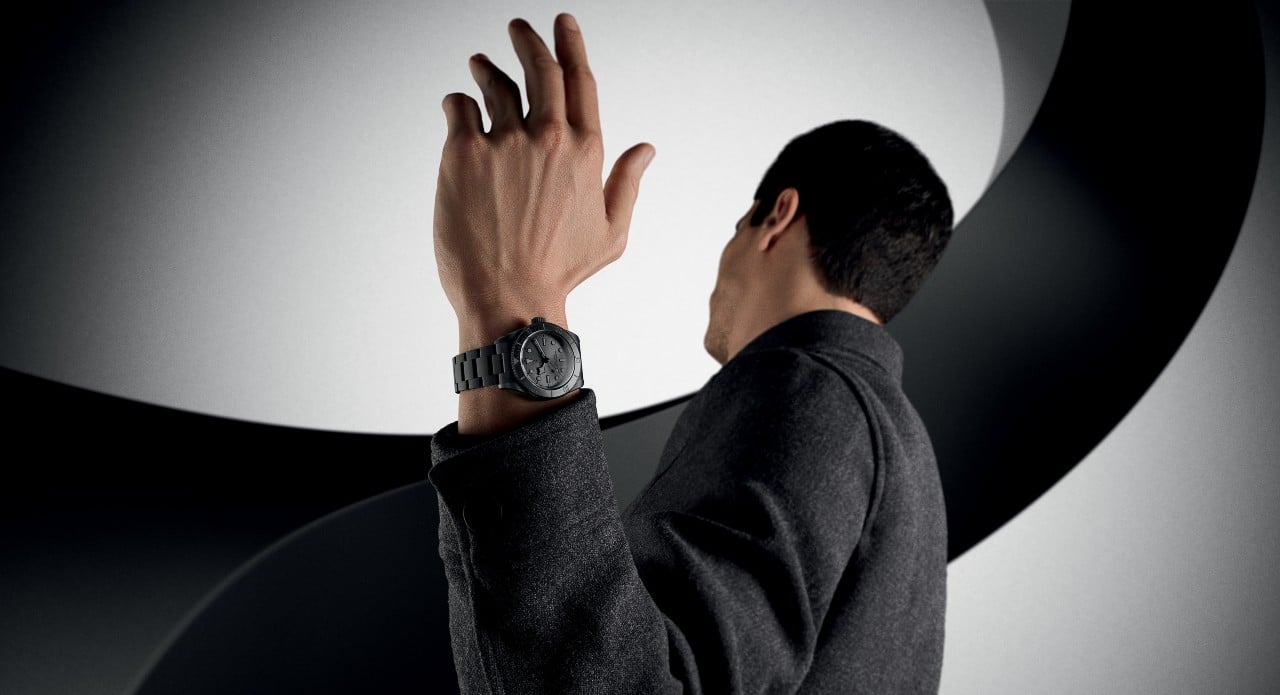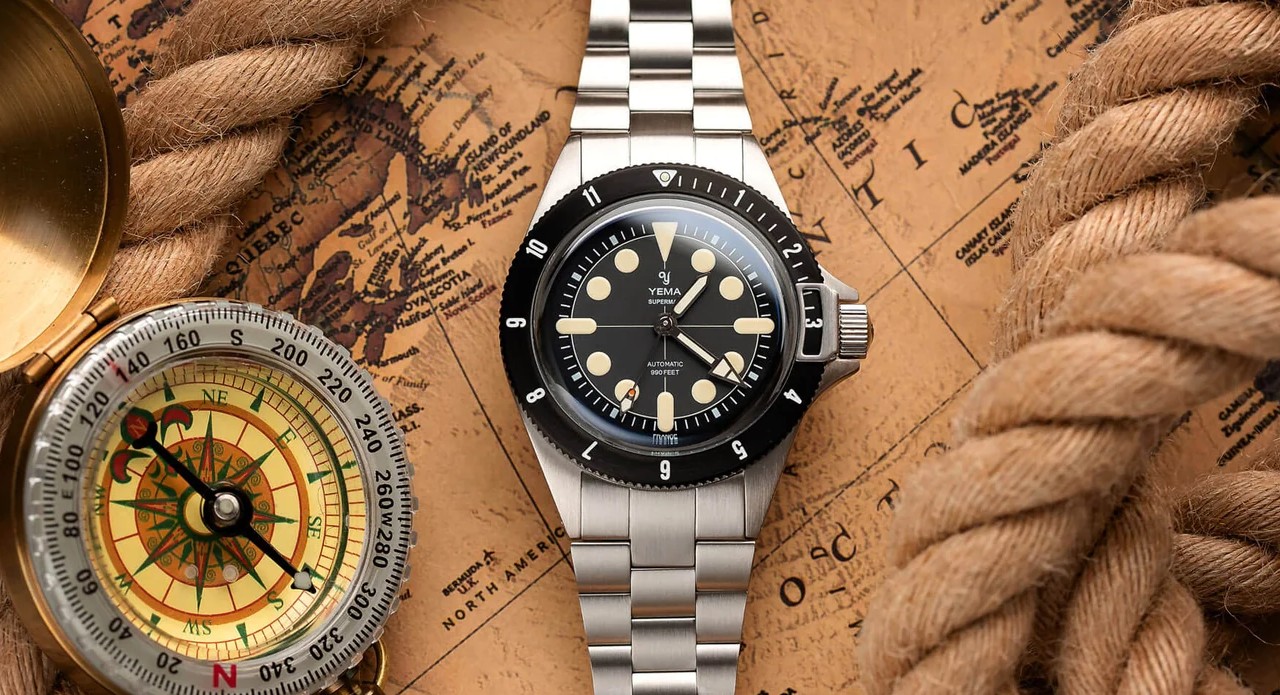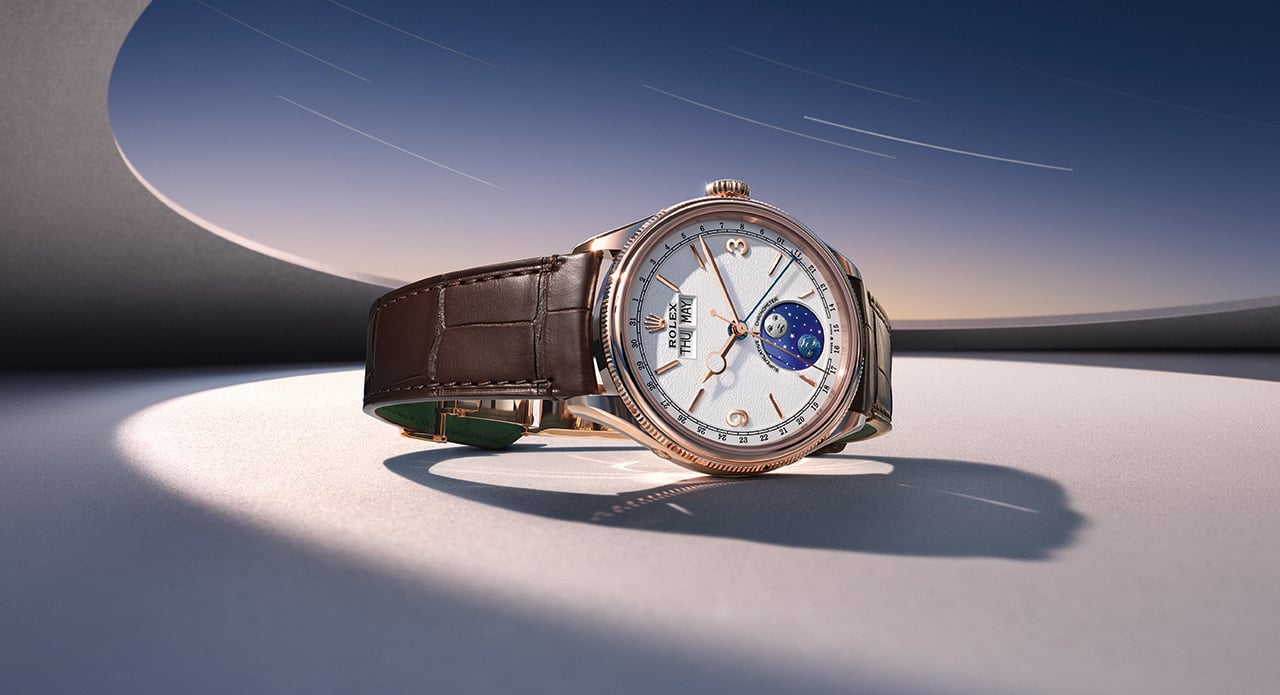


Let us consider the modern predicament of the luxury watchmaker. You have spent several years developing a movement containing hundreds of painstakingly assembled components, employed artisans who can decorate a bridge more beautifully than most people decorate an entire house, and produced a dial whose finish requires the patience of a Victorian gentleman waiting for his inheritance. And what do you do with this mechanical marvel? You photograph it, upload it to Instagram, add a suitably dramatic soundtrack and hope the algorithm takes pity on you. Within seconds, your creation can be seen by millions. Splendid, one might think. Except that a watch is not a pair of socks, and buying one is rarely a decision made entirely on the strength of a photograph.
This, in essence, explains why physical watch fairs continue to matter in an industry that has embraced the digital age with considerable enthusiasm. Social media can introduce a timepiece to the world, but it cannot quite replicate the sensation of holding a finely finished watch, turning it towards the light, feeling the action of its crown or observing a complicated movement performing its mechanical ballet. For all the wonders of modern technology, discovering a luxury watch remains stubbornly, gloriously physical.
Instagram Can Show A Watch, But It Cannot Tell Its Entire Story
There is no denying the extraordinary reach of digital launches. A brand can reveal a new collection to international audiences without flying journalists across continents, arranging elaborate exhibitions or building a temporary palace for its latest chronograph. Instagram, YouTube and online presentations have become indispensable tools for communicating product information, reaching younger audiences and keeping collectors informed. Yet a screen has its limitations. A photograph can display the colour of a dial, but it may struggle to communicate the subtle texture of its surface. A video can demonstrate a tourbillon, but it cannot replace the pleasure of examining the finishing on its bridges and screws in person. Even the most sophisticated digital presentation cannot fully convey the weight of a gold case or the way a bracelet settles against the wrist.
Luxury, after all, frequently resides in details that cannot be adequately expressed through a specification sheet. Physical fairs allow collectors and journalists to inspect those details at close quarters, ask questions and understand what distinguishes one watch from another. When craftsmanship is measured in fractions of a millimetre, looking closely becomes rather more important than scrolling past.
Where The Watchmaking World Comes Together
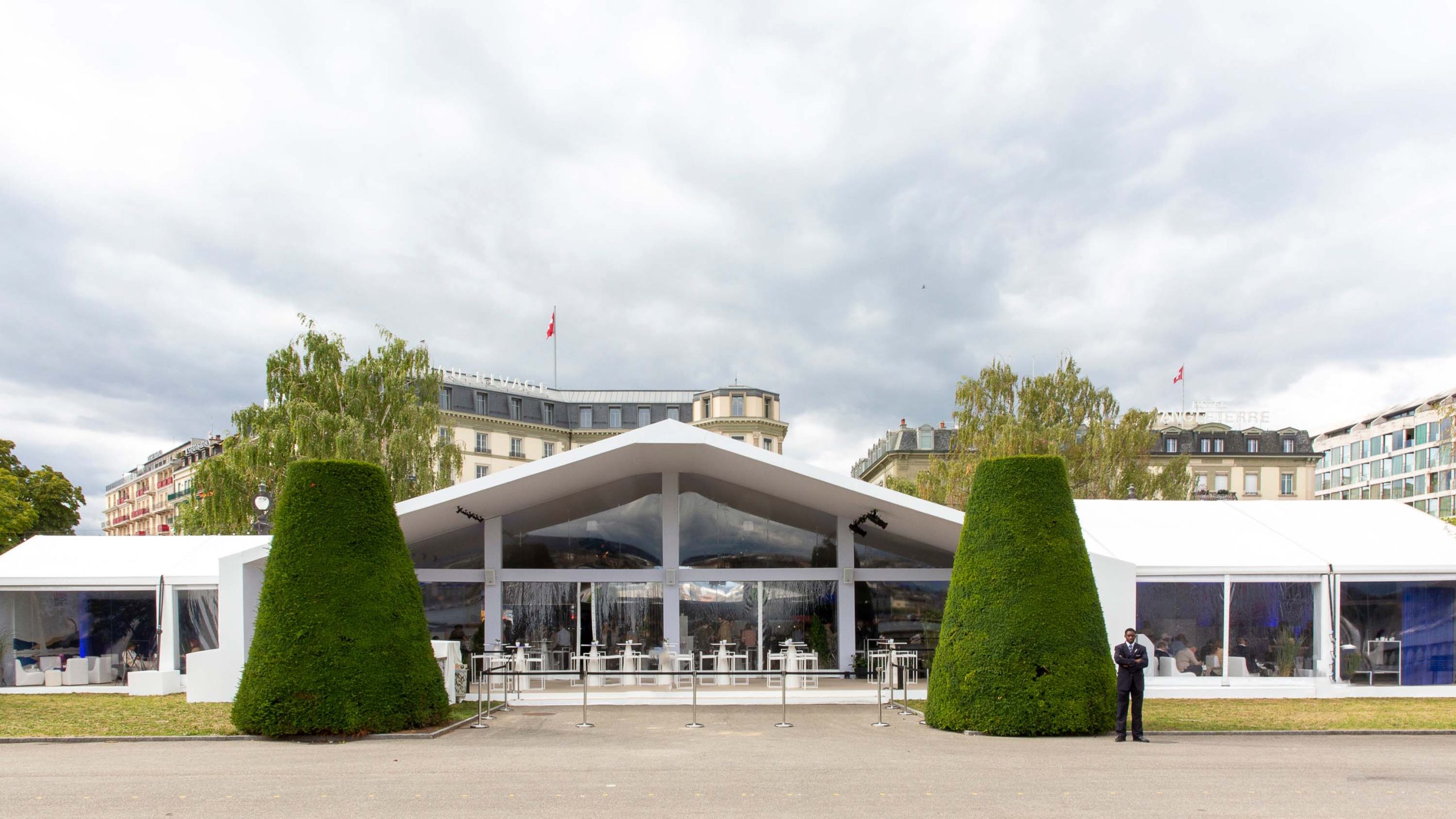
Major international exhibitions, including Watches and Wonders Geneva and Geneva Watch Days, provide something that individual online launches cannot easily reproduce: a concentrated meeting place for the watchmaking industry. Established maisons, independent creators, retailers, journalists and collectors gather to discover new releases, exchange ideas and discuss the direction in which horology is heading. These exhibitions are not merely elaborate showrooms. They are commercial and cultural meeting grounds where relationships develop, distribution opportunities emerge and the people responsible for creating watches can explain their thinking directly.
For collectors, this means access to the individuals behind the objects they admire. For journalists, it offers the opportunity to examine new releases and ask questions that might otherwise remain unanswered. Retailers can assess collections, meet brand representatives and understand what their customers may want next. For watchmakers, meanwhile, a launch becomes more than an announcement. It becomes a conversation, occasionally an argument about design, and sometimes the beginning of a relationship that lasts for years.
Also Read: Pranav Saboo Interview: GPHG And Ethos Celebrate Contemporary Watchmaking In India
Independent Watchmakers Need More Than An Algorithm
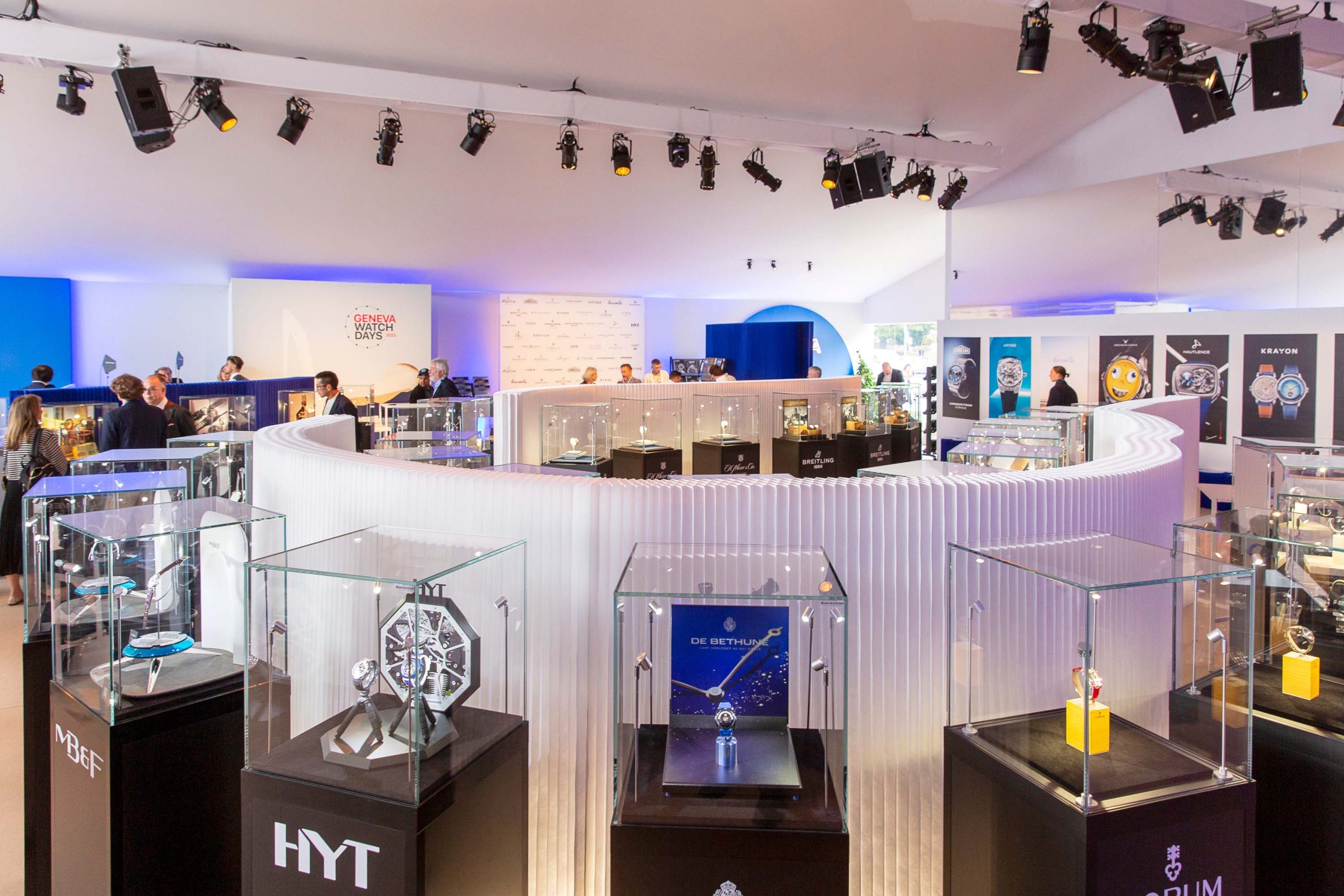
The case for physical fairs becomes particularly persuasive when considering independent watch brands. Unlike established Swiss maisons, many smaller manufacturers do not possess enormous marketing budgets or global boutique networks. Their creations may be technically extraordinary, but their names can remain unfamiliar to collectors beyond a relatively small community. A specialist exhibition offers these watchmakers an opportunity to stand alongside established brands, demonstrate their expertise and meet potential customers face to face. A collector who has never encountered an independent maker online might discover an entirely new appreciation for the craft after examining a watch and speaking to the person who designed it.
Such encounters can lead to media coverage, retail partnerships and international recognition. More importantly, they offer smaller brands an opportunity to establish credibility through direct engagement with knowledgeable enthusiasts. In a market increasingly crowded with digital content, a compelling watch and an equally compelling conversation can prove more memorable than another carefully edited promotional reel.
Could India Be The Next Important Watch Fair Destination?
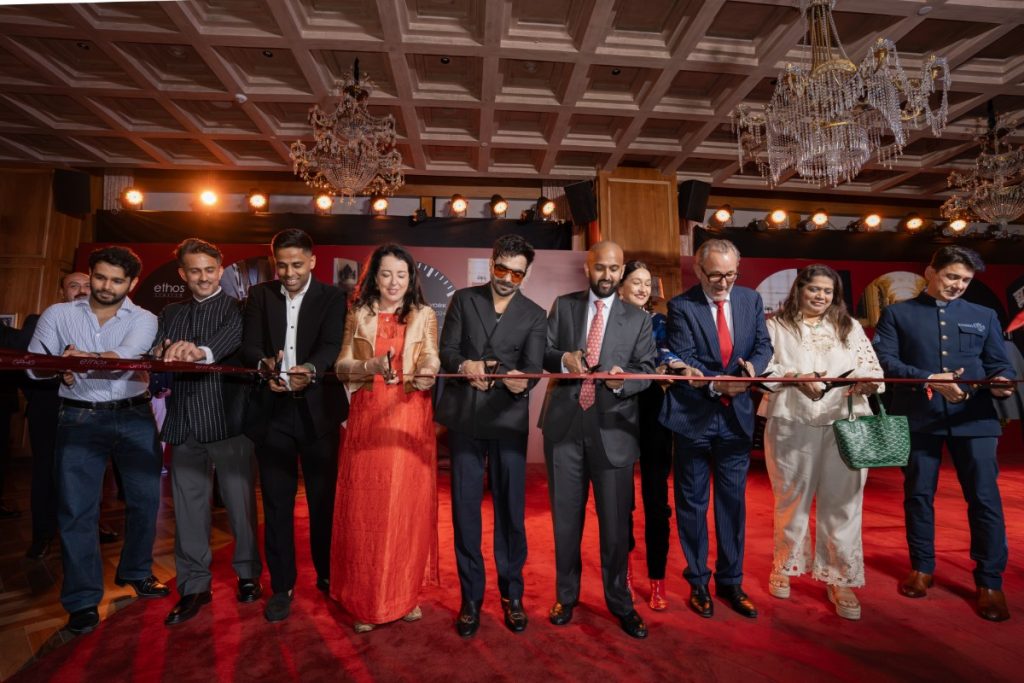
For India, the question is especially interesting. The country’s luxury market is expanding, and interest in mechanical watches is developing beyond traditional purchasing centres and established collector circles. Yet there remains considerable room to build awareness of independent watchmaking, complications, movement finishing and the stories behind historic manufacturers.
Well organised regional exhibitions could help bridge this gap. They would give Indian collectors opportunities to discover international and domestic brands, meet watchmakers and engage with the wider horological community without necessarily travelling overseas. For brands, such events could provide a clearer understanding of Indian consumers, whose interests extend from heritage driven Swiss watches to contemporary independents and technically adventurous designs. For emerging collectors, they could transform watch collecting from an intimidating pursuit into a more accessible and engaging passion.
Of course, an exhibition cannot succeed merely by placing expensive watches beneath bright lights and hoping wealthy visitors appear. It needs meaningful participation, informed conversations, compelling presentations and genuine opportunities for discovery.
The Future Is Neither Entirely Digital Nor Entirely Physical
It would be foolish to suggest that physical watch fairs can ignore the convenience of online launches. Digital platforms remain essential for reaching global audiences, building anticipation and extending the life of a new collection long after an exhibition has closed its doors.
The more persuasive future is one in which both approaches work together. Instagram creates awareness; a physical exhibition deepens interest. Online presentations introduce a watch; personal encounters provide context, confidence and connection. Luxury watchmaking has survived wars, economic upheavals, quartz movements and the occasional misguided design decision. It is unlikely to surrender its appeal simply because everyone now carries a camera and a global publishing platform in their pocket.
A watch may be photographed in a fraction of a second, but understanding why it deserves admiration can take considerably longer. And that, perhaps, is why the world’s watchmakers continue to gather beneath exhibition hall lights rather than entrusting their entire future to an algorithm. Because when it comes to mechanical watches, seeing is useful, but looking closely is altogether more rewarding.