How Dong Gong and Vector Architects Redefine Site-Specific Architecture In Modern China
Architecture shaped by land, climate, and material becomes a quiet force of design precision as Vector Architects transforms landscapes into immersive spatial experiences with deliberate restraint, creating work that is not mere construction but architecture emerging directly from its environment
Dong Gong and his practice Vector Architects are not in the business of making loud buildings. They are not interested in skyscrapers that scream for attention or structures that look like they have been designed by someone trying to impress an algorithm. No, what they do is far more unsettling. They make architecture that listens. Based in China, Vector Architects approaches design as a process of careful reduction, where every unnecessary flourish is stripped away until what remains feels inevitable. Form does not arrive with a grand gesture. It quietly emerges from the site itself, shaped by climate, material, and the peculiar logic of the landscape. Natural light is not an afterthought, it is a building material. Space is not divided, it flows. And the relationship between structure and environment is not decorative, it is fundamental.
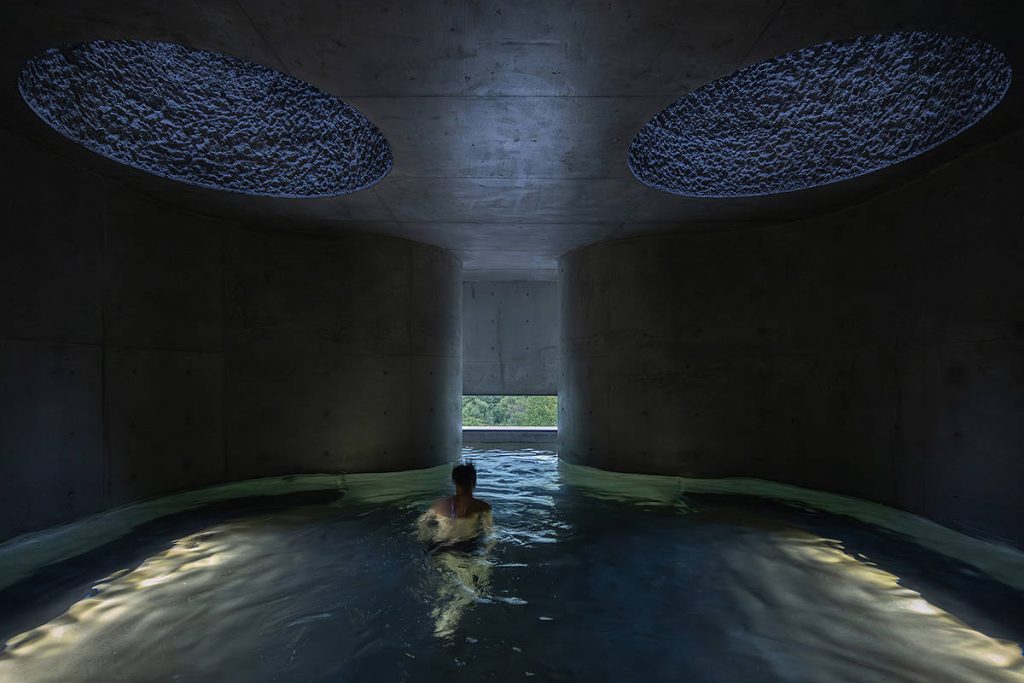
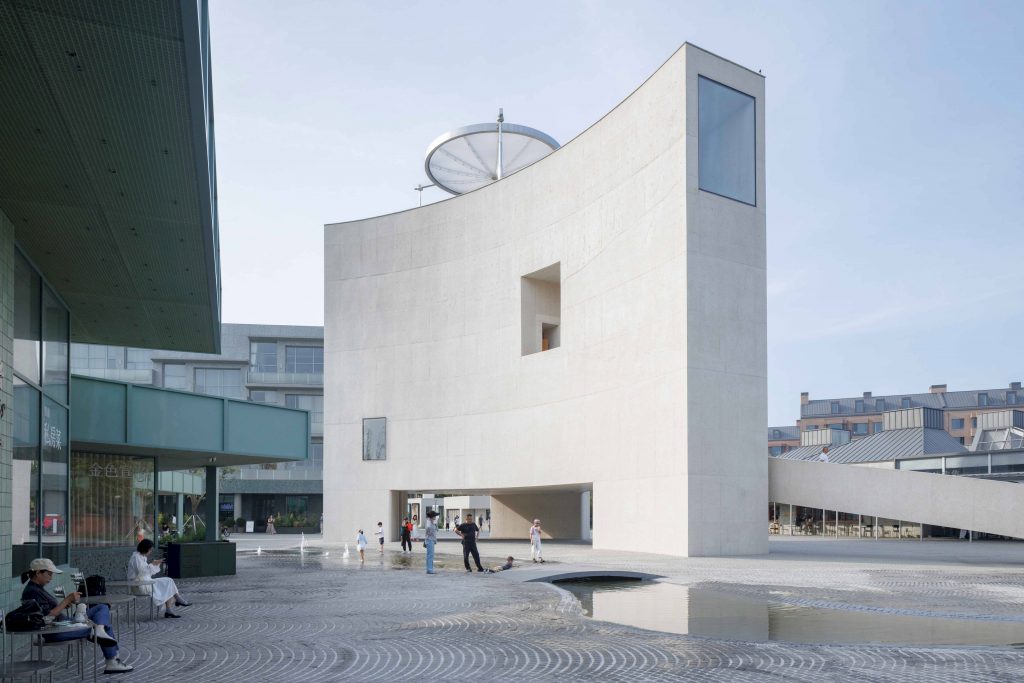
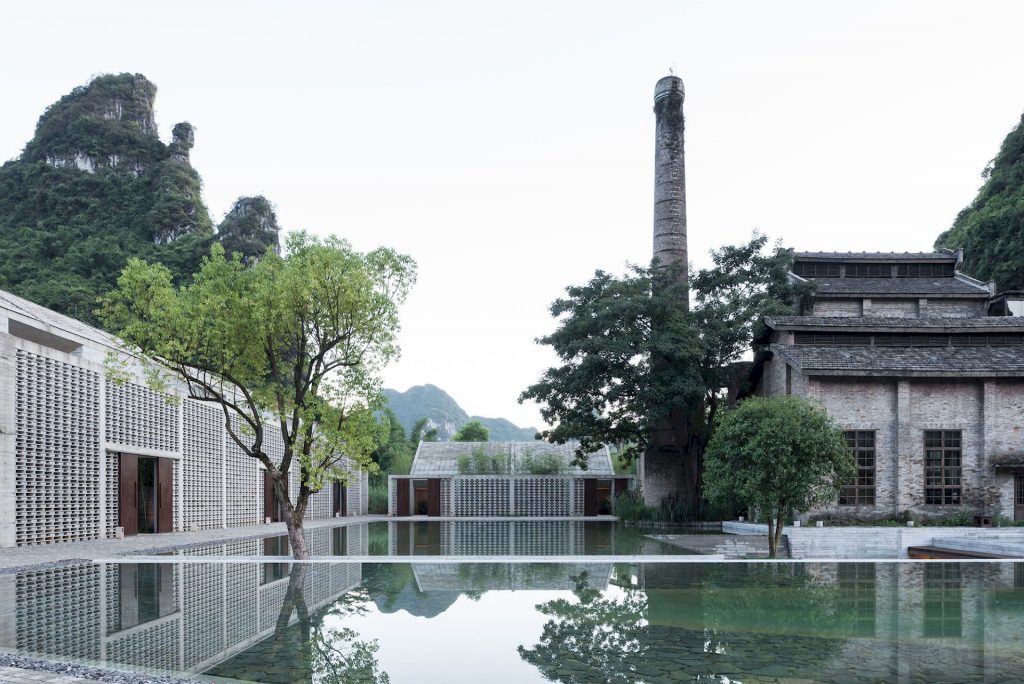
Take the Alila Yangshuo Hotel, which could have easily been just another luxury resort carved into a picturesque location. Instead, it becomes something far more interesting. A former industrial site is transformed into a sequence of spatial experiences that feel less like rooms and more like moments. Stone walls rise with a kind of quiet authority, water reflects light in a way that makes you question where the building ends and the landscape begins, and vegetation is not planted but orchestrated. It is architecture that does not sit on the land but dissolves into it, blurring the line between inside and outside until the distinction feels almost irrelevant.
Also Read: Meet Anupama Kundoo: The Architect Challenging Cultural Standardisation In Modern Architecture
Then there is the Captain’s House, which operates on a completely different scale but with the same obsessive clarity. Here, the dialogue is with the sea. The building does not fight the coastal conditions, it embraces them. Raw materials are left unapologetically exposed, openings are framed with surgical precision, and every view is carefully composed so that the horizon becomes part of the architecture itself. It is intimate, restrained, and quietly powerful, the sort of place that does not overwhelm you but slowly recalibrates how you experience space.
Across these projects, Dong Gong and Vector Architects have developed a language that is almost radical in its restraint. There are no unnecessary gestures, no visual noise, just a precise alignment between building and environment. It is architecture that does not impose itself on geography but grows out of it, turning space into a direct reading of natural forces. And in a world increasingly filled with buildings that try far too hard, that might just be the most rebellious thing of all.