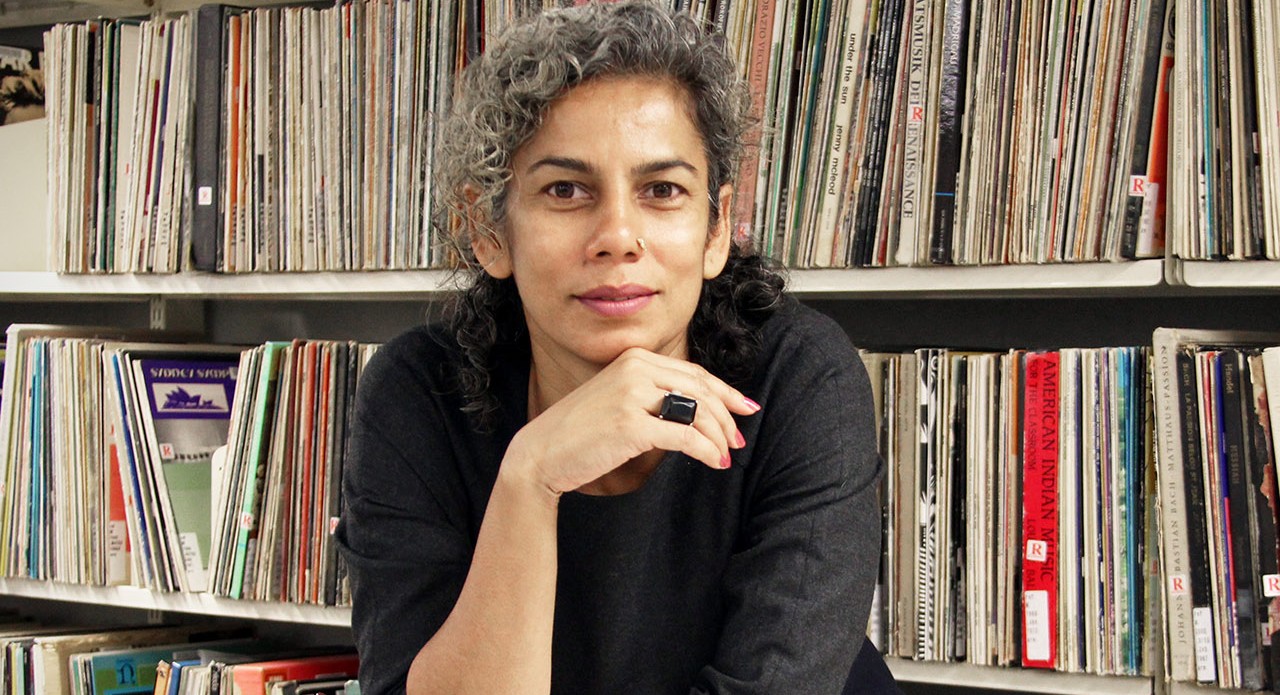


There are architects who follow the script, and then there are those who look at the script, raise an eyebrow, and quietly set fire to it. Anupama Kundoo belongs very firmly in the latter category. In an age where cities across the world are beginning to resemble one another with alarming enthusiasm, she has made a career out of doing precisely the opposite, creating buildings that feel rooted, thoughtful, and refreshingly unwilling to conform.
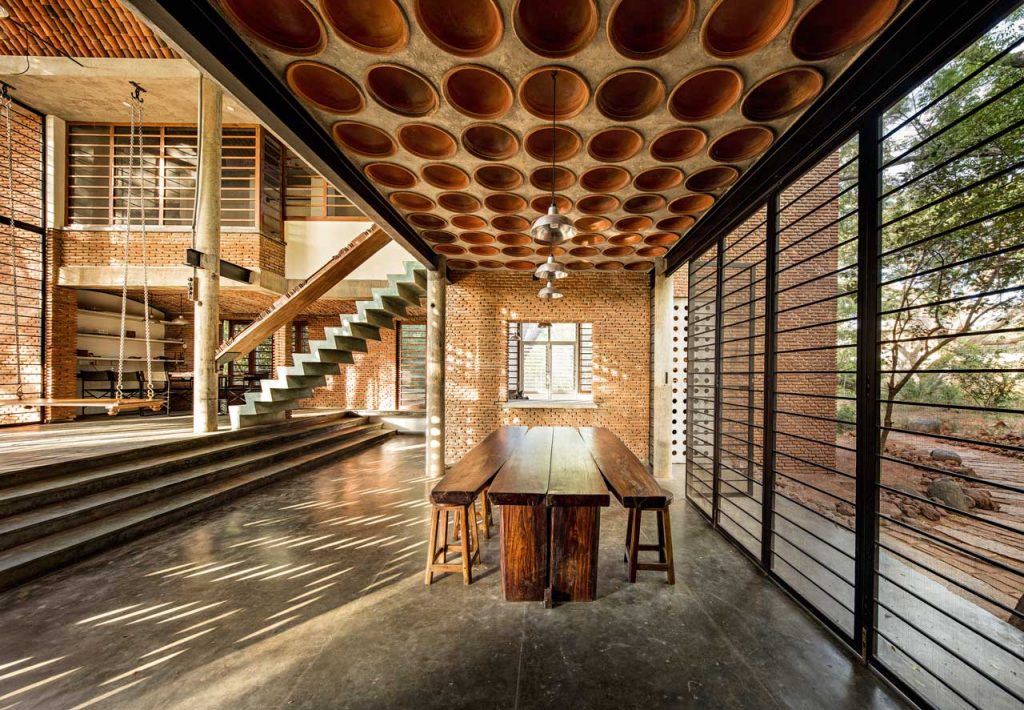
An architect who refuses to follow the script, choosing materials, methods, and meaning over mass produced design, she stands apart in a profession that often confuses scale with substance and speed with success. There is no obsession here with height, spectacle, or the sort of architectural bravado that looks good in glossy magazines but feels oddly disconnected in real life. Instead, there is a quiet insistence on doing things properly, even if that means doing them slowly.
Born in Pune and trained at the Sir J. J. College of Architecture, Kundoo could very easily have followed the well worn path into corporate architecture. Glass towers, international commissions, predictable acclaim. The usual. But instead, she chose something far more interesting. She went to Auroville, a place that feels less like a city and more like a philosophical experiment, and began working in a way that most of the industry had long since abandoned.
From Auroville to global academia, her journey reflects a rare balance between grounded practice and intellectual exploration. It is here, in this rather unconventional setting, that her ideas began to take shape, built on a simple but increasingly radical notion. Architecture should respond to where it is, not impose itself upon it.
Because the modern architectural machine is built on efficiency. Standardised materials, repeatable designs, quick construction. It is impressive, certainly. But it also produces a kind of uniformity that makes one wonder whether buildings have started to lose their sense of identity altogether. Walk through any major city and the pattern becomes painfully clear. Glass, steel, repetition. Climate and culture quietly pushed aside in favour of convenience.
Kundoo’s work does not participate in this. It resists it. Her buildings are not loud, but they are deeply expressive. They use materials like terracotta, lime, and recycled elements not as a nostalgic nod to the past, but as intelligent responses to climate and context. These materials breathe. They regulate temperature. They age with a kind of dignity that modern composites can only dream of. And most importantly, they belong.
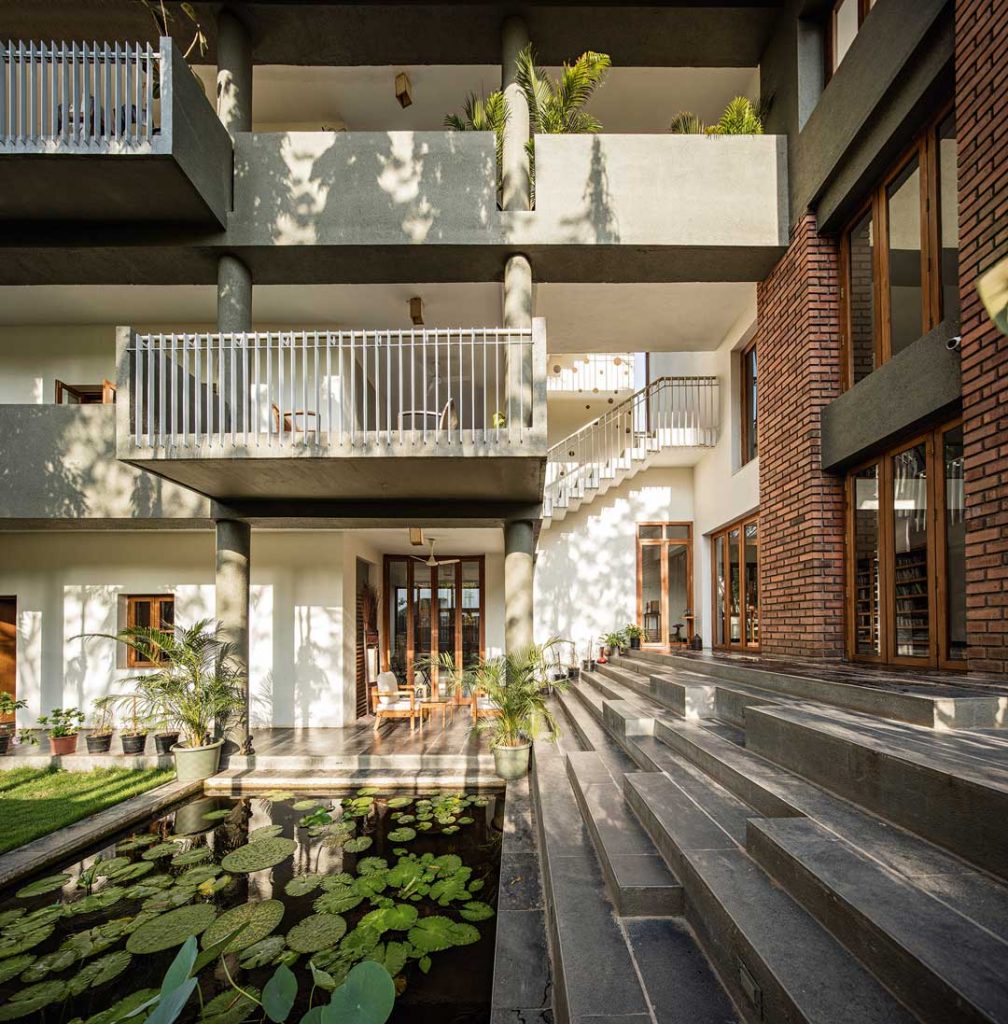
Sustainability, in her world, is not an afterthought. It is not a feature added at the end of a project to satisfy a checklist. It is the starting point. It is embedded in every decision, from material selection to construction techniques, creating buildings that are not just efficient but genuinely harmonious with their surroundings. And yet, there is nothing remotely old fashioned about what she does.
Also Read: Who Was Vittorio Garatti? Exploring the Vision of the Italian Architect
Traditional methods are not preserved for the sake of tradition. They are reworked, refined, and occasionally pushed into entirely new territory. Her projects function as experiments, exploring how architecture can be both affordable and sophisticated, both simple and innovative. Structures like the Wall House or her Full Fill Homes are not grand statements designed to impress from a distance. They are thoughtful, tactile spaces that reveal their brilliance slowly, through use, through light, through time. Buildings, in her hands, become something more than objects. They become experiences.
Her influence extends well beyond what she builds. As an academic, she has taught at institutions such as ETH Zurich and Universitat Politècnica de Catalunya, challenging students to rethink the fundamentals. Why should a building in India resemble one in Europe. Why should efficiency take precedence over identity. Why has architecture become so comfortable with sameness. These are not questions that produce easy answers, but they are necessary ones.
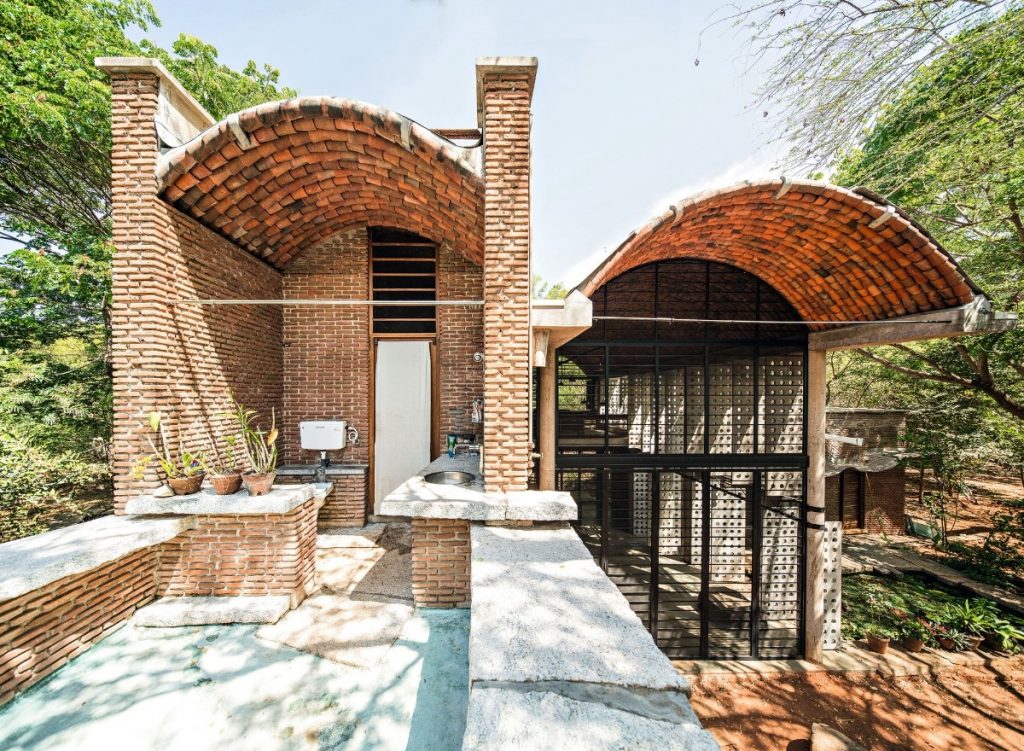
Because what Kundoo is really challenging is not just design, but mindset. The idea that progress must always mean uniformity. The assumption that modernity requires the abandonment of local identity. Her work proves, quite convincingly, that the opposite can be true. There is also a distinctly human dimension to everything she does. By working with local materials and labour intensive techniques, her projects support communities, preserve craftsmanship, and create systems that are socially as well as environmentally sustainable. It is a reminder that architecture is not just about buildings, it is about people, about skills, about continuity.
And perhaps that is what makes her work so compelling. It does not shout. It does not rely on spectacle or excess. Instead, it quietly demonstrates that architecture can be intelligent, responsible, and deeply connected without losing its sense of innovation. In a world that seems increasingly determined to standardise everything, Anupama Kundoo offers something far more interesting. A way of building that respects difference, embraces context, and refuses to settle for the convenient. Which, when one thinks about it, is exactly what architecture should have been doing all along.