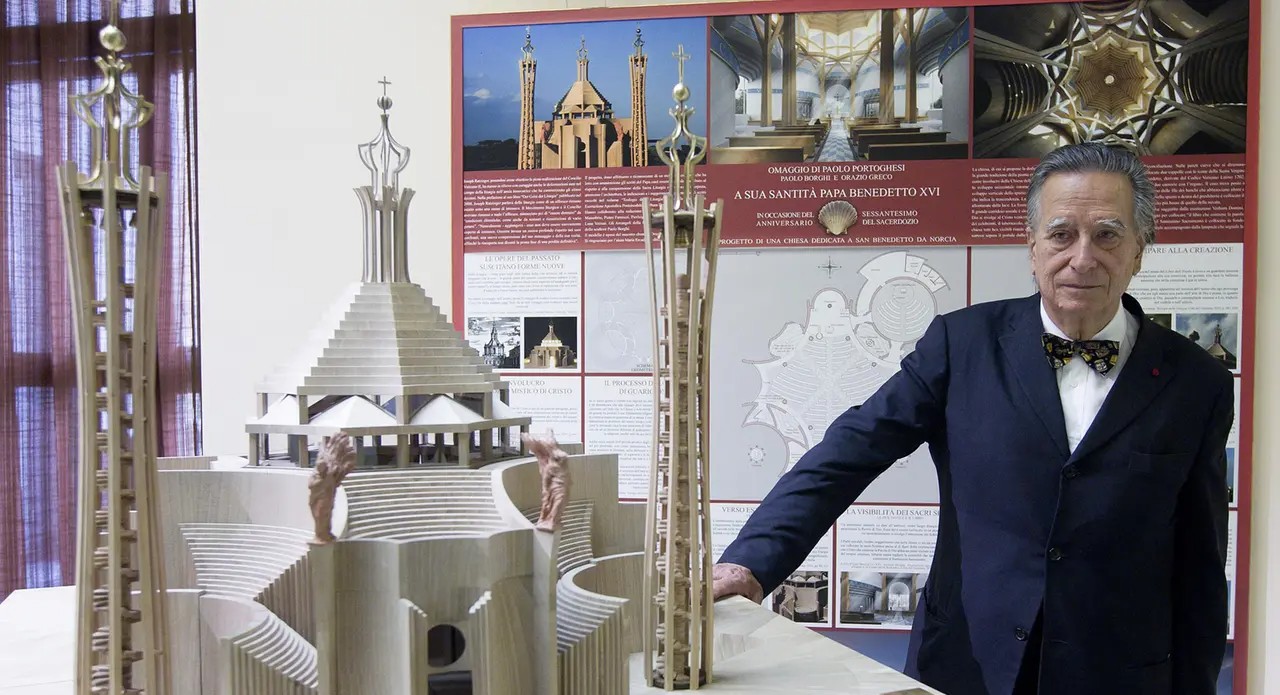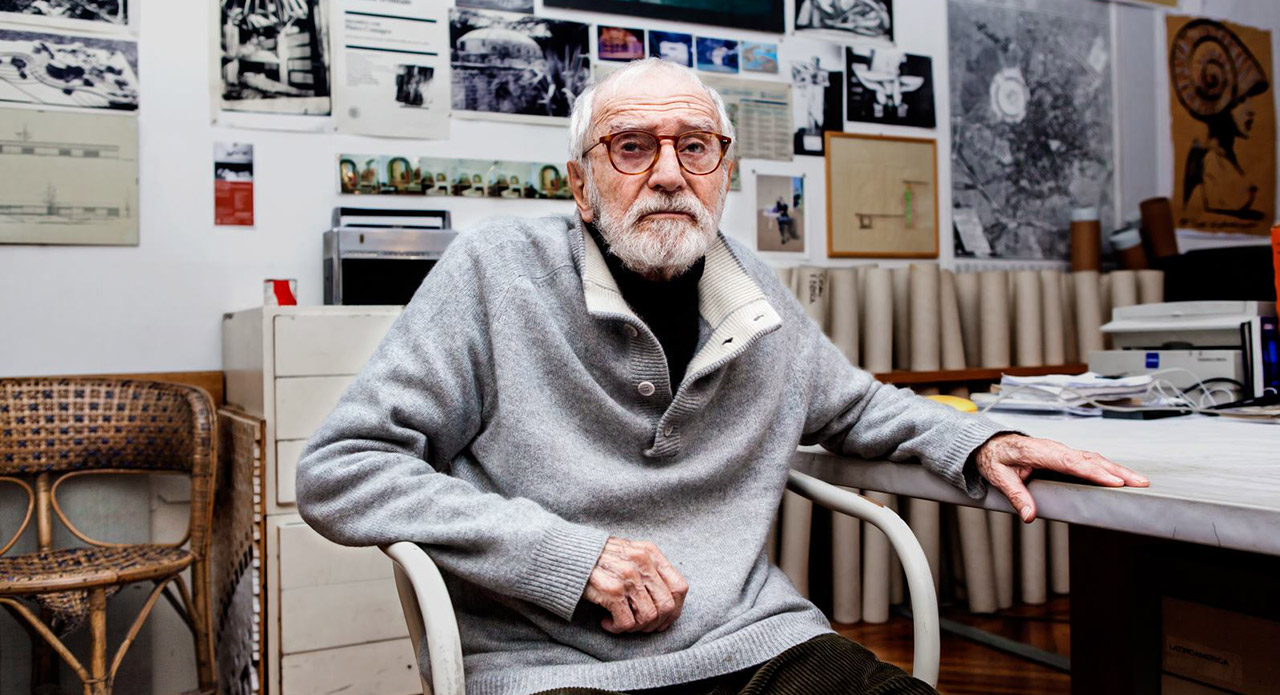


There are architects who design buildings, and then there are those who seem to wage war against the very idea of a straight line. Vittorio Garatti falls squarely into the latter camp. At a time when modernism was busy turning cities into grids of glass and steel, neat, efficient, and about as emotionally engaging as a filing cabinet, Garatti decided that architecture ought to feel something. And not just a little something, but everything. Curves instead of corners, movement instead of rigidity, and spaces that did not merely exist but unfolded like a piece of music. It was bold, it was unconventional, and, as it turned out, it was also rather inconvenient for the powers that be.
Early Life: Roots of a Rebel
Born in Italy, Garatti was shaped by a Europe still grappling with the aftermath of war and the rigid doctrines of reconstruction. While many architects of his time leaned into rationalism and order, he found himself drawn to something far more expressive. There was an inherent dissatisfaction with the idea that buildings should simply serve function. For Garatti, architecture was not just about shelter or utility. It was about experience, emotion, and, above all, freedom. This philosophical stance would eventually lead him far from Italy, to a place where, for a brief moment, imagination was given free rein.
Cuba: Where Vision Met Opportunity
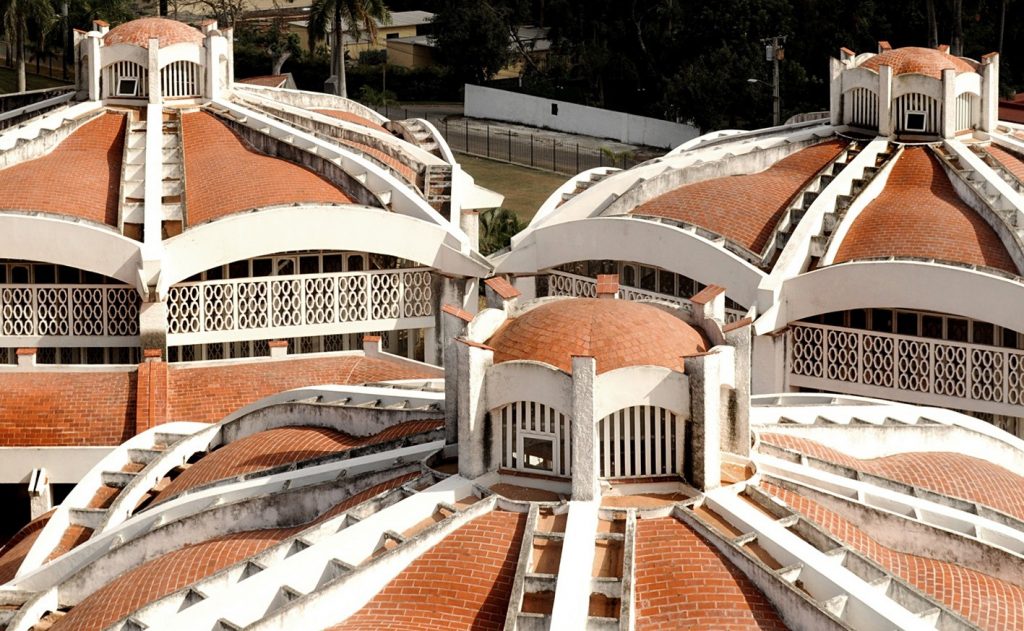
In the early 1960s, Garatti arrived in Cuba, a country in the throes of revolutionary optimism following the Cuban Revolution. Under the leadership of Fidel Castro, there was a desire to redefine culture, identity, and education. And so emerged one of the most ambitious architectural projects of the era, the National Art Schools in Havana. Alongside fellow architects, Garatti was tasked with designing spaces that would nurture creativity in its purest form.
The National Art Schools: Architecture in Motion
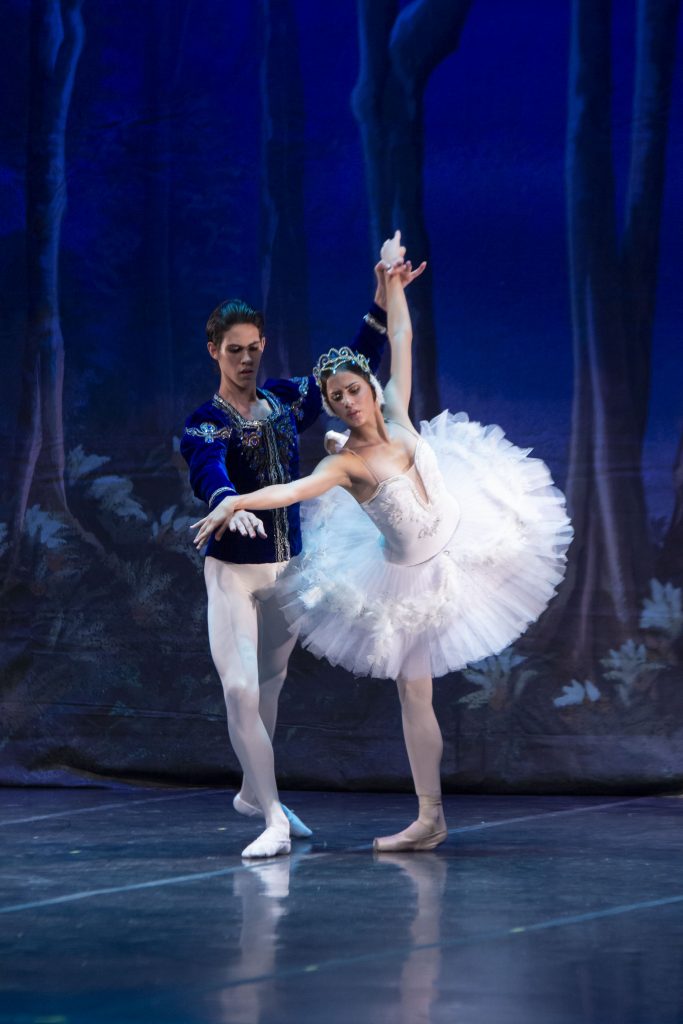
Garatti’s designs for the School of Ballet were unlike anything the world had seen. Instead of rigid classrooms and predictable corridors, he created a flowing composition of vaulted spaces, interlinked pathways, and organic forms that seemed to grow out of the landscape itself. Built using traditional materials like brick and terracotta, due to the embargo limiting access to steel and concrete, the structures embraced constraint and turned it into artistry.
Walking through these spaces was not a matter of moving from point A to point B. It was a journey. Light filtered through arches, shadows danced across curved walls, and every turn revealed something unexpected. It was architecture that invited exploration, that encouraged movement, that felt alive.
Fall from Favour: When Vision Becomes Problematic
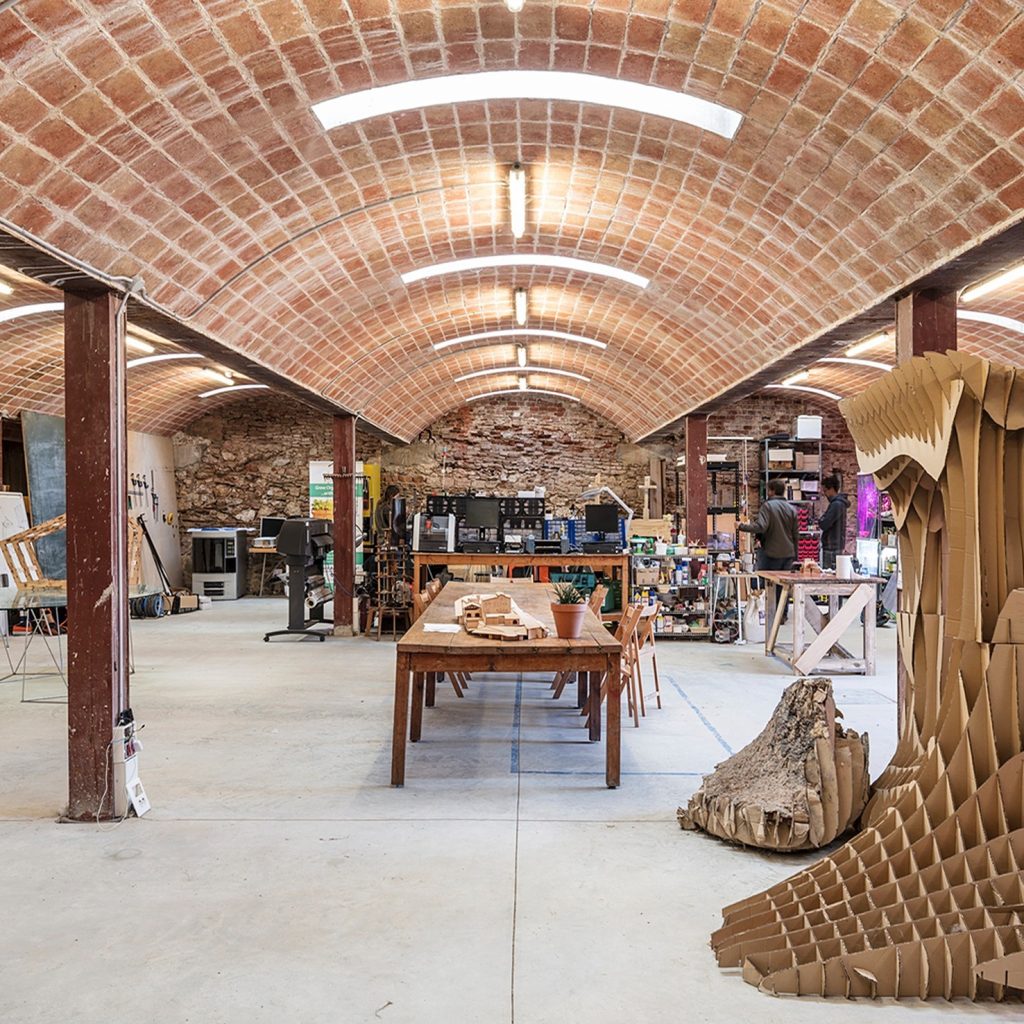
And then, quite predictably, it all became a bit too much. As political priorities shifted and economic realities set in, Garatti’s work, once celebrated, began to be viewed as impractical, even extravagant. The very qualities that made his designs remarkable, their complexity, their deviation from strict functionalism, became liabilities. Construction slowed, funding dwindled, and eventually, the project was abandoned. Garatti left Cuba, his vision incomplete, his work left to weather time and neglect.
Rediscovery and Legacy
For decades, the National Art Schools stood as haunting relics of what might have been. But architecture, much like art, has a curious way of resurfacing. In recent years, Garatti’s work has been rediscovered and re-evaluated, celebrated not as a failed experiment, but as a bold and necessary departure from convention.