The Role Of Facades In Architecture: Where Design Meets Function
A building’s outer layer does far more than look good, balancing beauty, climate control, daylight and the character of the streets around it
Think of a building you love. Chances are, the first thing that comes to mind is its face: the pattern of windows, the texture of the walls, the way the light lands on it at the end of the day. That outer layer, the facade, is what most of us notice first. It is also one of the hardest-working parts of any structure, quietly doing a hundred jobs while looking good at the same time.
More Than a Pretty Surface
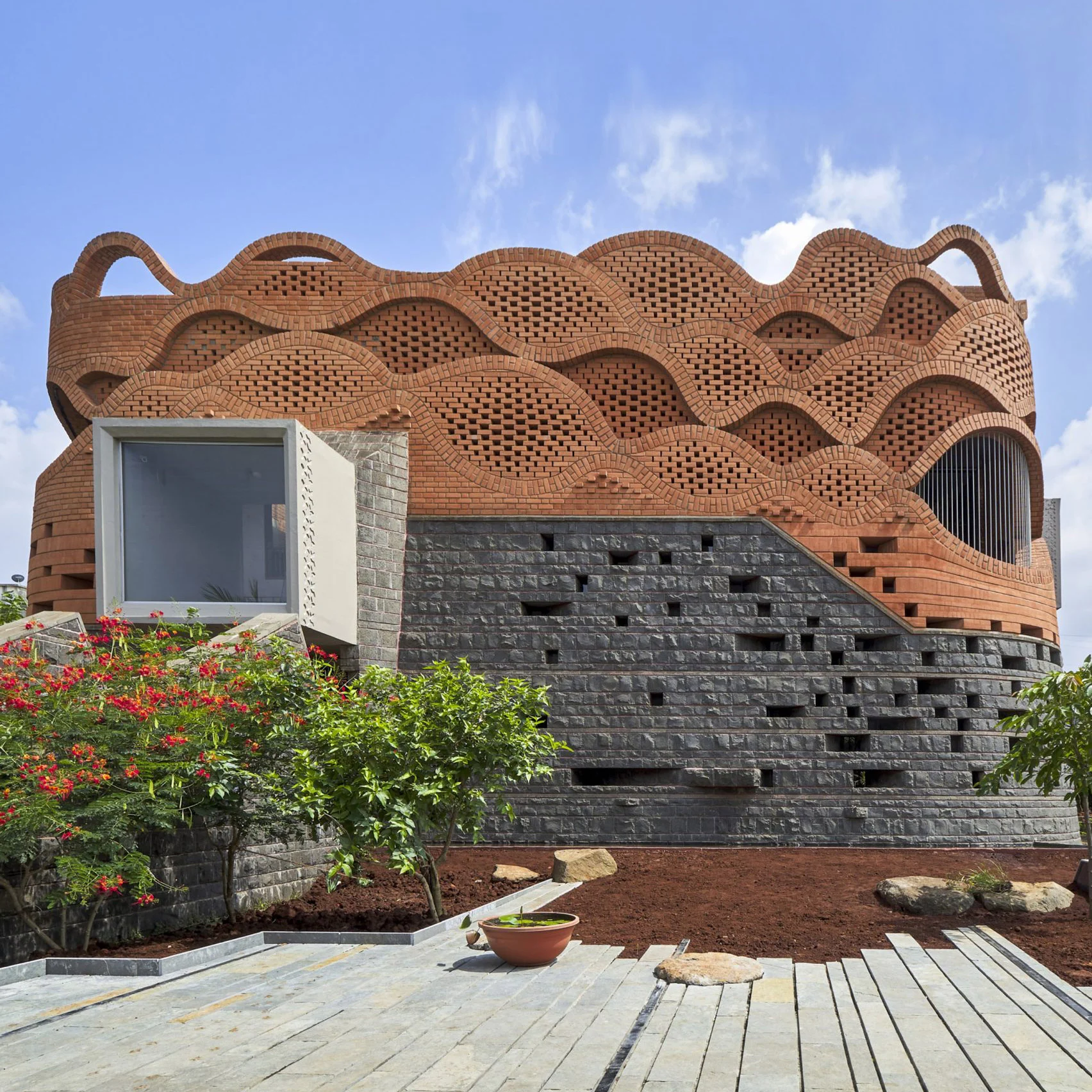
It is tempting to treat a facade as decoration, a kind of wrapping applied once the real work is done. In practice, it is closer to a building’s skin. It keeps out rain and wind, manages heat, lets in daylight and shapes the views from inside. Get it right and a space feels comfortable almost without anyone noticing. Get it wrong and the effects show up as glare, draughts, rising energy bills and rooms nobody wants to sit in. That is why architects often treat the facade as a meeting point between two worlds. One side is design: proportion, rhythm, material and mood. The other is performance: insulation, ventilation, structure and durability. The best facades make the two feel like one idea.
Also Read: How Stéphanie Bru And Alexandre Theriot Are Challenging Architectural Conventions
Letting the Light In, Keeping the Heat Out
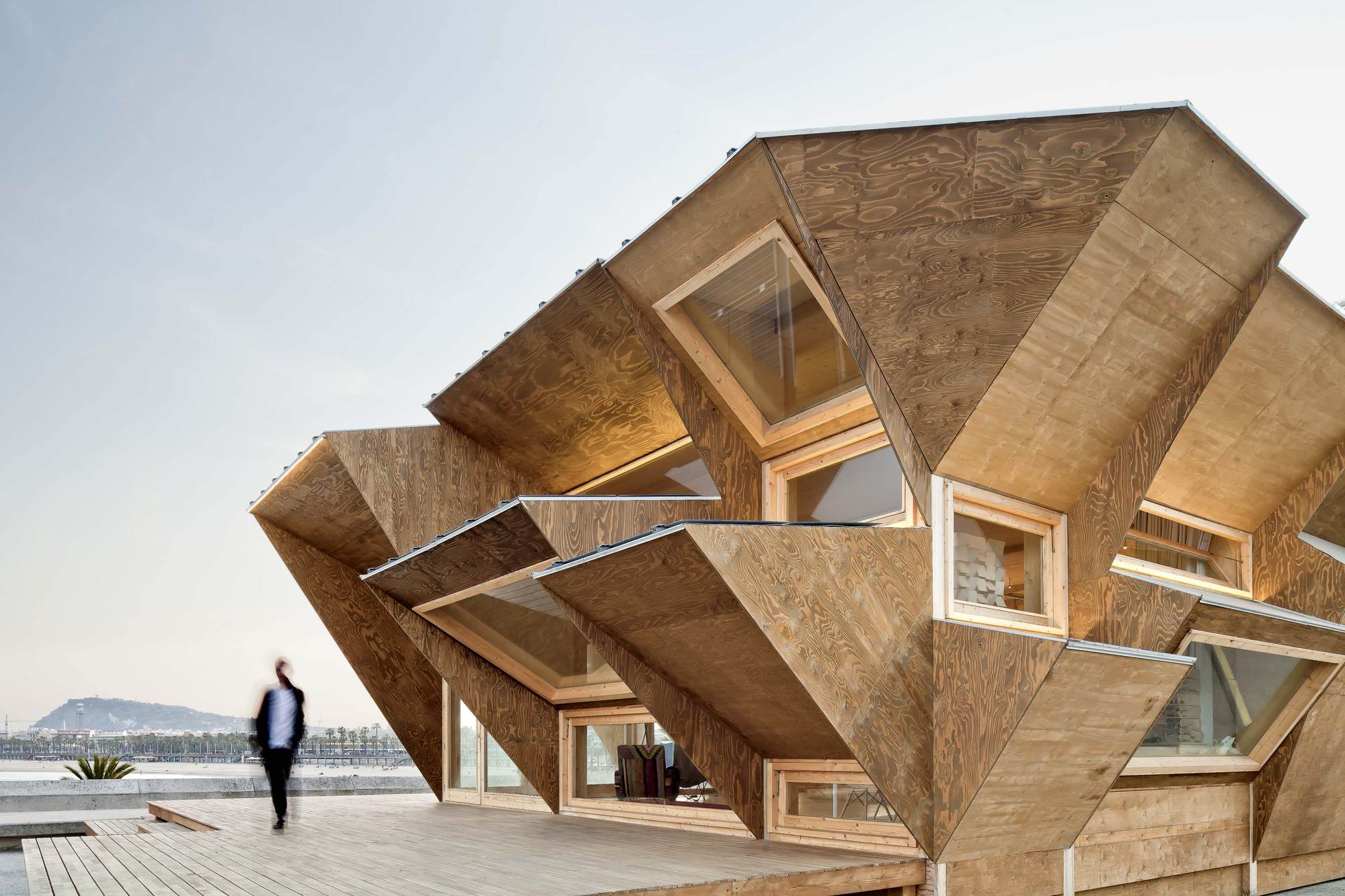
Daylight is a good place to start. People love bright interiors, yet too much sun can overheat a room and make screens impossible to read. Facades handle this balancing act in clever ways. Deep window reveals, vertical fins, perforated screens and horizontal louvres all filter light before it reaches the glass. Some designs go further. In hot climates, traditional screens known as mashrabiya have long softened the sun while allowing air to circulate, and contemporary architects keep finding fresh ways to reinterpret them. Modern versions use digital controls and moving panels that respond to the sun’s path, opening and closing through the day. It is old wisdom with new tools, and a good reminder that great facades often borrow from local traditions.
Working With the Climate
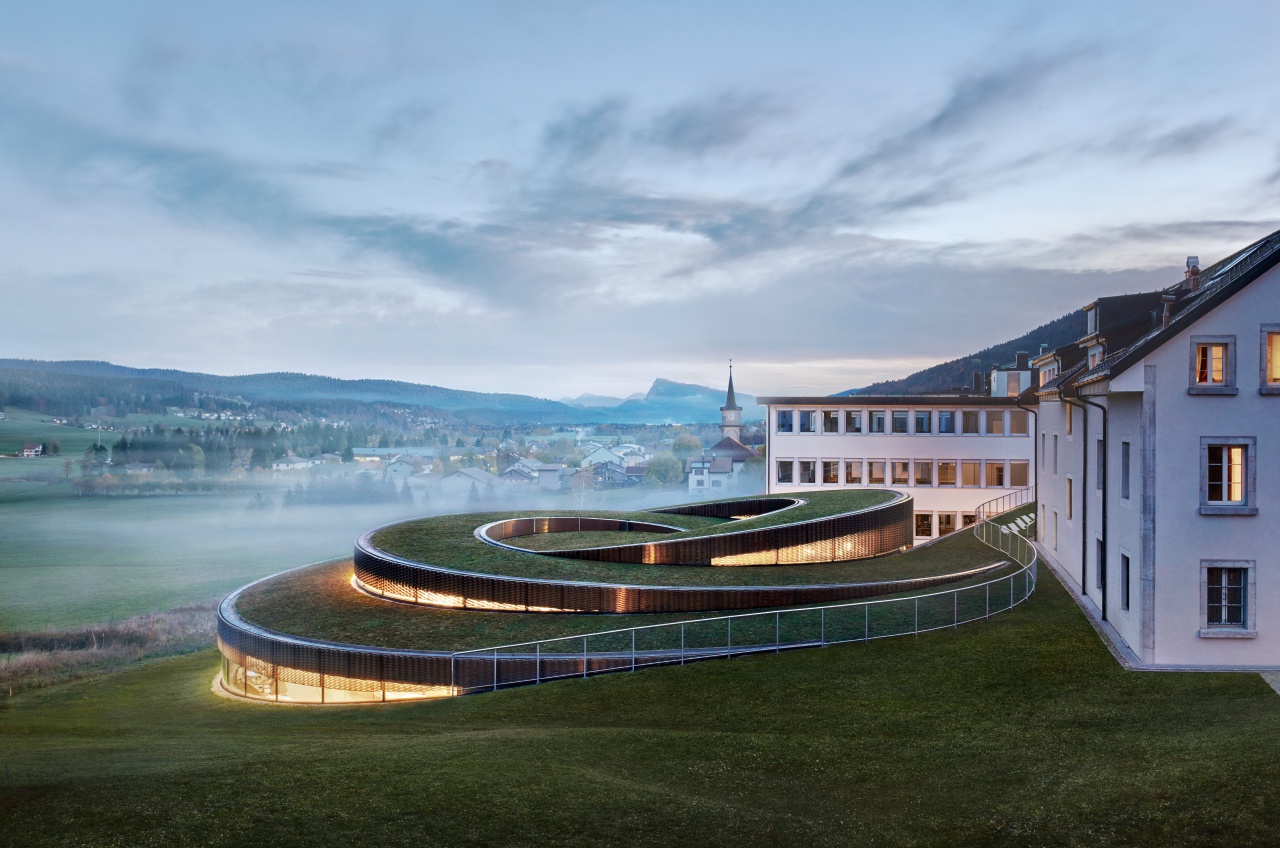
No two places ask the same questions of a building. A facade in a rainy northern city has different priorities from one beside the desert or the sea. Thick, well-insulated walls help in cold regions, while shading and natural ventilation matter more in warm ones. Double-skin facades add an extra layer of glass with a cavity between, which can act as a buffer against heat and noise. Green facades, covered in plants, can cool surfaces, soften the street and even support urban wildlife. Each approach shows that sustainability is not an extra feature added at the end. It is built into the way the facade is conceived.
Giving a Building Its Character
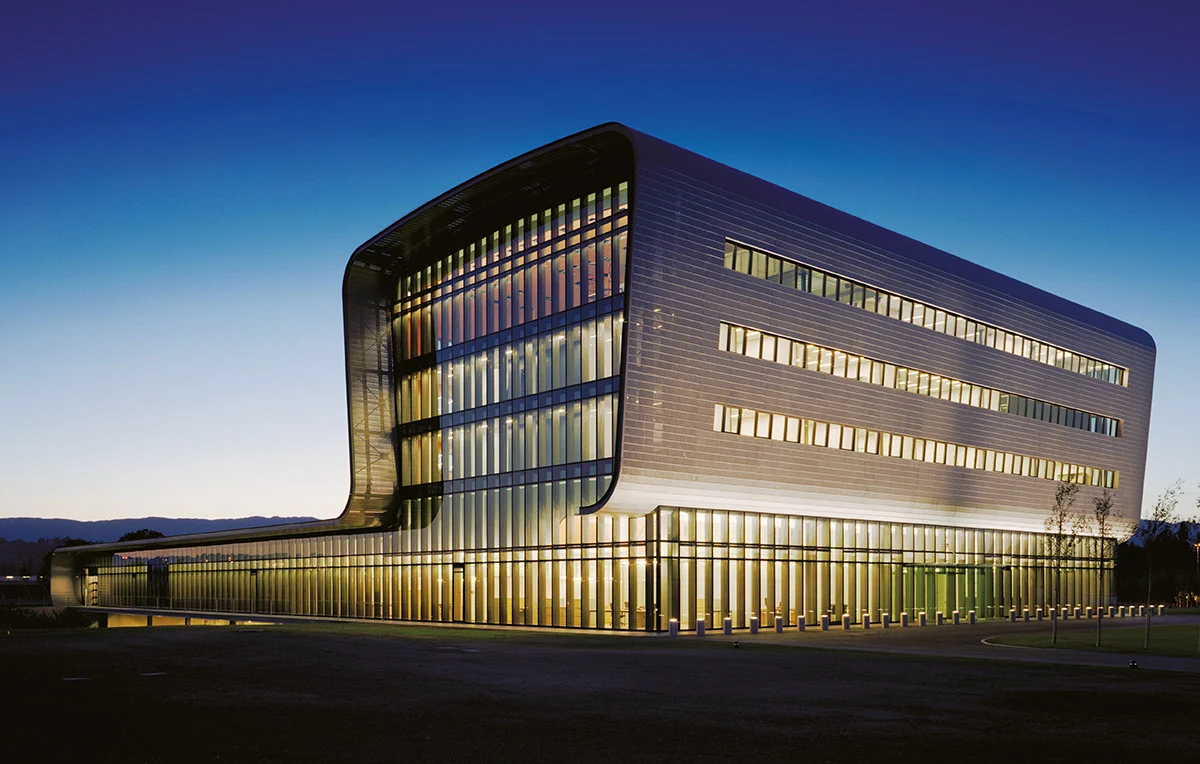
Of course, a facade is also a statement. It tells passers-by what a building is about, whether that is a calm civic library, a lively market hall or a quiet apartment block. Materials do much of that talking. Brick suggests warmth and permanence, glass signals openness and lightness, timber brings a sense of craft, and raw concrete speaks of honesty and strength. Some architects take this idea to its logical end by leaving structure on show, letting beams, columns and surfaces form the visual identity. In that approach, beauty comes from clarity rather than ornament, which is a quiet reminder that decoration is not the only route to something memorable.
A Good Neighbour on the Street
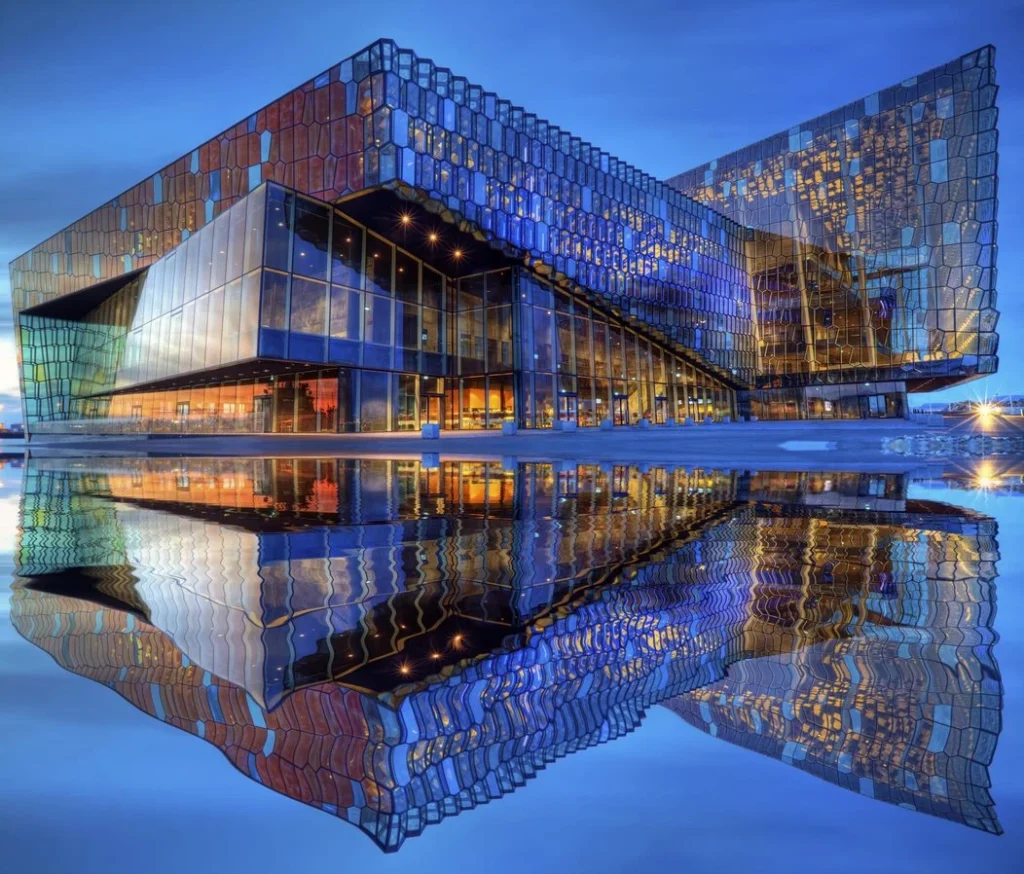
A facade does not exist in isolation. It sits on a street, beside other buildings, and shapes the experience of everyone who walks past. A thoughtful one respects scale, picks up on local colours and materials, and adds something to the neighbourhood rather than competing with it. A blank wall can drain the life from a pavement, while a welcoming ground floor with entrances, windows and places to pause can do the opposite. In the end, the best facades are the ones that feel natural. They look right, they work hard, and they make the space behind them more pleasant to be in. Whether it is a screen that cools a room, a surface that ages beautifully or a wall that gives a street a bit of personality, a facade proves that design and function are not opposing forces. They are partners. So the next time a building catches your eye, take a moment to look more closely. Behind that surface, there is usually a quiet conversation going on between beauty and purpose, and it is well worth listening in.