ADAA The Art Show 2026: What This Year’s Artworks Say About Collecting Trends
ADAA The Art Show 2026 brings together 63 galleries in New York, showcasing works by celebrated and overlooked artists. This year's presentations offer insights into evolving art market trends and the interests shaping collectors' choices from Betye Saar's assemblages to contemporary paintings and works on paper
The art market is shaped not only by the names commanding the highest prices but also by the artists, movements and ideas that collectors choose to revisit. This year’s ADAA Art Show in New York brings these conversations into focus through a selection of modern, post-war and contemporary works. Its gallery presentations reveal an interest in historically overlooked women artists, established artistic legacies and works that carry cultural significance beyond their immediate market value.
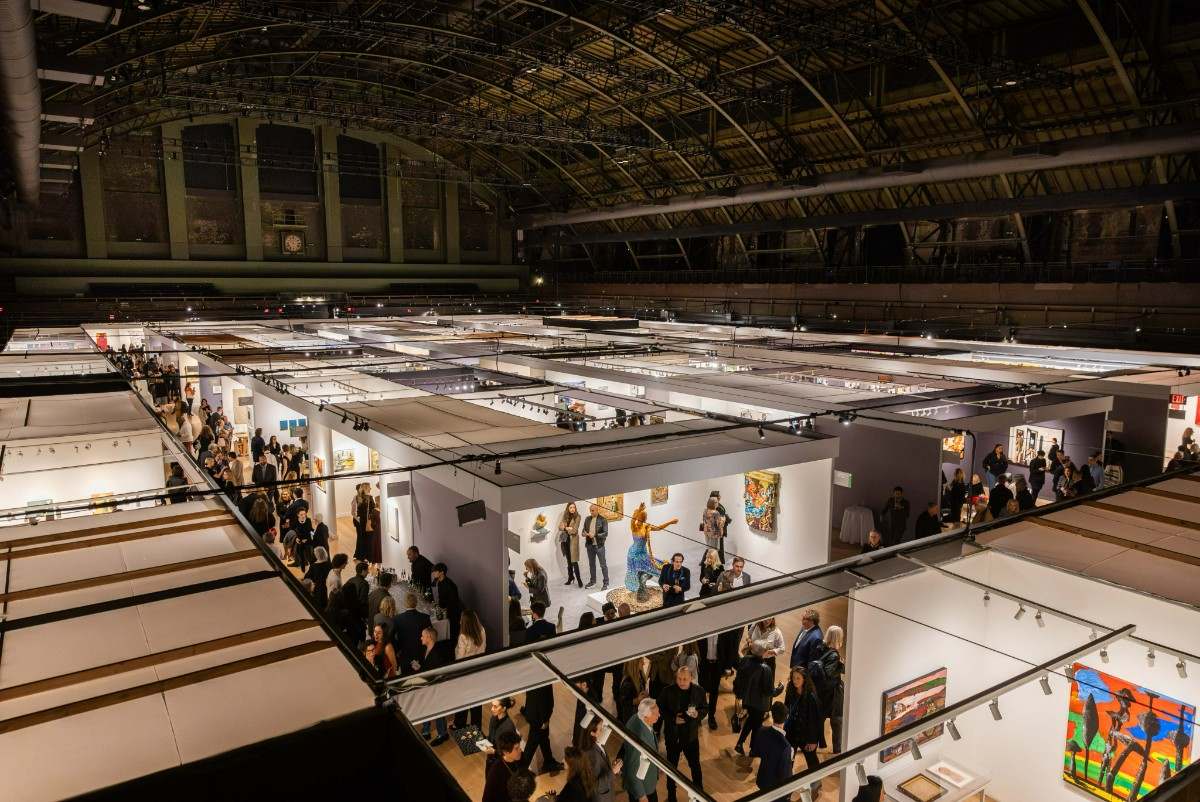
Held at the Park Avenue Armory from November 13 to 16, the 2026 edition marks a new chapter for the Art Dealers Association of America (ADAA). Previously known as The Art Show, the fair returns after a year’s hiatus with 63 member galleries representing 23 American cities. Its focused format gives individual artworks room to stand out, encouraging collectors to engage with the stories and artistic practices behind them.
Rediscovering Women Artists
One of the notable themes this year is the renewed attention given to women artists whose contributions have not always received the recognition they deserve. Berry Campbell presents works by female artists who have recently attracted greater critical interest, while James Barron Art brings together established figures from the Colour Field movement with historically overlooked artists.
Also Read: Art Mumbai 2026 Opens Today: What To See At Mahalaxmi Racecourse
These presentations reflect a wider reassessment of art history. Established reputations continue to influence collecting decisions, but there is also an appetite for artists whose practices challenge familiar narratives. Their work offers collectors an opportunity to engage with important artistic contributions that may have received less attention in the past.
A Century of Betye Saar
Roberts Projects marks the 100th birthday of Betye Saar with a presentation of her assemblage works. Known for combining found objects, historical references and personal symbolism, Saar has developed a distinctive visual language around identity, memory and cultural history. Her practice demonstrates how everyday materials can become powerful expressions of personal and collective experience.
Contemporary artists also have a strong presence. Jessica Silverman presents works by Native American artist Julie Buffalohead, while DC Moore Gallery showcases new paintings by Darren Waterston. Pace Prints features unique works on paper by Alteronce Gumby, bringing another perspective to the fair’s contemporary offerings.
Appeal of Works on Paper
Works on paper form another important part of this year’s selection. Peter Blum Gallery presents a survey of Alex Katz spanning works from the 1950s to the 2020s. John Szoke Gallery brings together works on paper by Pablo Picasso and Edvard Munch, while Marc Selwyn Fine Art and David Nolan Gallery collaborate on a salon-style presentation of 20th-century works.
Drawings and prints offer an intimate view of an artist’s technique, experimentation and creative process. Their presence also highlights the range of ways collectors can engage with established artistic legacies beyond monumental paintings.
What Collectors Are Buying
Reported sales provide a glimpse into the market’s varied price points. Jonathan Boos presents Agnes Pelton’s The Well of Peace (1932), priced at $2.4mn, and Beauford Delaney’s Untitled (Paris) (1986), offered at $1.6 million. Kraushaar Galleries reported sales ranging from below $2,000 to six-figure sums, while Jessica Silverman recorded eight sales of Julie Buffalohead’s new works, priced between $22,000 and $50,000.
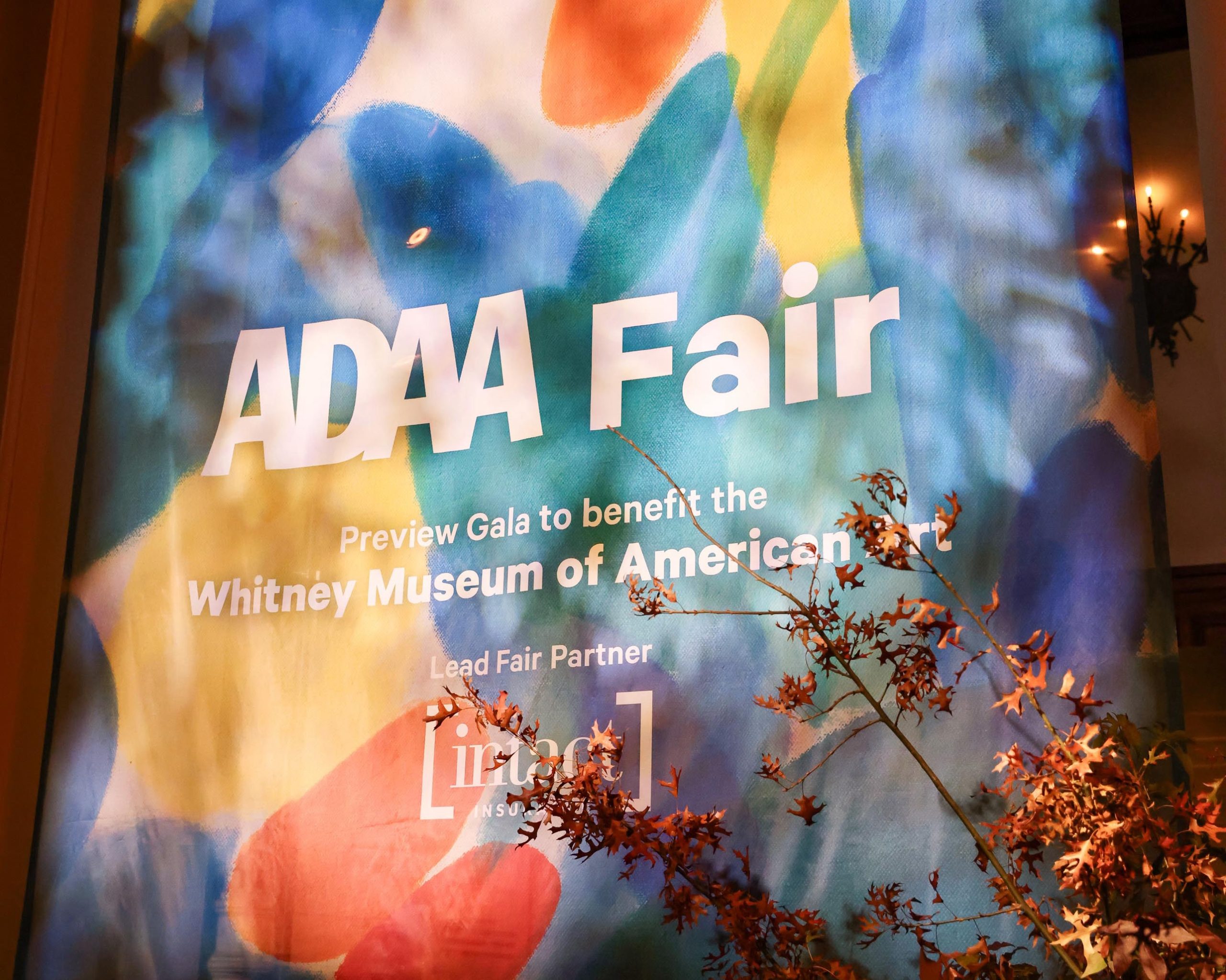
The figures illustrate how established names and emerging collecting interests can coexist within the same market. With 63 galleries participating, the fair also offers a more focused alternative to the increasingly crowded international art-fair calendar. Its partnership with the Whitney Museum of American Art, which benefits from the preview gala, further connects collecting with the wider cultural landscape.
Also Read: Art Behind Ramayana: How 15 Assamese Artisans Handcrafted Ranbir Kapoor’s Armour
This year’s presentations make a case for looking beyond market visibility. Historical reassessment, distinctive artistic practices and cultural relevance are shaping conversations around contemporary art collecting, suggesting that a meaningful collection is built as much on discernment as on acquisition.