Ramayana’s Golden Throne: Exploring The Craft Behind The Rs 1 Cr Creation
Ravana's Rs 1 crore golden throne in Ramayana offers a glimpse into the film's elaborate production design. Crafted over four months and finished with 24-karat gold leaf, the ornate creation showcases the artistry, material detailing and craftsmanship behind one of the film's most striking cinematic props
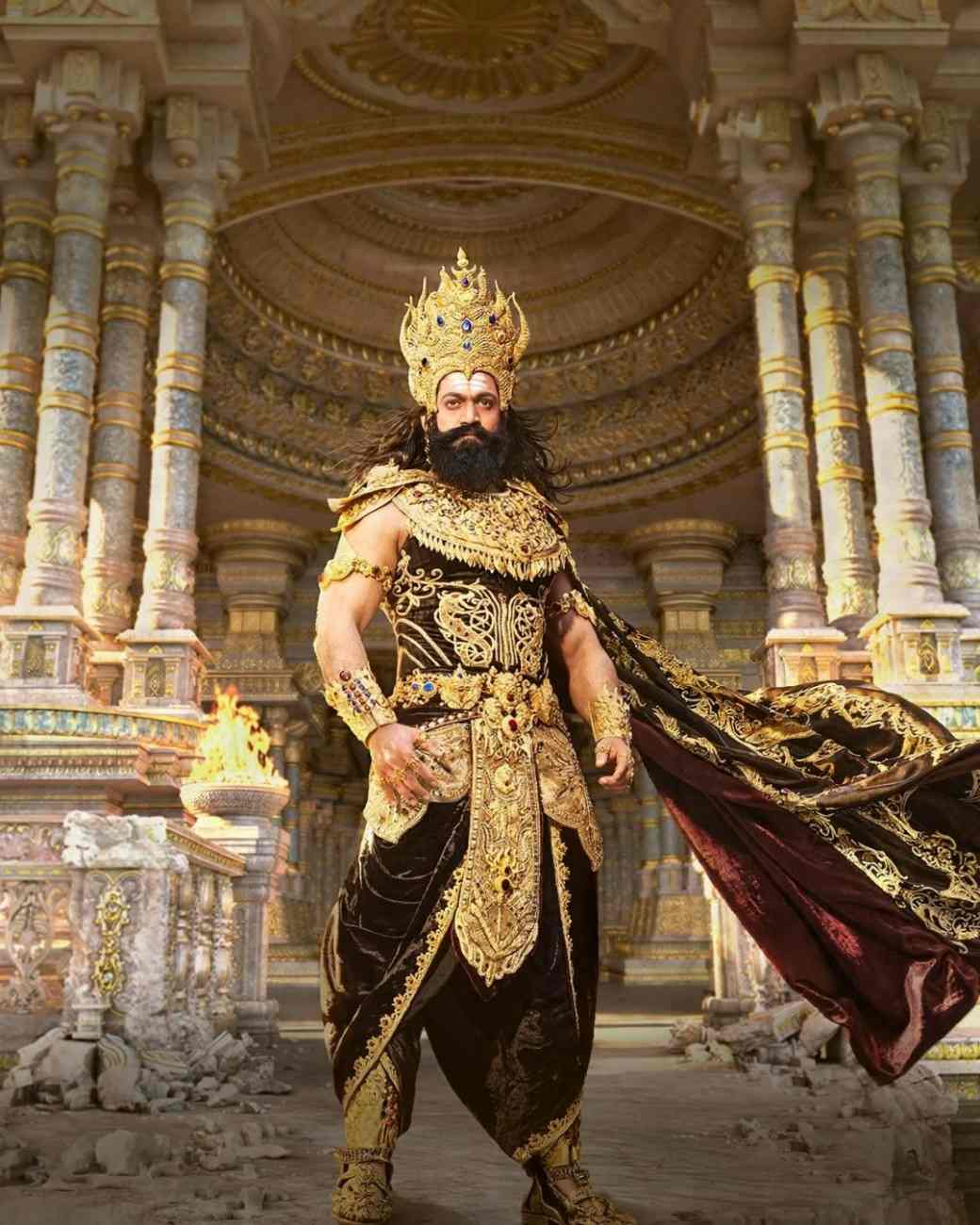
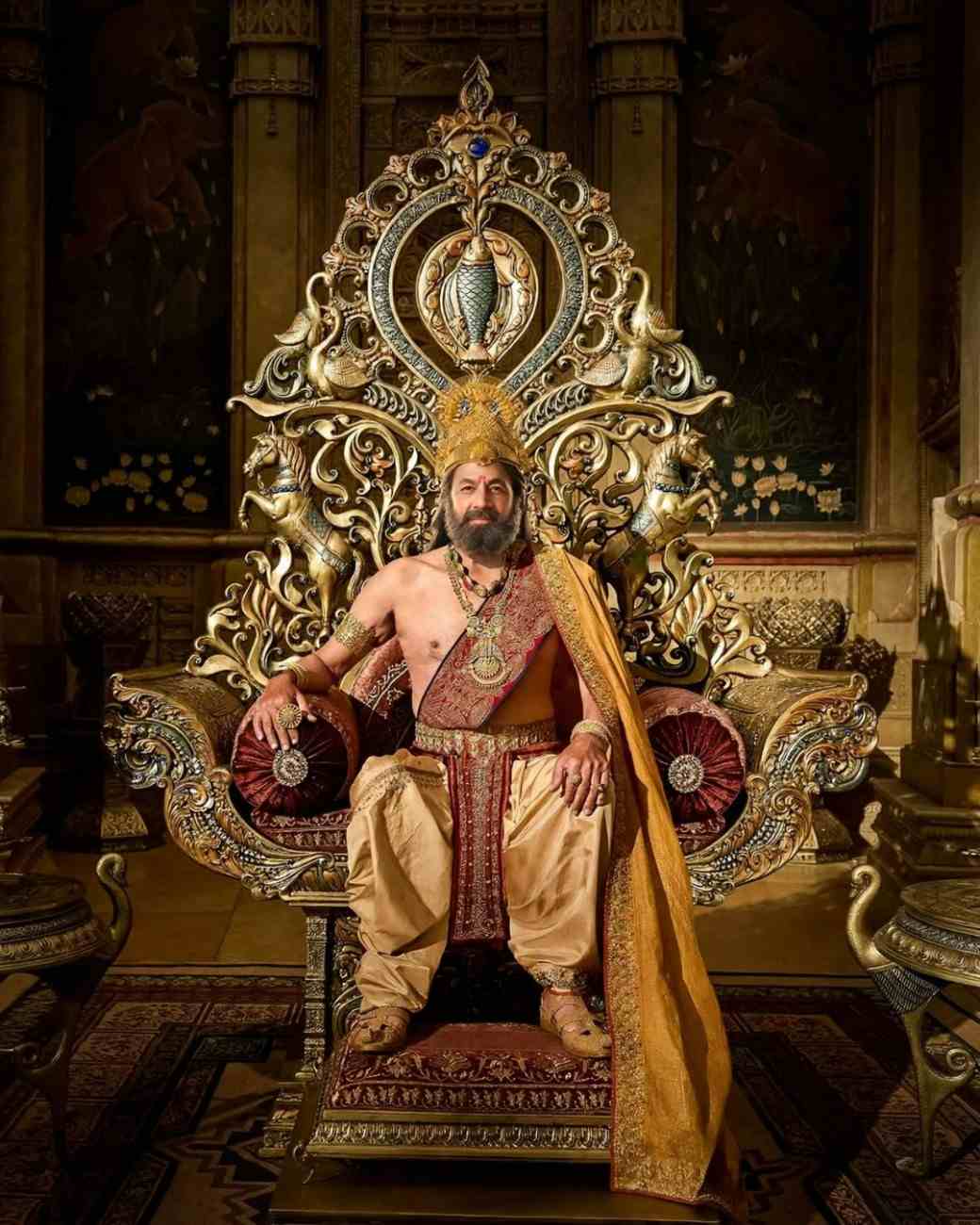
Luxury on screen is often defined by details that audiences might only glimpse for a few seconds. In Nitesh Tiwari’s ‘Ramayana‘, one such creation is Ravana’s golden throne, reportedly valued at Rs 1 crore. Crafted over four months and finished with 24-karat gold leaf, the elaborate seat offers a glimpse into the film’s approach to production design. Its sculptural detailing, ornate finish and painstaking construction make it one of the most striking luxury props associated with the film.
The golden throne was developed by the film’s art department under art director Ramesh Andhale. The process reportedly began with a clay model based on design drawings. The team then built the structure in fibre before applying gold leaf to achieve its elaborate finish. Although the throne is not made of solid gold, the use of 24-karat gold leaf lends it a rich appearance reminiscent of ceremonial and royal objects.
Building A Golden World
The throne forms part of a much larger production-design exercise. Andhale reportedly mentioned that the team created more than 150 sets for the film, with construction beginning in April 2024 at Prime Focus Studios in Mumbai’s Film City. Each structure underwent multiple design iterations before reaching the screen. Physical sets and handcrafted details were combined with visual effects to create an immersive cinematic environment.
Also Read: Sai Pallavi’s Sita Look In Ramayana: A Closer Look At The Jewellery And Design Details
The visual treatment of Ayodhya and Lanka was particularly important, with each kingdom requiring a distinct architectural identity. Their decorative elements, surfaces and scale help establish the contrast between the two worlds. This attention to detail reflects an important aspect of luxury design, where material choices, proportions and ornamentation contribute to the character of an object or space.
Details Across Production
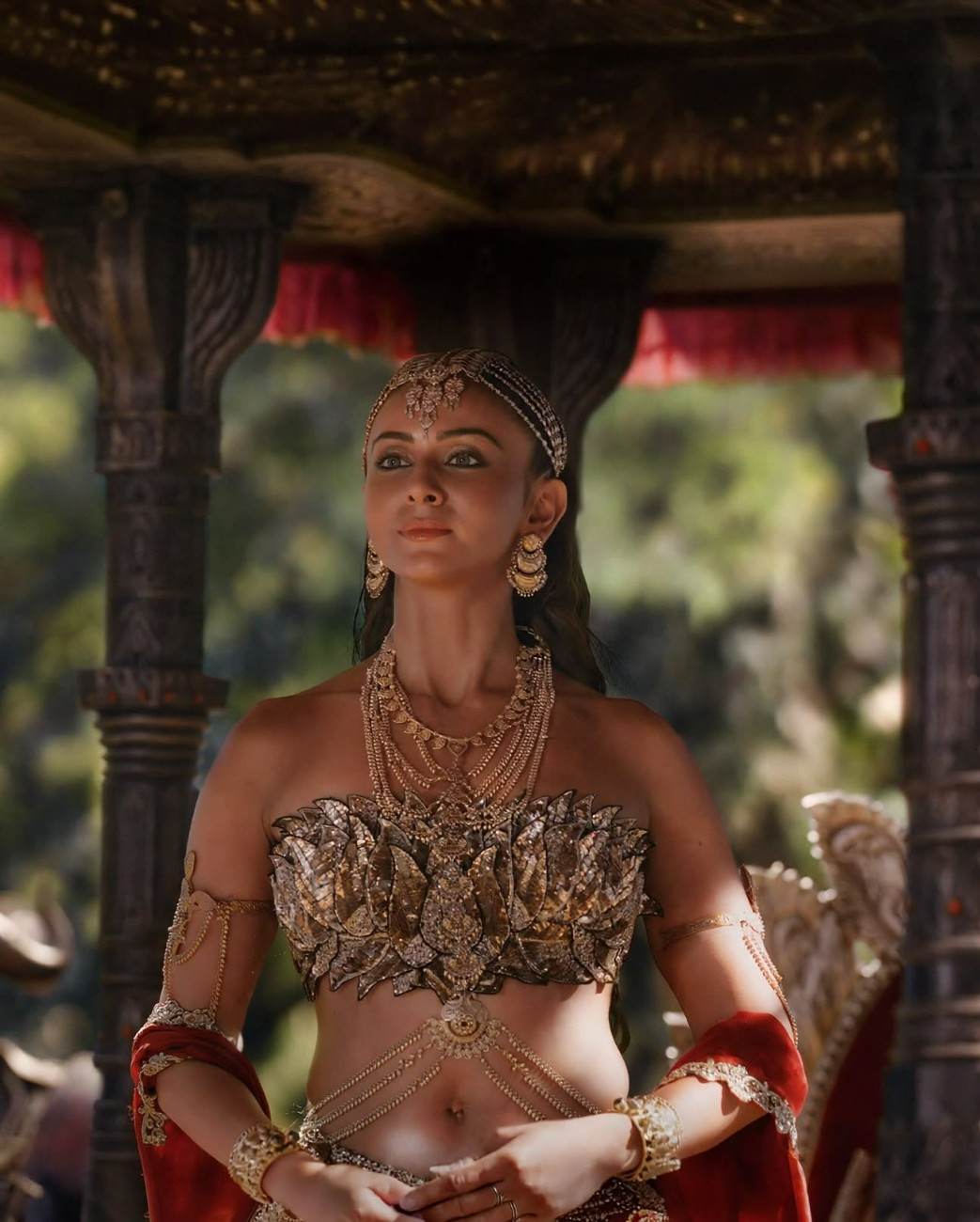
Other creations received similarly elaborate treatment. Shurpanakha’s chariot, which appears in a single sequence, reportedly cost Rs 1.5 crore and took three months to complete. Its construction required intricate detailing alongside functional engineering, allowing it to operate as a working vehicle on set.
The team also built a 24-foot-tall model of Jatayu to provide actors with a physical reference during filming. The 50-foot-diameter Pushpak Vimana presented another logistical challenge. It was assembled in four sections over approximately 40 to 50 days to accommodate its scale and the limitations of the studio space.
The Value of Detail
The creations offer an interesting perspective on the relationship between luxury and cinema. An elaborate throne or ceremonial chariot is not simply a background accessory. Its design establishes a character’s position, communicates power and gives a fictional kingdom its visual identity. Achieving this requires artistic direction, careful material selection, fabrication expertise and considerable attention to detail.
Also Read: Art Behind Ramayana: How 15 Assamese Artisans Handcrafted Ranbir Kapoor’s Armour
The Ramayana movie throne stands out not merely because of its reported price tag, but also because of the work involved in its creation. Its gold-leaf finish, sculptural construction and elaborate detailing demonstrate how luxury props and set design can shape the visual language of a film. Through these artistically constructed objects, ‘Ramayana’ brings an imagined world of wealth, authority and royal grandeur to the screen.