The History Of The Oscars: How Hollywood’s Most Prestigious Award Began
As the Oscars 2026 take place at the historic Dolby Theatre in Los Angeles, we trace the history of the Academy Awards through its timeless venue, categories, trophy design and why it was conceived in the first place
For nearly a century, the Academy Awards—popularly known as the Oscars—have stood as the highest honour in the global film industry. Celebrating excellence in filmmaking, the ceremony recognises outstanding achievements across acting, directing, writing, technical crafts, and production. Today, the awards are watched by millions worldwide and remain one of the most influential cultural events in entertainment.
As the Oscars 2026 take place on March 15 at the Dolby Theatre at Ovation Hollywood in Los Angeles, we trace its history back to a modest gathering in Hollywood in the late 1920s, when industry leaders sought a way to celebrate artistic excellence.
How the Oscars Began
The idea for the Academy Awards emerged soon after the Academy of Motion Picture Arts and Sciences (AMPAS) was established in 1927. Shortly after its incorporation, a dinner was held in the Crystal Ballroom of the Biltmore Hotel in downtown Los Angeles to discuss the goals of the newly formed organisation.
One of the Academy’s key objectives was to develop a formal method to recognise and reward outstanding achievements in filmmaking. By honouring excellence, the founders hoped to encourage higher standards across all aspects of motion picture production, from acting and directing to writing and technical craftsmanship. Today, the Oscars honour achievements in 24 categories across acting, directing, writing, production design, cinematography, editing, sound, and visual effects.
Oscar Venue
Dolby Theatre is one of the world’s premier entertainment venues and permanent home of the Academy Awards. Located on Hollywood Boulevard within Ovation Hollywood, it features advanced Dolby Atmos sound with 215 speakers and Dolby Vision projection. Known for its grand architecture and massive stage, the theatre hosts major concerts, television events, and prestigious award ceremonies.
The First Oscars Ceremony
The first Academy Awards ceremony took place on May 16, 1929, at the Blossom Room of the Hollywood Roosevelt Hotel in Los Angeles. Unlike the grand televised spectacle it has become today, the inaugural ceremony was a private gathering attended by over 270 guests. Only 15 statuettes were awarded that night, recognising achievements in filmmaking.
View this post on Instagram
Since that first awards banquet, nearly 3,000 Oscar statuettes have been presented to filmmakers, actors, writers, technicians, and producers till date in filmmkaing.
The Oscar Statuette
The Oscar statuette is perhaps the most distinguished trophy in the world. Its design was conceived by Cedric Gibbons, the art director at MGM Studios. During a meeting shortly after the Academy’s founding, Gibbons sketched a design depicting a knight holding a sword and standing on a film reel. The reel featured five spokes, symbolising the five original branches of the Academy: Actors, Directors, Producers, Technicians and Writers.
The sword held by the knight represented protection and advancement of the film industry, reflecting the Academy’s mission to support artistic and professional excellence in cinema. To bring the sketch to life, Gibbons collaborated with Los Angeles sculptor George Stanley, who transformed the design into a three-dimensional sculpture. Stanley produced several versions before Gibbons selected the final form. In the completed design, the knight was streamlined and the film reel was positioned beneath its feet—creating the now iconic Oscar statuette.
Oscar Trophy Design
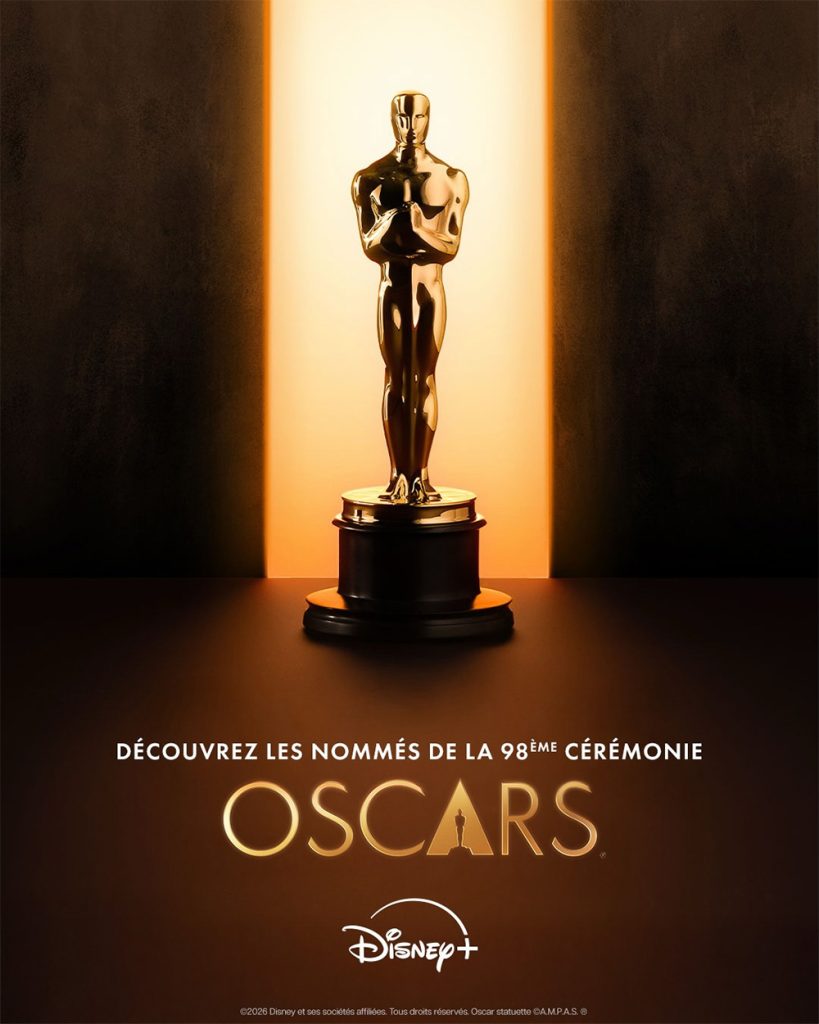
Officially named the Academy Award of Merit, the statuette stands at 13½ inches tall and weighs 8½ pounds. It has retained its original design since 1927, making it one of the most enduring symbols in entertainment history. The origin of the name Oscar is uncertain, but one widely shared story involves Margaret Herrick, the Academy’s librarian who later became its executive director, once remarked that the statuette resembled her uncle Oscar.
Later, the nickname quickly caught on among Academy staff. The term gained public recognition in 1934, when Hollywood columnist Sidney Skolsky used the name “Oscar” in his newspaper column while reporting on Katharine Hepburn’s first Best Actress win. The Academy officially adopted the nickname in 1939.
The earliest Oscar statuettes were made of gold-plated solid bronze, as seen in the first ceremony in 1929. However, within a few years, the Academy switched to Britannia metal, a pewter-like alloy that allowed a smoother finish. During World War II, metal shortages forced the Academy to produce the statuettes from painted plaster for three years. After the war ended, recipients exchanged these temporary awards for the traditional gold-plated metal versions.
Decades after decades, the golden statuette remains the ultimate symbol of cinematic achievement, making us glued to our television screens every year to see who wins it at the Oscars.
When and Where To watch Osars 2026
Tune in to the 98th Oscars at the new time of 7:00pm EDT / 4:00pm PDT / 11:00pm GMT / 7:00am CST on your local ABC station and live on Hulu.