World Egg Day: How Fabergé’s Imperial Eggs Became Icons of Luxury
Fabergé’s Imperial Easter Eggs began as royal gifts in 1885 and became celebrated works of decorative art. Explore the craftsmanship behind the Coronation Egg and the diamond-studded Winter Egg, their fascinating royal history and the extraordinary auction prices that continue to make these Russian treasures icons of luxury
Fabergé’s Imperial Easter Eggs began as gifts for Russia’s royal family, but their intricate designs, precious materials and ingenious surprises eventually made them some of the most recognisable creations in the history of luxury craftsmanship. Commissioned over three decades, these elaborate objects brought together the skills of jewellers, goldsmiths and enamellers, with each creation concealing a surprise. More than a century later, they continue to draw interest from art collectors, historians and enthusiasts of Russian royal jewellery.
World Egg Day offers an occasion to revisit the story of these extraordinary objects and understand how a royal Easter tradition produced some of the most celebrated works of decorative art.
A Royal Easter Tradition
The history of Fabergé Imperial Eggs began in 1885, when Tsar Alexander III commissioned a jewelled Easter egg from the House of Fabergé for his wife, Empress Maria Feodorovna. Designed by Peter Carl Fabergé and his workshop, the first creation, now known as the Hen Egg, opened to reveal a golden yolk, a golden hen and further miniature surprises. The empress was delighted, and the commission established a tradition that continued under her son, Tsar Nicholas II.
Also Read: Why Are Signed Picasso, Miró and Dalí Originals Hanging at Delhi’s CMYK Bookstore?
Between 1885 and 1916, the imperial family commissioned 50 eggs. Alexander III presented them to his wife, while Nicholas II continued the practice, gifting eggs to both his wife, Empress Alexandra Feodorovna, and his mother, the Dowager Empress Maria Feodorovna. Each design was distinct, with some commemorating important occasions in the lives of the Romanovs.
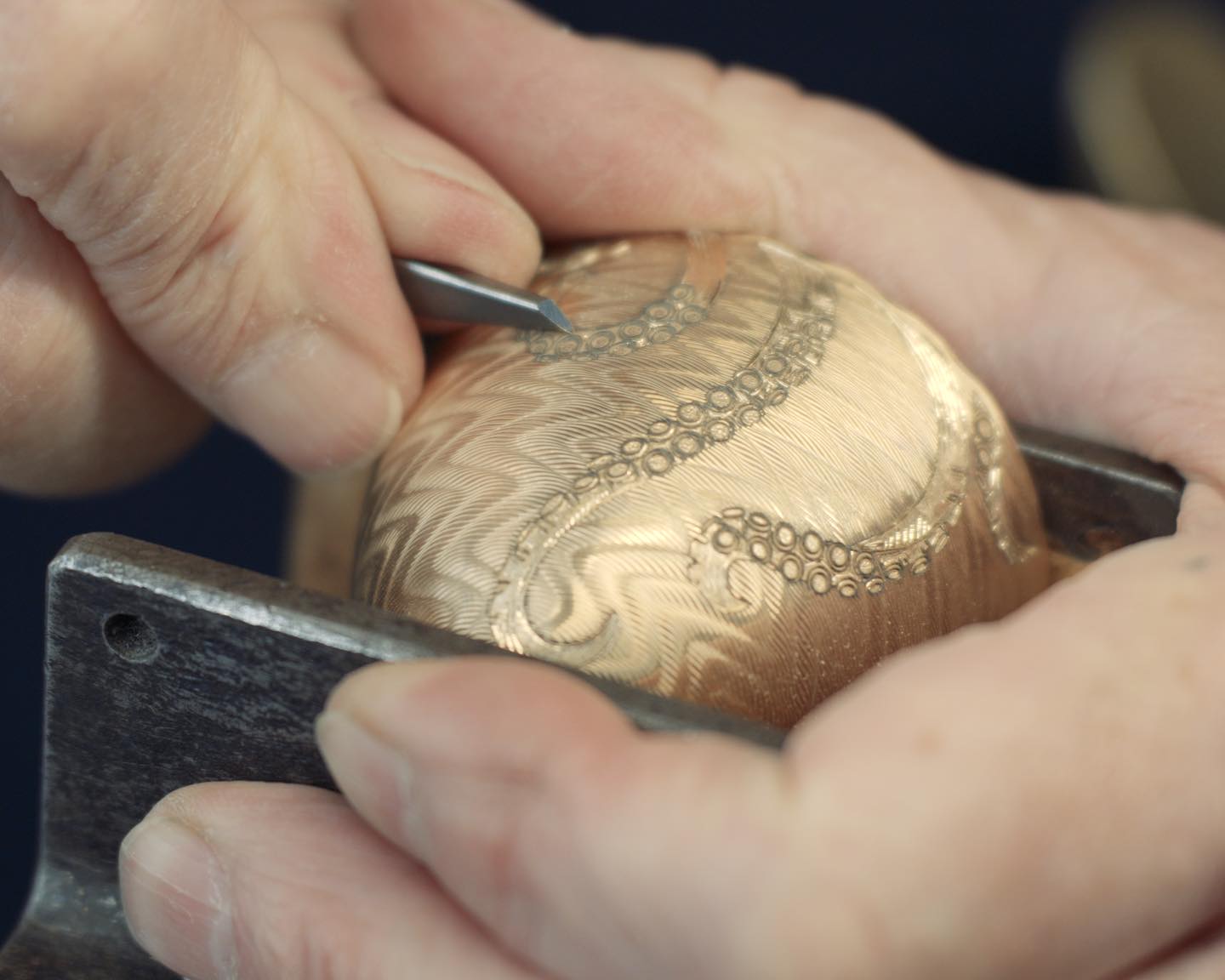
The eggs were collaborative achievements, produced by a team of skilled artisans working under Fabergé’s direction. Goldsmiths, jewellers, enamellers, stonecutters and miniature specialists contributed to their making. Their work combined precious materials with mechanical ingenuity, turning each commission into a highly individual work of art.
The Art of Imperial Craftsmanship
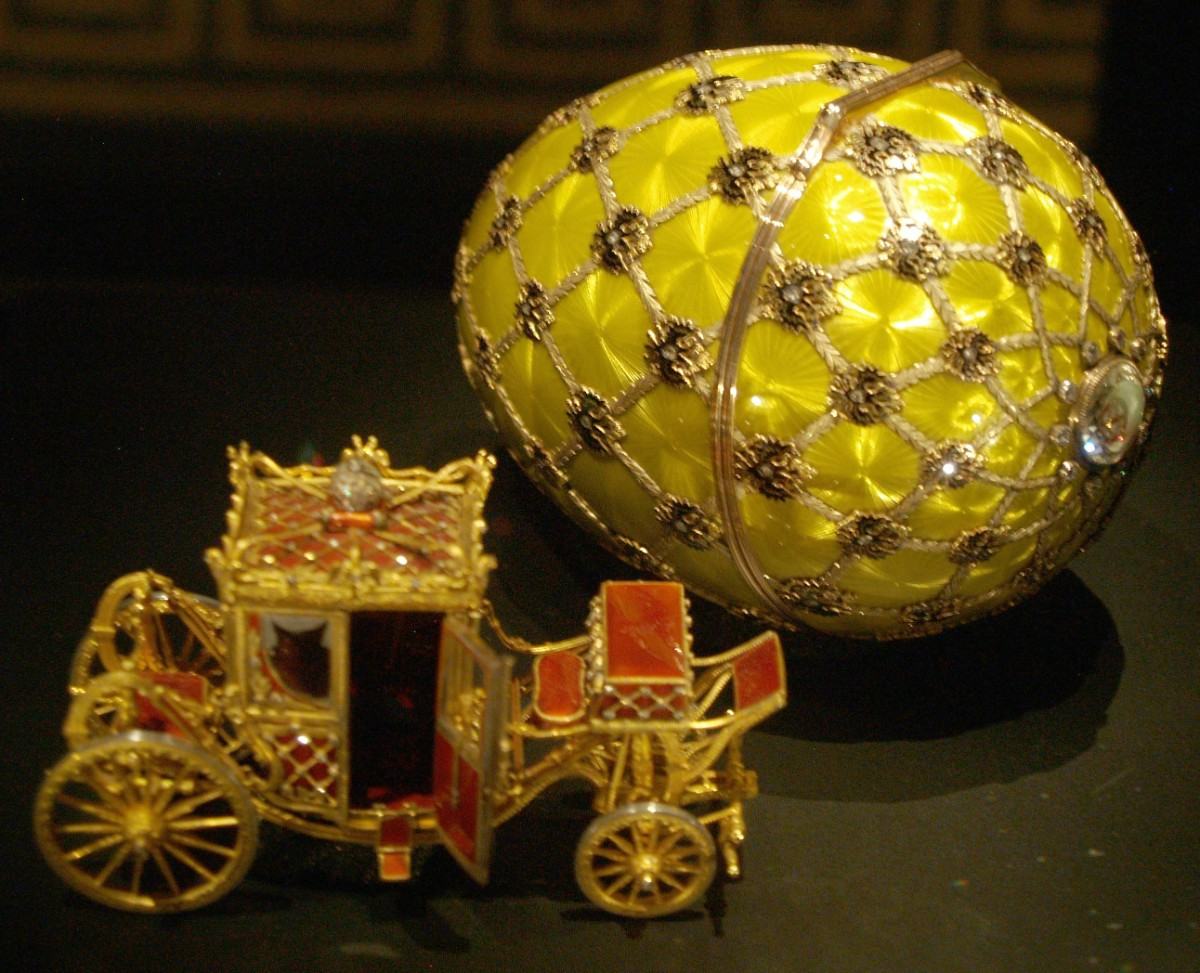
Among the most celebrated examples is the 1897 Coronation Egg, created for Empress Alexandra Feodorovna. Its translucent yellow enamel and diamond detailing conceal a miniature replica of the carriage used during her coronation. Complete with tiny wheels and intricate details, the miniature demonstrates the precision involved in the making of these objects.
The 1913 Winter Egg offers another striking example of Fabergé’s craftsmanship. Designed by Alma Pihl and made by the House of Fabergé, it features carved rock crystal, platinum and diamonds arranged to evoke frost and ice. Inside, a miniature basket of flowers provides the surprise, with the blossoms fashioned from precious materials. The design captures the delicacy of winter while showcasing the workshop’s technical skill.
These creations were not simply expensive ornaments. Their appeal came from the thought invested in each design, the complexity of their construction and the surprises that made opening them part of the experience.
A Legacy That Outlived Empire
The Russian Revolution of 1917 brought the imperial tradition to an end. Many Romanov treasures were confiscated, and numerous Fabergé eggs were subsequently sold to dealers and collectors abroad. Of the 50 Imperial Easter Eggs, 43 are known to survive, while seven remain missing. Today, the surviving pieces are held in museums and private collections around the world.
Their appeal in the contemporary collecting world was reaffirmed in December 2025, when the Winter Egg sold at auction in London for approximately INR 263 crore. The sale set a record for a Fabergé work at auction, demonstrating the continued demand for objects with exceptional craftsmanship and royal provenance.
Also Read: Five Recipes Gen Z Can Try Beyond PM Modi’s Avocado Toast Shoutout
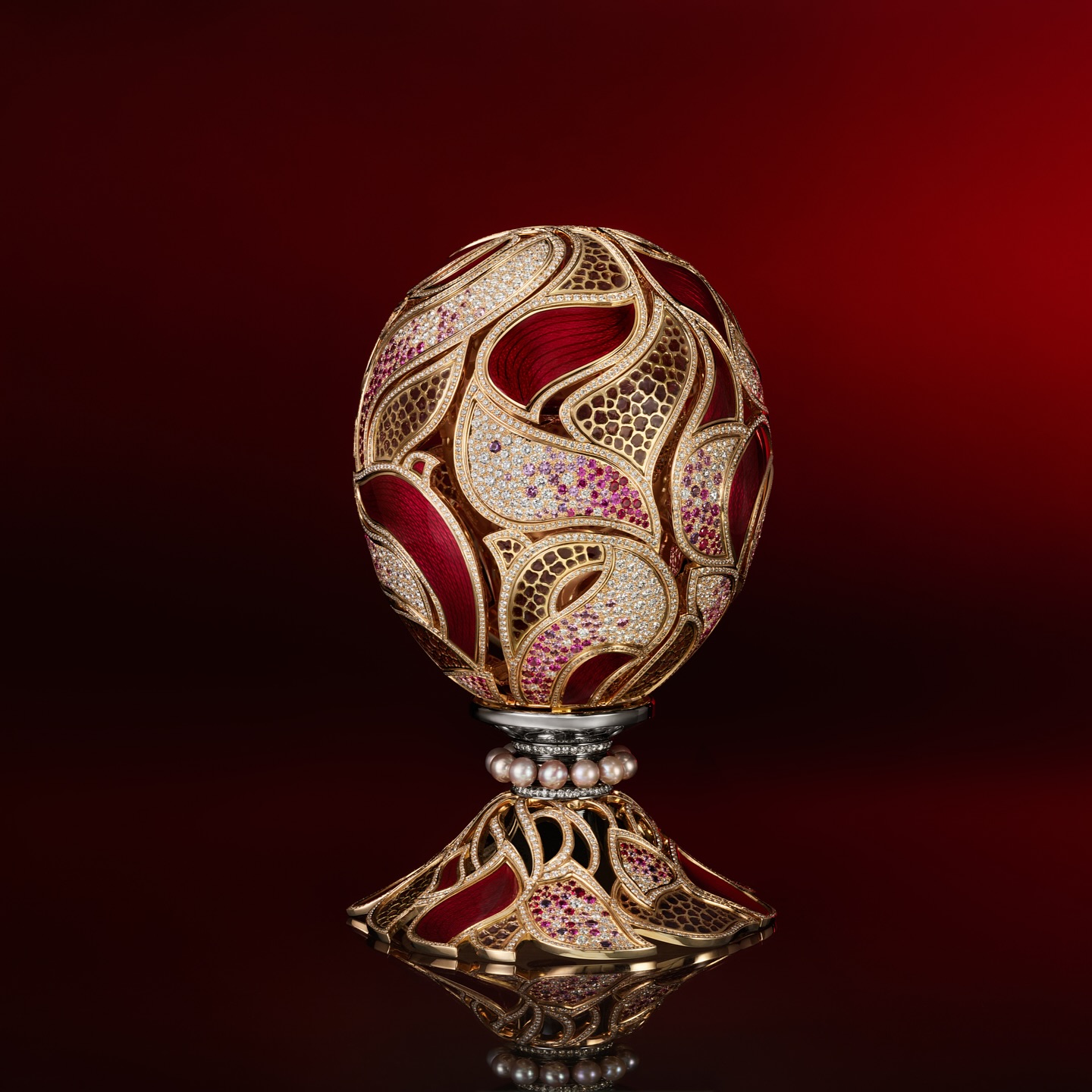
The Fabergé Imperial Egg collection holds a distinctive place in the history of luxury collectibles. Its importance lies not only in the gold, diamonds and other precious materials used in each piece, but also in the artistry, ingenuity and history preserved within them.
On World Egg Day, these royal creations offer a glimpse into a period when Easter gifts became expressions of personal affection, artistic ambition and imperial wealth. Their enduring appeal lies in the details that reward a closer look, ensuring that Fabergé’s Imperial Eggs remain remarkable examples of Russian decorative art long after the empire that commissioned them disappeared.