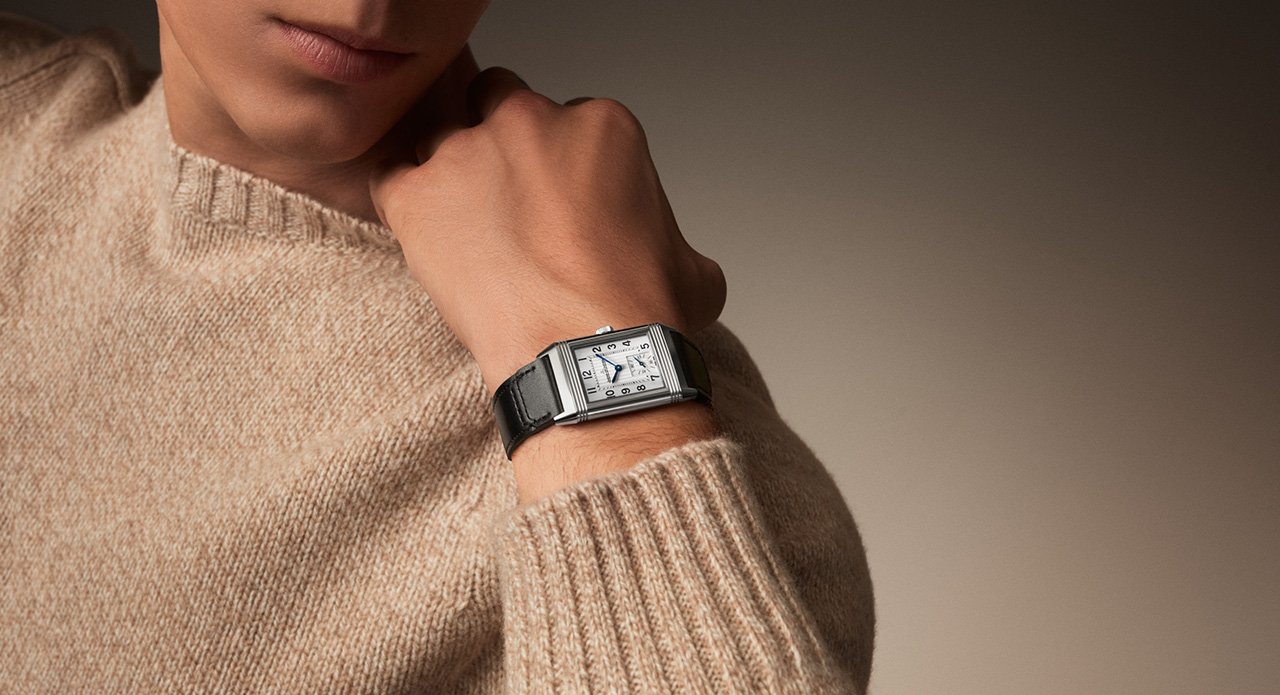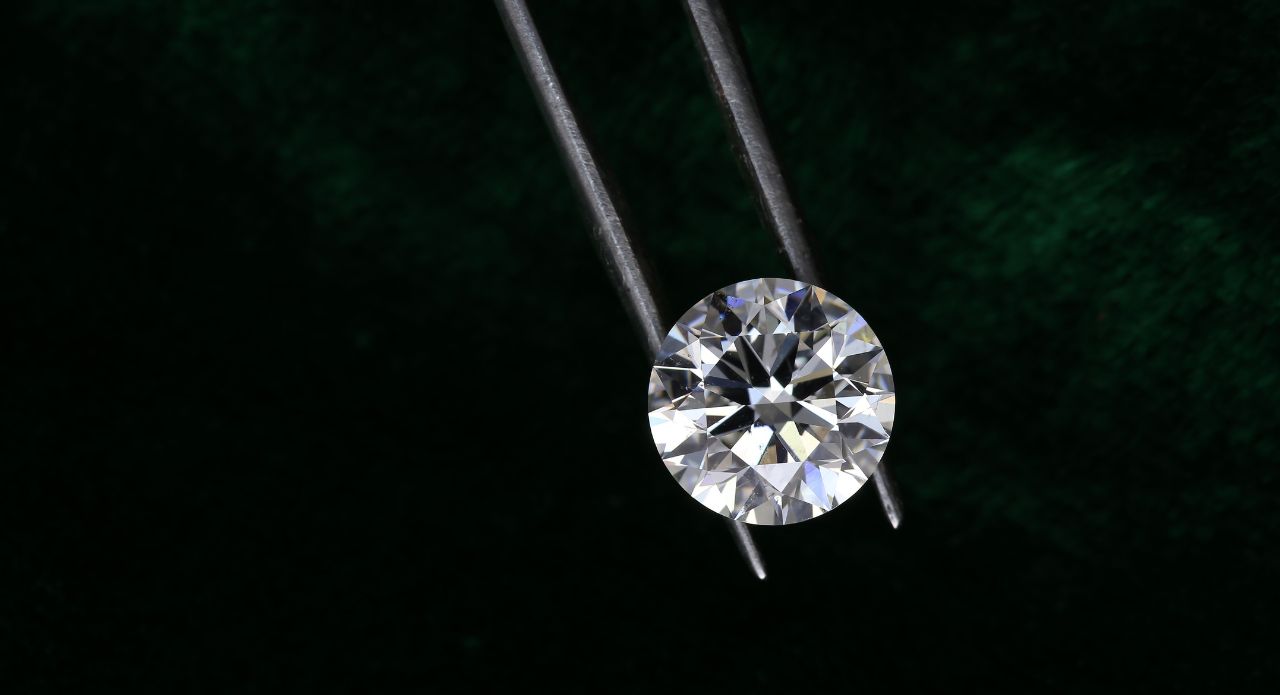


“Diamonds Are a Girl’s Best Friend” is more than just a song title. It is a cultural phenomenon that has endured for generations, thanks in large part to Marilyn Monroe’s unforgettable performance in Gentlemen Prefer Blondes in 1953. Decades later, diamonds continue to occupy a unique place in the world of fashion, luxury and personal expression, symbolising everything from romance and celebration to status and self-reward.
India emerged as the second largest diamond jewellery market in 2026, accounting for 12% of global demand. Yet beyond the growth figures, a new conversation is shaping the industry as buyers increasingly weigh a crucial question, should they choose a natural diamond or a lab-grown diamond? While both stones look virtually identical to the naked eye, there are important differences in their origin, value and long-term appeal.
Also Read: Are Lab-Grown Diamonds Real? Seven Myths Every Indian Buyer Should Know
With shifting consumer preferences and technological advancements reshaping the jewellery industry, understanding these differences has become essential.
Commenting on the unique diversity of the Indian market considering the appetite of consumers seeking jewellery across a wide range of price points, occasions and personal styles, Aarav Bafna, Director, Akoirah by Augmont, said, “Our focus is on catering to this evolving spectrum of preferences while maintaining strong design and quality standards.”
While the brand has been actively experimenting with select silver collections and has seen encouraging interest, Bafna asserted, “At the same time, segments such as lab-grown diamonds continue to gain traction, reinforcing the industry’s shift towards greater choice, innovation, and value for the modern consumer.”
Several factors can influence which option is the right fit for a buyer, from pricing and certification to resale potential and rarity. Understanding how each type of diamond is created is the first step towards making an informed choice.
Natural vs Lab-Grown
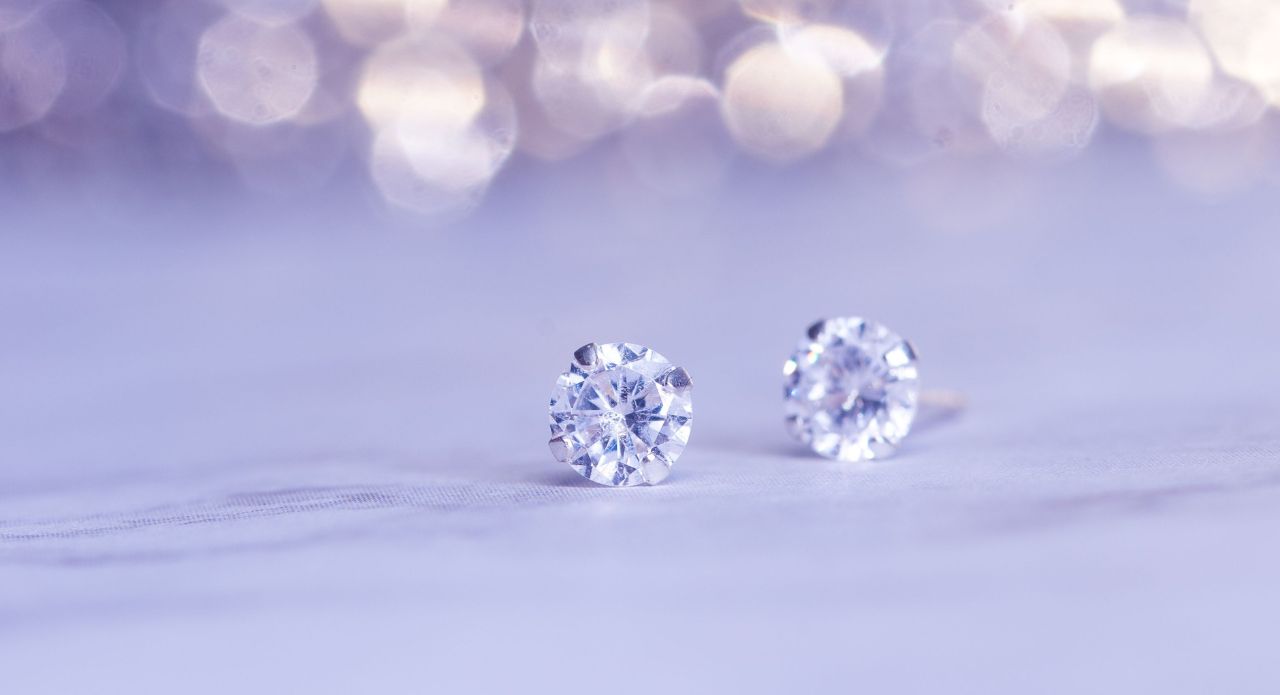
Natural diamonds are formed deep within the Earth over billions of years under intense heat and pressure. Their rarity and geological journey have long contributed to their desirability and value. Lab-grown diamonds, on the other hand, are created in controlled laboratory environments using advanced technology that replicates the natural diamond-growing process. Chemically, physically and optically, they are real diamonds.
One of the biggest distinctions lies in pricing. Lab-grown diamonds generally cost significantly less than natural diamonds of similar size and quality. This affordability has made them increasingly popular among younger consumers seeking larger stones or more elaborate jewellery within a fixed budget. As production technology continues to improve, lab-grown diamond prices have become even more accessible.
This accessibility has coincided with a noticeable shift in buying behaviour. According to Darayus Mehta, Founder of True Diamond, more women are purchasing solitaire jewellery to celebrate personal milestones such as career achievements, entrepreneurial journeys and individual accomplishments rather than waiting for traditional gifting occasions. He said that the brand observed this change through customer conversations, with buyers increasingly choosing diamonds to mark their own successes instead of engagements or proposals.
Value, Certification and Trends
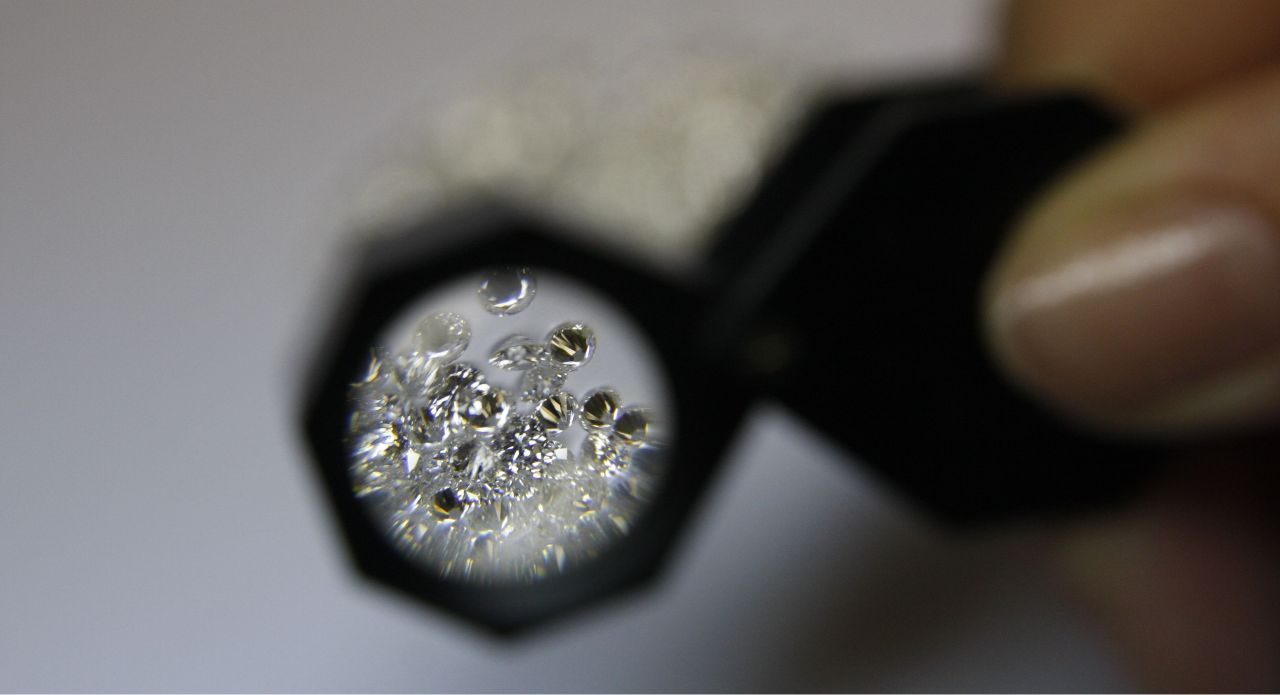
Certification remains important regardless of the stone’s origin. Buyers should look for diamonds graded by reputable gemological laboratories and pay close attention to the traditional ‘Four Cs’, i.e., cut, colour, clarity and carat weight. A reliable diamond certification provides transparency about quality and helps consumers make informed purchasing decisions.
When comparing a natural diamond versus a lab-grown diamond, resale value is another factor to consider. Natural diamonds have historically retained value better due to their limited supply and enduring market demand. Lab-grown diamonds, while attractive from a cost perspective, generally have lower resale values because production can be scaled and supply continues to grow.
Consumer preferences are also shaping diamond trends in 2026. Some buyers are drawn to the rarity, heritage and emotional significance associated with natural diamonds. Others appreciate the technological innovation and affordability of lab-grown alternatives. Neither choice is inherently better; the right option depends on individual priorities.
Actor and entrepreneur Parul Gulati, who has entered the diamond jewellery segment with True Diamond’s Malkin Collection, believes the conversation around diamonds is also evolving. She said consumers are increasingly viewing diamond jewellery as a way to celebrate personal achievements rather than reserving it solely for engagements or weddings.
“I don’t think we need to stop associating diamonds with love. I think we need to broaden what love looks like… The moment we stop asking, ‘Who gave it to you?’ and start asking, ‘What’s the story behind it?’, the conversation changes,” Gulati added.
Also Read: India’s New Diamond Rule: Only A Natural Diamond Can Be Called A Diamond
If long-term value, rarity and legacy are your primary considerations, a natural diamond may be the preferred choice. If size, affordability and contemporary appeal matter more, a lab-grown diamond can offer excellent value for money.
Ultimately, the best diamond buying mantra for 2026 is simple, understand your budget, verify certification and choose the stone that aligns with your personal preferences and goals. Whether natural or lab-grown, a diamond’s true worth often lies in the meaning attached to it.