

The Indian diamond buyer today is more informed than ever. They ask sharper questions, compare options deeply, and care not just about beauty, but about value, integrity, and long-term relevance. Yet despite this shift, lab-grown diamonds are still surrounded by outdated assumptions that no longer reflect how the category has evolved. As we are in the middle of the wedding season, it feels important to address these myths clearly, practically, and without noise.
Here are seven of the most common misconceptions around lab-grown diamond jewellery, and why they no longer hold true.
Myth 1: Lab-grown diamonds are not real diamonds
This remains the most persistent myth and also the simplest to clarify. Lab-grown diamonds are chemically, physically, and optically identical to mined diamonds. They are not substitutes or simulants like cubic zirconia or moissanite. Under a loupe, a microscope, or advanced gemological testing, they are diamonds. The only difference lies in origin, not in composition, performance, or authenticity.
Myth 2: Lab-grown diamonds lack brilliance or quality
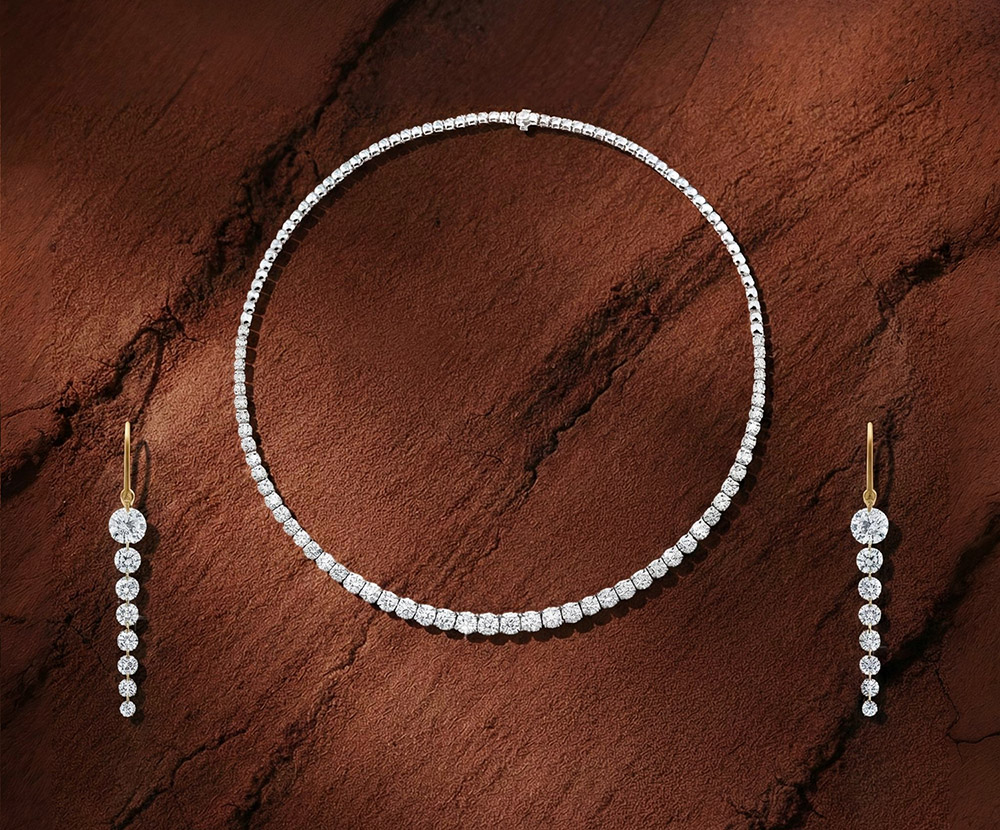
Brilliance is determined by cut, symmetry, and clarity, not by where a diamond comes from. In fact, modern diamond-growing technology allows for greater control over crystal structure and purity. This precision often results in stones with exceptional light performance. Many of the finest-quality diamonds available today are lab-grown because the growth process allows consistency that nature does not always guarantee.
Myth 3: A lower price means lower value
This assumption comes from an older way of thinking about pricing, not from quality. A lower price does not indicate a lower-grade diamond. Lab-grown diamonds are priced differently because their supply chain is more controlled and predictable, not because the stone itself is inferior.
For today’s buyer, value is no longer defined only by rarity. It is defined by what you are able to achieve within a given investment. Lab-grown diamonds allow buyers to prioritise cut, clarity, proportion, and design precision without paying a premium purely for scarcity. Jewellery, like every other industry, has always evolved alongside technology. This is not a phase. It is a structural shift. Lab-grown diamonds are built on repeatability and precision, which means design can finally lead the process instead of availability or markup.
To put this into perspective, consider a customer looking for a clean, modern solitaire. With lab-grown diamonds, the same visual intent can be achieved at around INR 2,00,000. With a natural diamond, depending on specifications and availability, that price can range anywhere between INR 10 lakh to INR 20 lakh.
What changes here is not the beauty of the piece, but the flexibility the buyer retains. That remaining INR 8–INR 18 lakh is not locked into a single purchase. It can be used to build a jewellery wardrobe rather than a one-time statement. Buyers can add everyday studs, a tennis bracelet, stackable rings, or commission a matching band later. They can also choose to allocate that capital toward savings, investments, travel, or experiences that matter more to them personally.
Natural diamonds will always have their own place and significance. Lab-grown diamonds are not here to replace them. They exist alongside them, serving a different mindset. Today’s relevance is being shaped by taste, craftsmanship, proportion, and intention, not by size alone. In that sense, lab-grown diamonds are expanding choice, not diminishing value.
Also Read: Inside Pettagam, India’s First Private Museum On Chettinad Jewellery
Myth 4: Lab-grown diamonds do not hold long-term relevance
The jewellery industry has always evolved alongside technology. What we are seeing now is not a temporary shift, but a structural one. Lab-grown diamonds represent a category built on precision, repeatability, and design intelligence. As buyers become more design-aware and less driven by size for its own sake, relevance is increasingly defined by craftsmanship, proportion, and intent.
Myth 5: Lab-grown diamonds are only suitable for entry-level jewellery
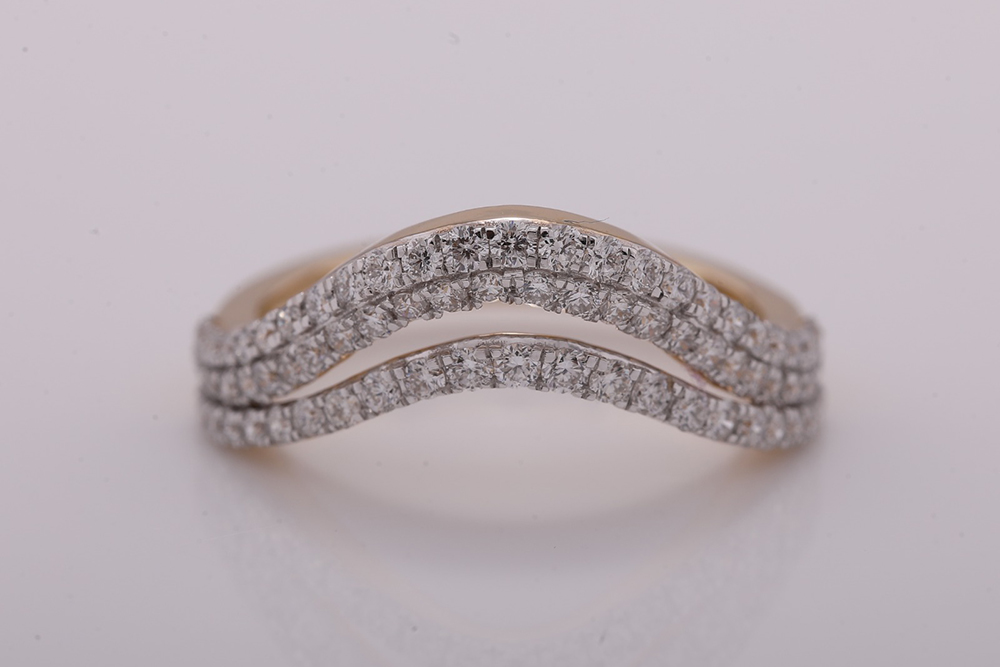
This assumption is no longer accurate. Lab-grown diamonds are now widely used in fine jewellery, bespoke bridal pieces, and high-design creations. Designers are able to work with exact specifications, allowing them to push boundaries of form and scale. This has opened up a new language of fine jewellery that prioritises structure and balance over excess.
Myth 6: Choosing lab-grown means compromising on tradition
Indian jewellery traditions have always evolved. Polki, rose cuts, uncut diamonds, and new gold alloys were once considered unconventional. Lab-grown diamonds are simply the next chapter in that progression. They allow couples to honour sentiment and symbolism while making choices that reflect their values, aesthetics, and modern lifestyles.
Myth 7: Lab-grown diamonds are only about sustainability
Sustainability is an important factor, but it is not the sole reason buyers are choosing lab-grown diamonds. The deeper shift is toward control and creativity. Technology allows designers to think differently, to design first and build with intention. Buyers gain access to customisation, precision, and transparency. Sustainability is part of the story, but innovation is what is truly reshaping the category. For today’s Indian wedding buyer, jewellery is no longer about excess or symbolism alone. It is about clarity, intention, and longevity. Lab-grown diamonds fit naturally into this mindset. They allow couples to invest in design, craftsmanship, and personal meaning, while making informed, future-facing choices.
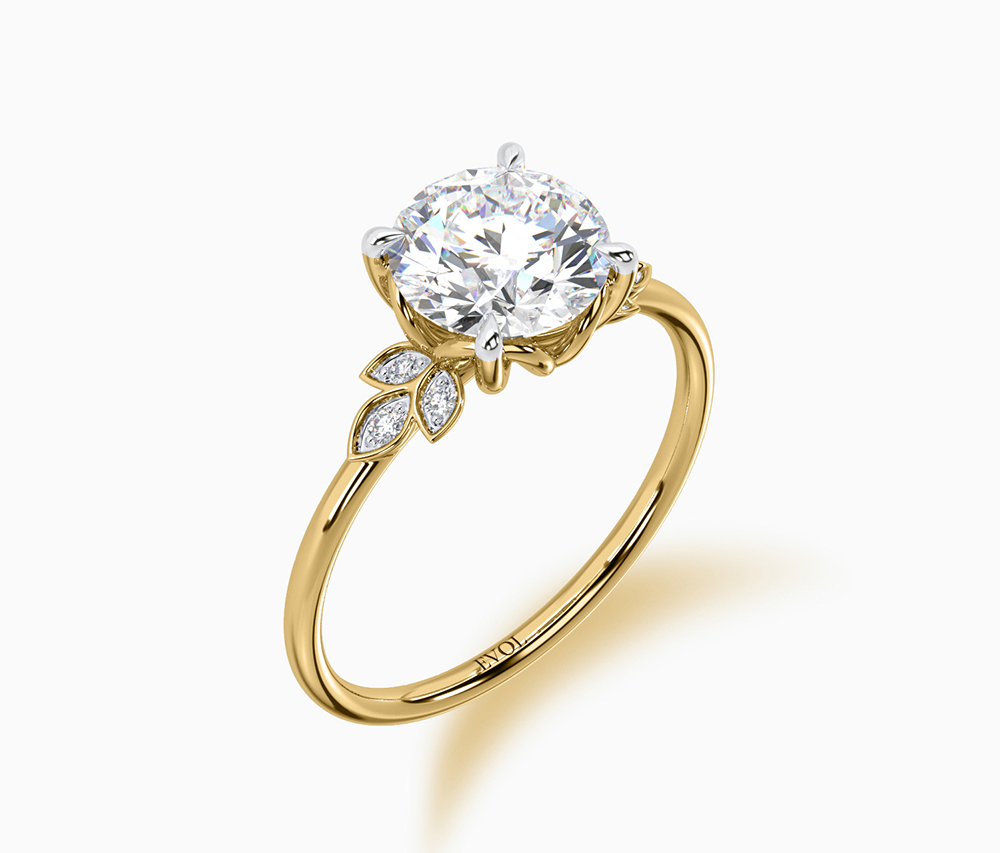
The conversation around diamonds is changing. And for many buyers this wedding season, lab-grown diamonds are not just another alternative. They are considered, intelligent choice for a new generation of fine jewellery consumers.
Writer’s Bio: Nimesh Jain is the founder and creative director of Evol Jewels.