Inside Vayu’s New Lodhi Market Store Where India’s Material Traditions Breathe In Collectables
The newly opened store of Vayu — Design For Living at Delhi’s Lodhi Market chronicles India’s design legacy through curated home décor, and rare collectibles
On a crisp December afternoon, a stroll at New Delhi’s art district, Lodhi Colony, gives an arty escape from the city’s drab and polluted landscape. Crossing the quaint neighbourhood that feels like a sleeping beauty in the winter sun, bearing colonial charm and marvelling for the 100th time at vibrant murals, we reached Lodhi market’s latest plush haven, the newly opened Vayu — Design For Living store. Formerly housed at Bikaner House, the collectable art and design store has now found a more expansive outpost in Lutyen’s Delhi to showcase décor, design, and rare finds.
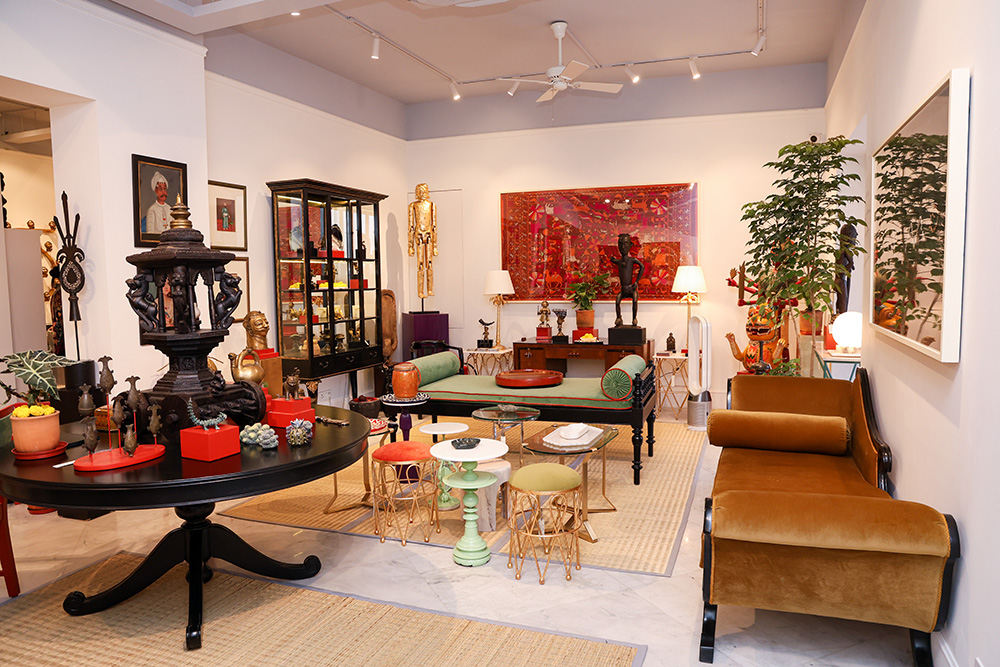
“Our chapter at Bikaner House came to a natural close with the end of the lease there. This transition allowed us to reimagine the next phase of Vayu,” says Vivek Sahni, Founder, Vayu — Design for Living. He adds that the Lodhi Road space offered the scale and openness needed to move beyond a conventional retail format and create an “experiential environment” that supports exhibitions, curated installations, and a more immersive engagement with design. “It also gives us room to include a gallery space where we can present exhibitions and pop-ups with the artists we work with,” he adds.
As we step inside, the new store looks like a haven of luxury collectables from all across India. Reverse glass paintings with portraits of nobles, courtesans and aristocrats adorned the walls. It takes us back to the 1770s when the East India Company, Chinese and Parsi traders introduced the reverse glass painting technique to India, letting Indian artisans quickly gain mastery over it. As we move from one corner to another, Himachali shaman masks worn during mask dance festivals like Faguli create a mystical air, standing as a symbol to ward off evil spirits. On the shelves, a Kashmiri paper mache chest allured us with its timeless craft. Hand-painted golden floral and bird motifs made it a royal centrepiece to keep your valuables.
Also Read: How Ancient Jewellery Is Appearing In A New Avatar
“From Ladakh, we showcase brands such as Mapcha, a lifestyle label inspired by Himalayan art and culture, along with textile practices like Lena Ladakh and Saldon, which reinterpret traditional handspun and handwoven wool into current expressions,” says Sahni on some of the brands that were on display.
From Northeast India, there was handcrafted jewellery from Nagaland made of rich coral gemstones honouring tribal heritage. Another striking piece was a vibrant wall panel of Punjab’s Phulkari that added a pop of colour to the store, along with massive sculptures from South India that we could imagine would look stunning at a heritage home’s entrance.
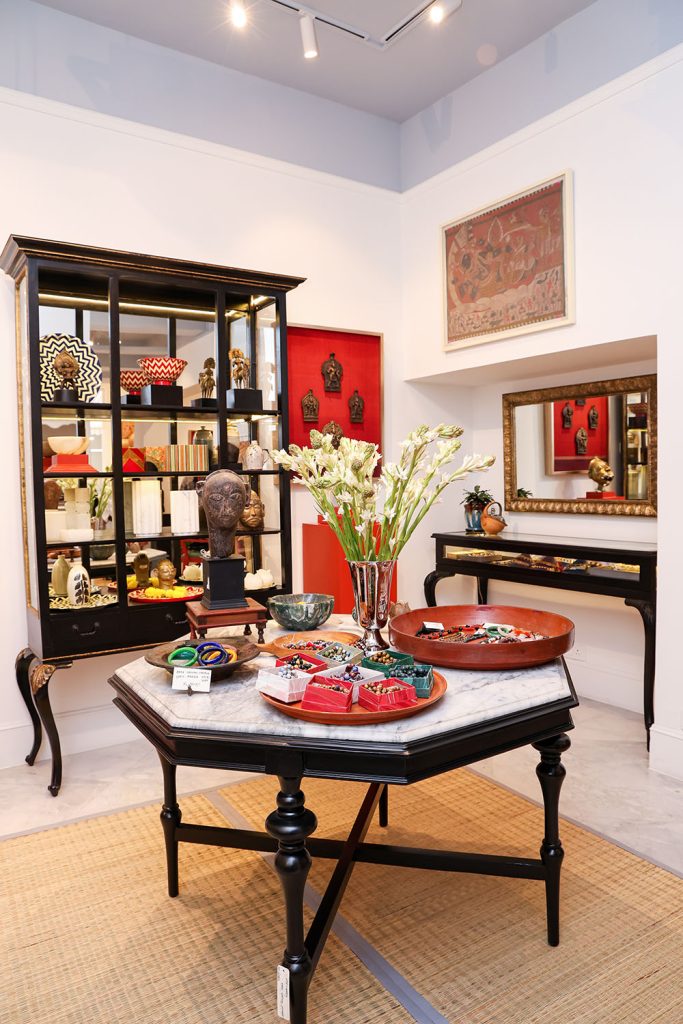
For those looking for statement home living adornments, Arunachal Pradesh-based designer Jenjum Gadi’s brass sculptures are a standout. The polished golden sculptures of fruits are plucked from Gadi’s memory of his mother’s garden back at home. The store also had traditional home décor with Pichwai-inspired brass wall art by Gadi and Gauri, head sculptures in vintage brass that are equally captivating to anchor the living rooms.
The store perfectly balances the heritage-value collectables with contemporary designs, too. For instance, the tableware collection featured elegant glassware inspired by the Venetian technique of Murano that comes alive on candle stands, vases, glasses and other table decoration ornaments. Further, ceramic plates with contemporary brush stroke patterns added a chic touch to tablescaping.
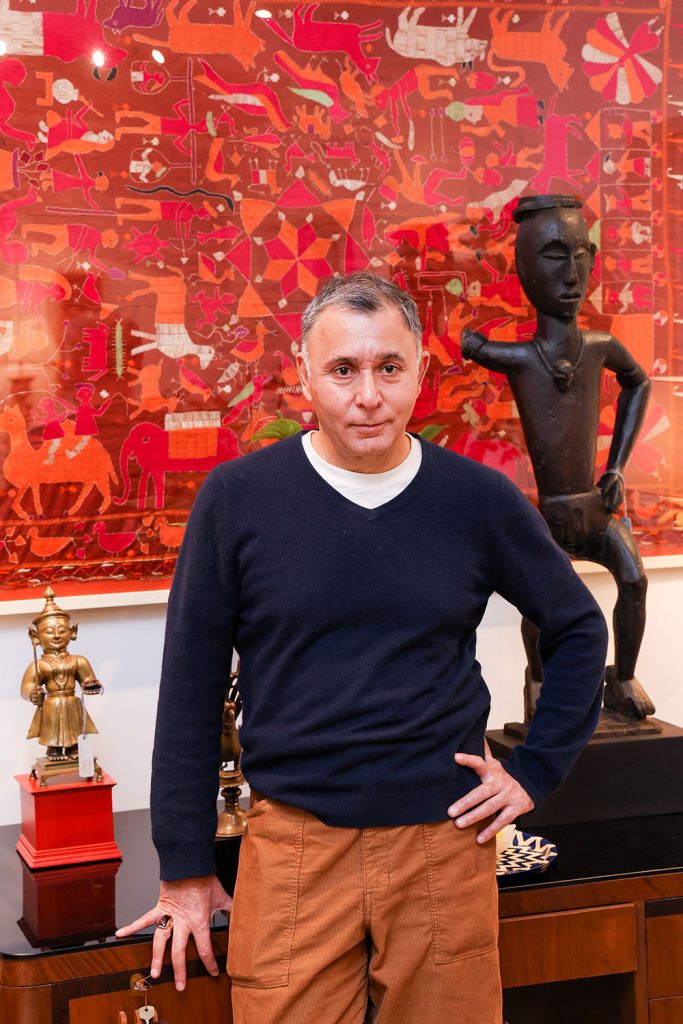
“Alongside these, we collaborate with independent designers and studios including Tablescapes, Amrich, Jobner, and Pottery Sipapu, each bringing a distinct voice to ceramics, object design, and lifestyle pieces that bridge craft and modern living,” tells Sahni adding Gadi’s hand-etched brass coconut pieces, the Shainchi Phulkari and The yak wool dolls from design brand Mapcha are amongst his favourites. With this newly-opened space, the store serves less like a retail outpost and more like a living archive of India’s material traditions.