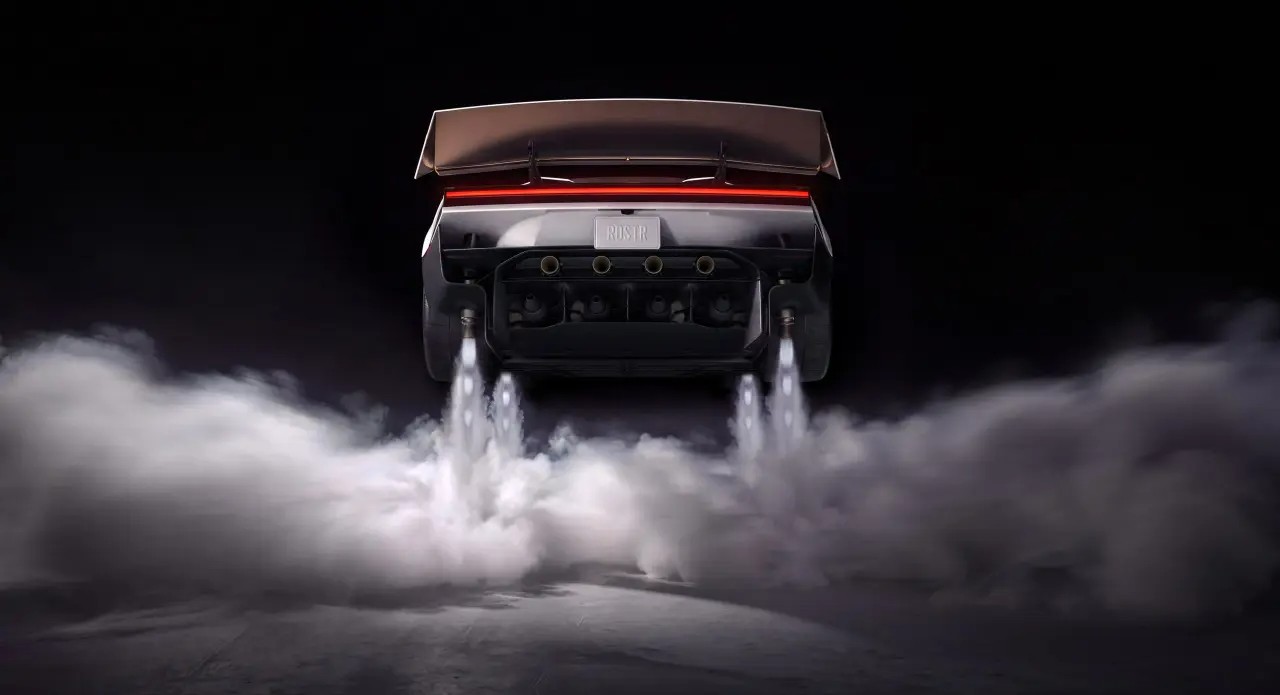


In the grand opera of the automobile, the exhaust note is its music, a visceral symphony composed not by violins or pianos but by pistons, valves and carefully orchestrated bursts of combustion. Long before speed figures and lap times became the dominant currency of performance cars, enthusiasts fell in love with the unmistakable voice of an engine. It is a language that needs no translation. The deep thunder of a large displacement V8, the spine tingling shriek of a high revving V12 or the metallic rasp of a naturally aspirated flat six can stir emotions that no spreadsheet of specifications ever could. Indeed, the finest sports cars do not merely move; they perform, announcing their presence with a soundtrack that lingers long after the machine has disappeared into the distance. For engineers, crafting such an exhaust note is no accidental byproduct but a carefully tuned exercise in acoustics and mechanical theatre. From manifold design to exhaust length and valve timing, every detail contributes to shaping the sonic identity of the car. It is this orchestration of sound that elevates certain machines from impressive to unforgettable. Over the decades, a handful of sports cars have achieved almost mythical status purely because of the way they sound when unleashed upon an open road. Their exhaust notes have become part of automotive folklore, replayed endlessly in enthusiast circles and etched permanently into the memories of those fortunate enough to hear them in full voice. With this in mind, Outlook Luxe turns its attention to five extraordinary machines whose exhaust notes remain among the most intoxicating ever engineered, cars that transformed raw mechanical noise into pure automotive music.
Porsche Carrera GT
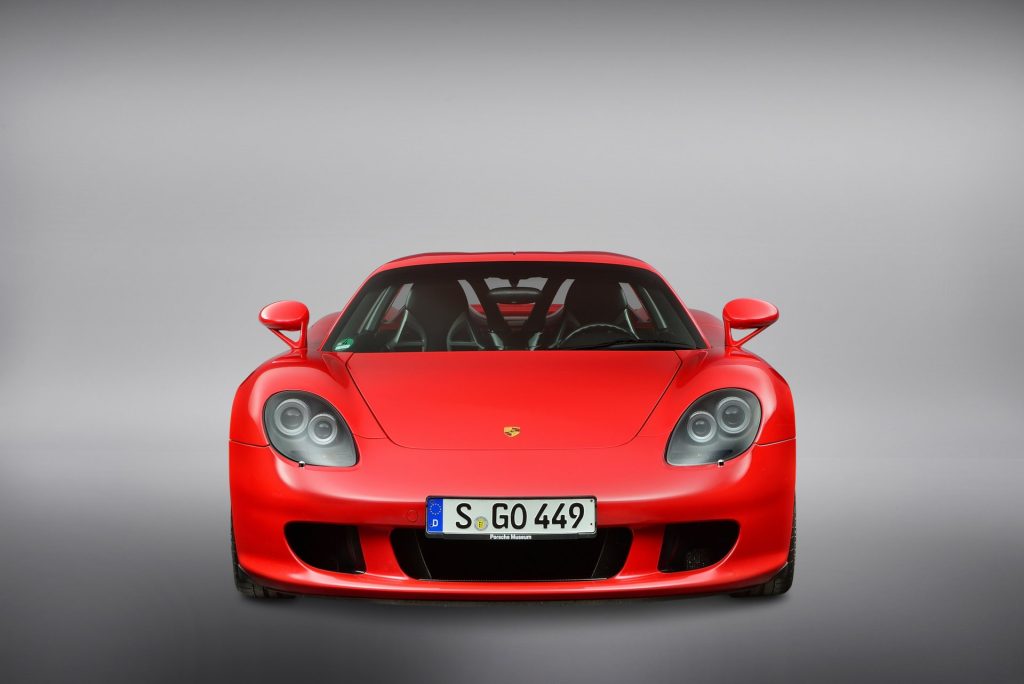
The unveiling of the Porsche Carrera GT at the Paris Motor Show in 2000 marked the arrival of a machine that blurred the line between racing prototype and road going supercar. What initially appeared as a near production concept soon evolved into one of the most revered performance cars of the modern era. At its core lay a philosophy deeply rooted in motorsport engineering, with both the carbon fibre monocoque chassis and the naturally aspirated V10 engine derived directly from racing technology. The 5.7 litre powerplant, producing a formidable 612 horsepower, delivered its energy with a ferocious yet melodic intensity that quickly became the car’s defining signature. Positioned mid ship, the ten cylinder engine unleashed a rising mechanical crescendo that culminated in a spine tingling wail as the tachometer surged toward its limits, propelling the car to a top speed of 330 kilometres per hour. Yet, raw power alone did not define the Carrera GT’s character as the development programme was shaped by the legendary racing driver Walter Röhrl, who spent countless hours lapping the formidable Nürburgring Nordschleife to refine the chassis and suspension dynamics. The result was a machine that embodied the soul of a racing car while delivering an unfiltered, exhilarating driving experience on the open road.
Lexus LFA
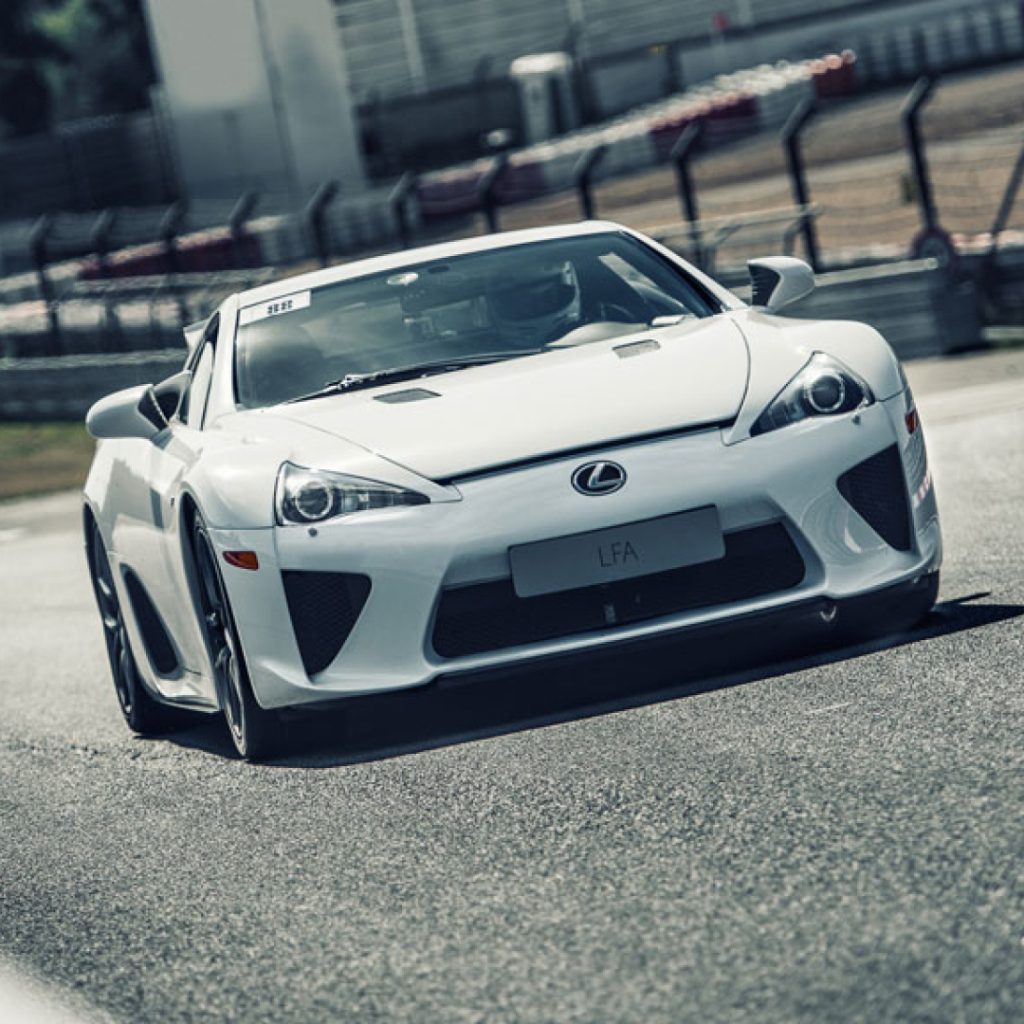
The creation of the Lexus LFA was nothing short of an engineering odyssey, a supercar conceived not merely as a machine of speed but as a carefully orchestrated driving experience. Unlike most high performance cars that begin their development with the engine, the LFA took a radically different path. Engineers first imagined how the car should feel on the road, how it should respond to the driver and how its dynamics should flow through every corner, and after defining this philosophy did the architecture of the car begin to take shape. To bring this ambitious vision to life, Lexus collaborated with experts from Yamaha as well as engineers with backgrounds in Formula One and MotoGP, creating an entirely new 4.8 litre naturally aspirated V10 engine in the dedicated LFA Works facility in central Japan. The powertrain was developed exclusively for the car, from the transmission to the smallest mechanical detail. After more than a decade of relentless testing and refinement, much of it conducted at the demanding Fuji Speedway, the LFA finally emerged as one of the most distinctive supercars ever built. With 552 horsepower, a top speed of 325 kilometres per hour and a lightweight carbon fibre reinforced plastic body paired with a six speed automated sequential gearbox, the LFA delivers a driving experience defined by razor sharp responsiveness and a spine tingling V10 soundtrack.
Lamborghini Murcielago
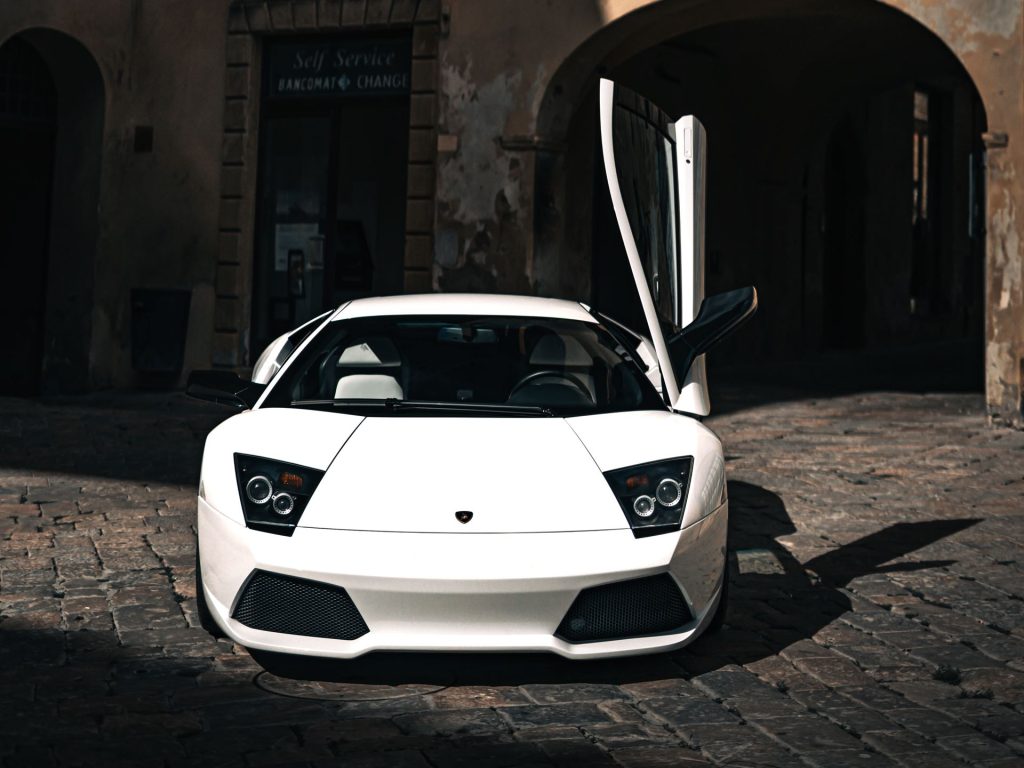
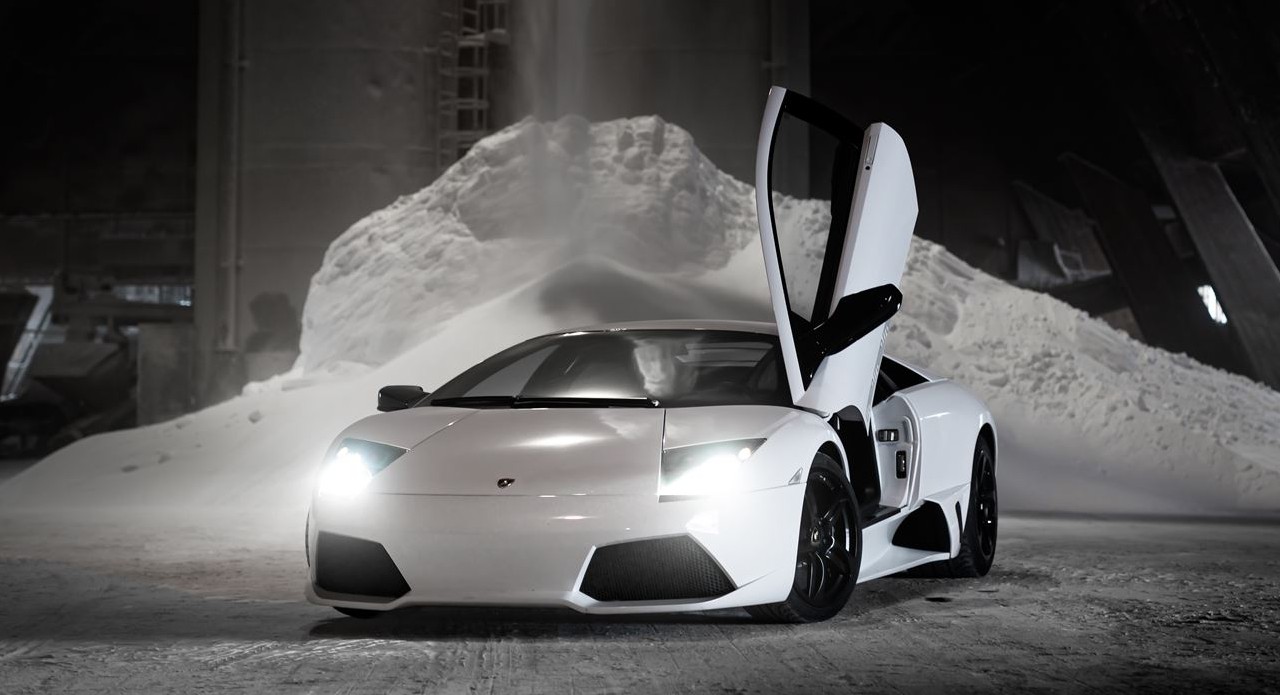
The arrival of the Lamborghini Murciélago at the Frankfurt Motor Show in September 2001 marked a pivotal moment in the evolution of the modern supercar. Tasked with carrying the marque’s legendary V12 lineage into the twenty first century, the Murciélago succeeded in doing so with unmistakable theatricality and engineering ambition. At its heart lay a formidable 6.2 litre naturally aspirated V12 engine producing 580 horsepower, an extraordinary figure for its time, especially considering the stringent emissions regulations the car had to satisfy across global markets. The model also represented a technological leap for Lamborghini, becoming the first vehicle from the marque to be fully developed using advanced CAD CAM design systems, ensuring unprecedented levels of precision, fit and finish. Under the direction of renowned designer Luc Donckerwolke at the Lamborghini Centro Stile, the Murciélago emerged with dramatic proportions, a low 120 centimetre stance and the unmistakable scissor doors that had become a signature of the brand’s most exotic machines. Over the years the model evolved through increasingly powerful variants, culminating in the ferocious LP 670-4 SuperVeloce with 670 horsepower and a top speed exceeding 340 kilometres per hour. Yet beyond its raw performance, the Murciélago earned a special place in automotive history as the final Lamborghini V12 to offer a traditional six speed manual transmission, preserving a visceral connection between driver and machine rarely found in modern supercars.
Ford Mustang Fastback
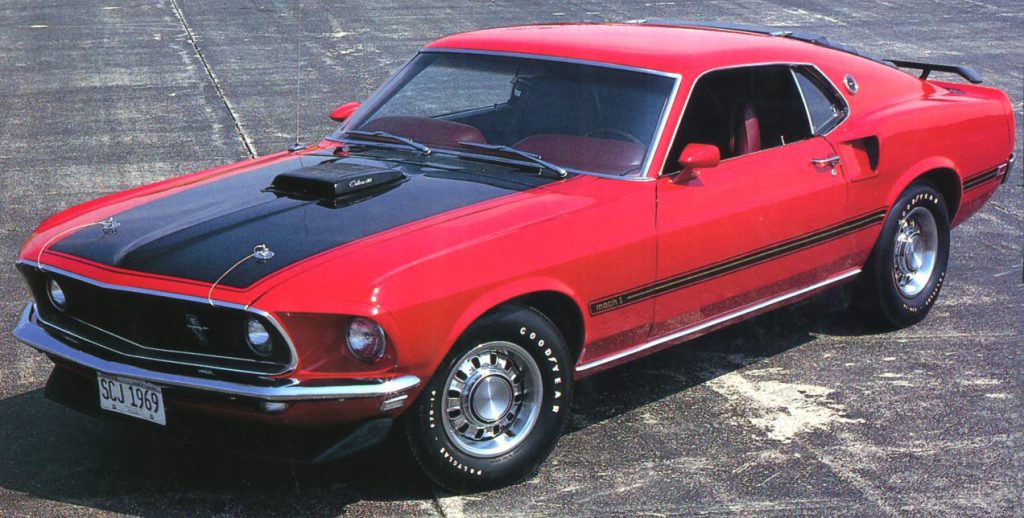
Few automobiles have managed to capture the raw spirit of American performance quite like the Ford Mustang Fastback equipped with the formidable 5.8 litre 351 Cleveland V8. Emerging during the golden era of muscle cars in the late 1960s and early 1970s, this iteration of the Mustang represented the unrestrained ambition of Ford Motor Company to deliver power, attitude and unmistakable road presence in one dramatic package. The 351 Cleveland engine, named after the Ohio city where it was produced, quickly earned a reputation for its robust construction and high flowing cylinder heads, allowing the V8 to breathe deeply and unleash a thunderous soundtrack that defined the muscle car experience. Housed within the sleek fastback body style, the Mustang combined aggressive styling with genuine performance credentials, its long sculpted bonnet and sloping rear roofline hinting at the power waiting beneath the metal. The Cleveland V8 delivered formidable torque and an unmistakable exhaust roar, a deep mechanical rumble that built into a ferocious bellow as the revs climbed, making every acceleration feel like a declaration of mechanical might. More than just a performance upgrade, the 351 Cleveland powered Fastback embodied a defining chapter in American automotive culture, a period when engineering bravado and visceral driving pleasure came together to create machines whose sound and spirit continue to echo across generations of enthusiasts.
Mazda 787B
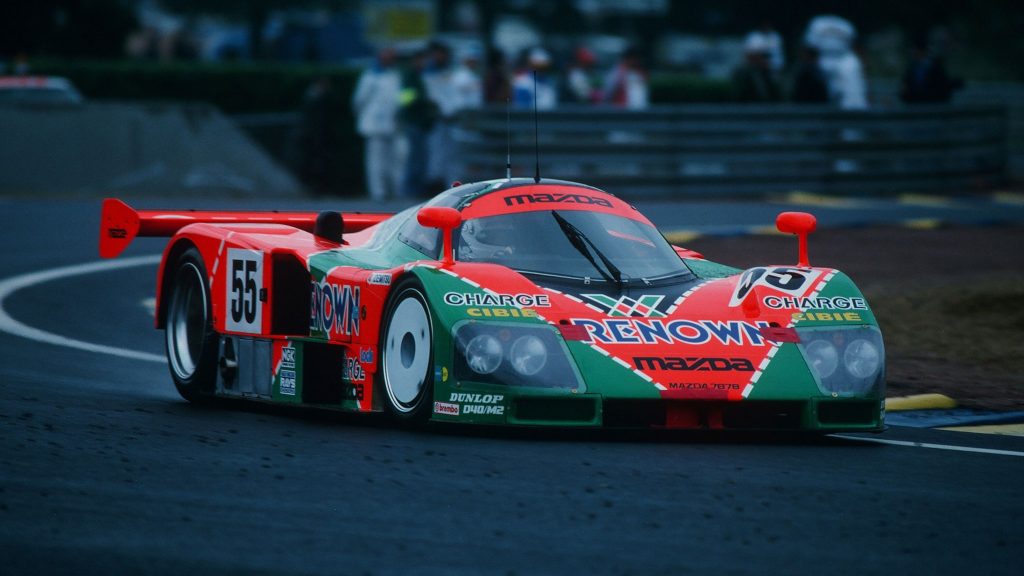
The legend of the Mazda 787B occupies a singular place in motorsport history, not merely for its achievements on the track but for the utterly unmistakable soundtrack that accompanied them. Developed by Mazda for endurance racing in the early 1990s, the 787B was powered by a remarkable 2.6 litre four rotor R26B rotary engine, an engineering configuration unlike anything else competing at the highest level of international motorsport. Instead of conventional pistons moving within cylinders, the rotary powerplant relied on spinning triangular rotors, a design that allowed the engine to rev to astonishing heights while producing a piercing mechanical wail that became instantly recognisable to racing fans. The car achieved immortality at the 24 Hours of Le Mans in 1991 when it secured overall victory, becoming the first Japanese manufacturer to win the legendary endurance race and the only rotary powered car ever to do so. Delivering well over 700 horsepower in race trim, the engine produced a shrill, high pitched scream that echoed across the Circuit de la Sarthe as the car blasted down the Mulsanne Straight at relentless speed. Clad in its iconic orange and green Renown livery and engineered with uncompromising racing precision, the 787B remains one of the most distinctive machines ever built, celebrated not only for its historic triumph but for a sound that still reverberates through the folklore of motorsport.