Inside Lenny Kravitz’s Paris Home: A Portrait Of His Life Through Design
Named Hôtel de Roxie after his mother, Lenny Kravitz's Paris mansion is less a house than a memoir, built room by room over two decades
Some homes are decorated. Lenny Kravitz’s is authored. Tucked into a tree-lined cul-de-sac in Paris’s 16th arrondissement, the mansion the musician has owned for more than two decades reads less like a collection of beautiful objects and more like a chapter-by-chapter account of everywhere he has been and everyone who shaped him. As he told Architectural Digest during his second appearance on the outlet’s “Open Door” series, design without that kind of personal story “becomes a house just full of stuff.” His Paris home is emphatically not that.
A House That Chose Him
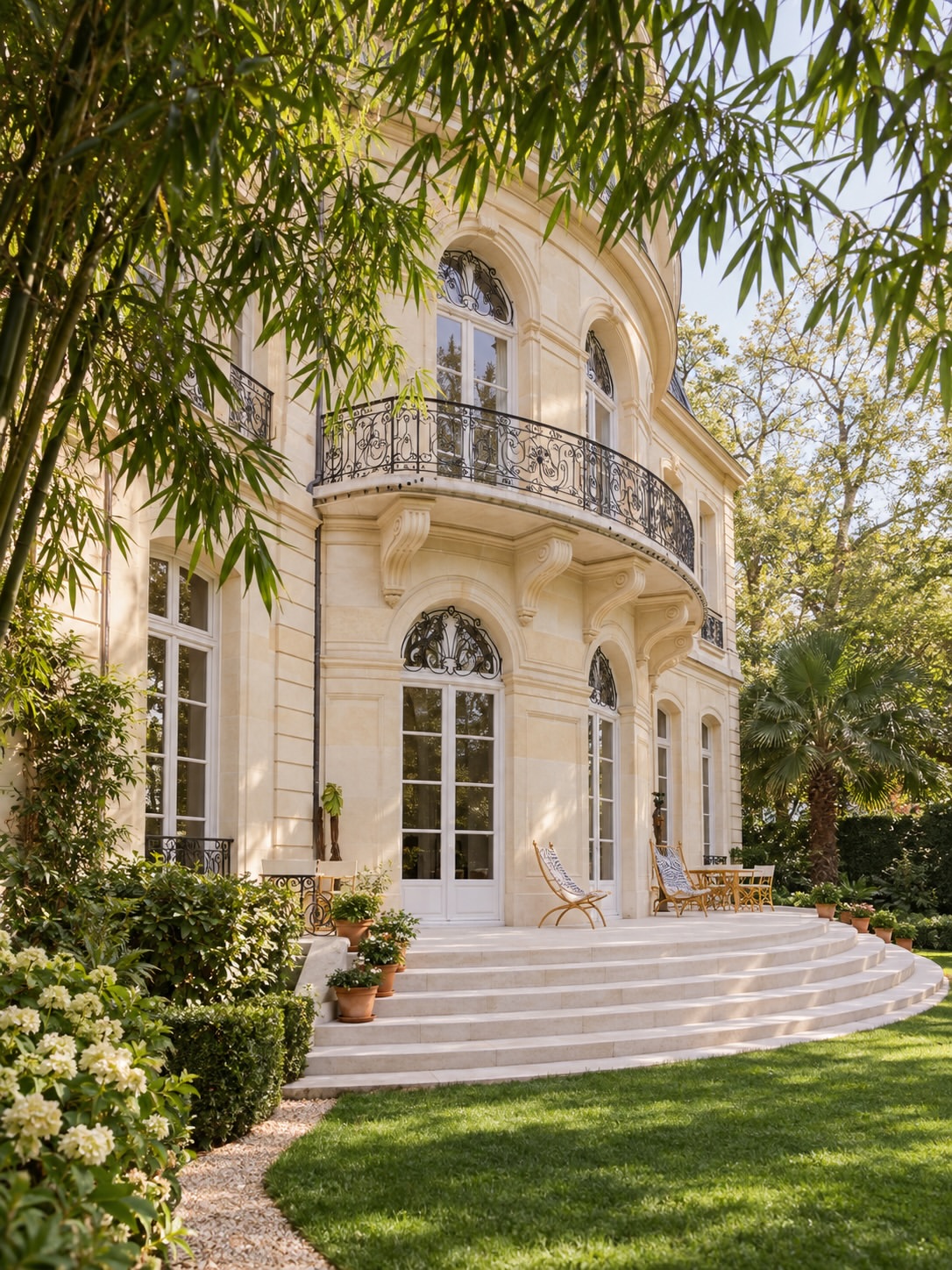
Kravitz first fell for Paris in 1989, arriving to promote his debut album Let Love Rule. Years later, in the early 2000s, a real estate agent brought him to this particular property, previously owned by Countess Anne d’Ornano, the widowed former mayor of Deauville, who had decided to spend more time at her estate outside the city. The moment he stepped inside, Kravitz knew. “I walked in and said, ‘This is my house.’ Spiritually, I knew,” he recalled. He has lived there for 22 years since.
Also Read: The Weeknd’s USD55 Million Florida Estate: Inside Abel Tesfaye’s Coral Gables Home
Named for a Dream That Came True Too Late
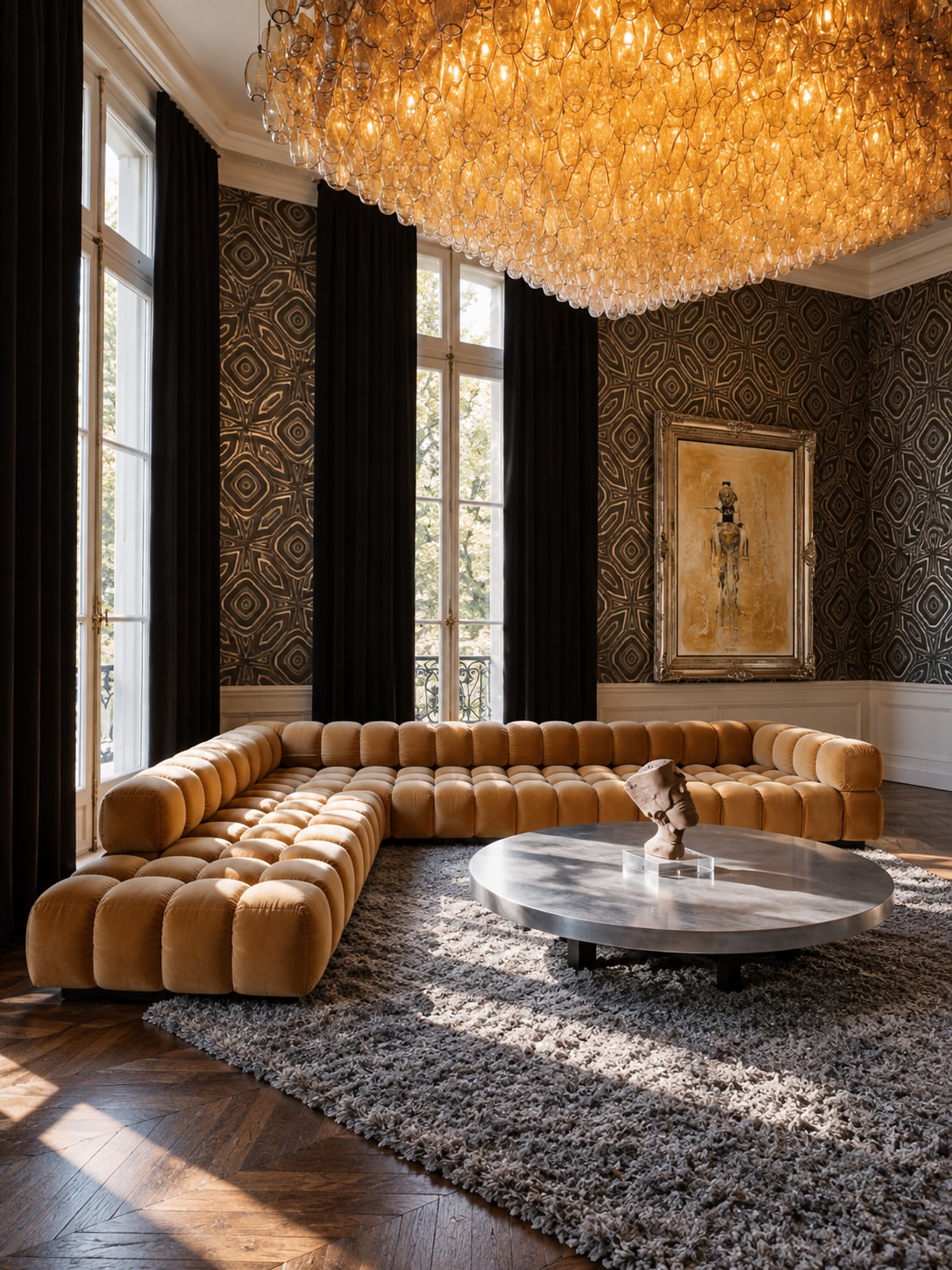
Kravitz named the mansion Hôtel de Roxie, after his mother, actress Roxie Roker, for whom moving to Paris had been a lifelong dream she never got to realise. “It was named after my mother because it was her dream to come live in Paris,” he explained. That tribute runs throughout the home, most visibly in the Roxie Room beside the grand salon, filled with her image, and in a petite salon lined with family photographs. His design studio, Kravitz Design, which oversaw the entire renovation, even created a chandelier named after her that hangs in the great room. Elsewhere, a Geoffrey Holder painting and carved wooden tusks from Central Africa nod to the wider cultural lineage Kravitz says he can feel present in the house, describing the whole space as a tribute to his ancestors.
Also Read: Paris Hilton’s Luxury Estate: A USD63.1 Million Home With Its Own Golf Course
Grand Bones, Personal Layers
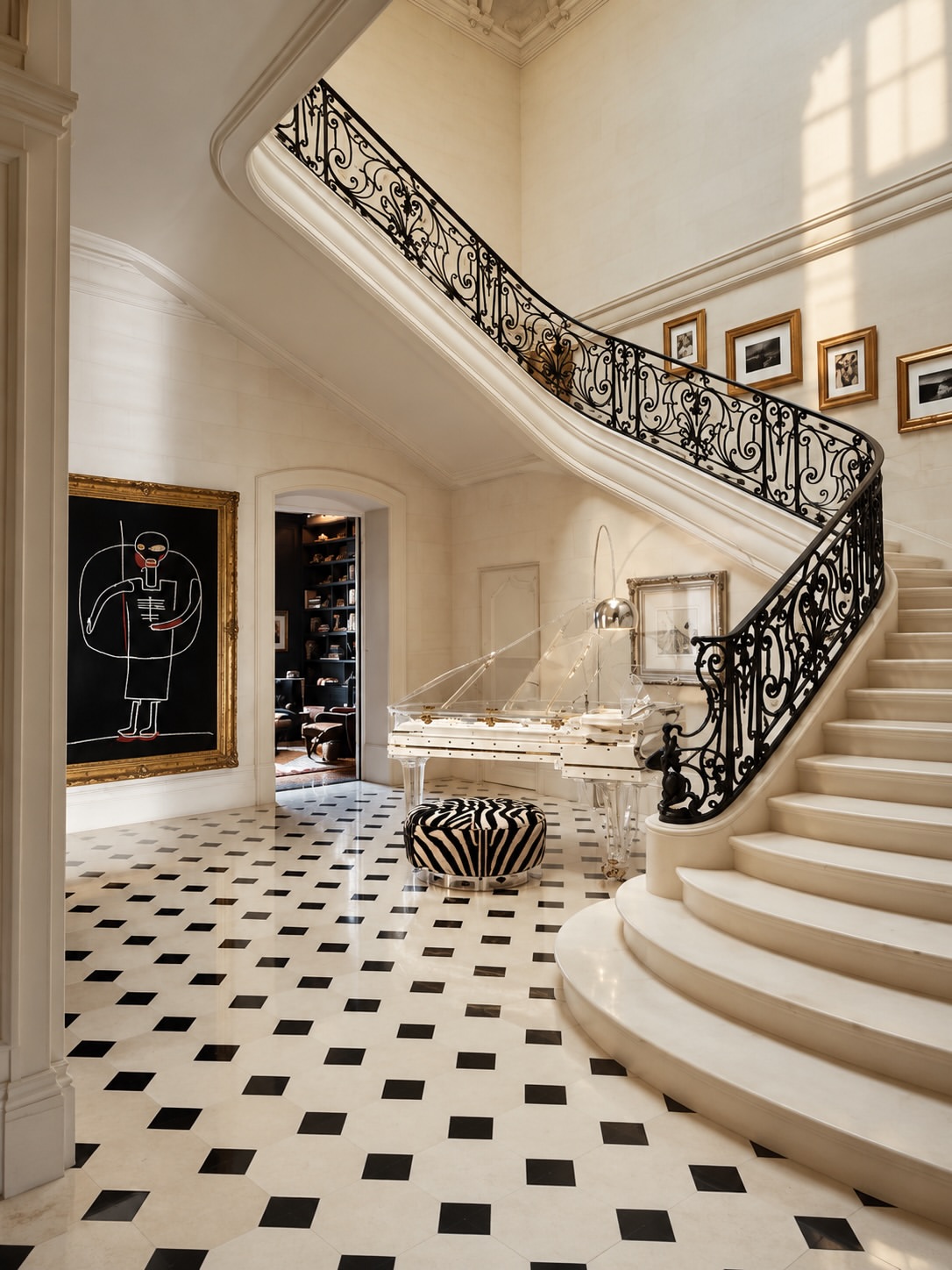
The 1920s architecture provides the mansion’s formal backbone: a sweeping entry staircase with swirling wrought-iron railings, soaring ceilings, and a skylight that floods the entrance hall with light. Kravitz has noted, with evident satisfaction, that those lofty ceilings also produce excellent reverberation for making music, a detail that matters to a man who considers sound as carefully as he considers a room’s proportions. Anchoring the entry hall is a custom grand piano that Kravitz helped design himself, a piece he says he’s especially proud of.
Layered onto that grand architecture is a curated mix that defies easy categorisation: Andy Warhol screenprints of Muhammad Ali hang in the living room alongside a 1970s coffee table and chairs pulled from Kravitz’s own design studio, while jewel-toned accents, Baccarat chandeliers and gilded mirrors bring a sense of old-world Parisian glamour to rooms that could otherwise feel like a period-accurate museum piece rather than a lived-in home. Kravitz calls the resulting sensibility “soulful elegance,” a phrase that captures how the mansion manages to feel both palatial and unmistakably personal.
A Library Built From Memory
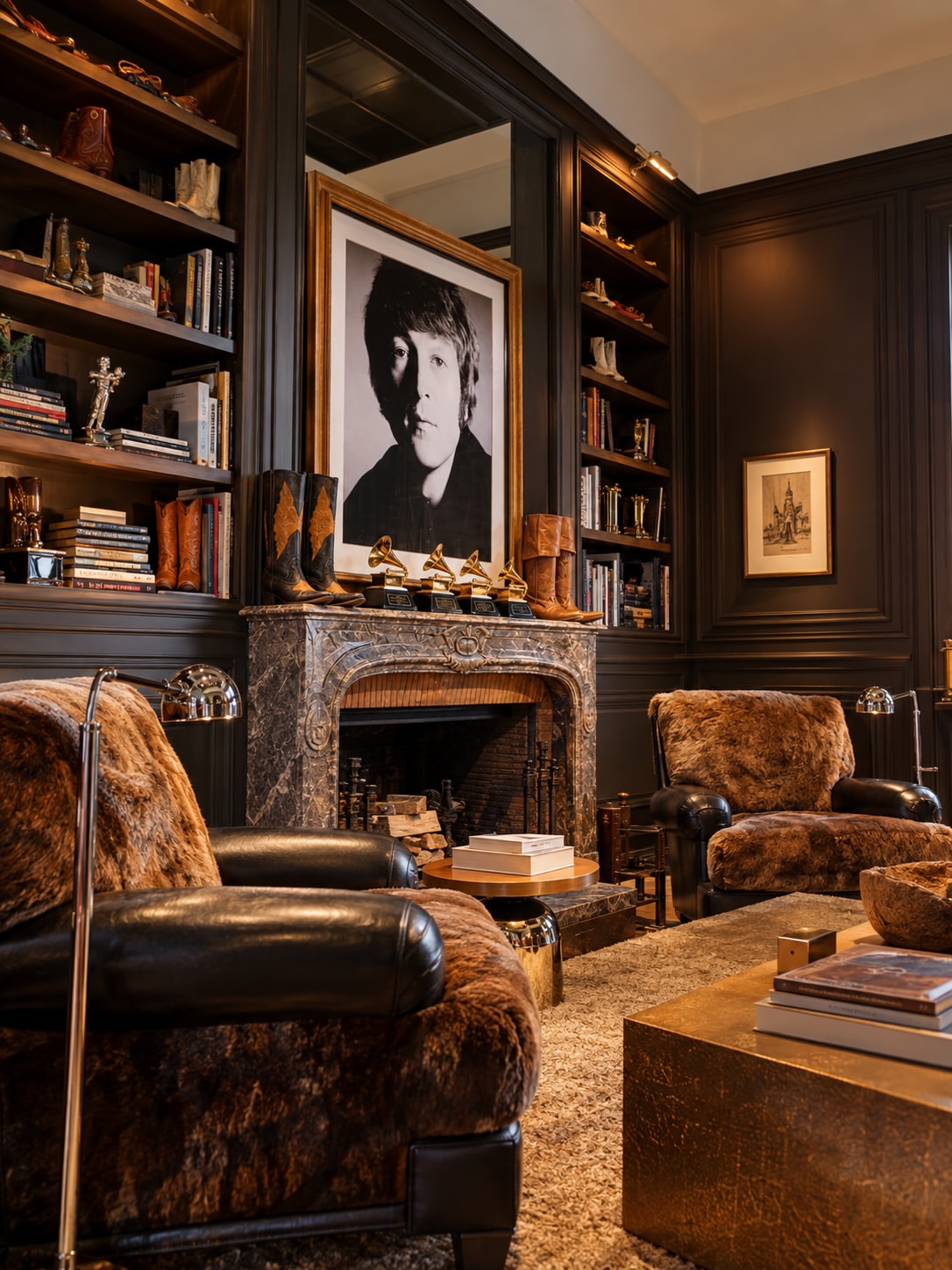
Among the home’s many rooms, Kravitz has singled out the library as the one that “means most” to him, largely because its shelves hold books that once belonged to his mother. It’s a quiet, literary counterpoint to the house’s more theatrical spaces, and a reminder that for all its scale, the mansion’s real currency is memory rather than square footage, which, at roughly 1,500 square feet by some estimates, is itself modest by the standards of the surrounding 16th arrondissement.
The Work Floor: Music, Mischief and a Disco Ball
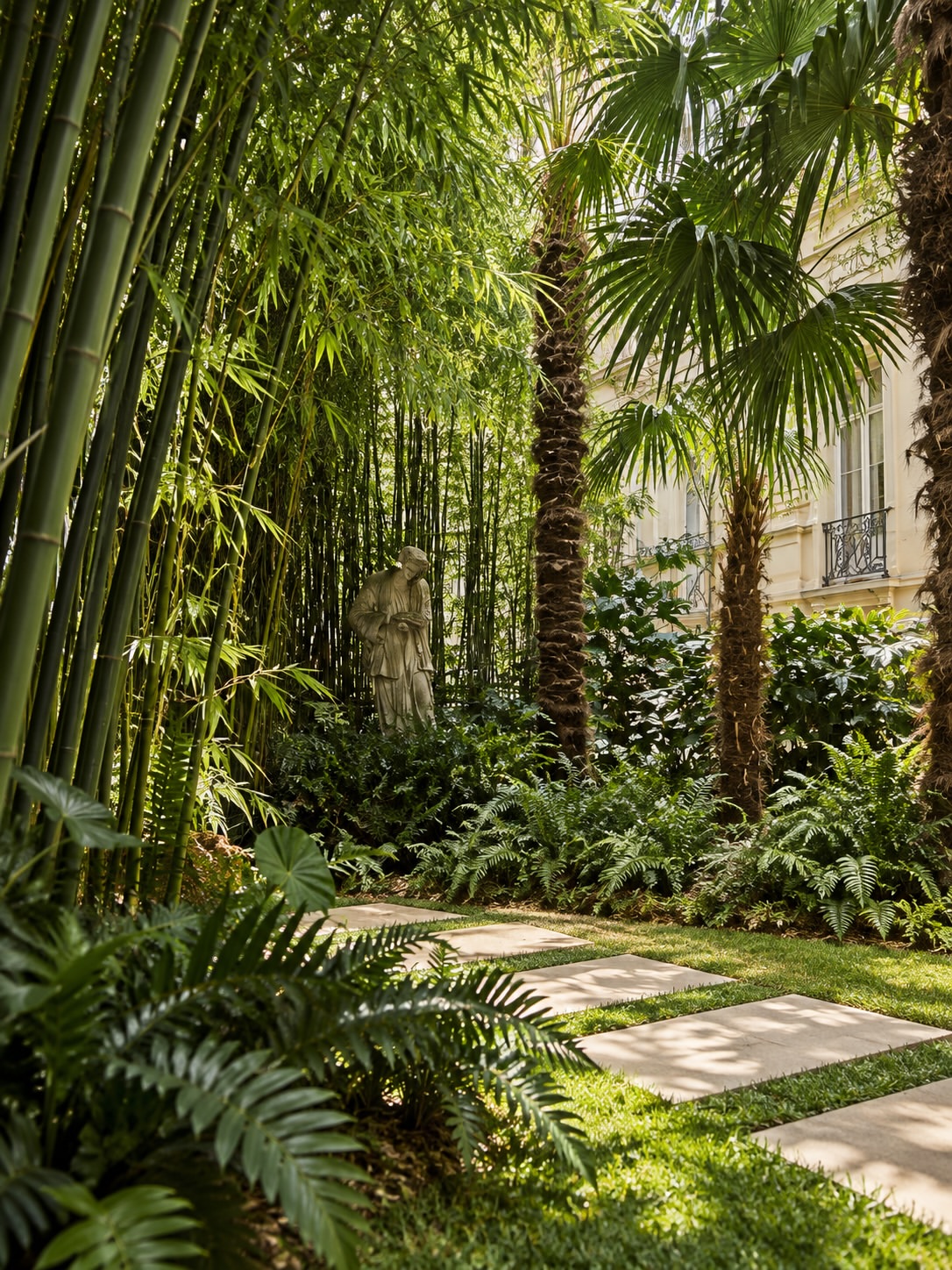
If the upper floors are chic and contemplative, the lower level is where the house lets its hair down. Kravitz calls it his “work floor,” home to an in-home music studio finished with exposed cement block walls, red-hued lighting and a large disco ball, a space he describes as the “heart and soul” of the home. Down here too sits the speakeasy-style boiler room that has become something of a family fixture; Kravitz has noted that his daughter, actress Zoë Kravitz, has been known to host her own gatherings in it.
A Home Among Many, but One That Feels Singular
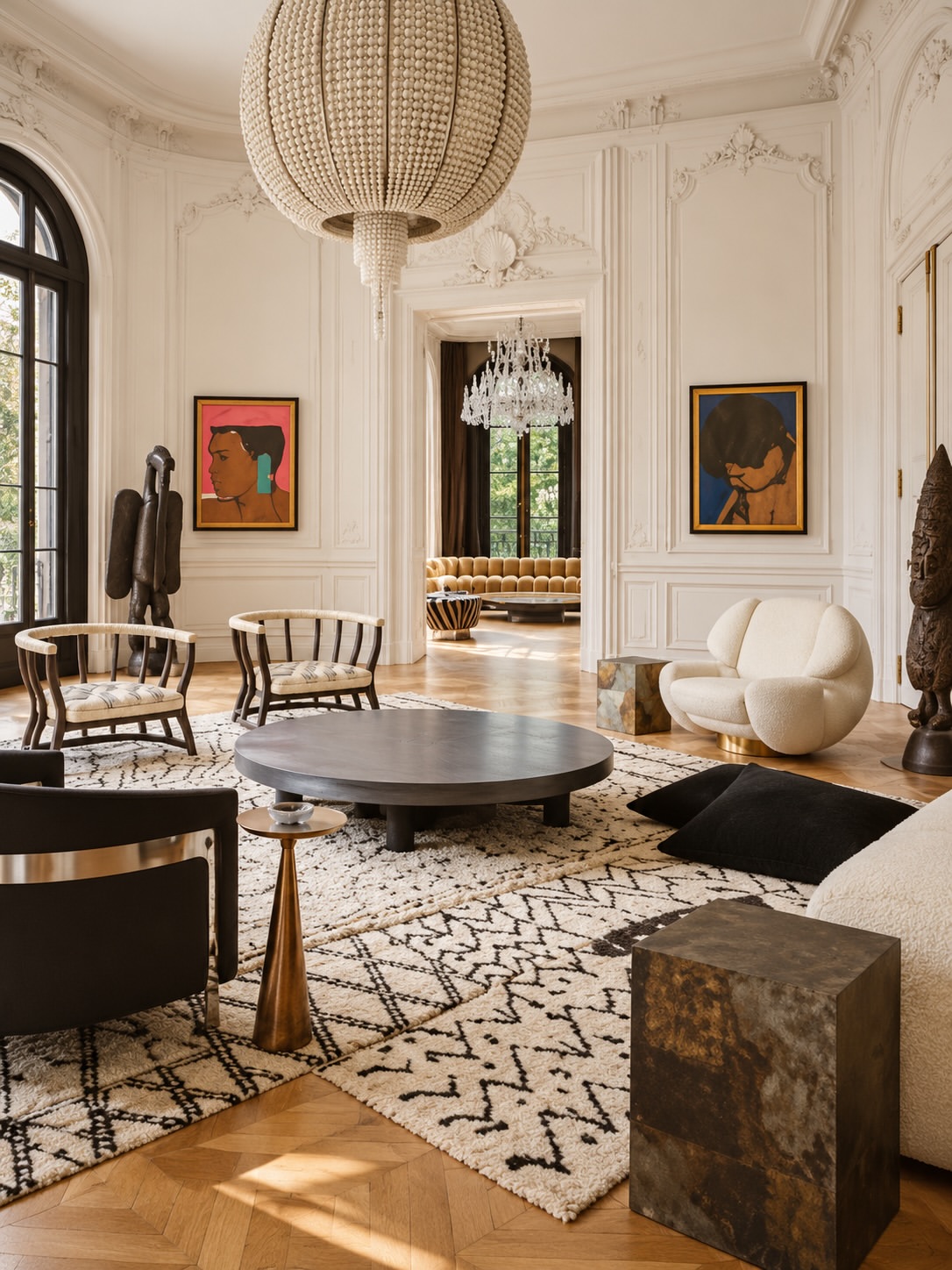
Kravitz owns property across New York, Miami, Los Angeles, the Bahamas and Brazil, yet Hôtel de Roxie occupies a distinct place among them, precisely because it was never assembled for effect. Every object, from a father’s musical influence to a mother’s unrealised dream, earns its place through story rather than price tag. The result is a home that is, by design, impossible to mistake for anyone else’s, a portrait of Lenny Kravitz rendered not in photographs, but in staircases, chandeliers and the particular hush of a library filled with his mother’s books.