6 Exclusive Fashion Houses Every UHNI Should Know
From Parisian shirtmaking to Italian tailoring and private client salons, these are seven names where bespoke dressing becomes an exercise in personal luxury
Forget off the peg. At the highest end of menswear, a suit is not simply something you buy; it is something that is measured, engineered, fitted, adjusted and obsessively refined until it appears to have been created specifically for the person wearing it.There is a rather unfortunate moment in every man’s relationship with clothing when he discovers that expensive does not necessarily mean well fitted. You can spend a small fortune on a suit, walk out of the shop feeling like James Bond and then discover, in the unforgiving light of a hotel bathroom, that the shoulders are wrong, the trousers are doing something peculiar and the sleeves appear to have been borrowed from someone considerably taller. At the very top of the tailoring world, however, this problem largely disappears because the suit is not really bought at all. It is created around you. Measurements are taken, posture is considered, fabrics are selected, fittings are conducted and tiny details are adjusted until the finished garment behaves less like clothing and more like a second skin. This is where houses such as Hermès, Brioni, Kiton and Charvet operate, alongside specialists such as House of Bijan, Stefano Ricci and Loro Piana’s Private Client services. Their appeal is not simply the fabric, the name or the price tag. It is the extraordinary idea that something can be made for one person and one person alone.
Hermès Sur Mesure
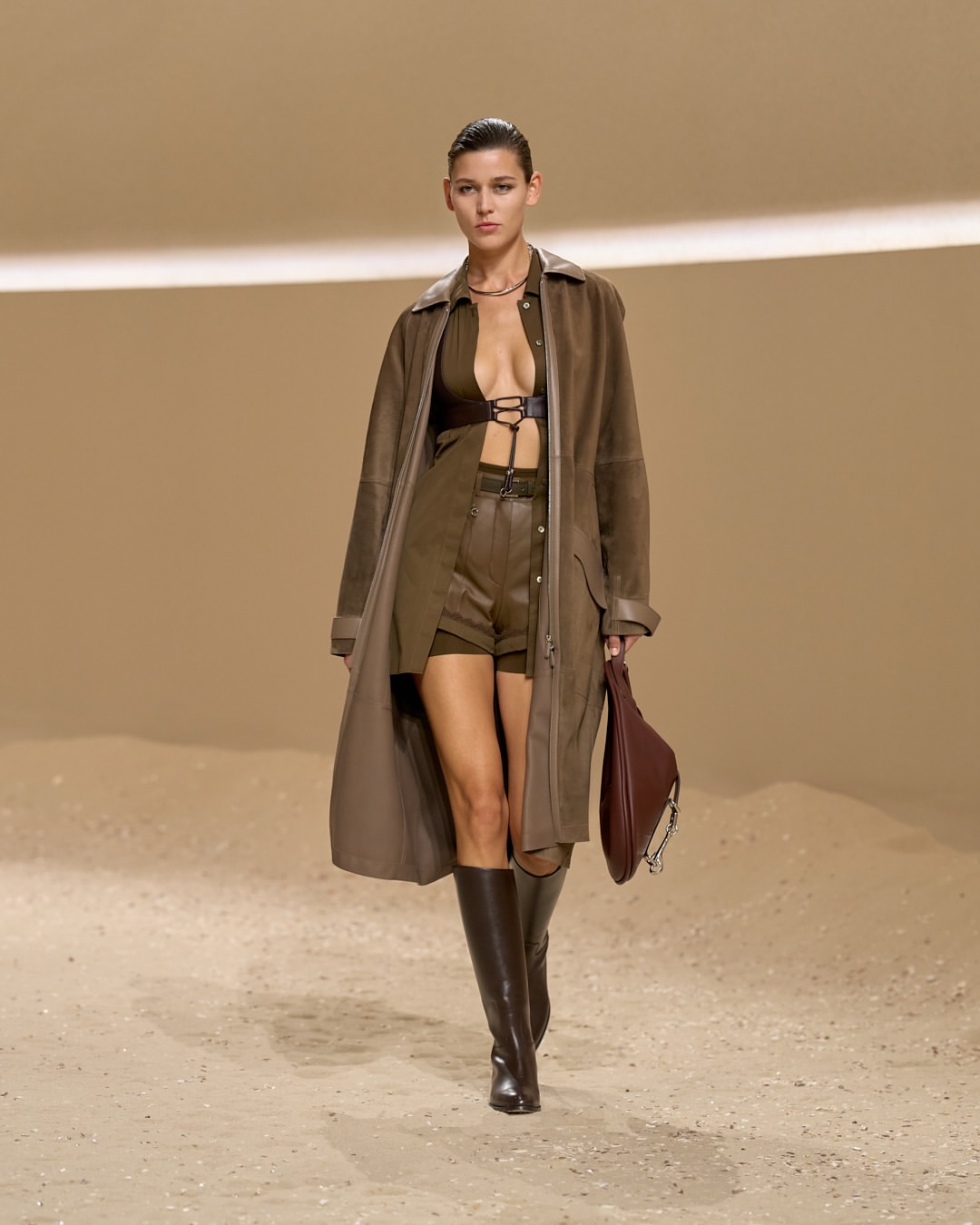
Hermès is usually associated with handbags, silk scarves and leather goods that require the financial planning of a small nation, but its Sur Mesure offering takes the house’s obsession with craftsmanship into tailoring. The philosophy is distinctly Hermès: quiet, precise and intensely focused on materials and workmanship rather than shouting about the fact that you have spent a fortune. Bespoke garments are created around the client, with fabrics, cuts and details selected according to individual preferences and measurements. The result is tailoring that feels unmistakably luxurious without needing to advertise itself from across the room. And that is perhaps the greatest trick of all. Anyone can make a suit expensive. Making one look effortless is considerably harder.
Also Read: Where the World’s HNIs Are Traveling This August: 7 Must-Attend Events
House of Bijan
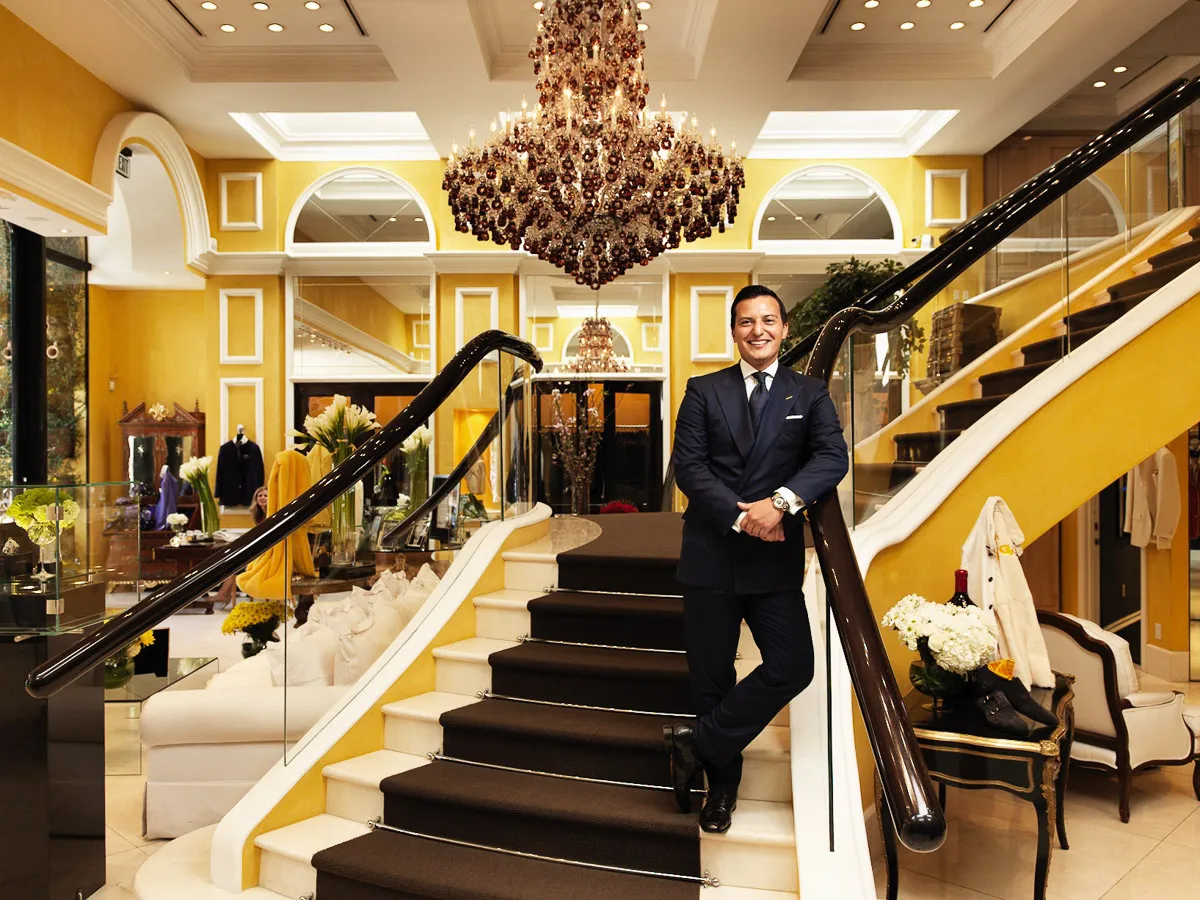
If Hermès is the master of understatement, House of Bijan is quite happy to arrive in a gold Rolls-Royce wearing sunglasses indoors. Founded by Bijan Pakzad, the Beverly Hills house became famous for an unapologetically extravagant interpretation of luxury, with its yellow storefront, highly personalised service and clientele drawn from the worlds of politics, business and entertainment. Bespoke tailoring at Bijan is therefore about considerably more than getting the measurements right. It is about creating a wardrobe that reflects the personality of the client, often through bold colours, distinctive fabrics and unmistakable details. This is tailoring for the man who does not particularly want to disappear into a crowd. At Bijan, individuality is not a pleasant side effect. It is the entire point.
Stefano Ricci
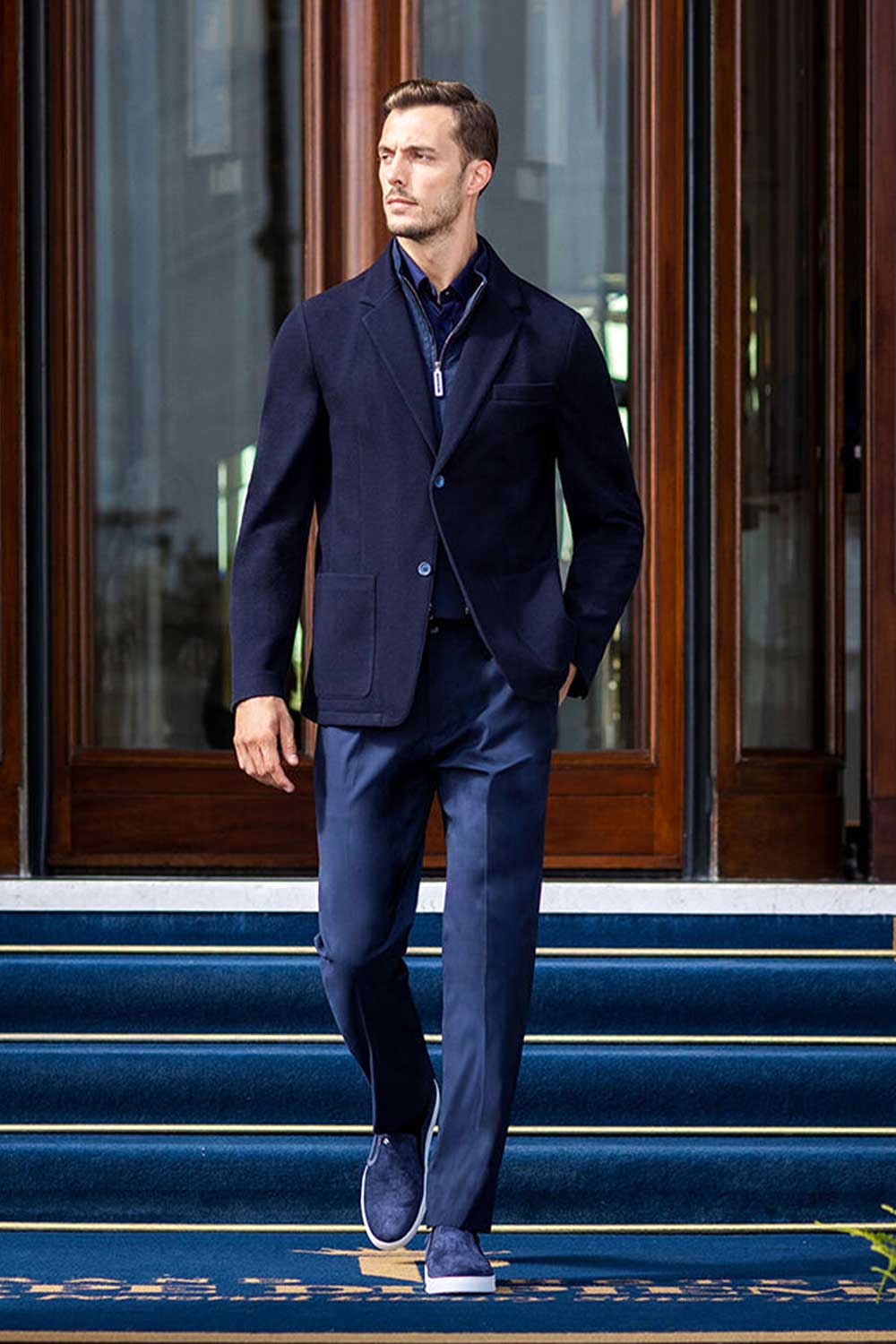
Stefano Ricci occupies a fascinating position in Italian luxury because the brand manages to combine traditional tailoring with an extraordinary appetite for craftsmanship, precious materials and decorative detail. Founded in Florence in 1972, the house has built its reputation around sophisticated menswear, often incorporating rare fabrics, hand finishing and distinctive Italian flair. Its bespoke approach allows clients to choose everything from fabrics and construction to finer details, transforming the suit from a standard wardrobe item into something intensely personal. There is an unmistakable sense of theatre to Stefano Ricci, but beneath the glamour is serious tailoring. The result is what happens when Florentine craftsmanship decides it would quite like to have a little fun.
Charvet

Charvet is proof that you do not need to make an entire suit to establish yourself as one of the great names in bespoke dressing. The Parisian house, founded in 1838, is particularly revered for its made to measure shirts, with generations of craftsmanship behind its approach to collars, cuffs, fabrics and construction. Its historic presence at Place Vendôme has made it part of the mythology of Parisian luxury, but the real attraction lies in the details. A Charvet shirt is designed around the wearer, with proportions and finishing adjusted to create an extraordinarily personal fit. It is the sort of garment that makes an ordinary shirt suddenly seem like a rather disappointing compromise. And once that happens, there is usually no going back.
Brioni

Brioni has spent decades perfecting the art of making powerful men look considerably more powerful. Founded in Rome in 1945, the house became synonymous with Italian tailoring and eventually acquired perhaps the most useful piece of advertising imaginable: James Bond. From the 1990s onwards, Brioni became closely associated with 007’s wardrobe, helping establish the idea that a perfectly cut dinner suit could be as much a part of a character’s identity as his Aston Martin. Its bespoke service allows clients to personalise fabrics, construction, silhouette and details through a process involving measurements and fittings. The finished result is meant to feel elegant without looking as though the wearer has been swallowed by tailoring. In other words, the suit is supposed to serve the man, not the other way around.
Kiton
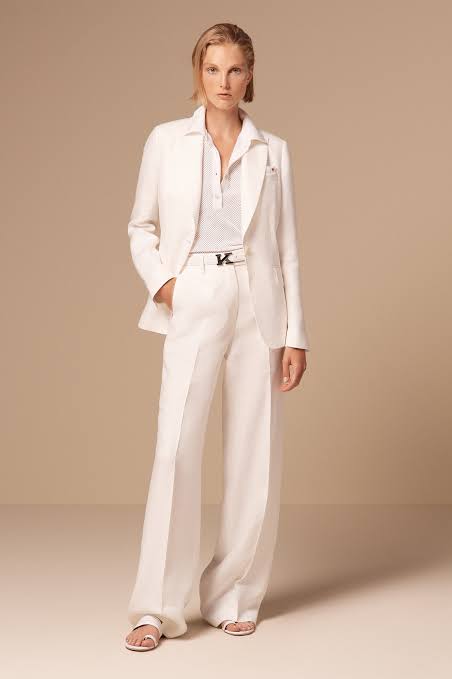
Kiton represents the Neapolitan approach to tailoring, where softness, movement and hand craftsmanship are considered almost sacred. Founded in 1968 by Ciro Paone and Antonio Carola, the house became known for jackets that are remarkably light, fluid and comfortable while retaining the visual structure of fine tailoring. Much of Kiton’s appeal lies in its handwork, with highly skilled artisans responsible for details that machines struggle to replicate. Its bespoke service allows the garment to be built around the individual, taking into account posture, proportions and personal preferences. The result is tailoring that can look beautifully relaxed while hiding an astonishing amount of work. This is the great Neapolitan trick: make something incredibly difficult look as though you simply threw it on.