Nehru’s Signature Style: How The Achkan And Red Rose Became Timeless Icons
Jawaharlal Nehru's signature look was defined by his crisp achkan, white churidar and a red rose pinned to his buttonhole. On his birth anniversary, revisit the personal style of India's first Prime Minister and its lasting influence on Indian menswear
Jawaharlal Nehru is remembered for his contribution to India’s freedom struggle and his years as the country’s first Prime Minister. Yet, his public image also carries a distinct sartorial identity. A crisp white achkan, a carefully fitted churidar, the familiar Gandhi cap and a fresh red rose tucked into his buttonhole became defining elements of his appearance. Decades later, these details continue to influence how Indian menswear balances tradition, refinement and individuality.
Nehru’s wardrobe was never particularly elaborate, but it was remarkably consistent. His preference for Indian garments, clean tailoring and restrained detailing gave him a recognisable appearance at home and on international visits. His personal style also offered a different expression of elegance at a time when Western suits dominated the wardrobes of several world leaders.
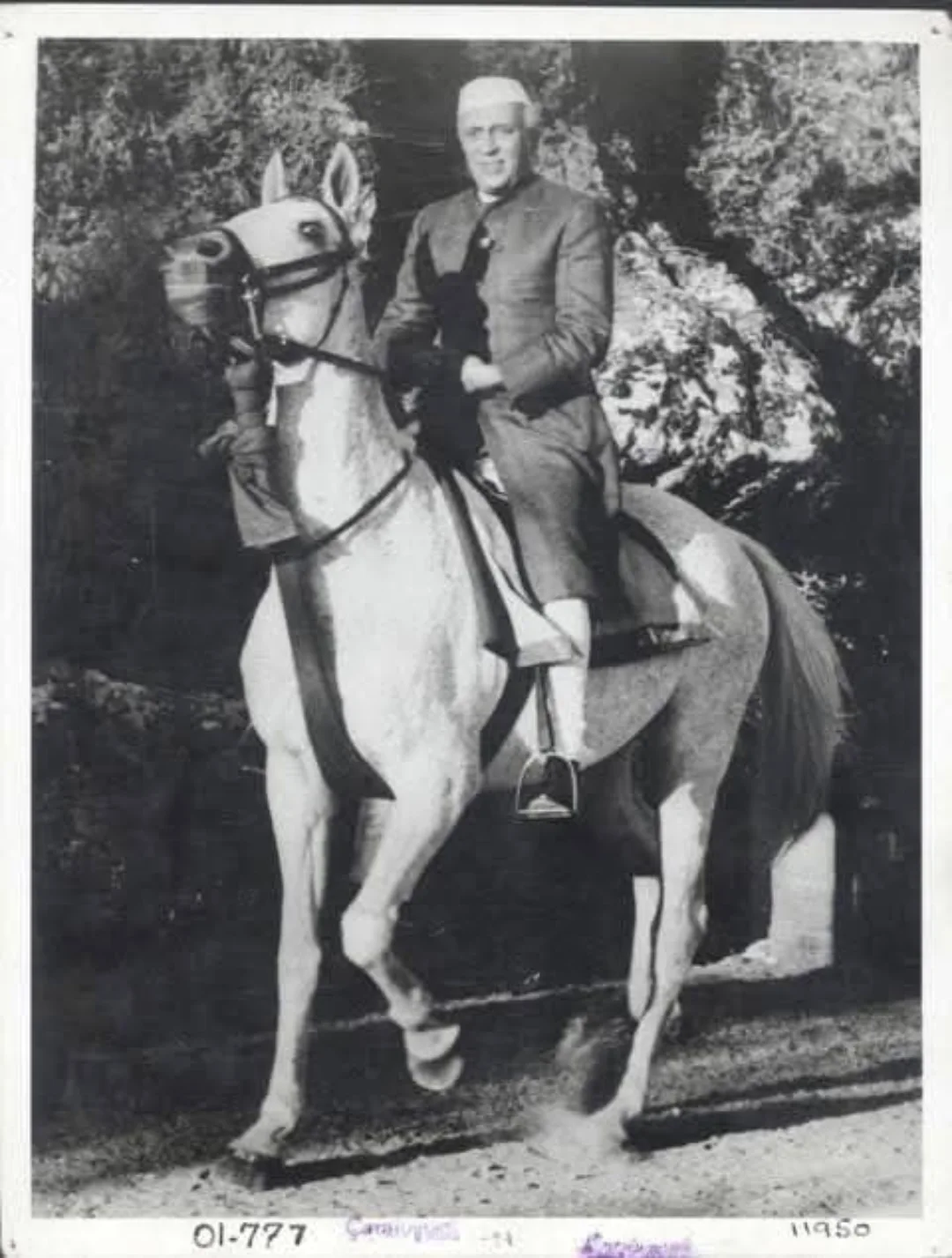
The Achkan Identity
The knee-length achkan was central to Nehru’s signature look. Traditionally worn in northern India, the garment featured a structured silhouette, a front button closure and a high collar that framed the neckline. Nehru often paired it with a white churidar, creating a streamlined appearance that was formal without appearing excessively ornate.
His choice of clothing also reflected the political and cultural climate of newly independent India. Rather than adopting Western formalwear as his default public wardrobe, Nehru consistently presented himself in garments rooted in Indian dressing traditions. His preference for hand-spun and hand-woven fabrics further connected his sartorial choices with the country’s Swadeshi movement.
The familiar Nehru jacket, however, is not an exact replica of the garment he wore. The contemporary version is generally shorter, often sleeveless and cut around the hips, while Nehru’s preferred achkan typically extended towards the knees. The shorter band-collar jacket evolved from traditional Indian garments and acquired its internationally recognised name through his association with the silhouette.
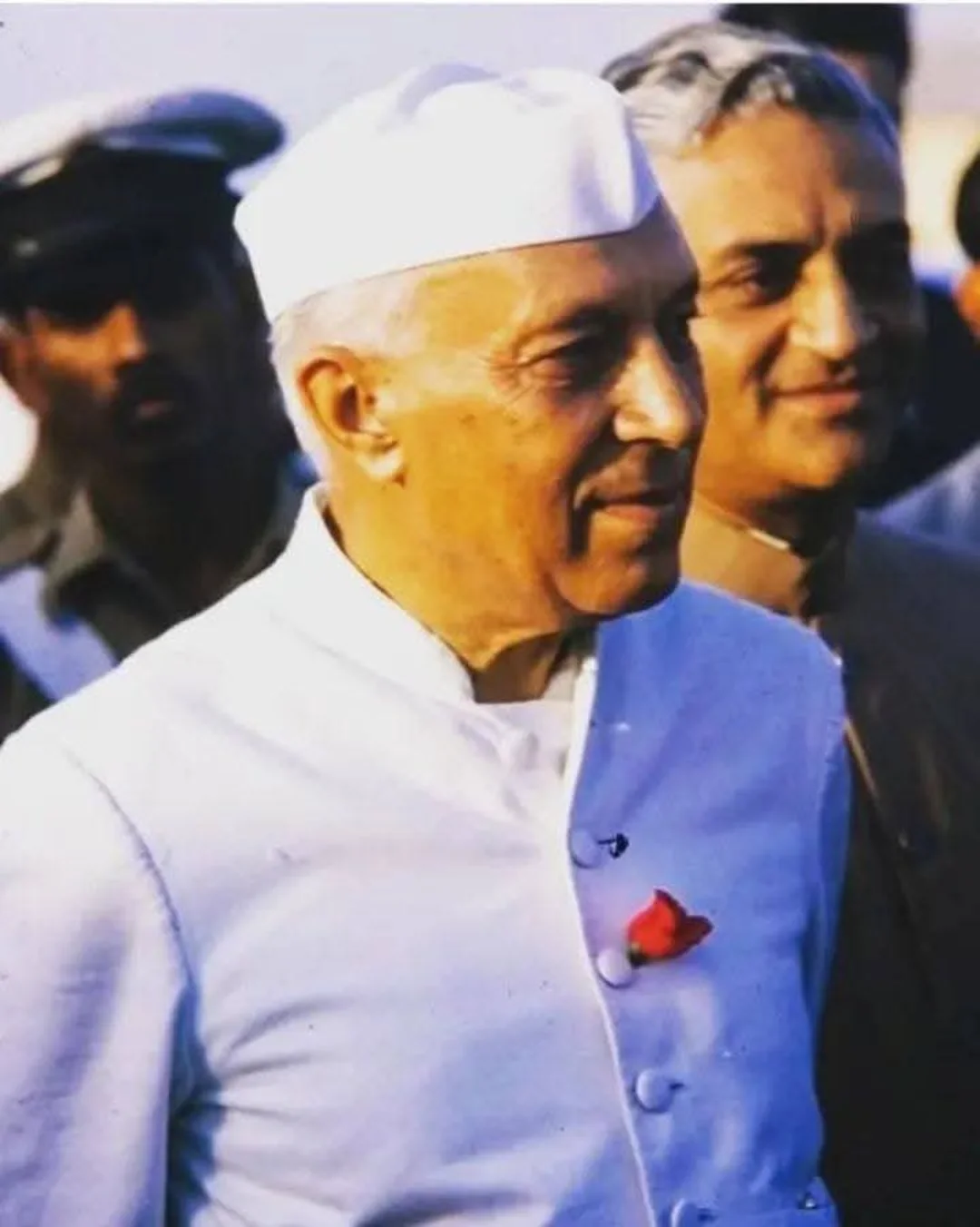
The Red Rose Detail
Perhaps no other accessory is as closely associated with Nehru as the red rose pinned to his buttonhole. The small flower introduced colour to his otherwise understated wardrobe, becoming a signature detail in photographs, public appearances and official portraits.
Interestingly, Nehru himself offered a rather uncomplicated explanation for the habit. In a letter dated May 11, 1959, addressed to Jean Gordon, he wrote that he wore a rose, usually a red one, whenever he could get one. He explained that there was no particular story behind the practice and suggested that he simply enjoyed having some colour and beauty against his predominantly white clothing.
The rose eventually acquired a significance beyond its original purpose. It became an instantly recognisable part of his public image, often interpreted as an expression of his affection for beauty and nature.
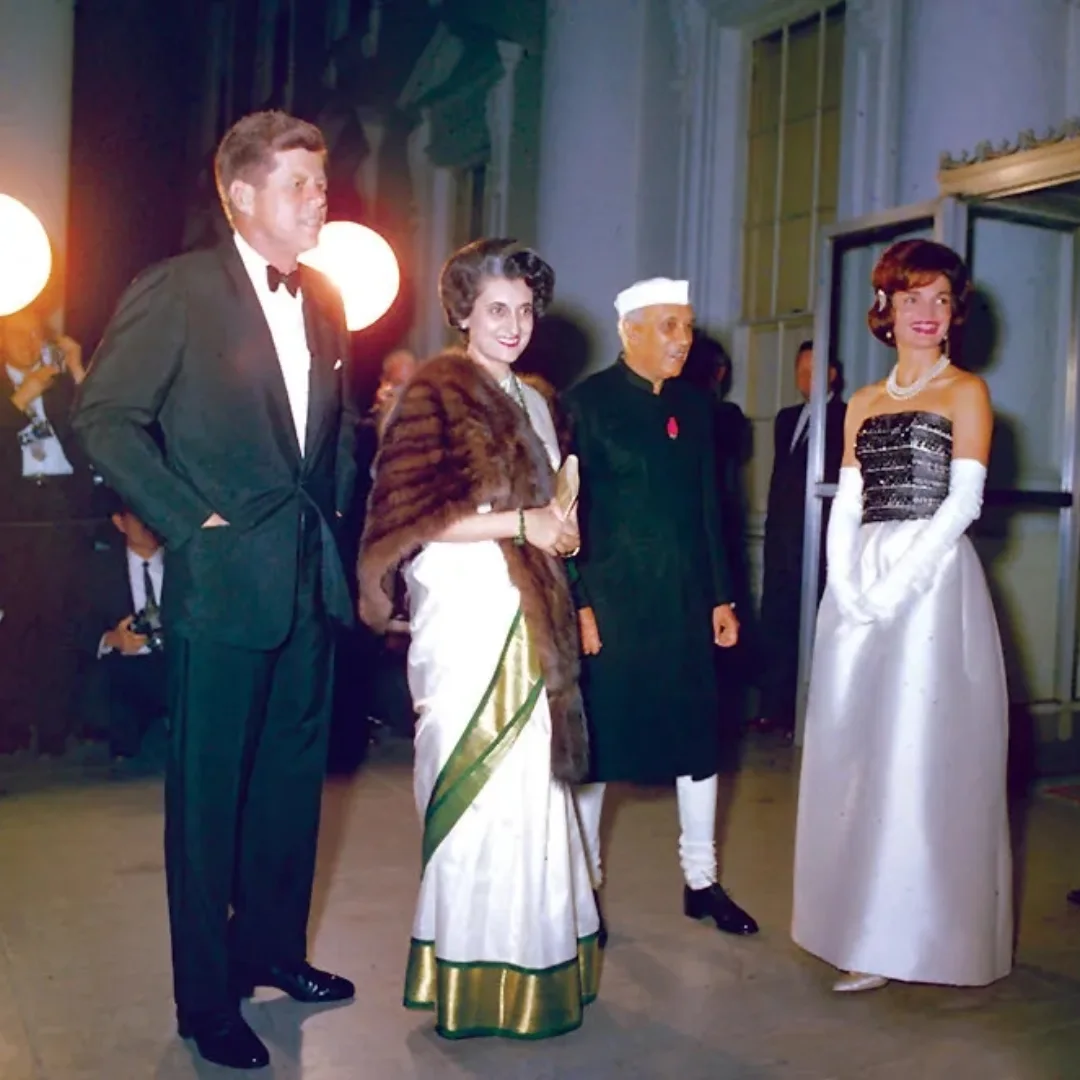
A Global Fashion Influence
Nehru’s distinctive appearance did not remain confined to India. His high-collared jackets caught the attention of international fashion circles during the 1960s, when designers began exploring silhouettes beyond conventional Western tailoring. The Nehru jacket became particularly popular in the West, finding its way into contemporary wardrobes and celebrity fashion.
Also Read: Dressed In Grace: The Quiet Sophistication Of Sonia Gandhi’s Personal Style
Its appeal also extended beyond political dressing. The Beatles were among the prominent cultural figures photographed wearing band-collar jackets, while the silhouette found admirers across international fashion and entertainment. The association with Nehru gave the garment a recognisable Indian identity, even as designers adapted its proportions and construction for different audiences.
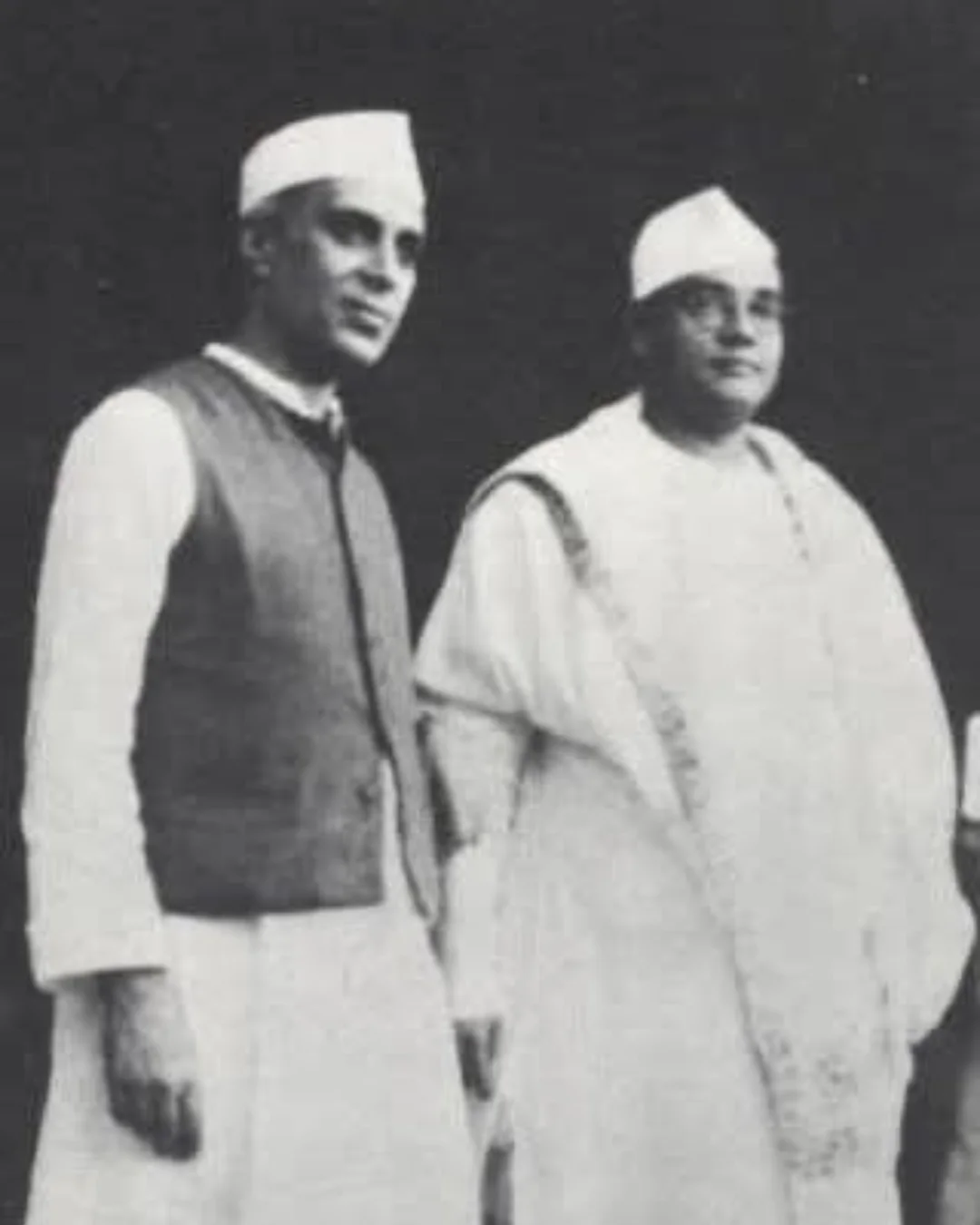
The Legacy of Restraint
Nehru’s sartorial legacy is not simply about a jacket that acquired his name. It lies in the consistency with which he wore Indian clothing and made a restrained wardrobe feel distinctive. His achkan demonstrated how traditional menswear could hold its own in formal settings, while the red rose showed how a small personal detail could become an enduring style signature.
Also Read: Raghu Rai’s Best Photographs: Magnum Photographer’s Quest For Soul In Every Frame
Today, the Nehru jacket remains a familiar choice in Indian menswear, appearing in everything from festive wardrobes to formal occasions. Designers continue to reinterpret the band collar through different fabrics, lengths, textures and construction techniques. The original achkan and its shorter contemporary adaptations may differ in form, but both retain the appeal of a distinctly Indian silhouette.
On Jawaharlal Nehru’s birth anniversary, November 14, his style offers a reminder that a memorable wardrobe does not necessarily need an abundance of embellishment or designer labels. Sometimes, a well-cut garment, a recognisable silhouette and one carefully chosen detail are enough to create a legacy that outlasts its wearer.