Places That Look Like A Dream: The World’s Most Extraordinary Luxury Destinations
Alien trees, rainwater lagoons in white dunes, a vanishing Pacific atoll, dragon islands and the richest reefs on earth: five places that make reality feel like fantasy
There is a particular kind of luxury that has nothing to do with thread counts or tasting menus. It is the luxury of wonder: the moment a view stops conversation, a landscape rearranges your sense of what the earth can do, a place feels so unlikely that you wonder whether you have wandered into a painting. The most extraordinary destinations in the world rarely announce themselves with grand hotel lobbies. They arrive with silence, with scale and with a sense of distance from everything familiar. Reaching them often takes effort, and that effort is part of the reward. They ask for curiosity, a little patience and a willingness to be surprised. Outlook Luxe takes a look at five places that seem to belong to a dream, each unlike anything else on the map.
Socotra, Yemen
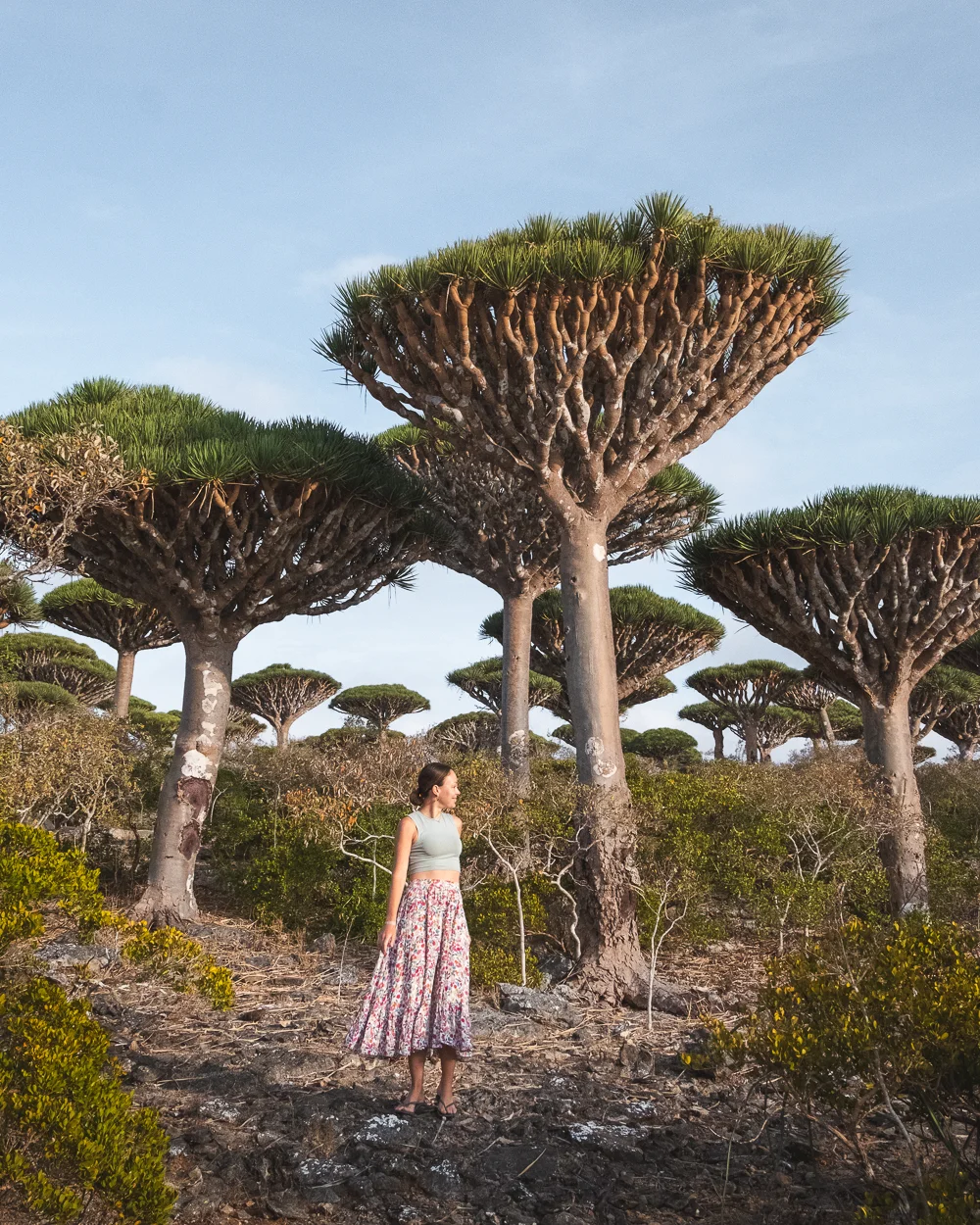
Socotra looks as though it was designed for another planet. This remote island in the Arabian Sea, roughly 250 miles from the Yemeni mainland, is home to trees that seem to have been drawn by a fantasy illustrator. Dragon’s blood trees spread their umbrella-shaped crowns across the Dixam Plateau, while swollen bottle trees cling to rocky slopes. Around a third of the island’s plants are found nowhere else on earth, which is why UNESCO inscribed it as a World Heritage Site in 2008. Add turquoise lagoons, white dunes and the vast Hoq Cave, and the island feels beyond real. It is a place of rare beauty, and one where careful planning and up-to-date travel advice are essential.
Also Read: Why Las Vegas Has Become One Of The Most Glamorous Stops On The F1 Calendar
Lençóis Maranhenses, Brazil
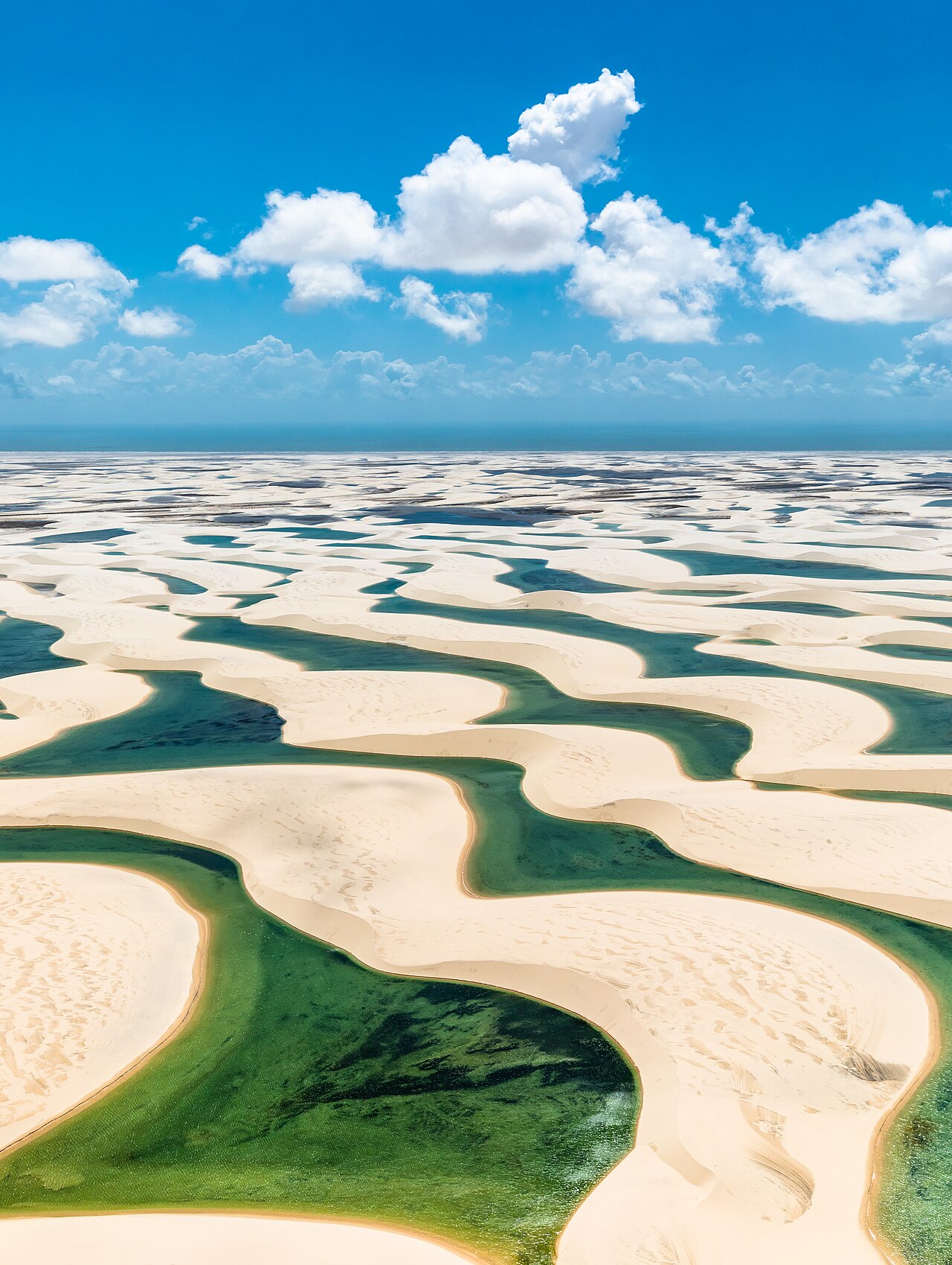
Imagine a desert of white sand dunes stretching to the horizon, and then imagine it filled with turquoise lagoons. This is Lençóis Maranhenses, a national park on Brazil’s northeastern coast whose name means “bed sheets,” a reference to the way the rippling dunes resemble linen. After the rains, usually from January to June, water collects between the dunes, forming thousands of clear blue and green pools that peak in the months that follow. Visitors can swim in them, hike across the dunes and watch the sun sink behind the sand. It was added to the UNESCO World Heritage List in 2024, and its otherworldly beauty has made it one of South America’s most photographed landscapes.
Tuvalu
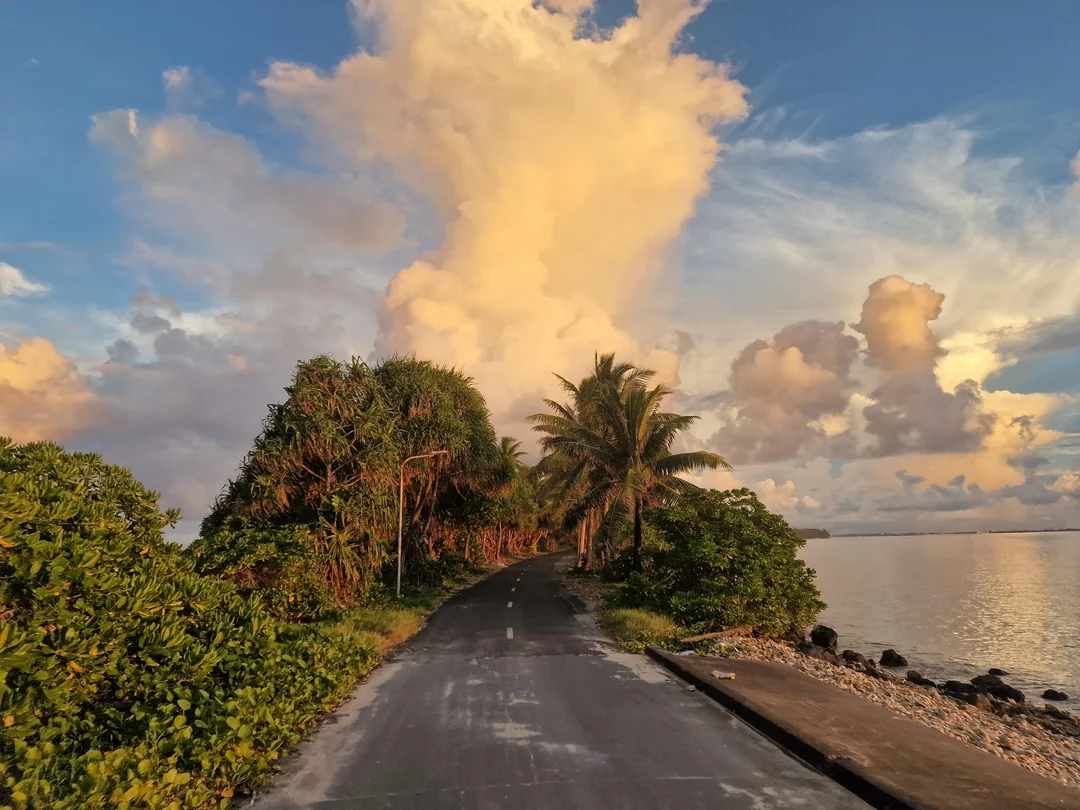
Tuvalu is a country of whispers. Scattered across the central Pacific, the Polynesian nation is made up of nine low-lying coral islands and atolls, with a population of around 11,000, making it one of the smallest and least visited countries in the world. Its highest point is only a few metres above sea level. Lagoons glow in shades of blue that seem impossible, palm-fringed shores run quietly into the horizon and days move at the pace of the tide. There are no crowds and no fuss, only a gentle, deeply Pacific way of life. Tuvalu is also among the places most threatened by rising seas, which gives a visit a poignant sense of urgency.
Komodo Islands, Indonesia
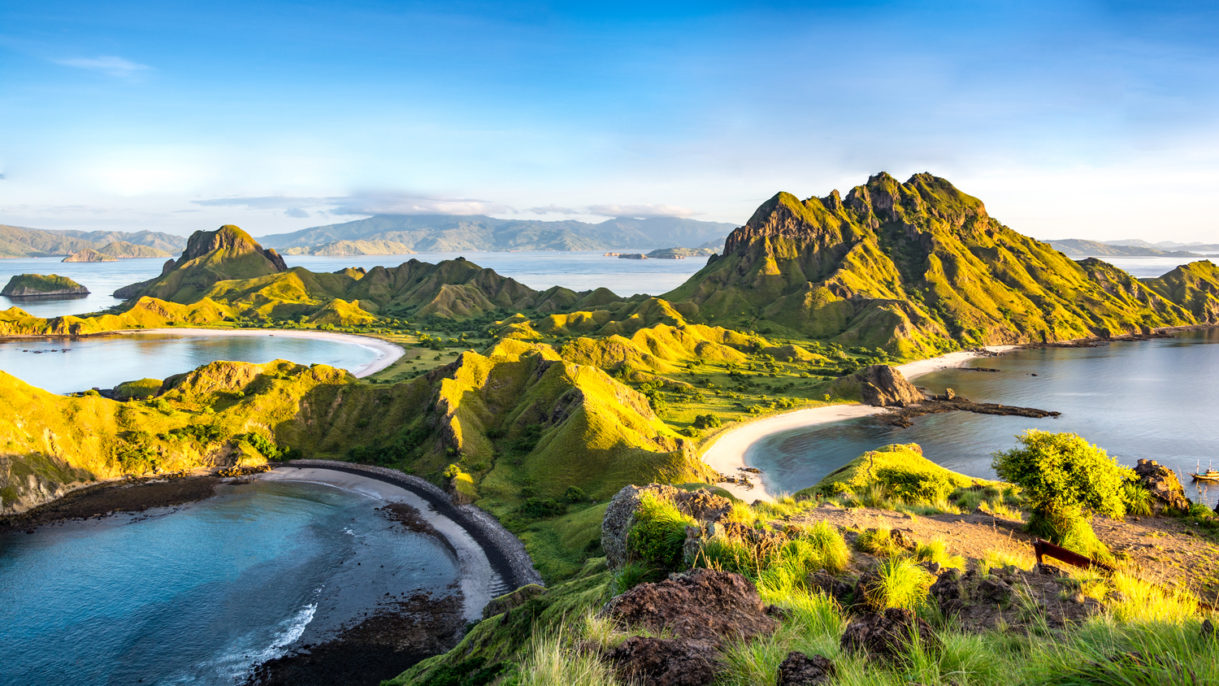
Komodo National Park feels like a lost world. Located in Indonesia’s Lesser Sunda Islands, it is the home of the Komodo dragon, the largest living lizard, which can reach about three metres in length. The park, a UNESCO World Heritage Site since 1991, is made of rugged volcanic islands, golden savannah hills and some of the most vivid waters on earth. Visitors can climb to the viewpoint on Padar Island for a sweeping panorama of curved bays, swim off the pink-tinted sands of Pink Beach and dive with manta rays. Many travellers explore the islands aboard private phinisi boats from Labuan Bajo, combining adventure with the comforts of a floating hotel.
Raja Ampat, Indonesia
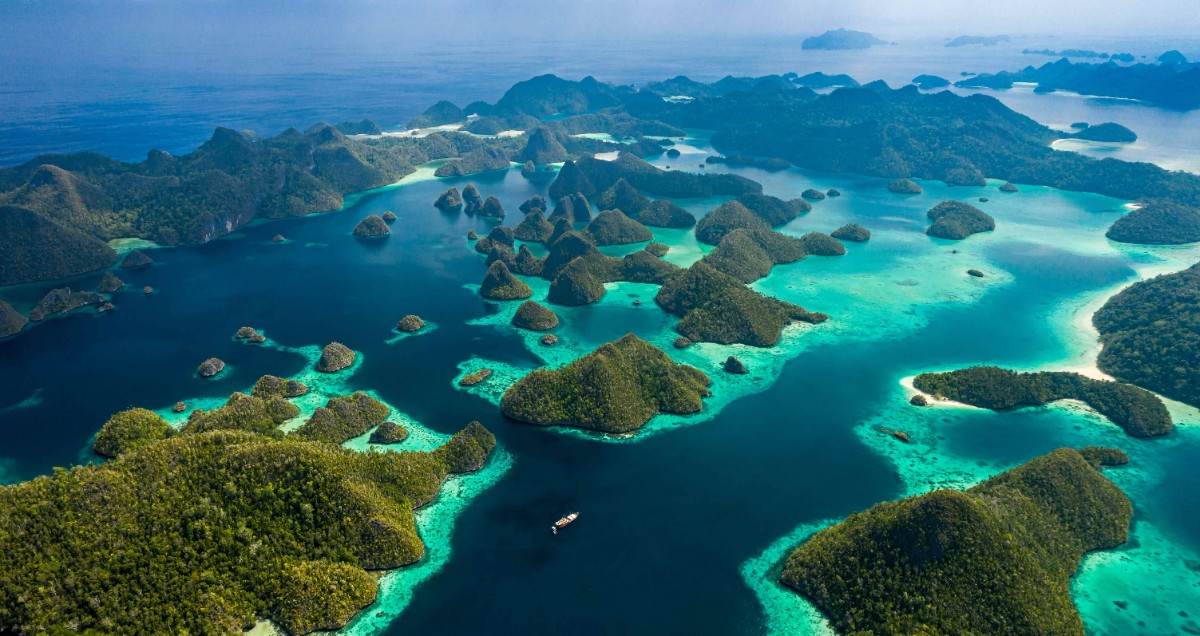
Raja Ampat is the underwater paradise that divers dream about. Meaning “Four Kings,” the archipelago in West Papua includes around 1,500 small islands, with towering limestone karsts rising from emerald water. Its reefs are among the richest in the world, with an estimated three-quarters of all known coral species and well over a thousand types of fish. The viewpoint at Wayag, where mushroom-shaped islets scatter across a turquoise lagoon, has become one of the most iconic images in travel. Boutique eco-resorts and luxury liveaboards bring comfort to a remote setting, so guests can explore by day and sleep beneath the stars.
What unites these five places is not luxury in the usual sense but rarity. Each demands effort to reach and offers something that cannot be replicated: a glimpse of nature at its strangest and most beautiful. In a world that is increasingly familiar, they restore the feeling of discovery, reminding us that the most precious journeys are the ones that leave us speechless.