How Shah Rukh Khan’s ‘King’ Poster Revisits His ‘Badshah’ Legacy
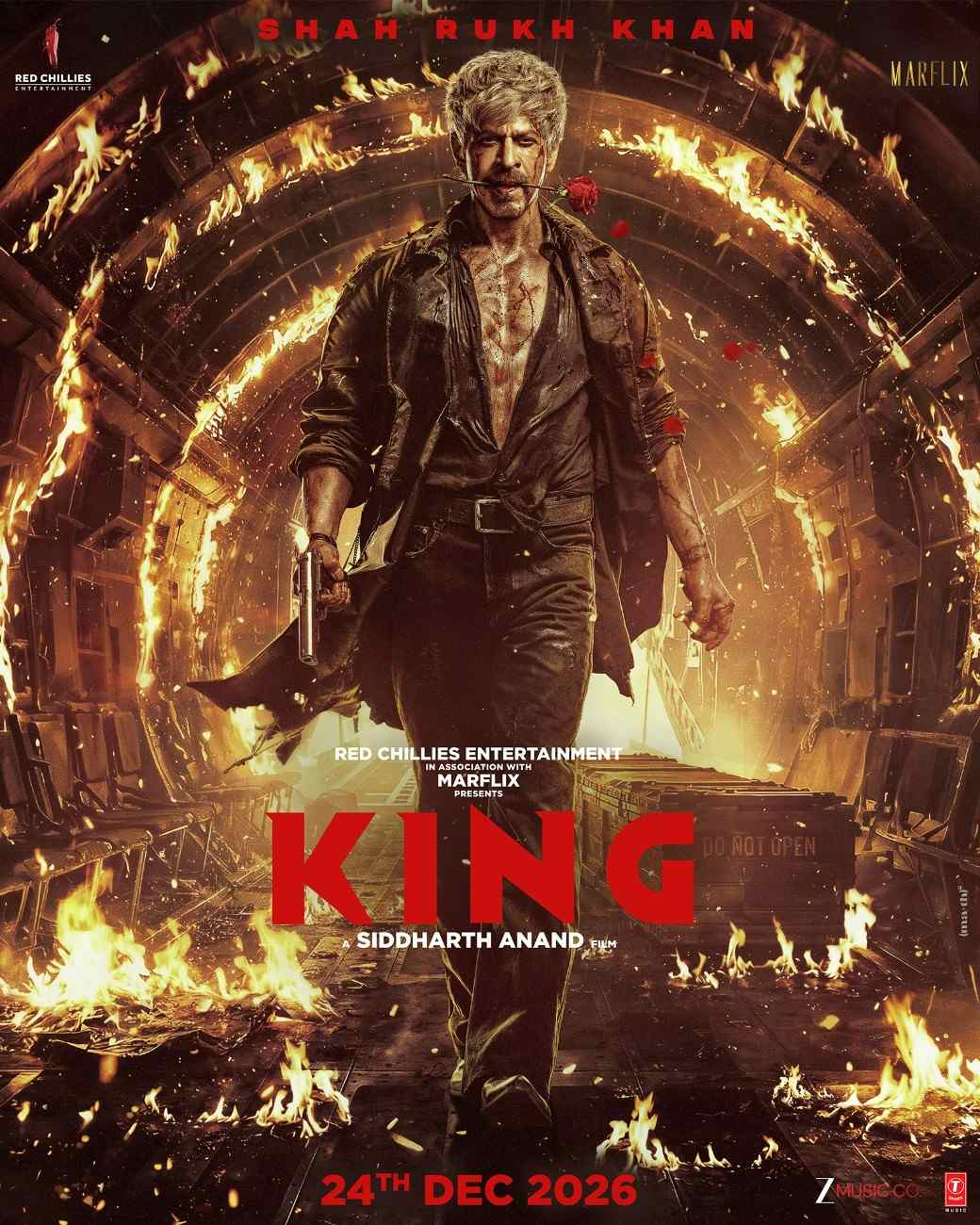
Shah Rukh Khan’s King poster pairs a rose with a hardened look, bringing romance and menace into the same frame. The first look invites a closer look at the actor’s Badshah legacy, his evolving screen persona and the cinematic swagger that continues to define King Khan
What happens when the lover turns dangerous, but the charm remains? Shah Rukh Khan’s new ‘King’ poster offers a glimpse of just that. Sporting a hardened look and pairing a rose with a weapon, the actor appears to embrace a darker side of his familiar screen persona. The words “Qaatil nahi… Aashiq hoon” (I am not a killer, I am a lover) add another layer to the visual, bringing romance and menace into the same frame.
The Shah Rukh Khan new movie poster also invites a closer look at his ‘Badshah’ legacy. While the imagery may evoke his 1999 film ‘Baadshah’, the connection extends beyond a single title to the swagger, romanticism and authority that have become integral to the King Khan persona. In ‘King’, directed by Siddharth Anand, these familiar qualities appear to take on a darker, more confrontational form.
The Allure of Dark Romantic
The rose and the weapon establish an arresting visual contrast. One evokes affection, while the other suggests danger. Combined, they recall the cinematic anti-hero, a character whose appeal often lies in the tension between vulnerability and aggression. The accompanying dialogue reinforces this duality, placing the idea of the lover alongside the threat implied by the word ‘qaatil’ (killer).
Also Read: The Best Dressed Indian Celebrities At the 2025 Met Gala
For Shah Rukh Khan, whose career has spanned sweeping romances and action-driven performances, this contrast offers room for reinvention. The SRK King first look draws on the familiar charisma of a star audiences associate with grand romantic gestures, while hinting at a character shaped by a harsher world. Rather than simply repeating an established image, the poster suggests a different interpretation of it.
A Legacy Beyond ‘Baadshah’
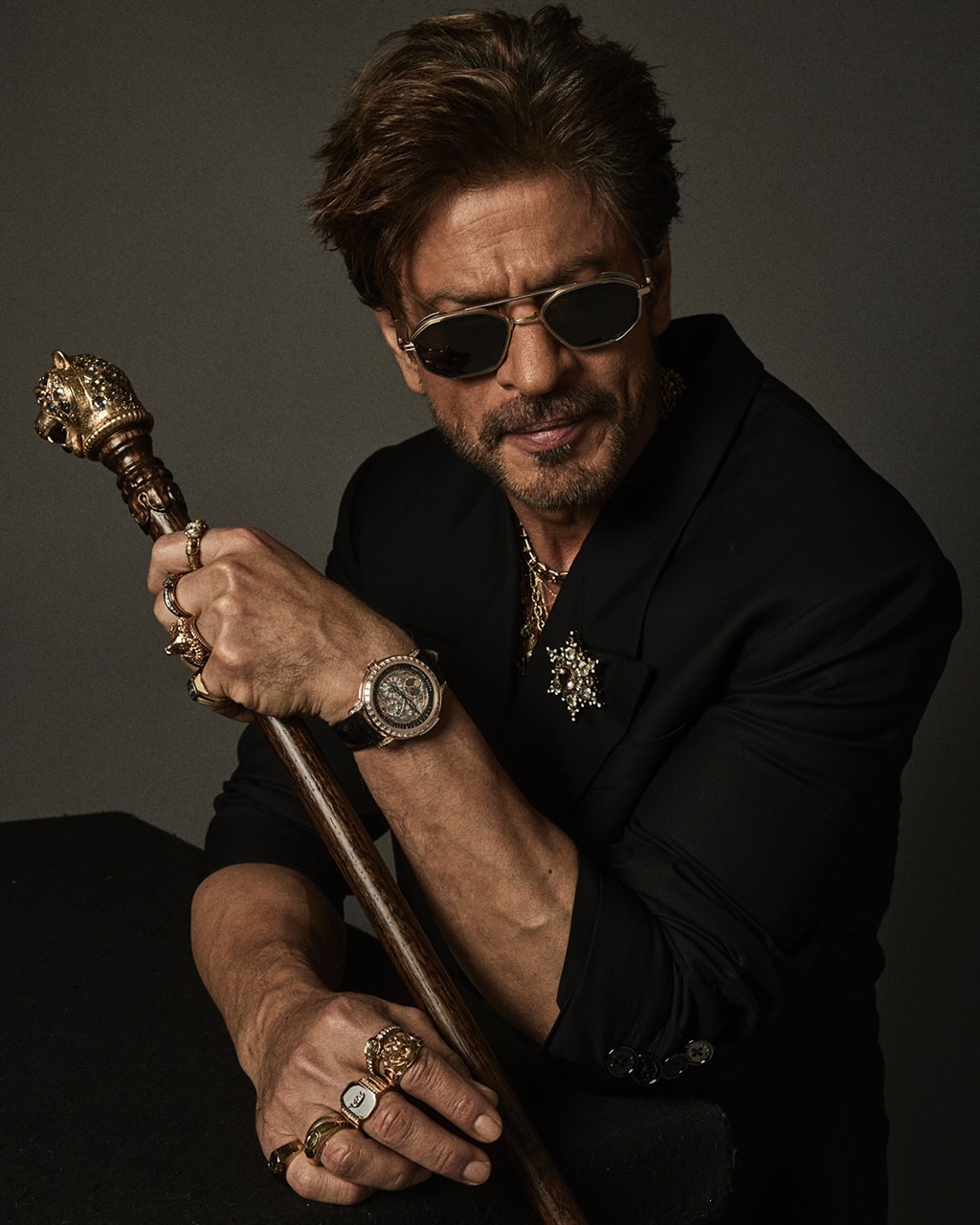
Shah Rukh Khan’s association with the title ‘Badshah’ extends beyond his filmography to his enduring place in Hindi cinema. His screen identity has evolved through roles that combine irreverence, vulnerability, confidence and an ability to command attention. These qualities have helped shape the Shah Rukh Khan legacy, making his persona recognisable across genres and generations.
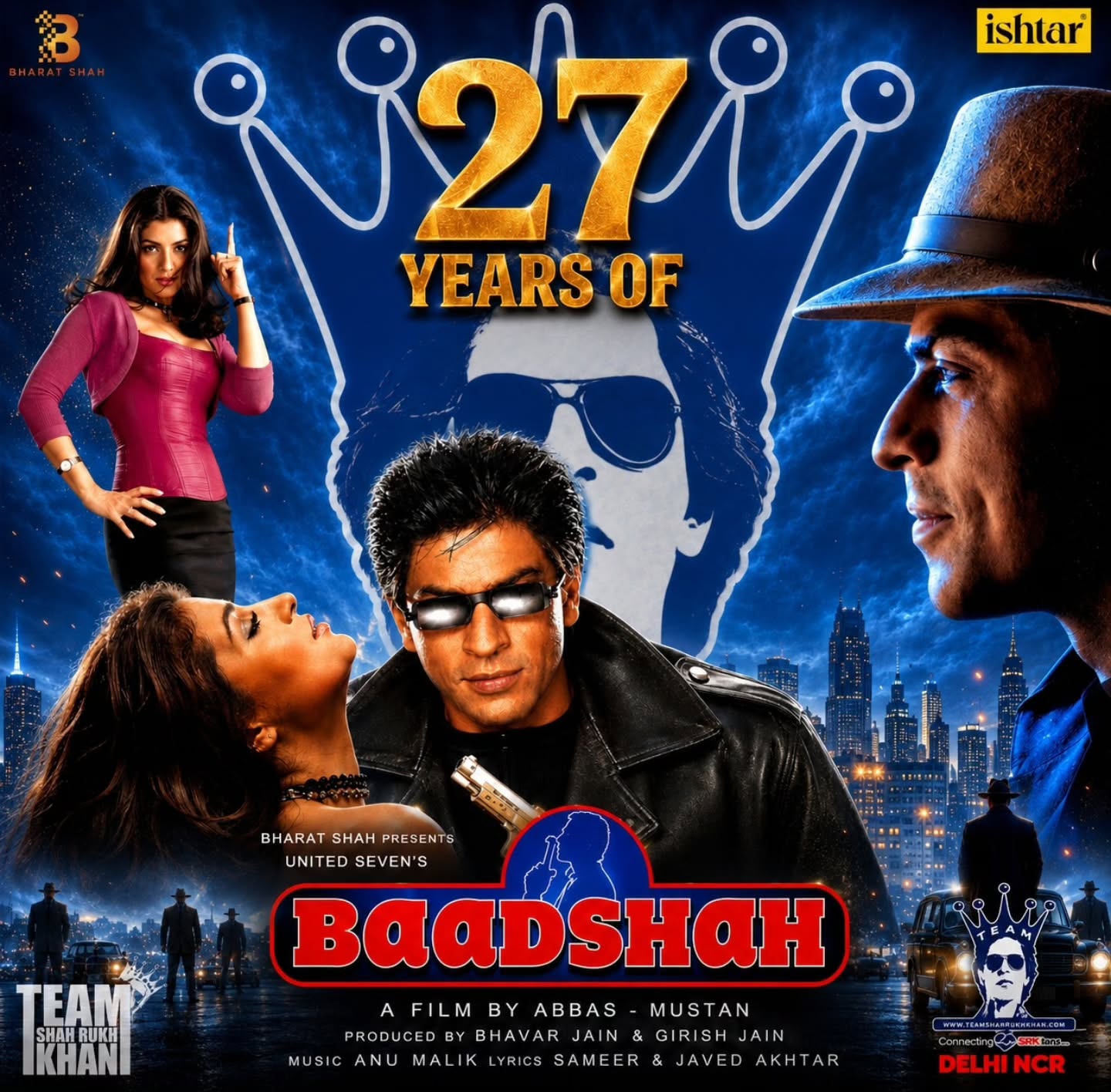
The ‘King’ poster can therefore be read as an echo of that broader cinematic legacy, rather than evidence of a confirmed tribute to ‘Baadshah’. A star’s image is rarely defined by one performance alone. It accumulates through memorable characters, gestures, styling and the visual moments audiences continue to associate with them.
The Making of Screen Icon
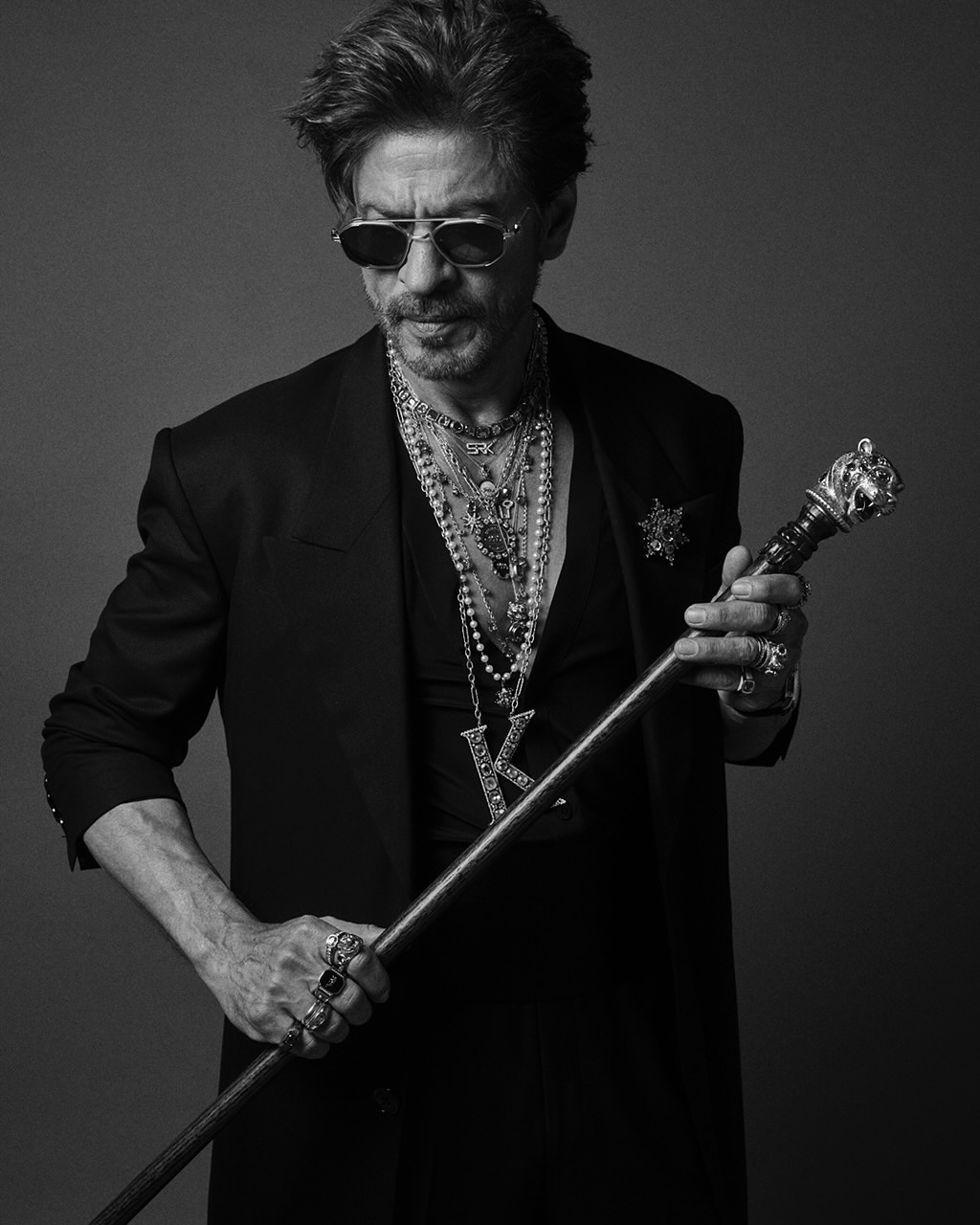
There is also a story of cinematic styling within Khan’s new look. Contemporary screen imagery often relies on carefully calibrated contrasts, which includes a rugged exterior against established star appeal, or romantic symbolism set against an atmosphere of danger. These choices help establish a character before audiences discover the details of his story.
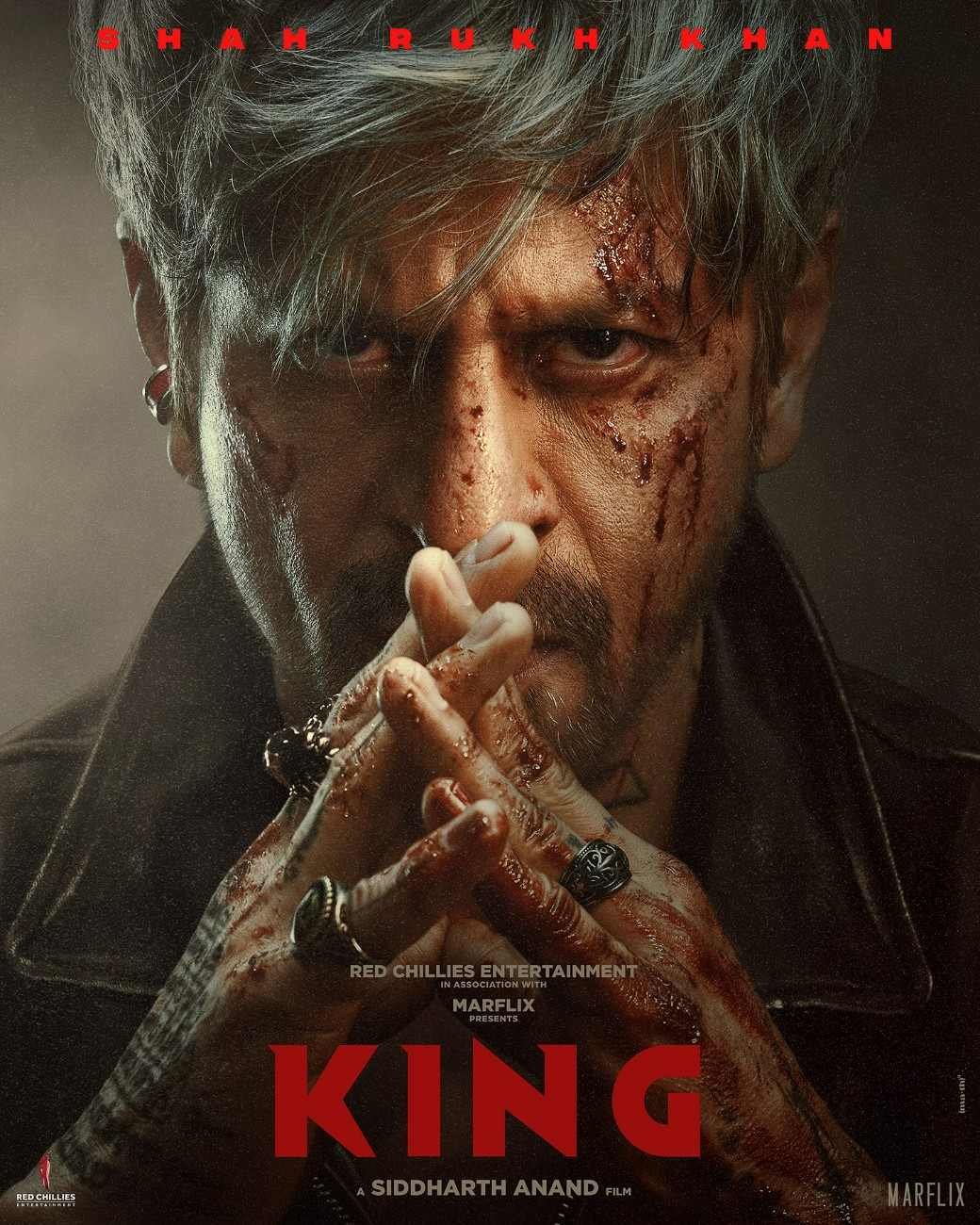
With ‘King’, Khan appears to revisit familiar territory without simply reproducing it. The rose recalls the romantic star, while the harder visual language points towards a different expression of screen masculinity.
Whether the film ultimately fulfils that promise remains to be seen. For now, the ‘King’ poster brings two enduring ideas into conversation, i.e., the ‘aashiq’ (lover) and the ‘Badshah‘ (king). It is this interplay between reinvention and recognition that makes the first look compelling, offering another chapter in the story of King Khan’s evolving screen persona.