German Grand Prix Set For Potential F1 Return After 7 Years
After years away from the Formula 1 calendar, Germany is making noise about a return, Hockenheim is exploring a potential comeback, and with Audi now in F1 alongside Mercedes, the timing could hardly be more interesting
There was a time when Germany and Formula 1 were practically inseparable. Michael Schumacher was turning Sundays into national celebrations, Mercedes was becoming a dominant force, BMW was heavily involved, and the Nürburgring and Hockenheim were regularly serving up the sort of racing that made you forget you had a mortgage. Then, rather abruptly, Germany disappeared from the calendar. Hockenheim last hosted the German Grand Prix in 2019, while the Nürburgring briefly returned during the pandemic with the Eifel Grand Prix in 2020. Since then, German fans have been forced to watch Formula 1 travel around the world while one of Europe’s great automotive nations sits on the sidelines. Now, however, Hockenheim is once again exploring a potential return, and Formula 1 boss Stefano Domenicali has confirmed that discussions are taking place. It is not a done deal, but after years of silence, the engine has at least been started.
Hockenheim Has Been Here Before, And It Knows What It Is Doing
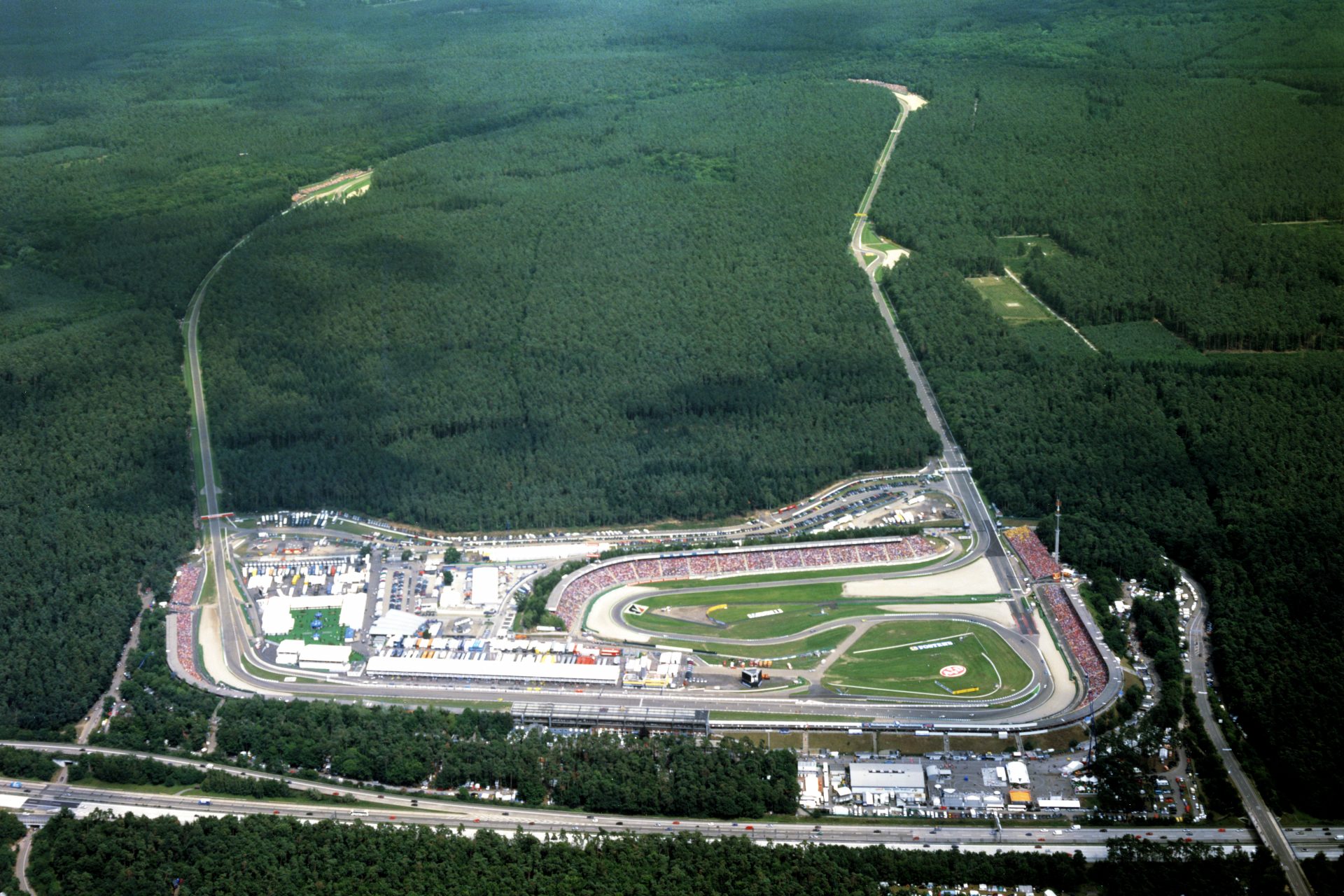
Hockenheim is not some shiny new circuit that has suddenly decided Formula 1 would look good on its résumé. It has been part of the sport’s history since 1970 and became one of the defining venues of the German Grand Prix. The old circuit was famous for its spectacular blasts through the forest, where cars disappeared into the trees at enormous speed before emerging several seconds later looking as though they had been fired from a cannon. The track was eventually shortened and redesigned, but it retained its essential character as a proper racing circuit rather than an elaborate collection of corners designed primarily for corporate hospitality. That history matters. Formula 1 has plenty of modern venues, but Hockenheim has something you cannot manufacture with a billion pound investment. It has memory.
Germany Has Everything Formula 1 Should Want
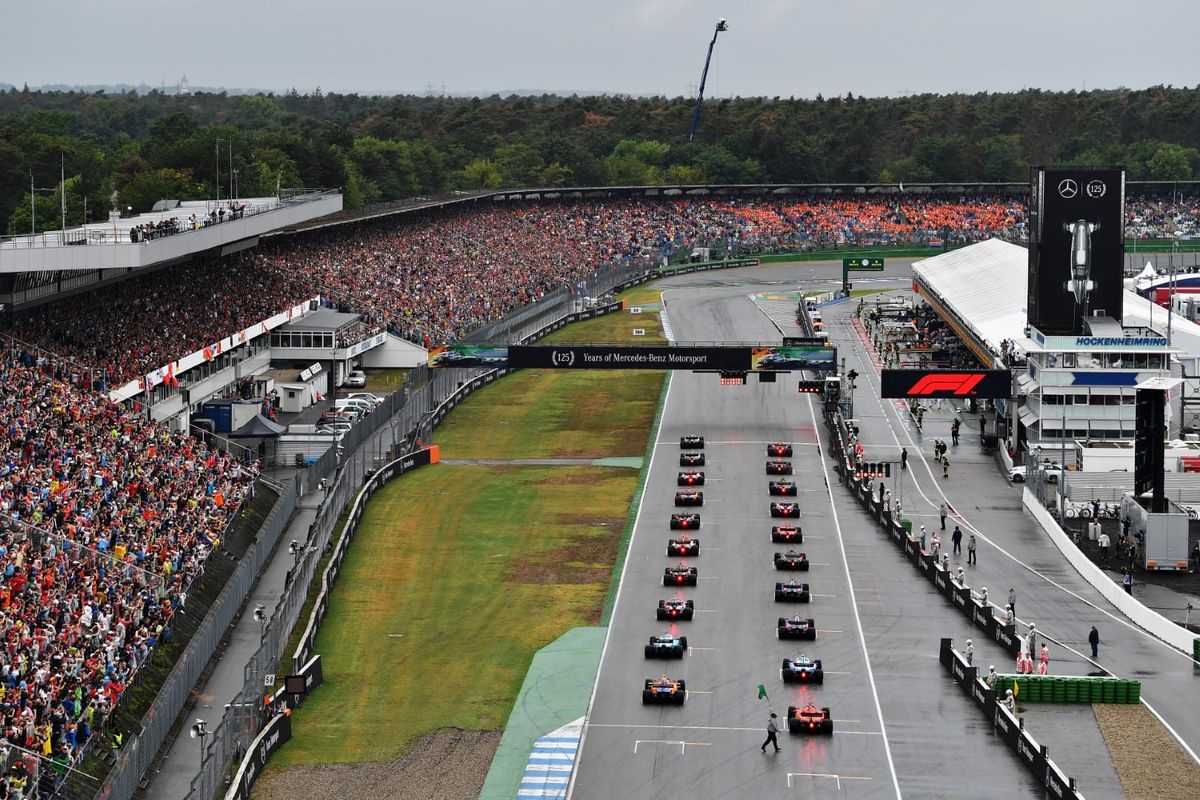
The slightly ridiculous part of Germany’s absence is that the country remains deeply embedded in Formula 1. Mercedes is one of the sport’s most important manufacturers, while Audi has now entered the championship as a works operation. Germany is also one of the world’s great automotive markets and has an enormous motorsport following. Then there is the heritage. Schumacher. Vettel. Mercedes. BMW. Porsche. Audi. Nürburgring. Hockenheim. The list goes on. It would therefore seem perfectly logical to have a German Grand Prix. Unfortunately, Formula 1 does not run on logic. It runs on money. This is where the romance of the German Grand Prix meets the rather less romantic spreadsheet. Modern Formula 1 is an extraordinarily expensive travelling circus. Promoters pay substantial hosting fees, while circuits have to provide increasingly sophisticated infrastructure, hospitality and fan experiences. There are also countries around the world willing to spend enormous sums to secure a place on the calendar.
Germany therefore cannot simply point at Hockenheim and say, ‘There it is.’ It needs a commercial model that works. Hockenheim’s management has already acknowledged that public or external financial support would likely be required for a return. The circuit is also undergoing wider development, with investment planned around the venue that could strengthen its case as a major motorsport and entertainment destination. In other words, Hockenheim is not merely repainting the kerbs and hoping Stefano Domenicali notices. It is trying to build a business case.
Seven Years Is A Long Time In Formula 1
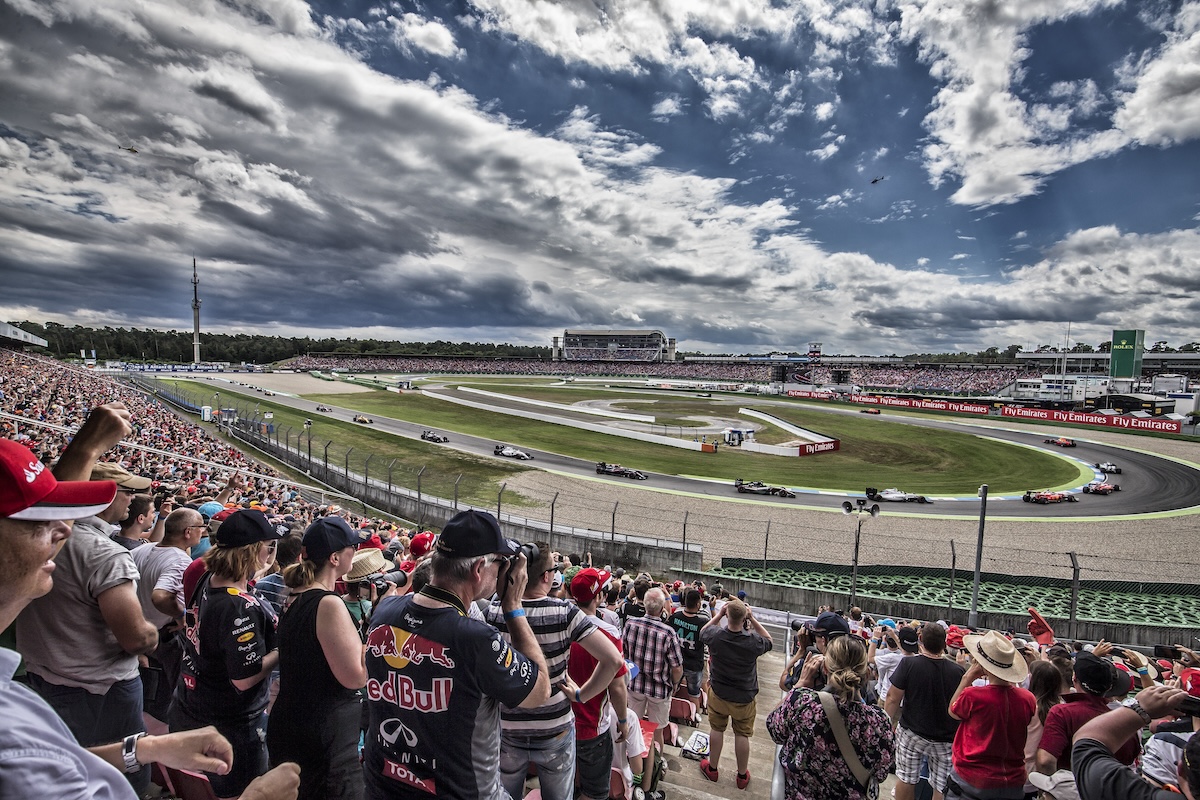
There is, naturally, a small complication with the seven year figure. Hockenheim last hosted the German Grand Prix in 2019. Germany did technically welcome Formula 1 back in 2020, when the Nürburgring hosted the Eifel Grand Prix during the pandemic affected season. So it has been seven years since Germany’s last traditional German Grand Prix, rather than seven years since Formula 1 cars last raced on German soil. But the distinction is largely academic. For German fans, the point is that their proper home Grand Prix disappeared from the calendar. And in Formula 1, seven years is practically an eternity. Drivers have retired. Teams have changed identities. Regulations have been rewritten. Cars have become ground effect machines again. Audi has entered the championship. And Max Verstappen has somehow gone from being the promising young driver everyone was talking about to one of the sport’s defining figures.
Hockenheim Or The Nürburgring?
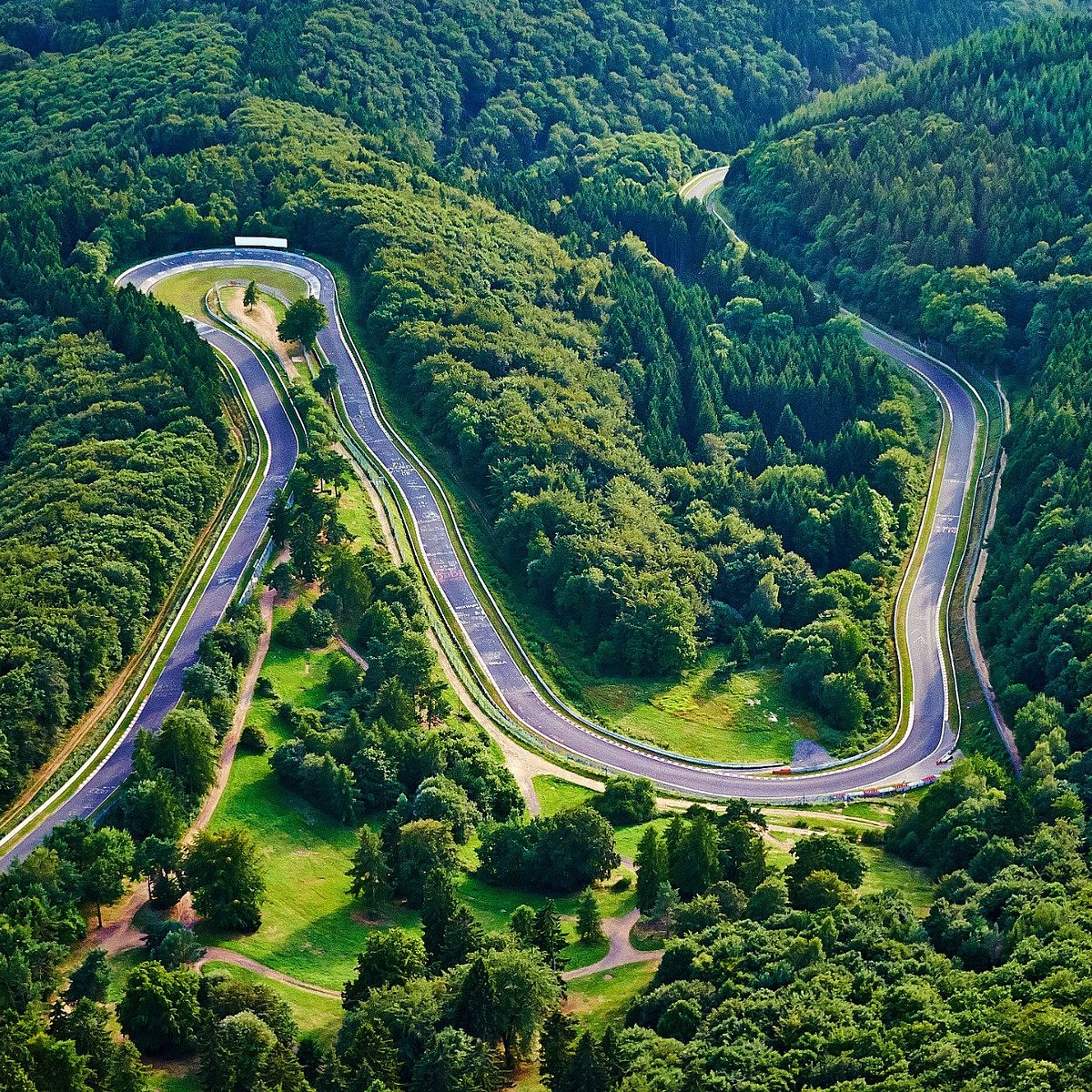
There is also the fascinating question of where a future German Grand Prix would actually take place. Hockenheim has the strongest recent claim. It hosted the German Grand Prix as recently as 2019 and has the infrastructure and experience required for a modern Formula 1 weekend. Then there is the Nürburgring. The Nürburgring has the name, the history and enough motorsport mythology to fill several encyclopaedias. The legendary Nordschleife is obviously unsuitable for modern Formula 1, unless the FIA suddenly develops a taste for lawsuits, but the Grand Prix circuit remains a credible venue. Choosing between the two would be rather like choosing between a new Mercedes-AMG and a beautifully maintained old Porsche. One is the sensible option. The other makes your heart beat faster.
Also Read: Koenigsegg CCGT: The Extraordinary Racing Hypercar That Never Got To Race
Audi’s Arrival Makes The Timing Particularly Interesting
Germany’s potential return becomes even more relevant now that Audi has entered Formula 1. The arrival of a major German manufacturer gives the country another obvious commercial and sporting reason to have a home race. Mercedes already has a long and significant relationship with Formula 1, and a German Grand Prix could give both manufacturers an enormous domestic platform. It would also give German fans something they have been missing for years: the opportunity to see their automotive industry competing on home soil. Audi would have a home race. Mercedes would have a home race. Germany would have its Grand Prix. Everyone gets something. Except, presumably, the accountants.
Also Read: Automobili Lamborghini Unveils The Revuelto SV To The World
Formula 1 Has A Very Crowded Calendar
There is another problem, and it is becoming increasingly difficult to ignore. Formula 1 has become enormously popular, which means everyone wants a race. Existing promoters want to stay. New countries want in. Traditional European circuits are having to fight for their places against venues prepared to offer enormous financial packages. That means Germany cannot simply ask for its old slot back. There may have to be rotation, negotiation or some other arrangement that allows Hockenheim or the Nürburgring to return without making the calendar even more crowded. Domenicali has indicated that a German return is a possibility for the medium term rather than something immediately around the corner. So, for now, the German Grand Prix remains more conversation than calendar entry. The strongest argument for Germany’s return is not nostalgia.
This is a country with a huge automotive industry, an extraordinary motorsport history, two famous circuits, passionate fans and now a new works Formula 1 team in Audi. Mercedes remains one of the championship’s biggest names, while German engineering continues to influence the wider automotive world. Hockenheim has already made its interest known.