Mitsubishi Motors Unveils The All-New Pajero Cross-Country SUV
Mitsubishi has resurrected the SUV that once represented adventure, aspiration and the slightly ridiculous belief that owning one meant you were ready to cross the Sahara before dinner
There are cars you remember, and then there are cars that are practically lodged in your childhood. For anyone who grew up in the 1990s, the Mitsubishi Pajero was very firmly in the second category. It was the dream car. Not because we understood torque curves, suspension geometry or four wheel drive systems, but because the Pajero looked like it could climb a mountain, cross a desert and still turn up at school looking smug.
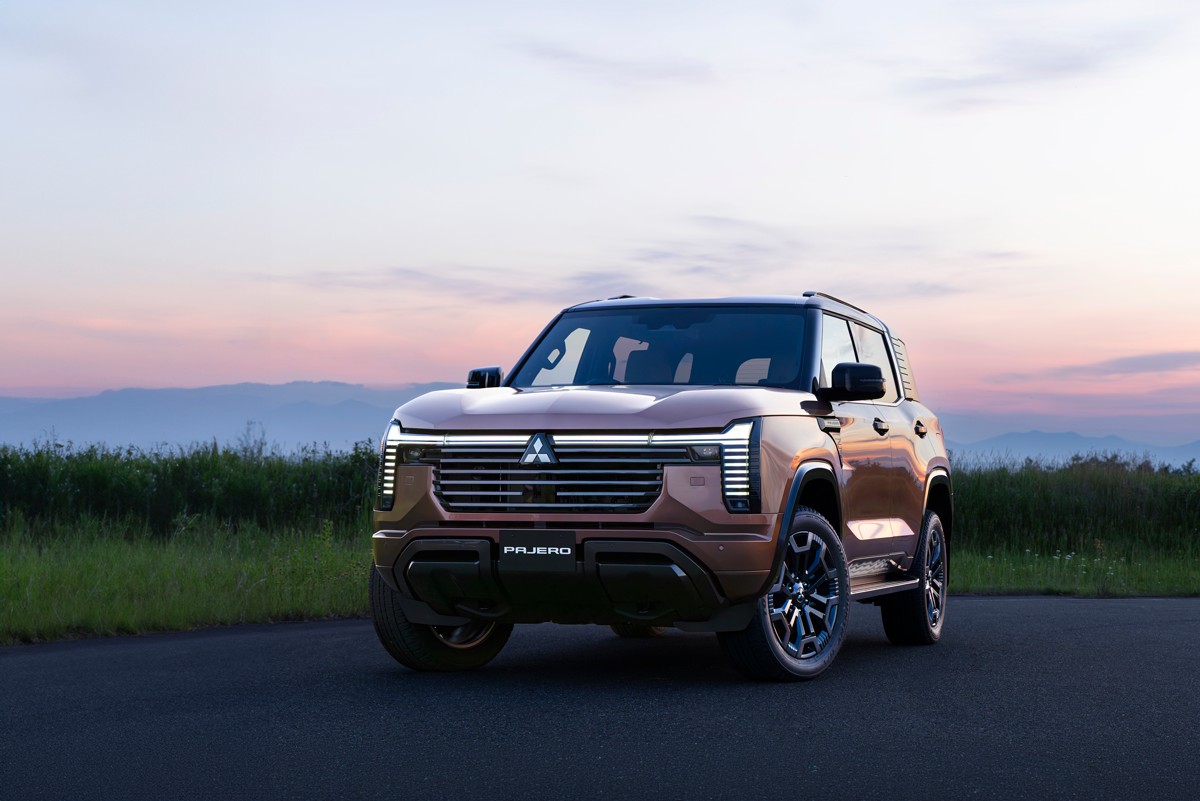
Back then, seeing a Pajero on the road was an event. It was big, square, imposing and possessed the sort of road presence that made ordinary family sedans look like they had been designed for the express purpose of carrying groceries. It became a symbol of adventure and aspiration, particularly as the SUV began its takeover of the automotive world. For a generation raised on road trips, rally cars and visions of impossible expeditions, the Pajero was the machine that made getting to the local market feel vaguely like an overland expedition. And now, after two decades away, Mitsubishi has decided that apparently we are all old enough to buy one.
Mitsubishi Motors has unveiled the all new Pajero, a completely redesigned flagship cross country SUV that attempts to bring back the nameplate without simply raiding its past and putting it on a modern family wagon. The new Pajero will be built in Thailand, with the Thai market getting it first, followed by Japan and Australia during fiscal 2026. From fiscal 2027, Mitsubishi plans to introduce it in around 100 countries across the world, including markets in ASEAN, Latin America and the Middle East.
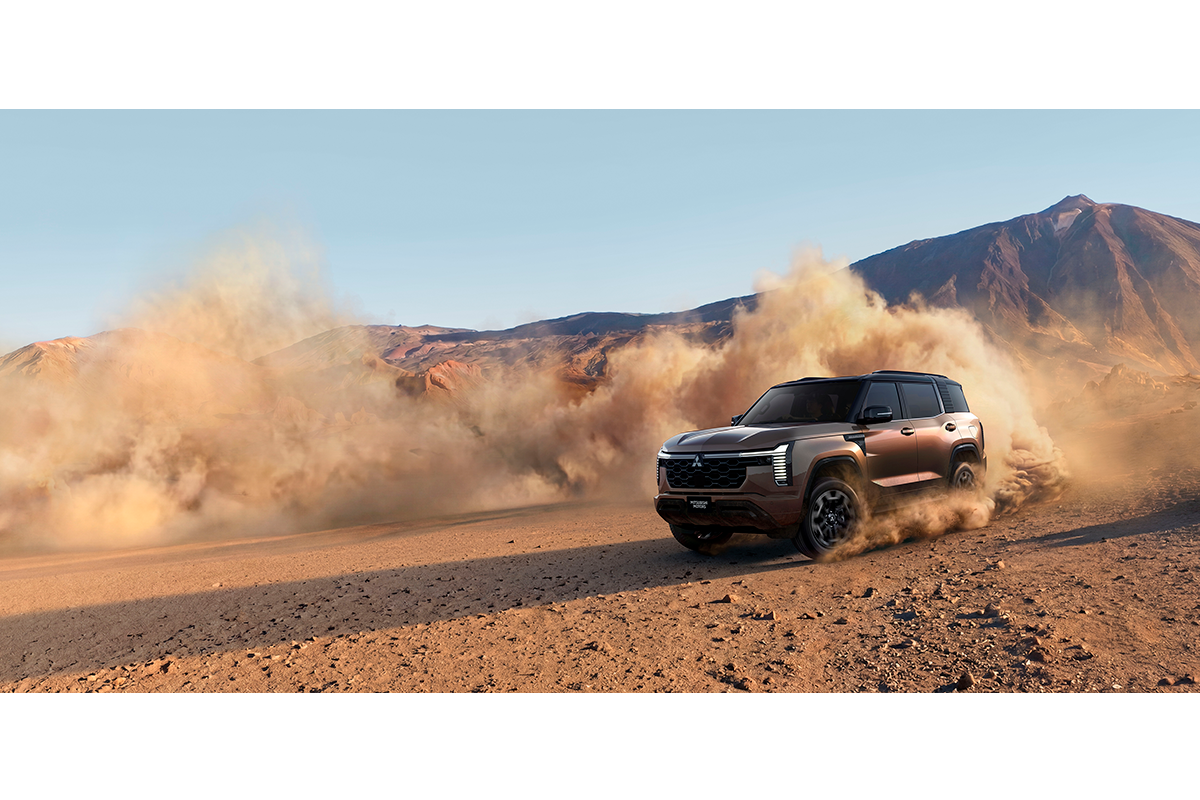
That is quite an ambitious comeback. The original Pajero arrived in 1982 as a proper cross country 4WD designed to combine serious off road ability with the sort of comfort normally associated with passenger cars. It subsequently became hugely popular with buyers who liked their holidays to involve fewer hotels and more mud. By the 1990s, it had become one of the cars driving Japan’s recreational vehicle boom.
Across four generations, Mitsubishi produced more than 3.29 million Pajeros, with the nameplate building a following across more than 170 countries and regions. In other words, this wasn’t merely an SUV. It was one of Mitsubishi’s defining products. The new one therefore has a rather large pair of boots to fill. Mitsubishi says the latest Pajero is built around three qualities: Confidence, Comfort and Prestige. The first two have always been part of the Pajero recipe. The third is new, because apparently even the Pajero has finally discovered luxury.
The styling certainly makes that clear. The new SUV adopts the upright proportions and strong horizontal lines associated with the original, but turns the volume up considerably. Powerful fenders, sculpted bodywork and a broad stance give it the visual authority expected of a flagship. The front end takes inspiration from kendo, with a composed but purposeful appearance, while buyers can choose between a horizontal bar grille and a honeycomb design. There are clever little references to the past, too. The C pillar echoes the roll bar of the first generation, while the hexagonal rear motif is a modern interpretation of the old rear mounted spare wheel. So yes, Mitsubishi has remembered what made the Pajero a Pajero.
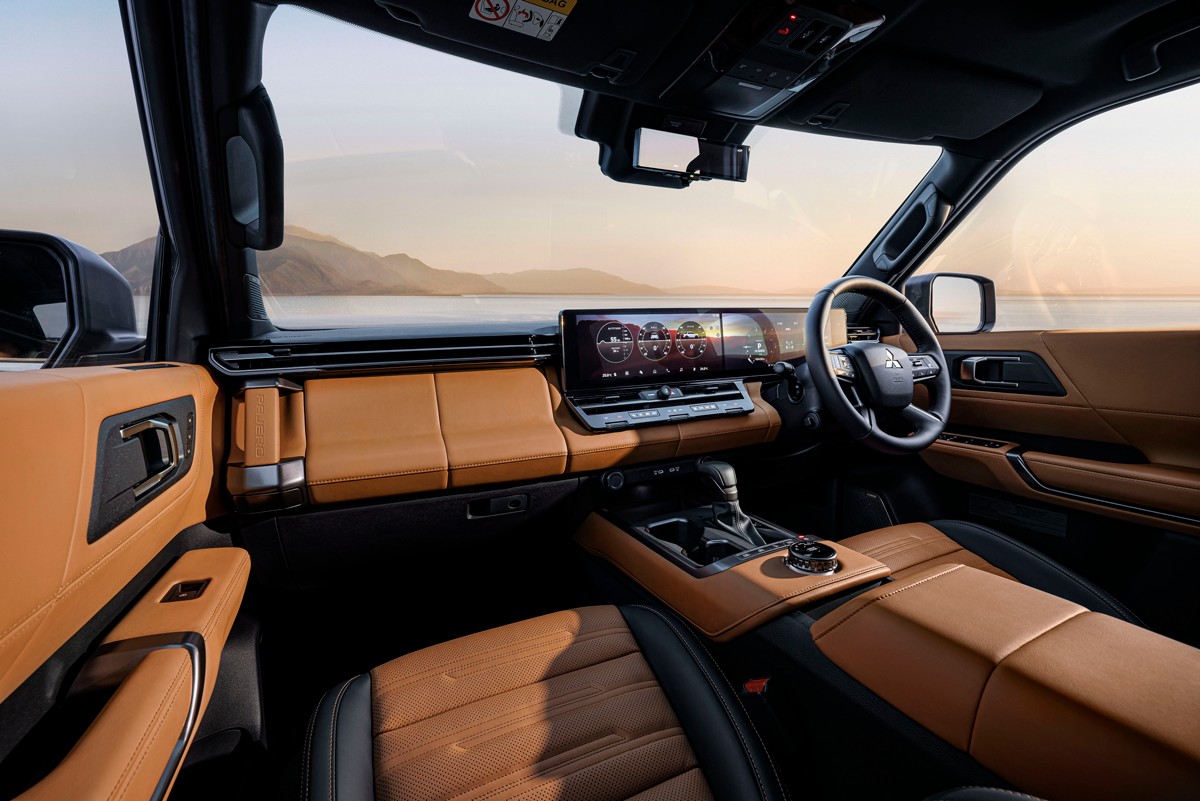
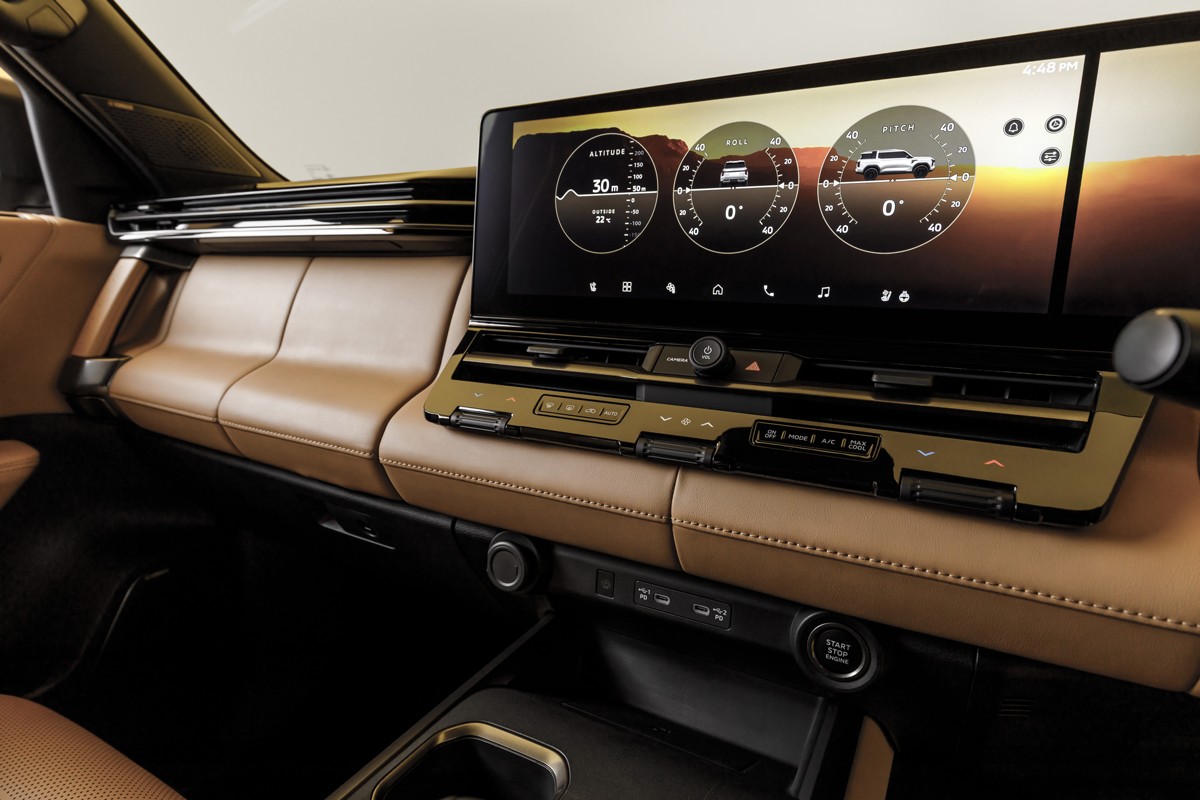
Inside, the nostalgia continues without making the cabin look like a museum. The horizontally arranged dashboard recalls the first generation, while two 14.3 inch displays are integrated into a monolithic screen arrangement. Even the famous triple gauge cluster gets a digital reincarnation called the Multi Meter, displaying information such as altitude, compass heading, temperature, pitch and roll angles and AYC status. The cabin is also considerably more luxurious than the Pajeros many of us remember. It gets three rows and seven seats, a 150 mm sliding second row, ventilated seats, three zone climate control and acoustic glass for the front and rear doors.
Mitsubishi has also worked extensively on sound insulation, because apparently modern Pajero owners would like to hear their passengers rather than communicate with them exclusively through hand signals. But beneath all the screens and leather lies the important bit. The new Pajero retains a ladder frame, independent double wishbone front suspension and a newly developed five link rigid rear axle. Ground clearance stands at 230 mm, while the approach, breakover and departure angles measure 30.4, 22.6 and 25.8 degrees respectively.
Power comes from a 2.4 litre clean diesel engine producing 480 Nm of torque, paired with a new eight speed automatic transmission. Four wheel drive comes courtesy of Mitsubishi’s Super Select 4WD II, offering 2H, 4H, 4HLc and 4LLc modes. There are also seven drive modes: Normal, Eco, Gravel, Snow, Mud, Sand and Rock. And because apparently seven wasn’t enough, Mitsubishi has added Super All Wheel Control, integrating Active Yaw Control, stability and traction control and ABS to manage the vehicle’s behaviour across all four wheels.
Also Read: The Porsche GT3 That Loves The Alps
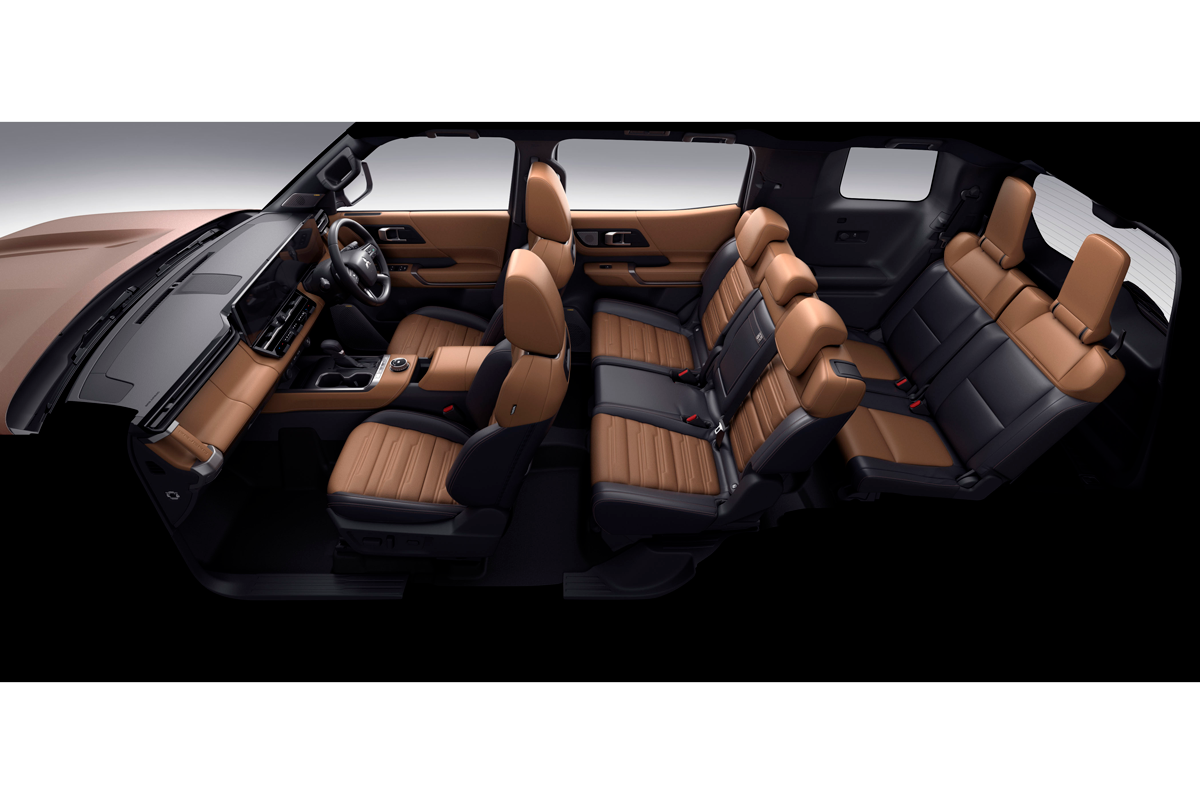
The result is intended to be a Pajero that can commute during the week, swallow a family and its luggage on a holiday, and then disappear down a trail at the weekend without immediately requiring a therapist. There is plenty of modern technology, too. MI PILOT provides highway driving assistance, while the 3D Multi Around Monitor combines four cameras with a three dimensional vehicle model. Its cleverest trick is an under floor view that helps drivers see obstacles beneath the front of the vehicle when tackling difficult terrain.
There are eight airbags, including Mitsubishi’s first SRS centre airbag, along with a suite of collision avoidance and lane assistance systems. MITSUBISHI CONNECT adds remote vehicle functions and emergency assistance, while a 12 speaker Dynamic Sound Yamaha Ultimate system ensures that even your questionable road trip playlist gets treated with considerable seriousness. The new Pajero, then, is not simply an old name dragged out of the cupboard.
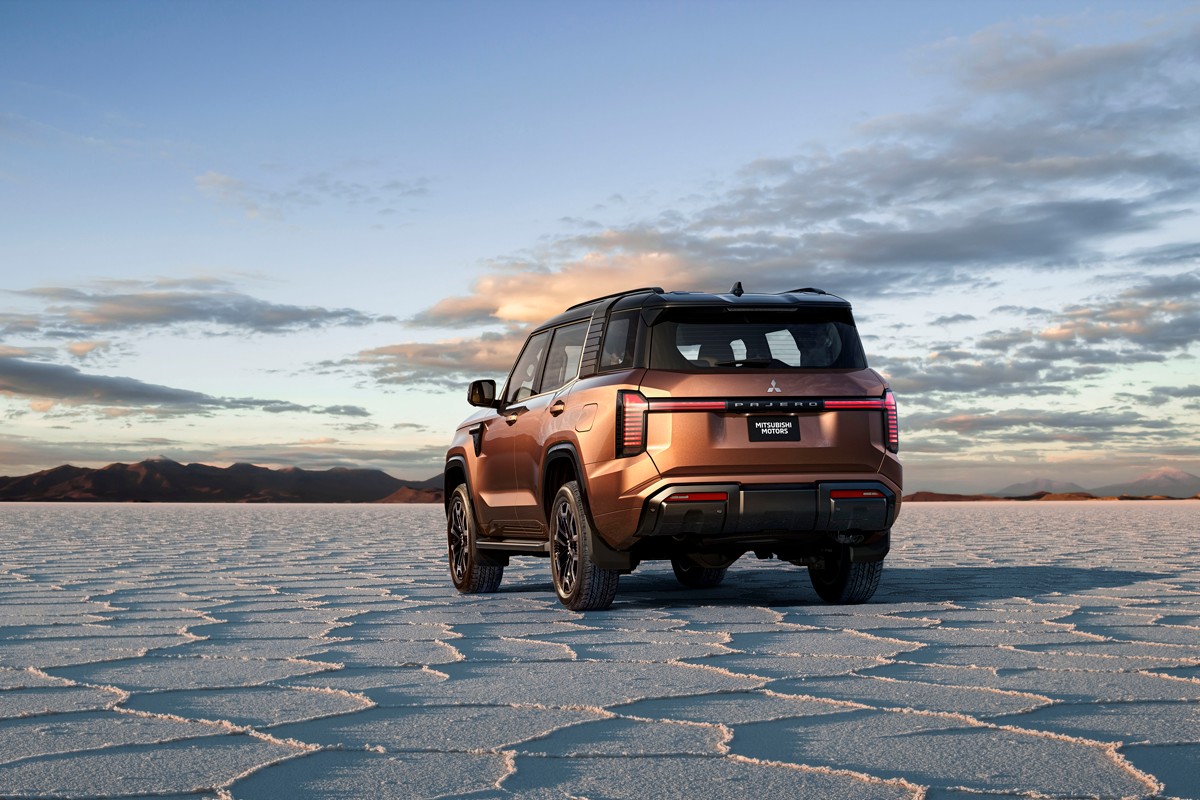
It is Mitsubishi’s attempt to turn one of its most recognisable icons into the flagship for its next generation. And for those of us who grew up believing that the Pajero was the ultimate machine, there is something wonderfully nostalgic about that. We may now know what torque is. We may even have developed opinions about suspension geometry. But somewhere inside, the 90s kid is still staring at a Pajero and thinking the same thing: One day, I’m going to have one of those.