Throttle Response Explained: How It Affects Your Car’s Performance
From razor sharp immediacy to frustrating delay, throttle response is the invisible thread that connects driver intent to real world performance
There is a moment, right after the accelerator is pressed, when everything is decided. Not the speed, not the noise, not even the theatre, but the feeling. That tiny sliver of time between foot and forward motion is what separates the truly brilliant from the utterly forgettable. This, then, is throttle response, and it matters far more than most care to admit. Because here is the thing. A car may boast horsepower figures so enormous they resemble a telephone number, but if it hesitates, if it pauses as though weighing its options before proceeding, the magic evaporates. It feels disconnected, like a conversation on a dreadful phone line, where a thought is expressed and only after an awkward silence does a reply arrive. Frustrating, yes, but more importantly, slow.
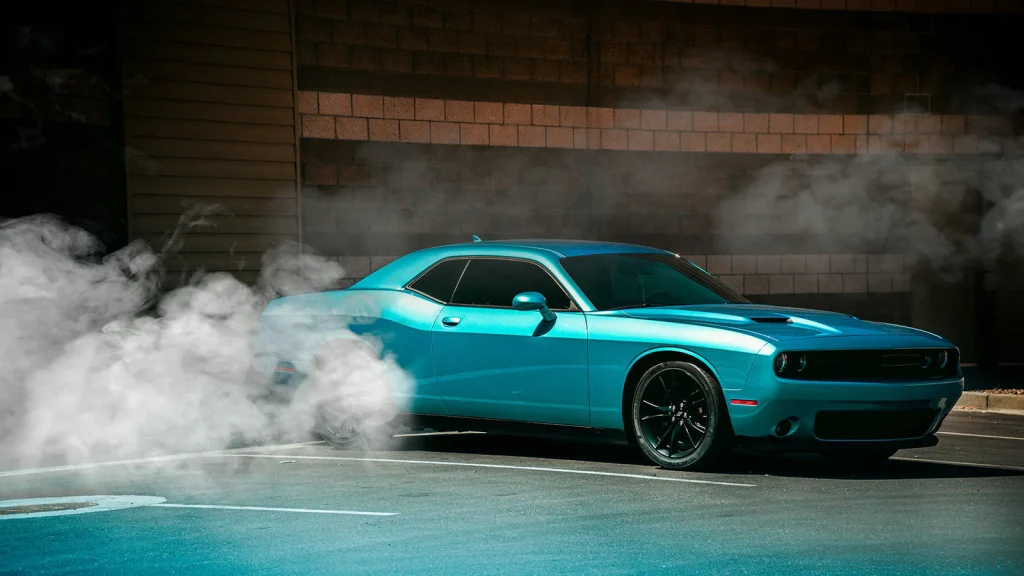
A proper throttle response feels immediate. The pedal is pressed and the car reacts at once, as though it had been eagerly awaiting the instruction. It is sharp, precise, and deeply satisfying. Confidence follows naturally, because there is absolute clarity in what the car will do and precisely when it will do it. No guesswork, no hesitation, just a clean and direct link between foot and engine. Once upon a time, it was all gloriously straightforward. A cable connected the pedal to the throttle body. Press it, the cable pulled, the throttle opened, and the engine responded. No computers, no algorithms, no electronic second guessing.
It was mechanical, occasionally a touch unruly, but entirely honest. Modern machinery, however, has elected to complicate the affair. The cable has vanished, replaced by what is known as drive by wire. It sounds terribly clever, and in many respects it is. Inputs are now interpreted by a computer, which then decides how much throttle to deliver. This allows for smoother operation, improved efficiency, and seamless integration with traction control and stability systems.
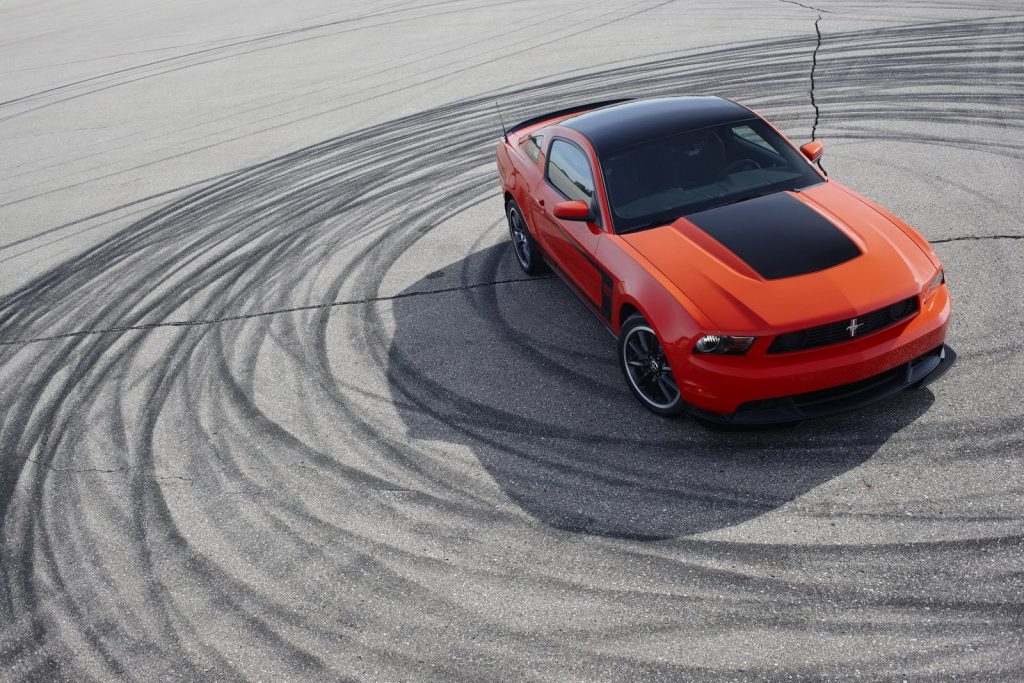
But, and it is a rather significant but, it can dull the experience. If the calibration is even slightly off, there is a softness, a delay, a sense that the car is filtering rather than responding. Rather like attempting to play the piano while wearing thick gloves. Technically possible, but hardly inspiring. Not all modern systems suffer this fate, of course. Some are genuinely excellent. The finest engineers have managed to craft throttle maps that feel almost as immediate as the old cable setups, while retaining all the benefits of modern technology. These are the cars that feel alive, eager, and thoroughly engaging.
Throttle response also dictates how a car behaves when the road begins to twist. A sharp response allows the car to be balanced delicately on the throttle, making minute adjustments to grip and trajectory. Power can be fed in with finesse, the tyres digging into the tarmac, the line adjusted with surgical precision. It becomes a dance, and when everything aligns, it is rather magnificent. A poor response, however, turns that dance into a clumsy shuffle. A press of the pedal yields nothing, so a little more is applied, and then suddenly everything arrives at once. The car lunges, balance is upset, and control gives way to correction. Messy, unpredictable, and faintly irritating.
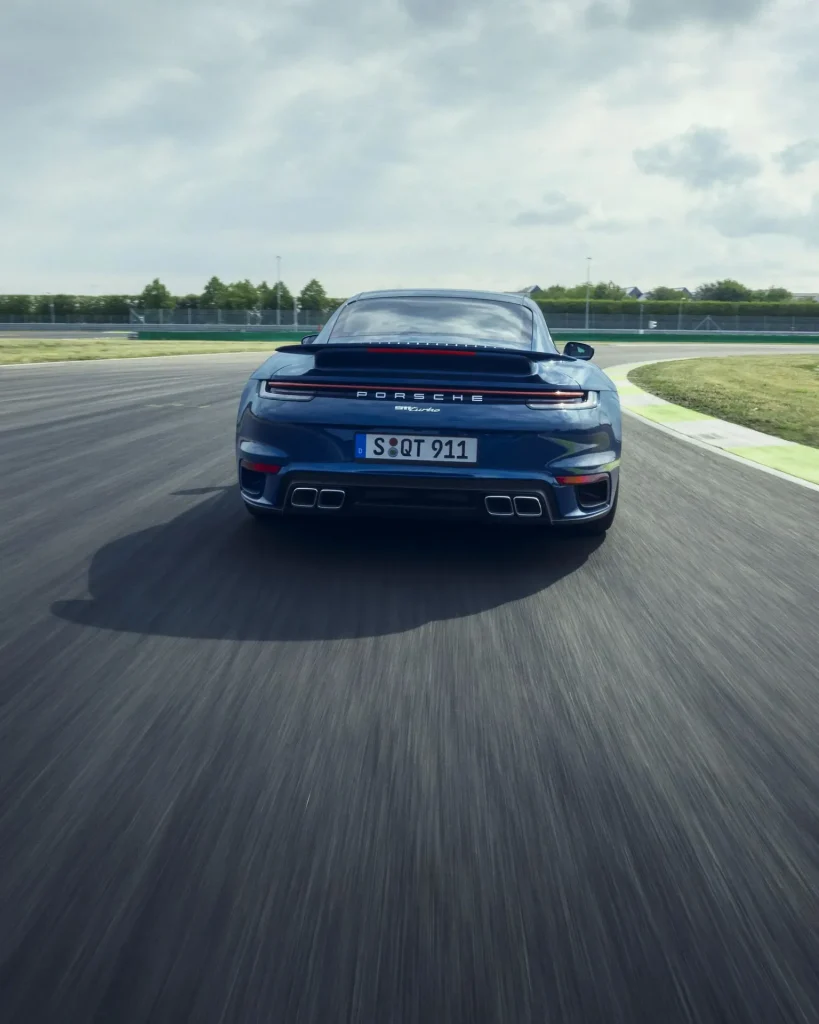
Turbocharged engines complicate matters further. Turbo lag, that brief but noticeable delay between throttle input and boost delivery, can make even the most powerful machine feel oddly lethargic. Modern engineering has worked wonders in reducing this effect, but it has not been entirely banished. The best setups render it almost invisible, while the worst feel as though they are waiting for permission to proceed.
And then there is the emotional dimension, because driving has never been solely about figures and efficiency. It is about sensation. A crisp throttle response injects urgency, a sense that the machine is alive and keen to perform. Even a modest engine can feel engaging if it responds with enthusiasm. Ultimately, throttle response is the translator between human intention and mechanical action. When it is right, the car feels like an extension of the body, reacting instantly and predictably. When it is wrong, it feels distant, detached, and oddly uninterested. And that is precisely why it matters. Not because it looks impressive on paper, nor because it makes for clever marketing, but because it defines the very essence of driving itself. The connection, the immediacy, and that wonderfully unfiltered satisfaction of pressing a pedal and having the world respond without hesitation.