Why September Puts Blue Sapphires in Focus
September is the birthstone month for sapphire, putting the blue gem in focus. Here’s what sets Kashmir, Burmese and Ceylon sapphires apart, from their colour and rarity to their provenance and value
September belongs to sapphire because it is the birthstone of the month, and blue continues to be one of the most recognisable colours in fine jewellery. Halle Berry brought the gemstone into the spotlight this February when she stepped out with a retro-inspired engagement ring from Van Hunt, featuring a round diamond framed by a bezel-set halo of step-cut sapphires. It was the latest entry in a lineage that runs back through Kate Middleton to Princess Diana, who chose a 12-carat oval blue sapphire over a diamond in 1981.
The salesroom tells the same story with harder numbers. At Heritage Auctions’ spring sale this May, a 6.59-carat sapphire sold for INR 8.62 crore (approx.), nearly tripling its estimate and pushing the house to its biggest total ever, INR 92.3 crore (approx.) in one evening. The stone, unsurprisingly, was Kashmir. Such mystique clings to only a handful of gemstones and nowhere more so than in the three origins collectors chase, which includes Kashmir, Burma and Ceylon.
A Colour Beyond Compare
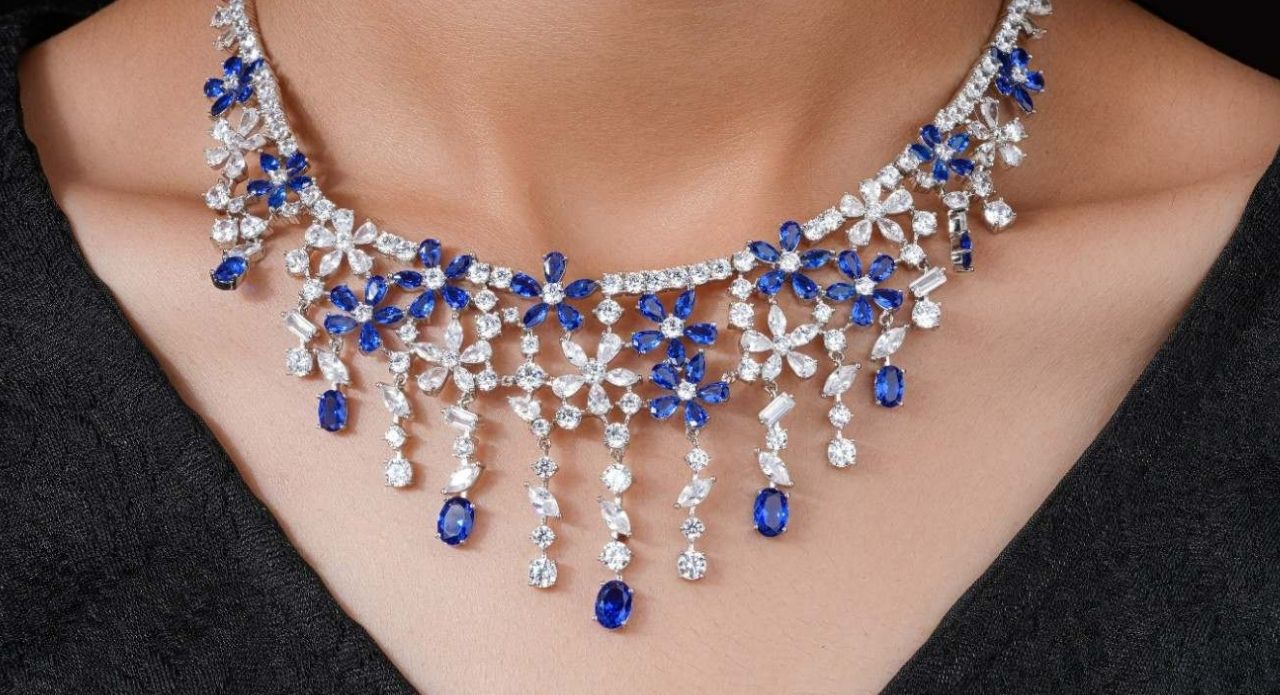
Kashmir sapphires occupy a category of their own. Discovered in the late nineteenth century in the Zanskar range, high in the Himalayas, the deposit was exhausted within decades, and mining there has effectively ceased since the 1930s. What makes a Kashmir stone unmistakable is its colour: a soft, hazy cornflower blue that seems to glow from within. Gemologists attribute this to microscopic inclusions that scatter light evenly, producing the celebrated velvety texture no lab has managed to replicate. Because the source is depleted, Kashmir sapphires now trade almost exclusively at international sales, where prices for the finest examples run into the millions.
Also Read: The Perfect High-Jewellery Ring For Every Zodiac Sign
Burmese sapphires tell a different story of endurance. Mined for over a thousand years around Mogok, in what was once Burma and is now Myanmar, these stones lean darker and more saturated than their Kashmir counterparts, often described as midnight or royal blue with a faint violet undertone. The finest examples hold their transparency even at medium-dark tones, a balance that grows harder to find past three carats. Mining continues today, though output is a fraction of historic levels, and sourcing from Myanmar has become a genuine consideration for buyers weighing provenance against ethics.
Ceylon’s Enduring Dominance
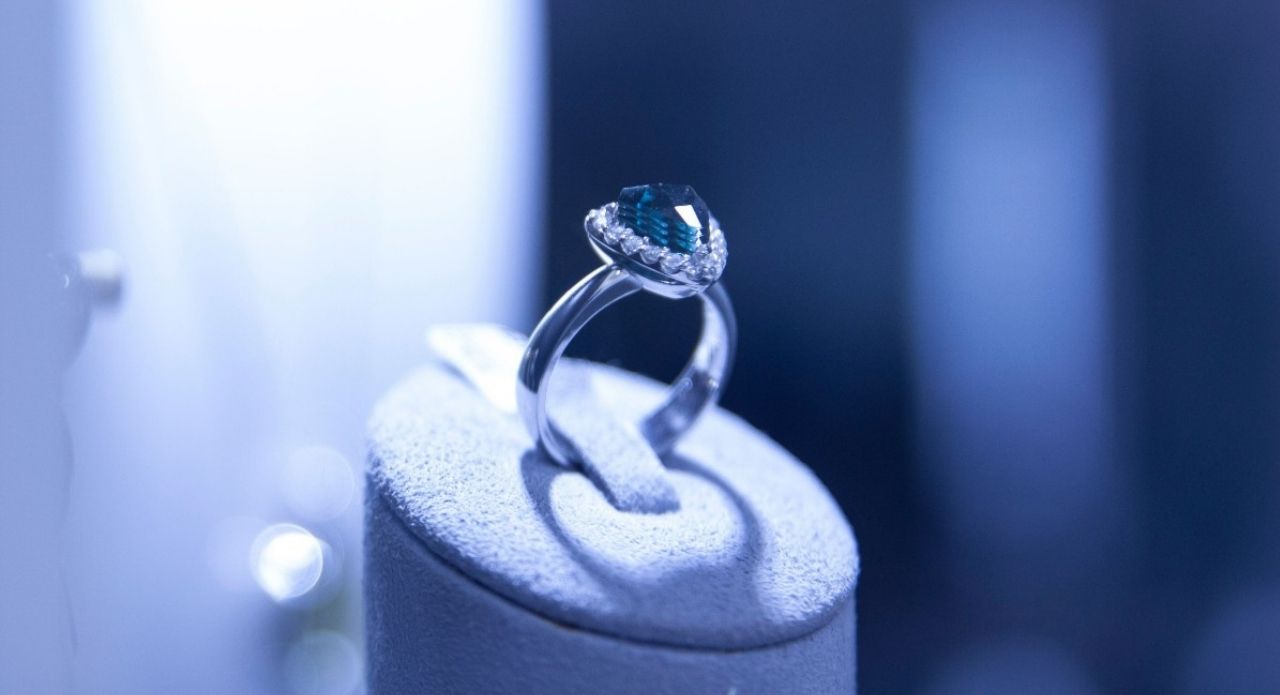
Sri Lanka, once known as Ratna-Dweepa, or Gem Island, has arguably the longest continuous sapphire history of the three, with trading records stretching back to the fourth century. Ceylon sapphires favour a brighter, more luminous medium blue, frequently untreated or only lightly heated and their clarity holds up well even in larger sizes, often outperforming Burmese material past five carats. Combined with active, largely traceable mining, this makes Ceylon the most accessible entry point into fine coloured stones without sacrificing quality.
What Sets the Standard
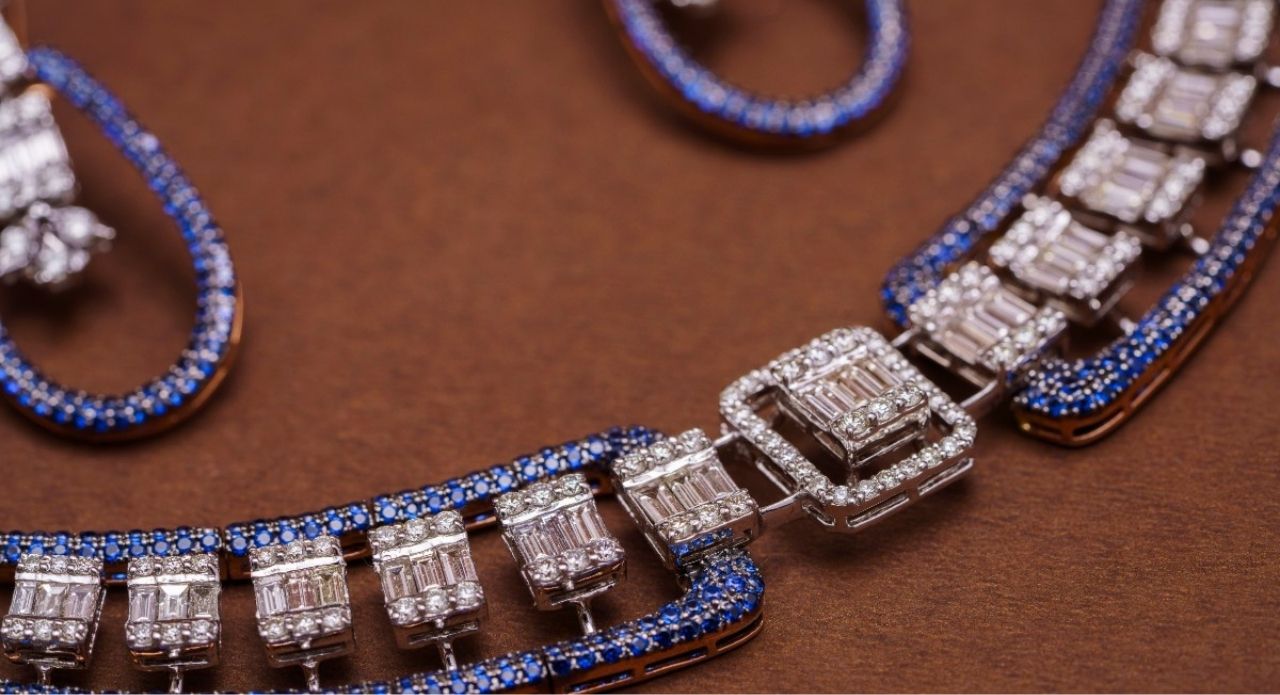
The distinction, ultimately, comes down to what one values most: Kashmir for unrepeatable rarity and that singular velvet glow, Burma for depth and saturation with a storied mining legacy, Ceylon for reliable brilliance and relative accessibility.
Also Read: What Makes Kashmir Sapphires the World’s Most Coveted Blue Gemstones
Provenance still demands rigorous certification, since origin alone can multiply a stone’s value many times over. These three sapphires do not compete so much as complete the picture of what makes this gem endlessly desirable.