Different Watch Lug Styles Explained: Types, Designs And How They Affect Comfort
Though small in form, lugs shape how a watch sits on the wrist, and from classic straight designs to futuristic floating structures, each style serves a purpose, revealing a subtle yet vital element of watch design
In the grand architecture of a wristwatch, the movement commands intellectual fascination and the dial captures aesthetic attention. Yet quietly bridging the watch to the wrist is a component so modest that it often escapes scrutiny: the lug. These small extensions from the case perform the essential task of securing the strap or bracelet, but their influence extends far beyond mere functionality. Lug design shapes the visual personality of a watch, determines how comfortably it conforms to the wrist and subtly dictates the overall wearing experience.
Over decades, watchmakers have experimented with lug architecture, transforming what was once a purely practical structure into an element of stylistic identity. From elegantly curved forms to minimalist wire constructions and futuristic floating attachments, lug styles reflect both engineering ingenuity and design philosophy.
Lyre Lugs: Sculptural Elegance
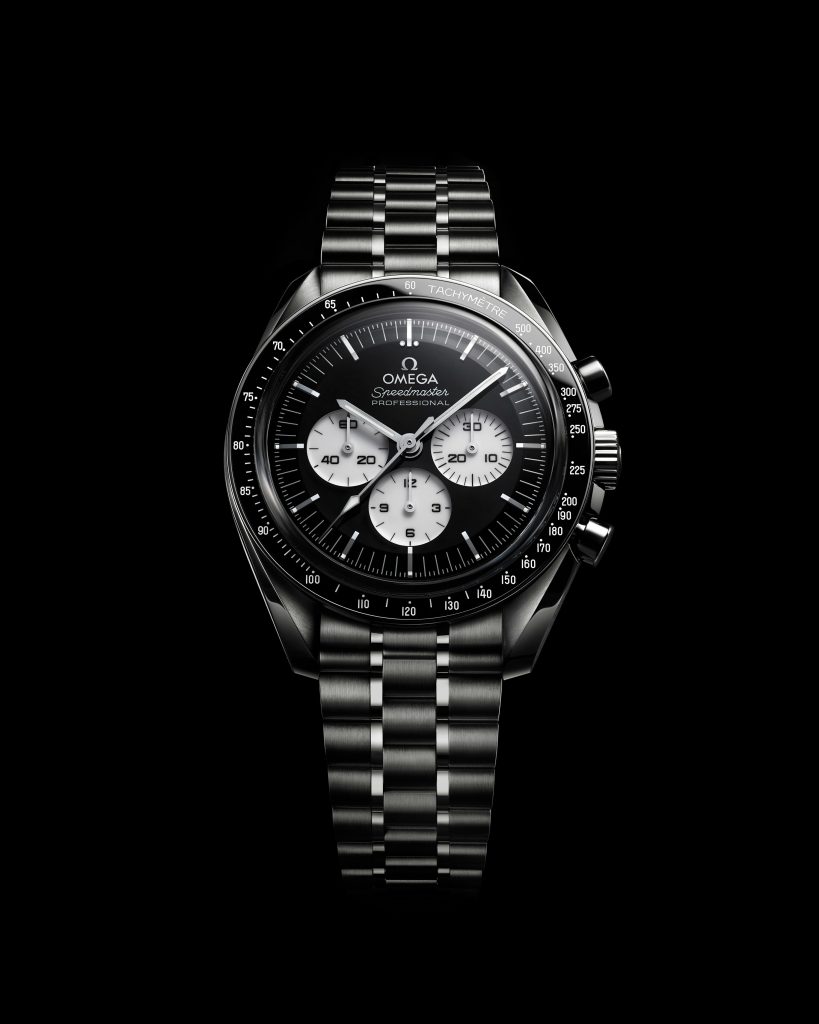
Lyre lugs are perhaps among the most recognisable in modern watchmaking. Characterised by their outward flare and gentle curvature, they resemble the graceful shape of the ancient musical instrument from which they take their name. This design gained iconic status through the Omega Speedmaster, where the lugs taper elegantly while maintaining robust structural presence. Their curved profile allows the watch to hug the wrist more naturally, distributing weight evenly. The polished and brushed surfaces often seen on lyre lugs also create dynamic light play, adding visual refinement to otherwise utilitarian chronographs.
Straight Lugs: Classical Simplicity
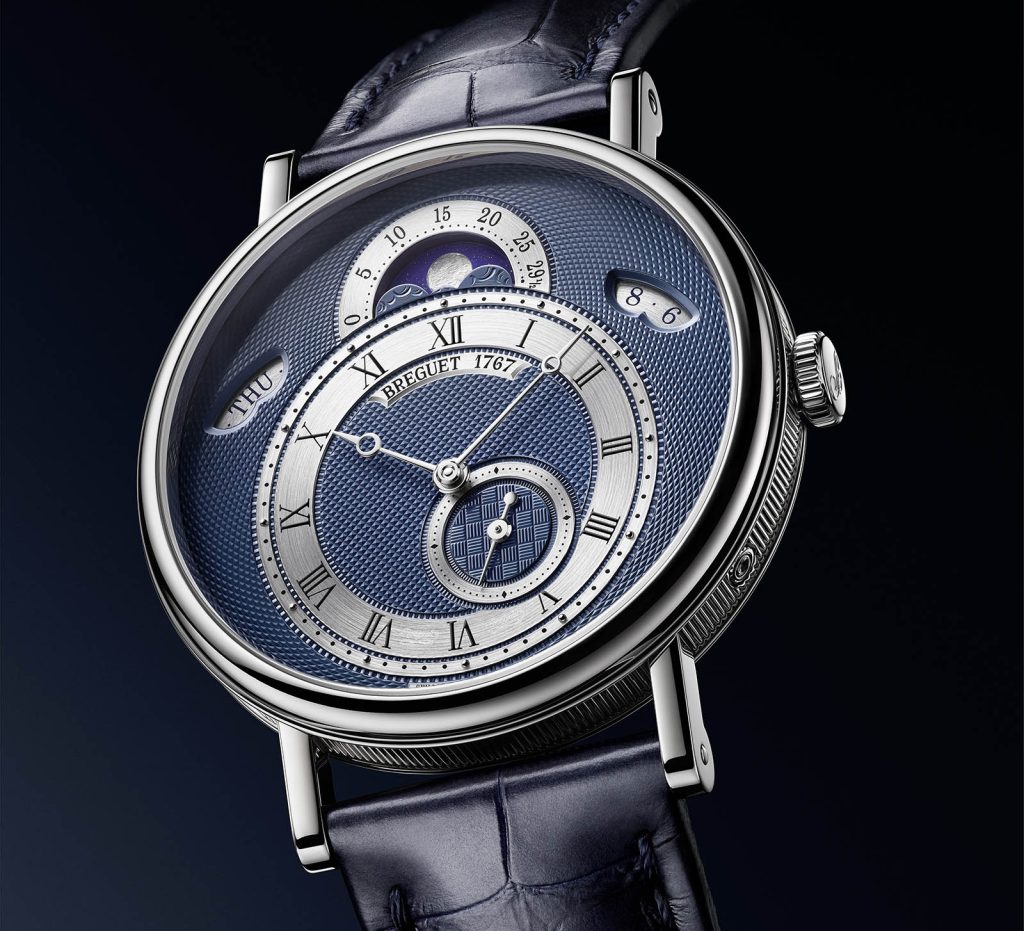
If lyre lugs celebrate sculptural flair, straight lugs embody classical restraint. Extending directly from the case with minimal curvature, they present a clean and symmetrical silhouette. This style is commonly associated with traditional dress watches such as those from Breguet’s classic collections. Straight lugs emphasise balance and proportion rather than ornamentation. Their geometry allows straps to fall neatly along the wrist, making them particularly comfortable on slimmer timepieces. The result is a design language rooted in timeless simplicity.
Hooded Lugs: Integrated Sophistication
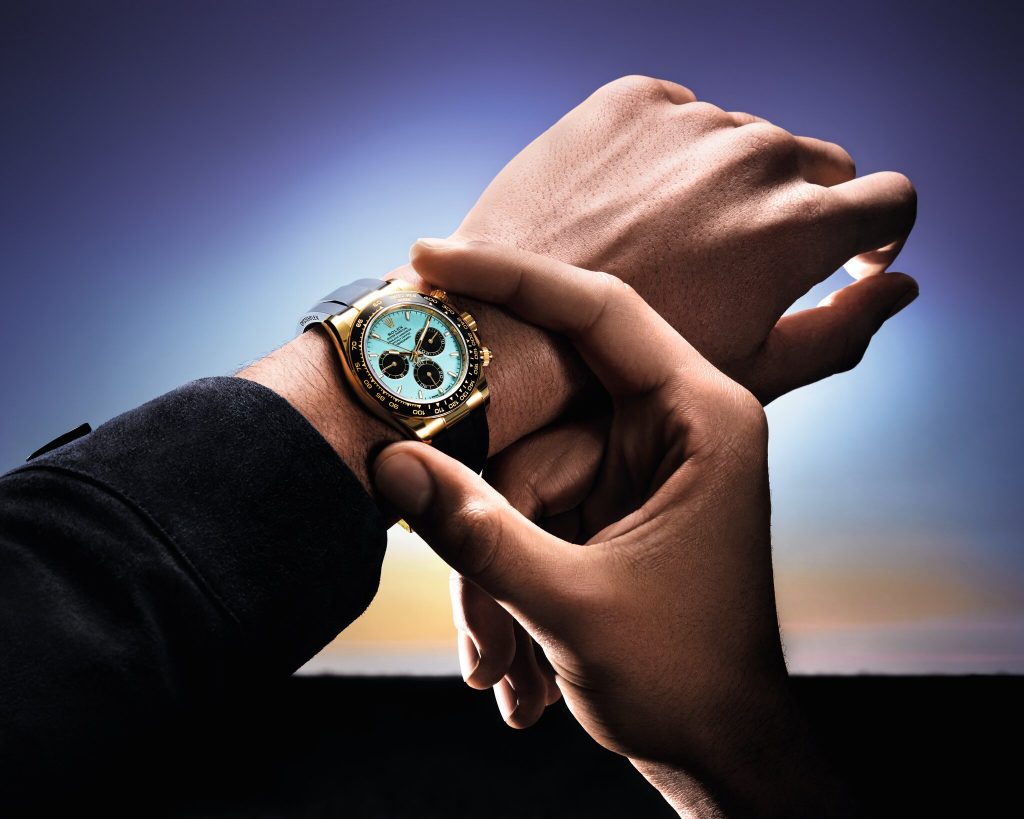
Hooded lugs conceal the strap attachment beneath an extended case structure, creating a smooth and uninterrupted transition between case and bracelet. The effect can be seen on certain versions of the Rolex Daytona, where the strap appears partially tucked beneath the case. This design reduces the visible gap between case and strap, lending the watch a more integrated aesthetic. Beyond appearance, hooded lugs can improve wearability by reducing the perceived length of the watch from lug to lug, allowing larger cases to sit more comfortably on smaller wrists.
Hidden Lugs: Seamless Minimalism
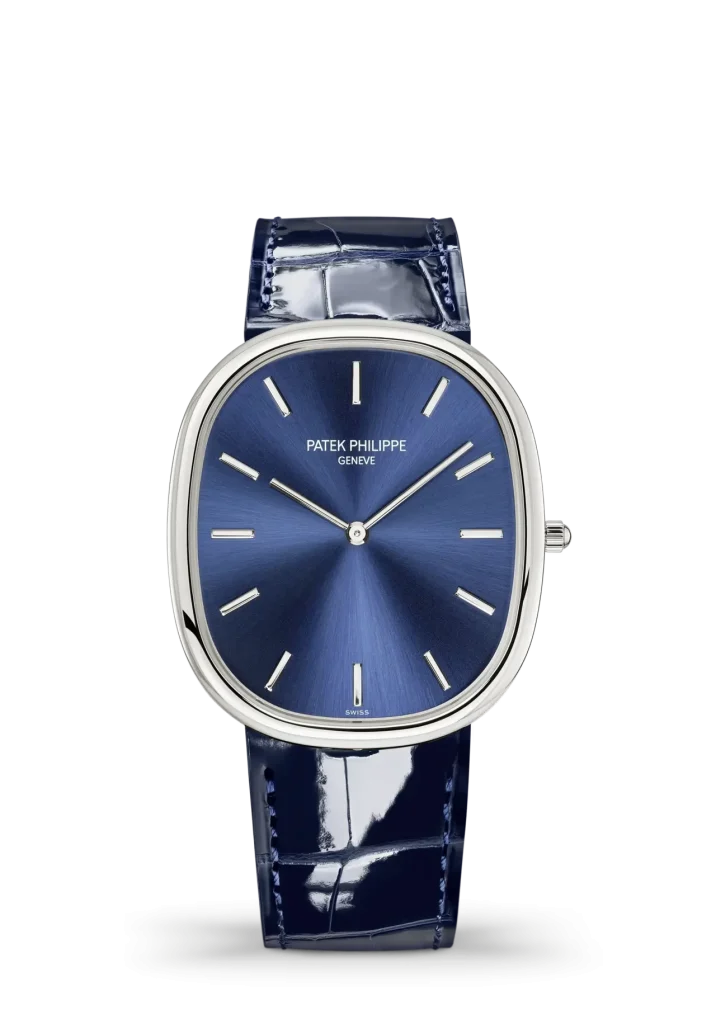
Hidden lugs take integration a step further by concealing the attachment point almost entirely within the case architecture. The strap appears to emerge directly from the case without visible extensions. A refined example of this philosophy can be seen in the Patek Philippe Golden Ellipse. Here, the case flows uninterrupted into the strap, reinforcing the watch’s elegant, elliptical form. Hidden lugs prioritise visual continuity. By eliminating external projections, they create a sleek profile that enhances the watch’s minimalist aesthetic.
Wire Lugs: Vintage Heritage
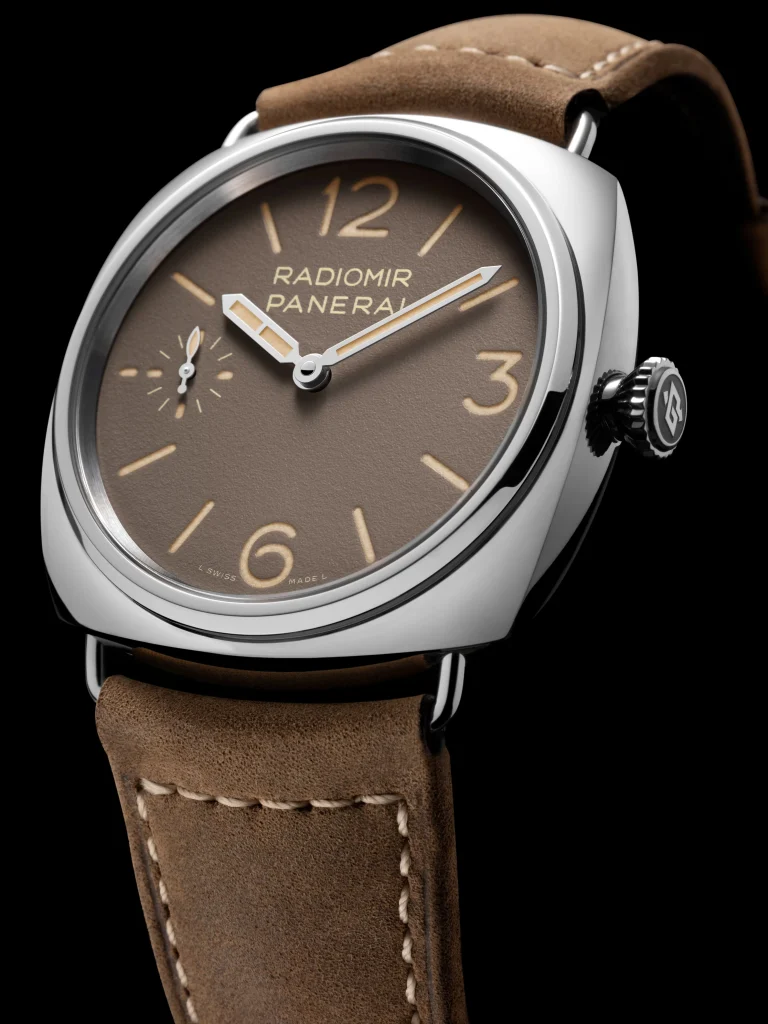
Wire lugs hark back to some of the earliest wristwatches of the early 20th century. Rather than solid case extensions, they consist of slender metal wires soldered onto the case. This style is prominently associated with the Panerai Radiomir, whose wire lugs evoke the brand’s military heritage. The design allows straps to sit very close to the case, resulting in a compact and comfortable fit. Despite their apparent simplicity, wire lugs possess undeniable charm. They evoke a vintage sensibility while remaining surprisingly practical.
Floating Lugs: Futuristic Engineering
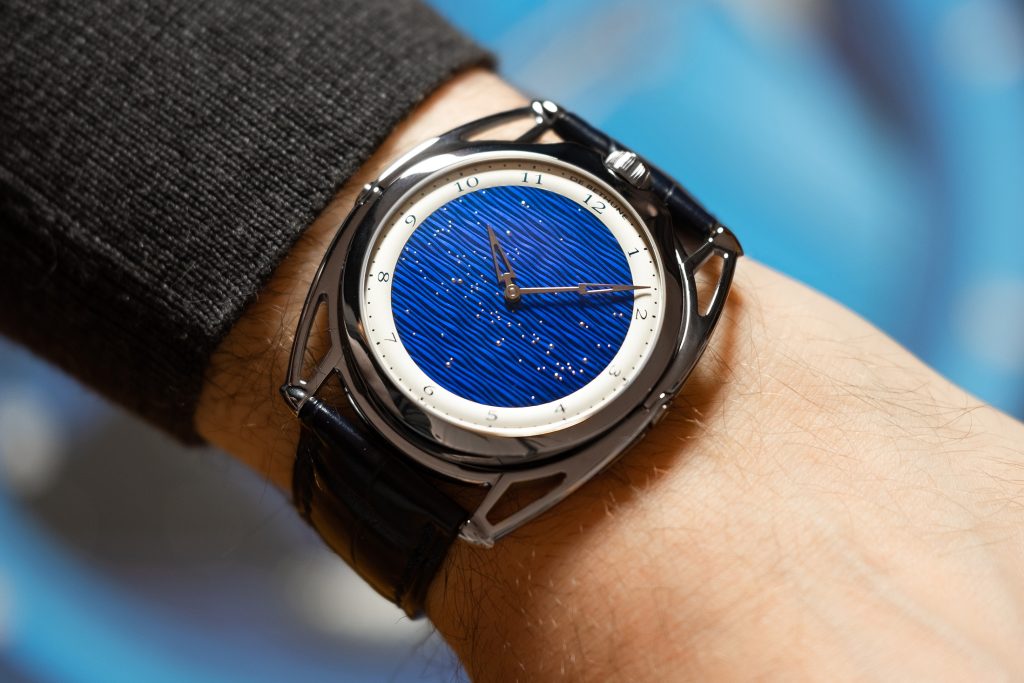
Floating lugs represent one of the most avant garde interpretations of lug architecture. Instead of being rigidly attached to the case body, these lugs appear suspended, connected through articulated structures. The striking De Bethune Starry Seas showcases this concept with remarkable elegance. The floating lugs pivot slightly, allowing the watch to adapt naturally to the wrist’s curvature. This design not only enhances comfort but also adds a dynamic visual element. The case seems to hover above the strap, creating a sense of lightness and modernity.
While collectors often focus on complications, movements and dial finishing, lug design plays a crucial role in everyday wearability. The distance between lugs, their curvature and their angle determine how a watch sits on the wrist. A well designed lug can make a large watch feel compact, while poorly considered lugs may cause even modest watches to feel awkward. Thus, lugs perform a quiet but essential function: they translate mechanical design into human comfort.
In horology, the smallest components often carry the greatest influence. Lug styles demonstrate how subtle design decisions can shape both aesthetics and ergonomics. Whether sculptural like the lyre lugs of the Speedmaster, elegantly restrained like those on Breguet classics, vintage inspired like the Radiomir’s wire lugs or futuristic like the floating architecture of De Bethune, each style reflects a particular philosophy of watchmaking. Ultimately, the humble lug reminds us that the experience of wearing a watch begins not with the dial we admire, but with the comfort we feel on the wrist.