

Long before wristwatches became statements of personal style or quiet declarations of affluence, they were instruments of necessity. Timekeeping devices were shaped not by aesthetics alone but by the demands of environment and occupation. Soldiers required resilience, pilots demanded legibility, divers insisted on reliability beneath crushing depths, and gentlemen of society sought refinement suitable for evening attire. Over decades, these practical needs crystallised into distinct watch styles, each carrying its own design vocabulary and historical narrative.
Today, even as mechanical watches occupy a more emotional than utilitarian role in the digital age, these archetypes endure. Understanding them is akin to learning the dialects of horology, each speaking of a different world, yet united by the same heartbeat of mechanical time.
Field Watches
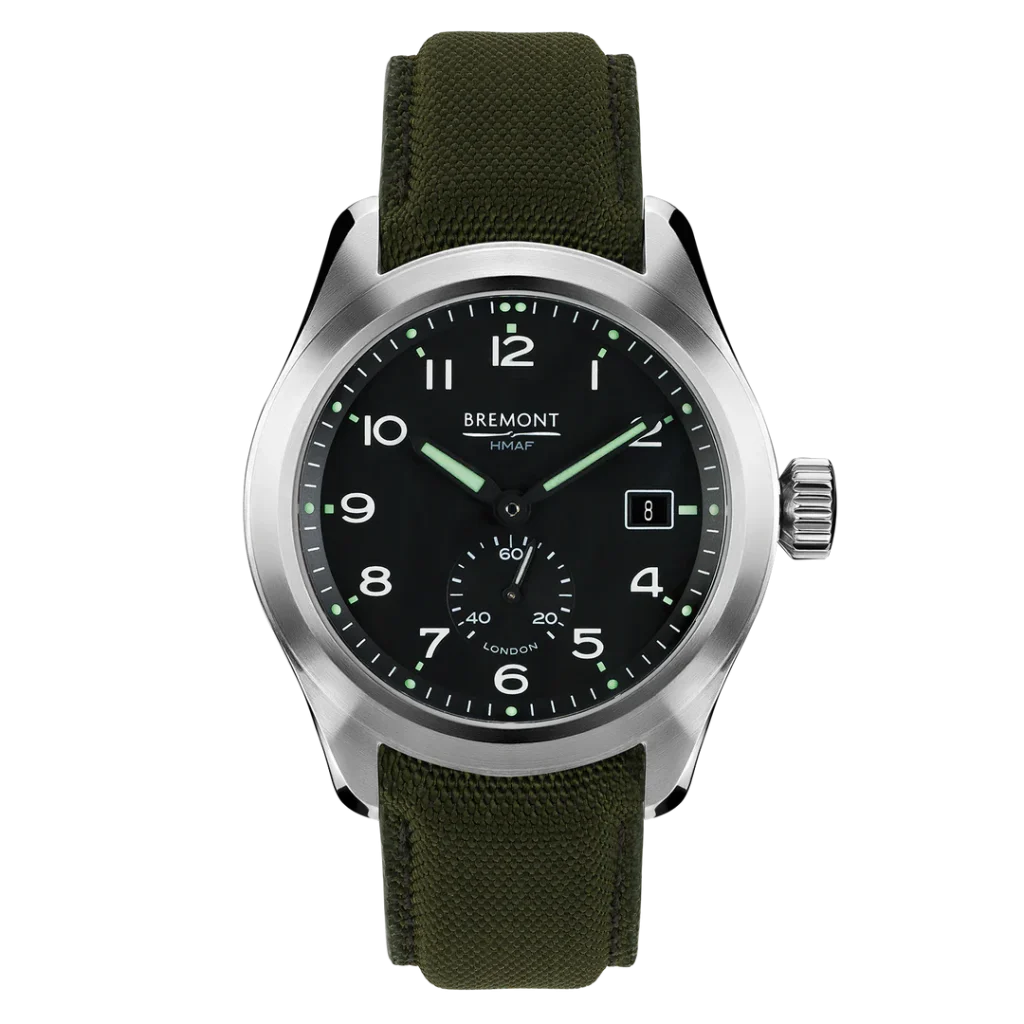
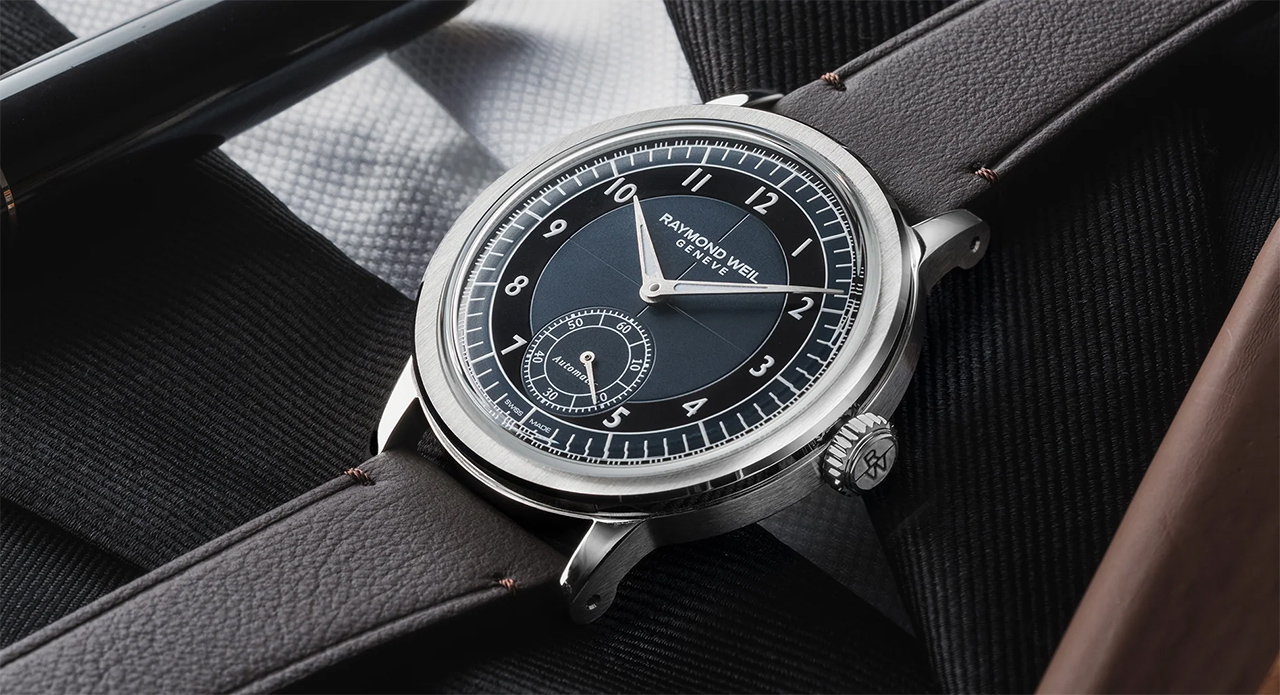
The field watch traces its lineage to military campaigns of the early twentieth century, where soldiers required reliable and highly legible timepieces that could withstand rugged conditions. Simplicity was paramount. Field watches typically feature modest case sizes, matte dials to minimise glare, and large Arabic numerals for quick readability. Their construction prioritises durability over ornamentation, often paired with fabric or leather straps suited to demanding environments. The design language is restrained and purposeful. A field watch is the embodiment of pragmatic minimalism, a tool first and an accessory second.
Also Read: Steel vs Titanium Watches: Key Advantages, Durability & Which Material Is Better?
Pilot’s Watches
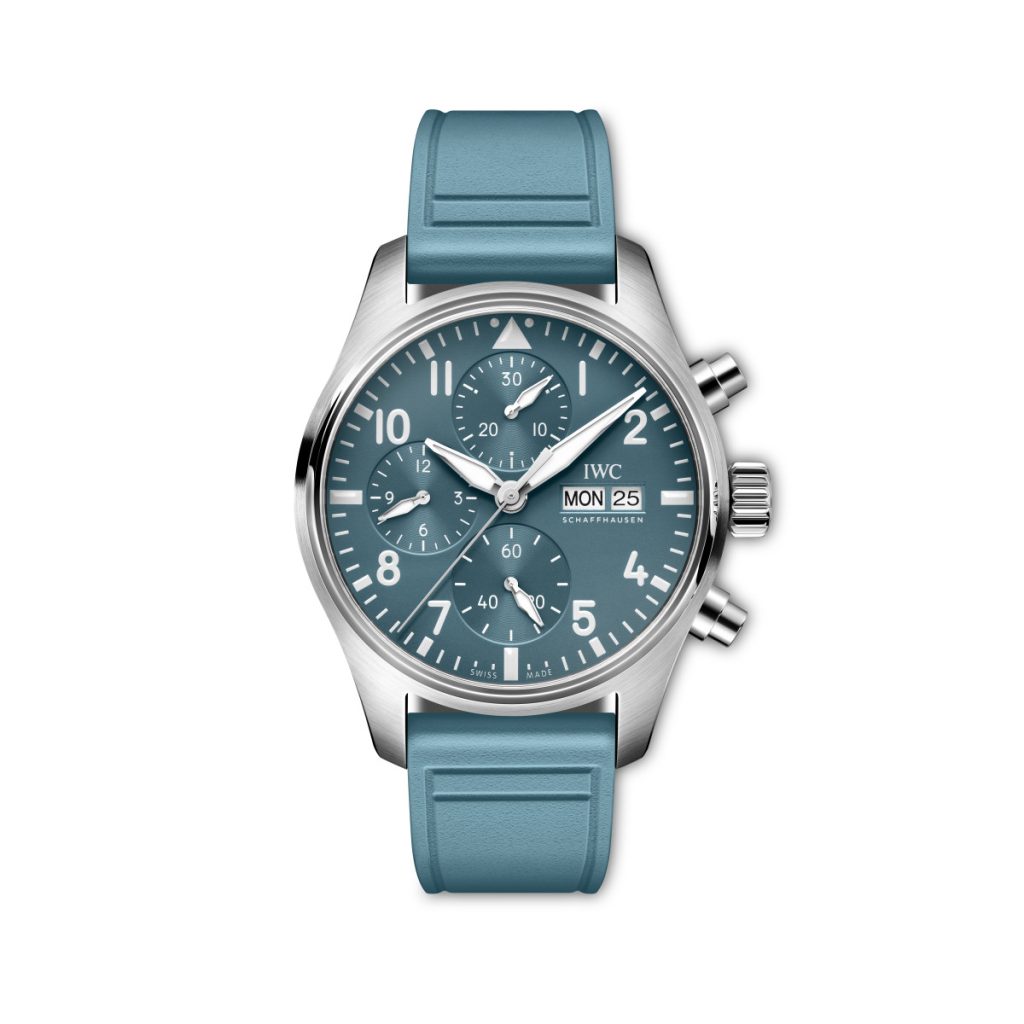
Aviation brought with it a new set of horological demands. Pilots navigating early aircraft required watches that were large, legible and easily manipulated even while wearing gloves. Pilot’s watches are therefore characterised by oversized crowns, expansive dials and luminous numerals. Many incorporate features such as triangle markers at twelve o’clock or highly contrasting hands to ensure orientation during flight. Historically, these watches were essential navigational aids, allowing aviators to coordinate timing with onboard instruments. Even today, their bold proportions and cockpit inspired aesthetics retain an unmistakable sense of adventure.
Sports Watches
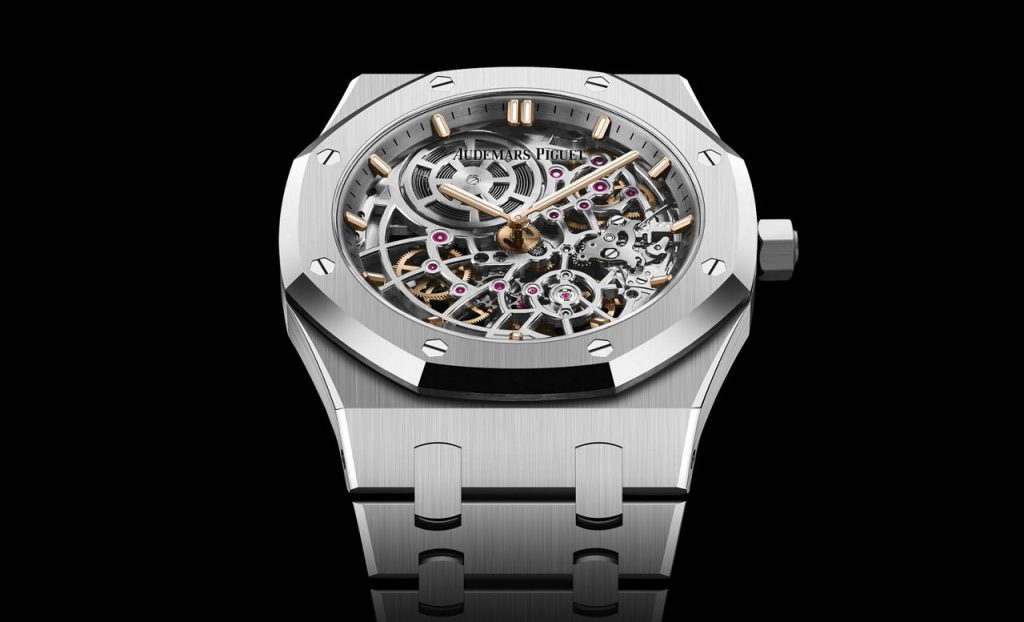
The sports watch occupies a broad and flexible category, defined less by a specific profession and more by an active lifestyle. Designed to endure daily wear, sports watches balance durability with contemporary aesthetics. They often feature robust cases, water resistance, luminous hands and versatile bracelets or rubber straps. Unlike specialised dive or pilot watches, the sports watch thrives in its adaptability, equally comfortable at a weekend outing, a casual workplace or an outdoor pursuit. In many ways, the sports watch has become the modern default wristwatch: capable, resilient and effortlessly versatile.
Dive Watches
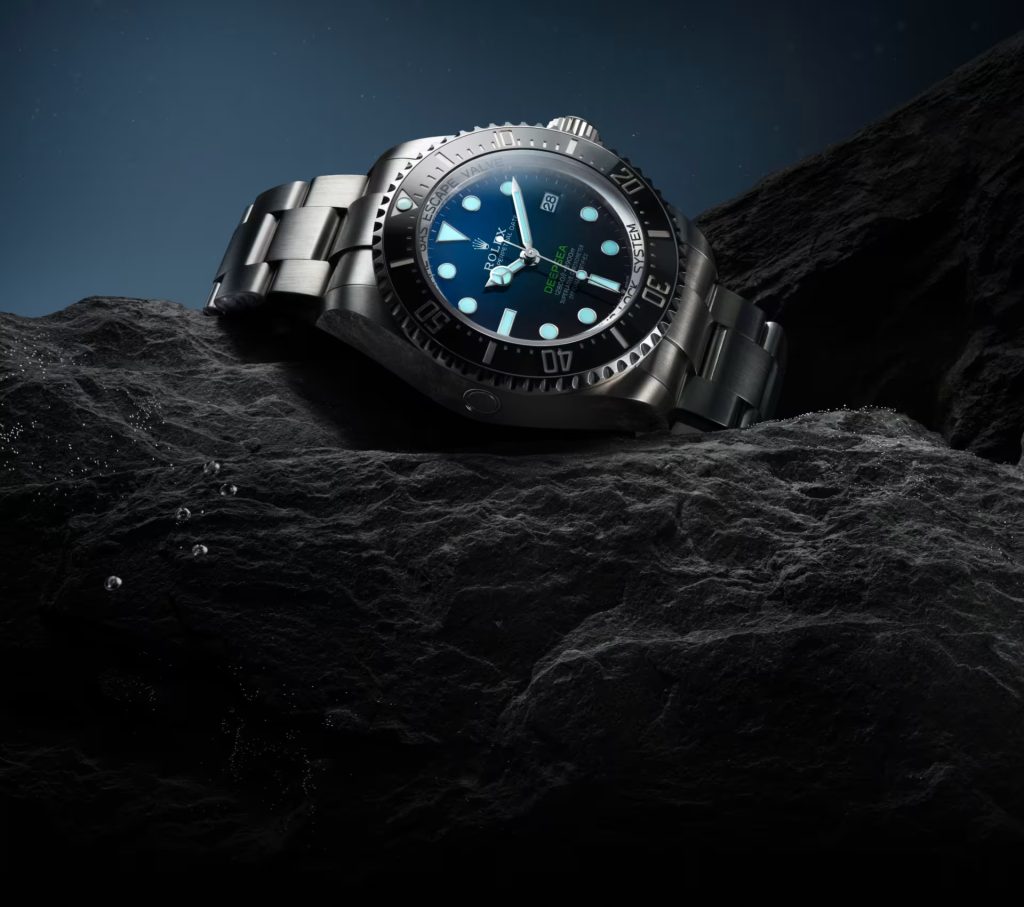
Dive watches represent one of horology’s most technically purposeful categories. Developed for underwater exploration, they are engineered to function reliably in conditions where failure could be dangerous. A typical dive watch features a unidirectional rotating bezel used to track immersion time, substantial water resistance often exceeding 200 metres, and highly luminous markers for visibility in low light underwater environments. The design is unapologetically robust. Thick cases, screw down crowns and prominent bezels reinforce the watch’s tool watch identity. Even when worn far from the ocean, a dive watch carries with it the romance of exploration and the promise of mechanical reliability.
Dress Watches
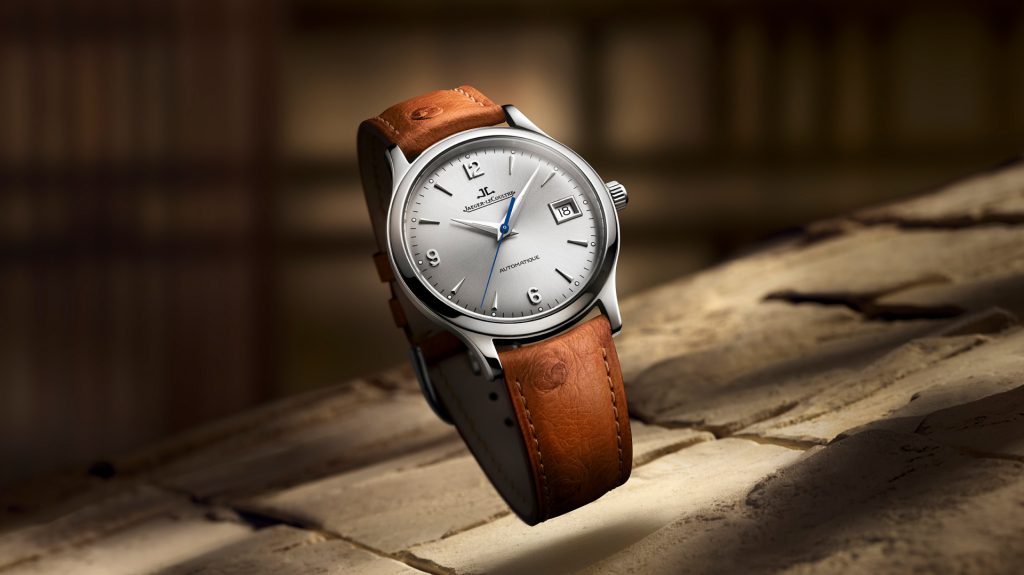
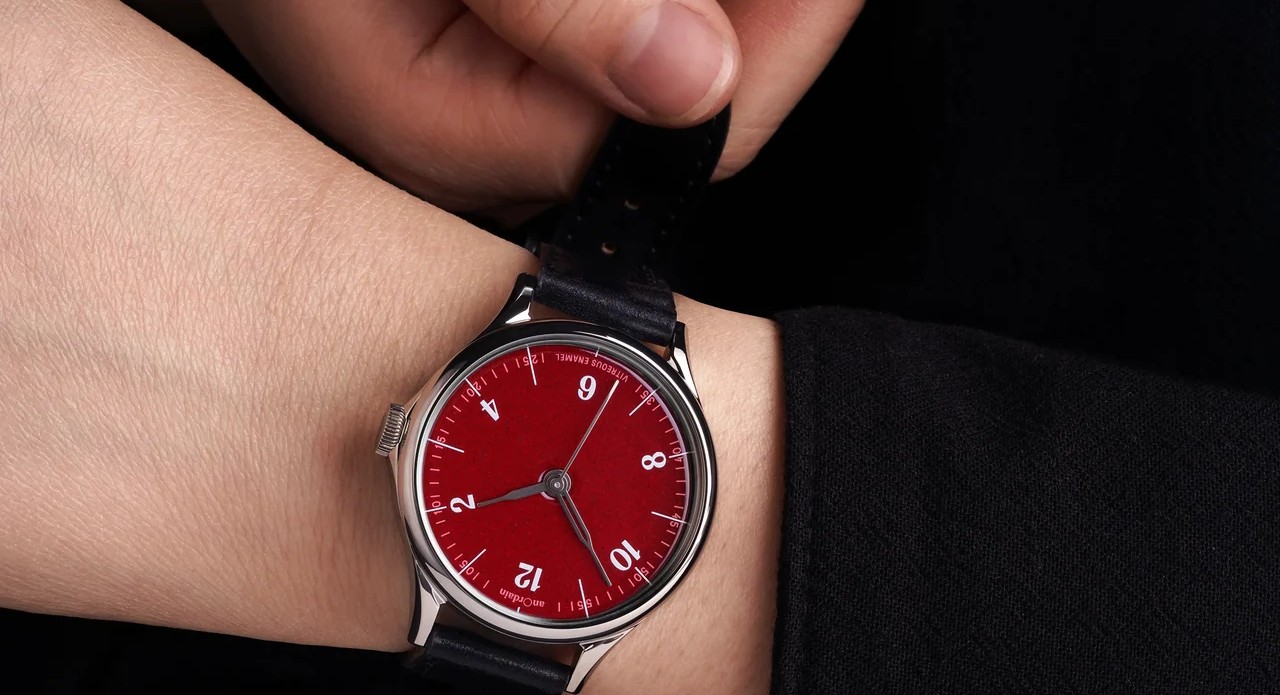
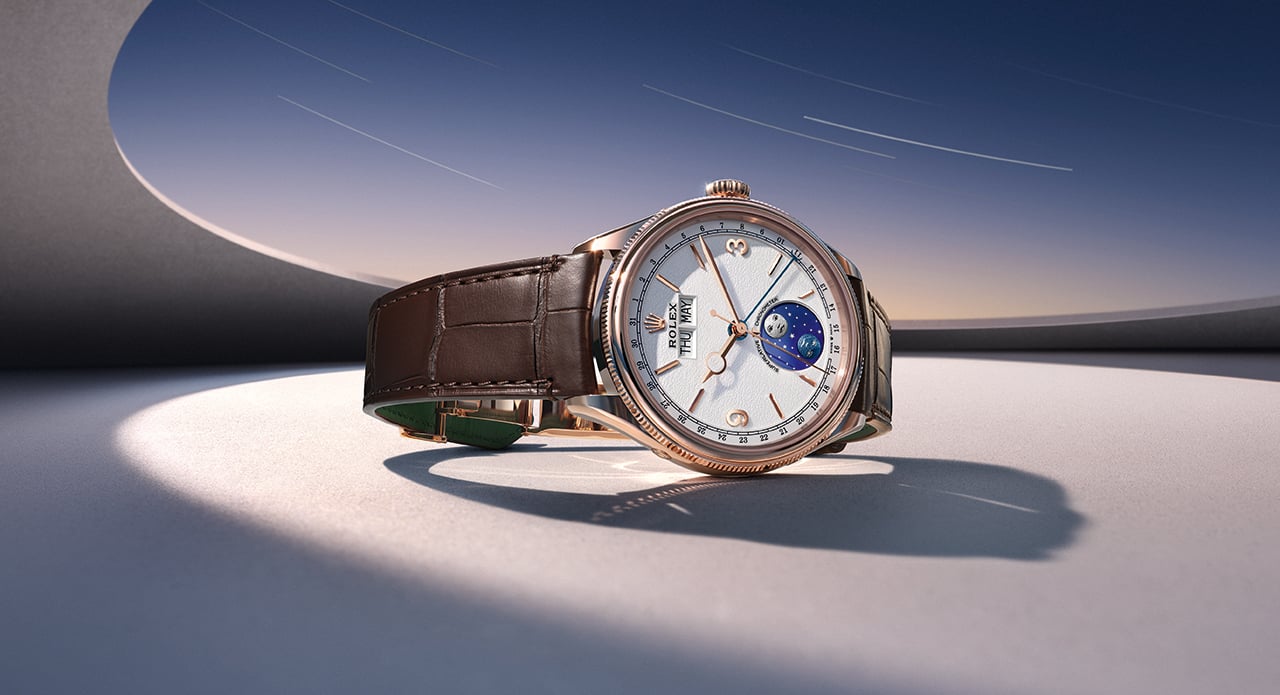
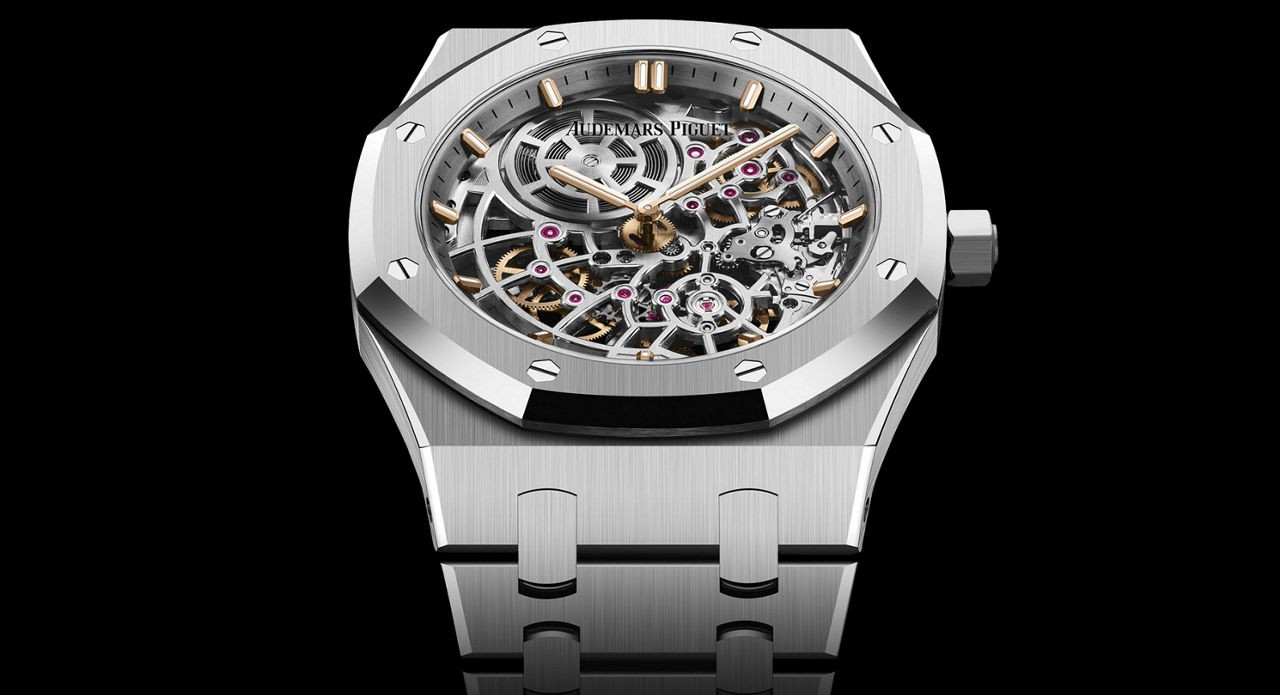
If dive watches celebrate engineering prowess, dress watches celebrate restraint. Designed to complement formal attire rather than dominate it, the dress watch embodies understated elegance. Typically slim and refined, dress watches favour simple dials, minimal complications and precious metal cases. The objective is discretion. They slip easily beneath a shirt cuff and speak softly rather than assertively. Their beauty lies in proportion, finishing and balance. In an era increasingly enamoured with oversized sports watches, the dress watch remains a quiet reminder that refinement often resides in simplicity.
Also Read: Watch Danger Zone Guide: When Not To Adjust The Date On Mechanical Watches
The Language of Purpose
Each watch style exists because someone, somewhere, needed time to be read under particular circumstances. War, aviation, exploration and social ritual all shaped the evolution of wristwatch design.
Today, collectors may choose these watches less for necessity and more for the stories they carry. A field watch evokes resilience. A pilot’s watch conjures altitude. A dive watch suggests adventure. A sports watch promises versatility. A dress watch whispers elegance. In the end, watches do more than measure time. They measure context, culture and the enduring human impulse to design tools that mirror the worlds we inhabit.