

In modern watchmaking, the material used for a watch case plays an essential role in determining durability, comfort and overall aesthetic appeal. Two of the most popular materials used by watchmakers today are stainless steel and titanium. Both materials are widely respected for their strength and reliability, yet they offer very different wearing experiences. Luxury manufacturers such as Rolex, Omega and Grand Seiko frequently use both materials across their collections, allowing collectors to choose between the classic presence of steel and the lightweight performance of titanium.
Stainless Steel Watches
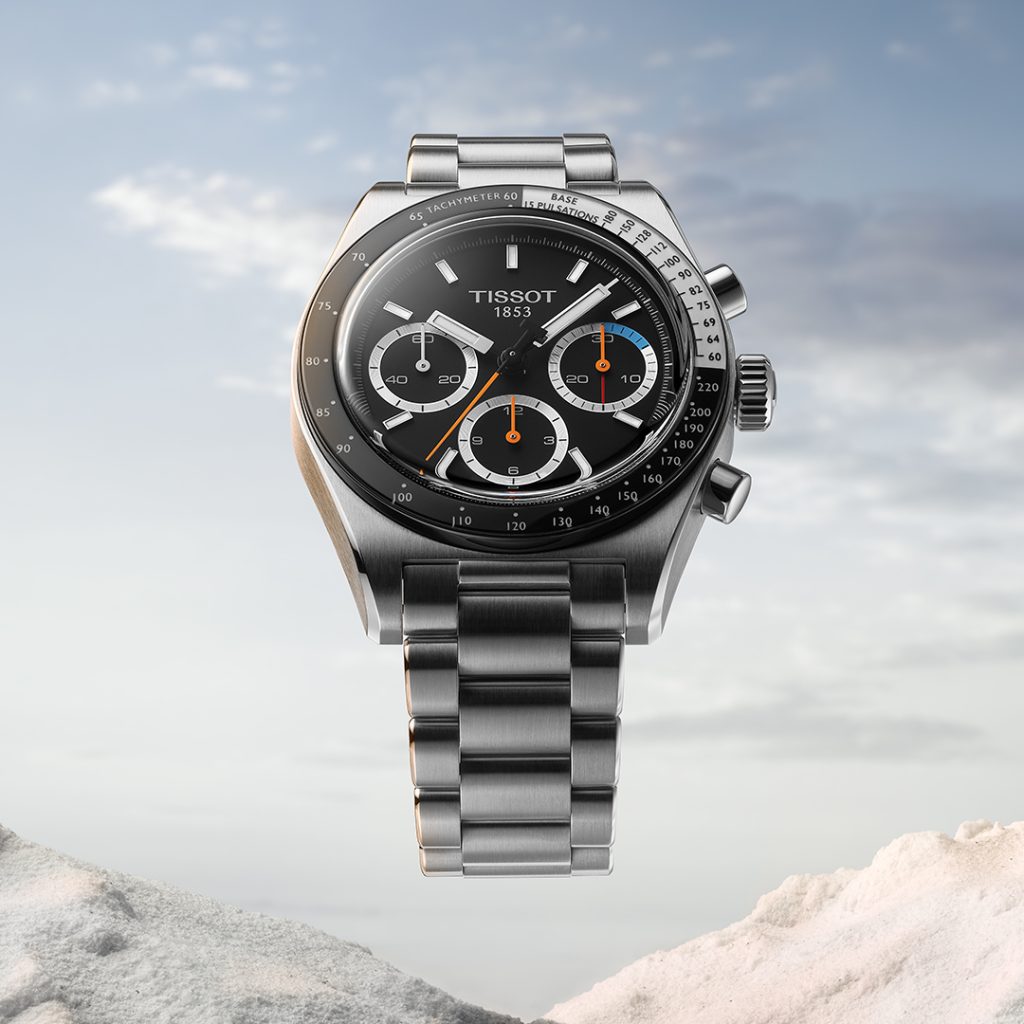
Stainless steel has long been considered the traditional backbone of luxury watchmaking. Introduced widely in the early twentieth century, it became the industry standard due to its excellent balance of durability, corrosion resistance and aesthetic versatility. Most luxury watches use high-grade alloys such as 316L steel or proprietary blends like Rolex’s Oystersteel, which are engineered to withstand daily wear while maintaining their polished appearance over time.
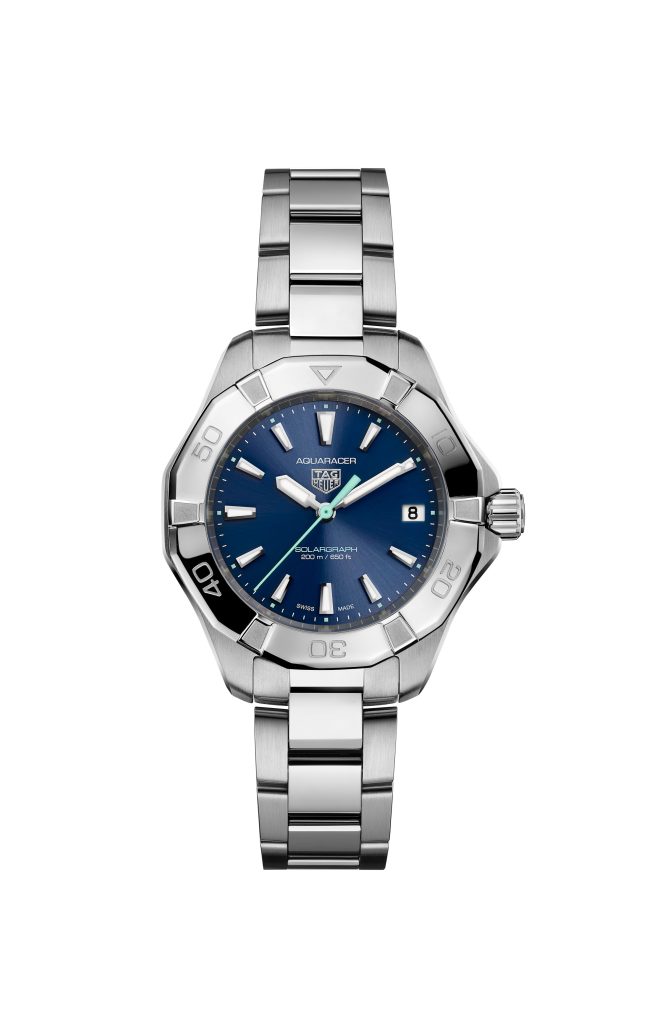
One of the biggest advantages of stainless steel watches is their durability. Steel is highly resistant to corrosion, making it suitable for everyday use and for environments that involve moisture, sweat or occasional exposure to saltwater. This durability has made steel the preferred material for many iconic sports watches and dive watches. It also offers strong resistance to surface wear, and although minor scratches can appear with regular use, these are often easy to polish out during routine servicing.
Another defining characteristic of steel watches is their visual appeal. Stainless steel allows watchmakers to apply a variety of finishes, including high polish, satin brushing and sandblasting. These finishing techniques create beautiful contrasts across the case and bracelet, enhancing the watch’s overall design. Steel also has a bright, reflective sheen that many collectors associate with traditional luxury watch aesthetics.
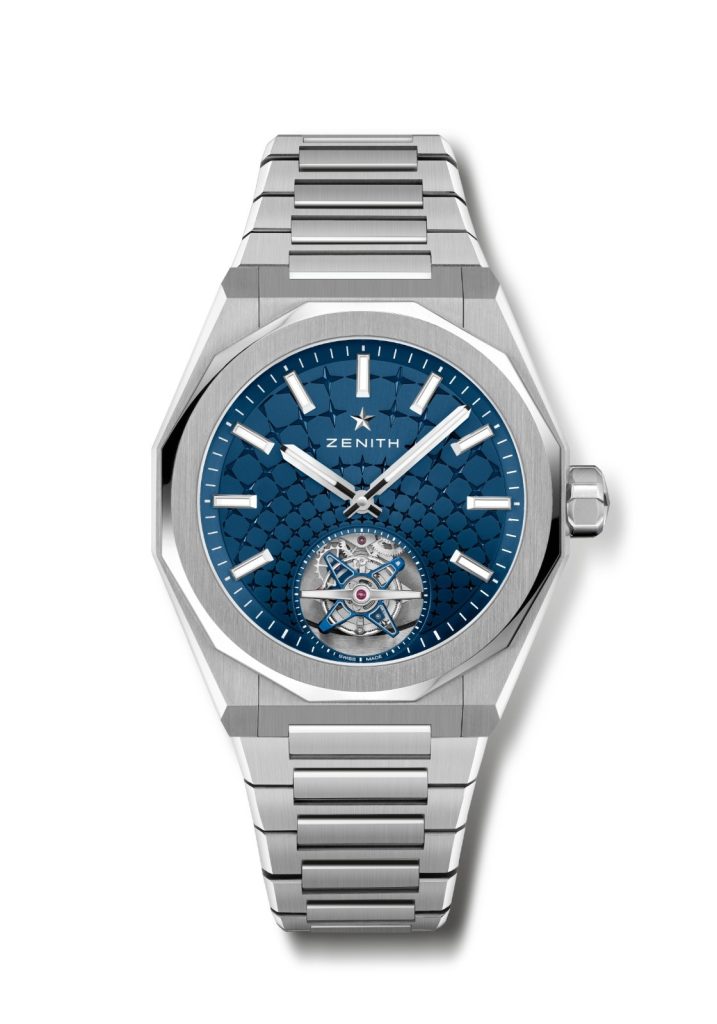
However, stainless steel watches do have a few drawbacks. The most noticeable is weight. Steel is significantly heavier than titanium, which means larger watches or those with integrated steel bracelets can feel substantial on the wrist. While many enthusiasts appreciate this reassuring heft as a sign of quality and robustness, others may find the extra weight less comfortable during long periods of wear.
Also Read: Watch Danger Zone Guide: When Not To Adjust The Date On Mechanical Watches
Titanium Watches
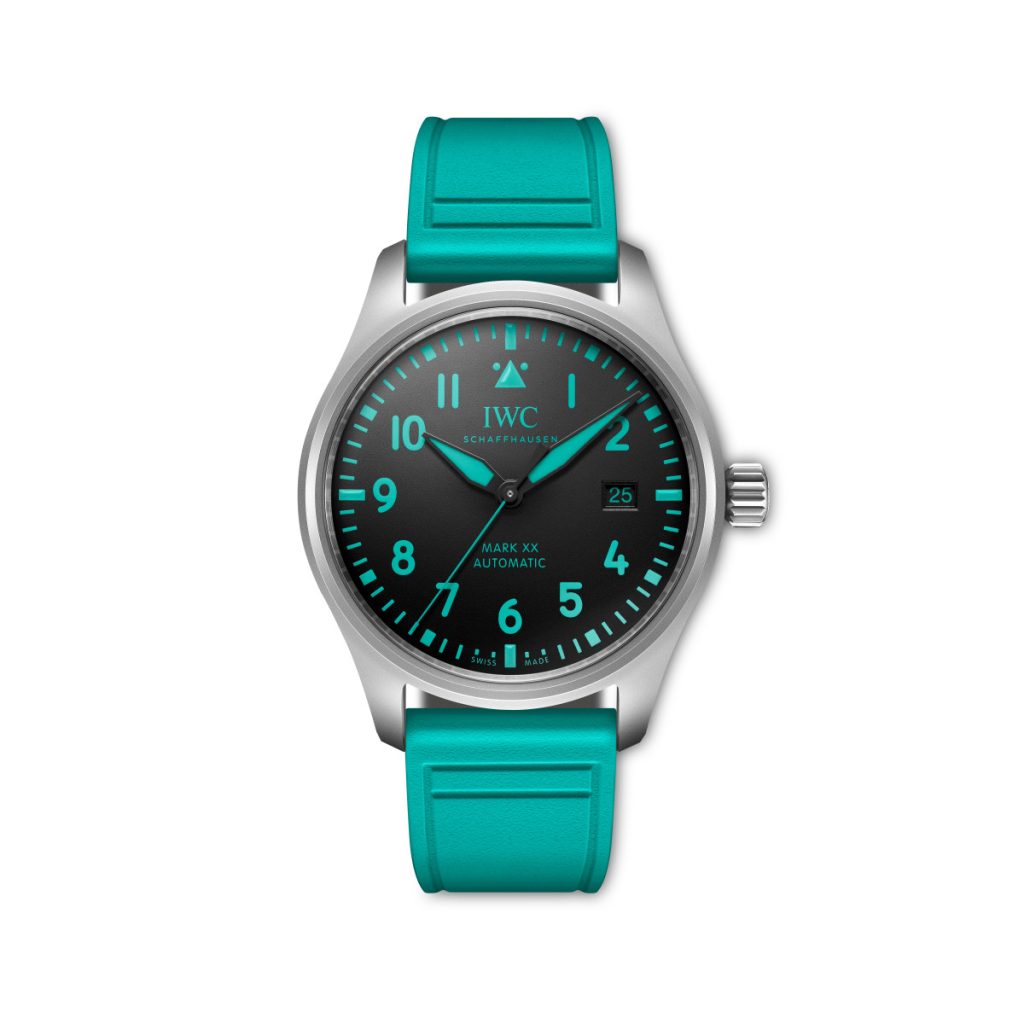
Titanium offers a very different approach to watchmaking materials. Originally developed for aerospace engineering because of its exceptional strength-to-weight ratio, titanium gradually found its way into the watch industry in the late twentieth century. Today it is widely used for professional tool watches and high-performance sports models.
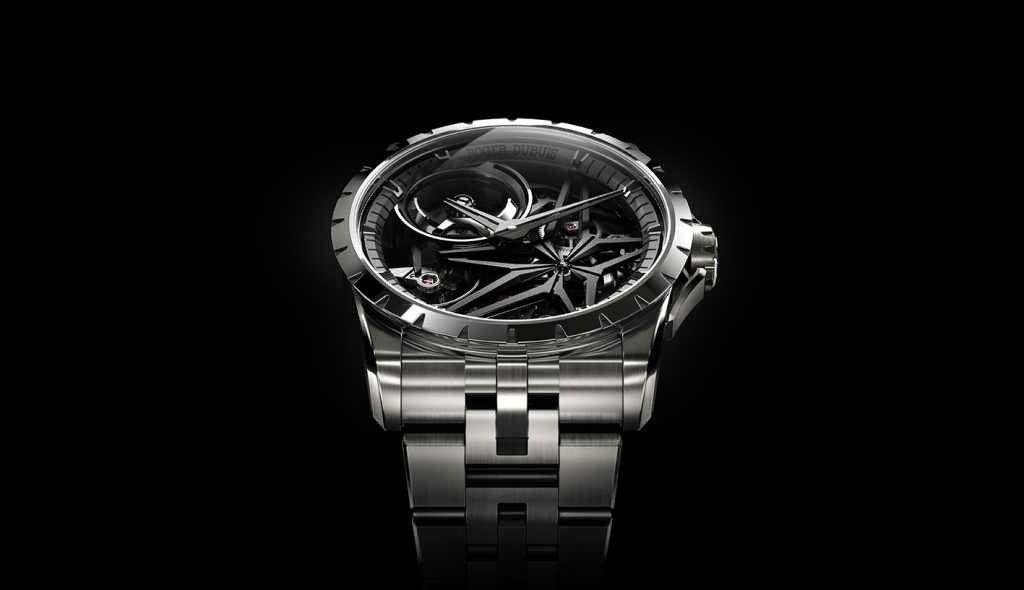
The most significant advantage of titanium is its lightness. Titanium is roughly 40 percent lighter than stainless steel, making titanium watches extremely comfortable to wear throughout the day. This lightweight quality becomes especially noticeable on larger watches, where titanium dramatically reduces wrist fatigue.
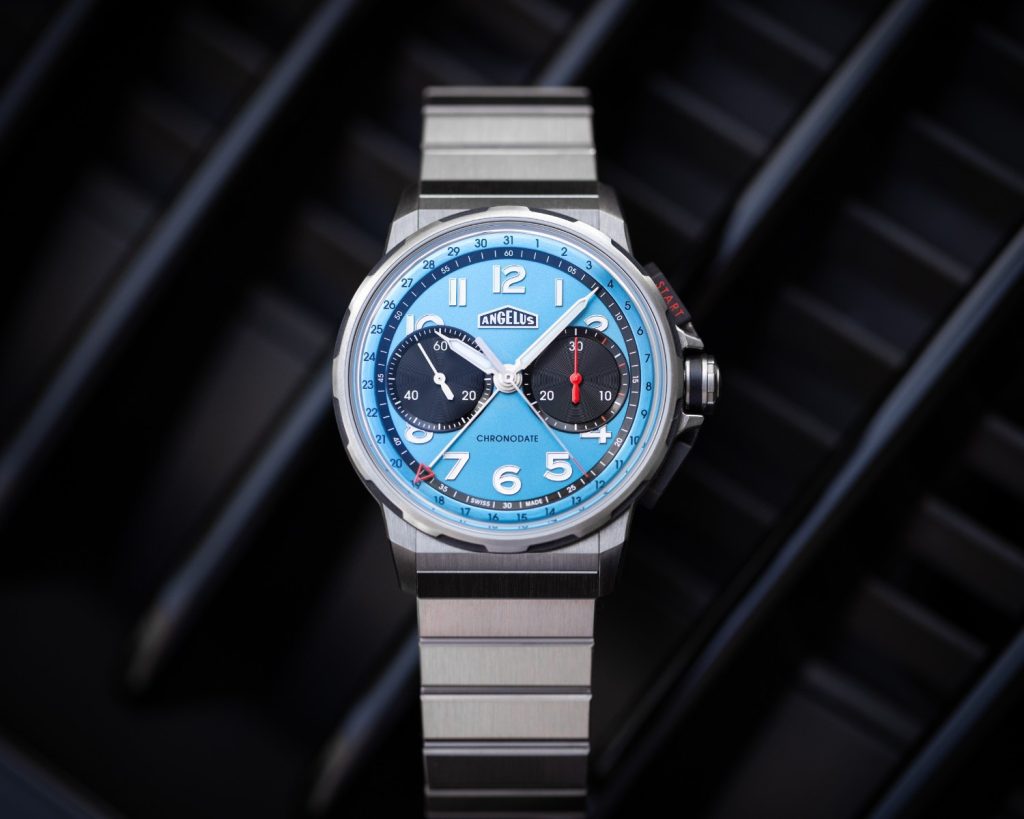
Despite its lighter weight, titanium remains incredibly strong and highly resistant to corrosion. It performs exceptionally well in extreme conditions, including saltwater environments and humid climates. This makes titanium particularly appealing for dive watches and adventure-focused timepieces designed for outdoor use. Titanium also offers excellent biocompatibility. Unlike some metals that may contain nickel or other elements that can irritate sensitive skin, titanium is generally hypoallergenic. For wearers with metal sensitivities, titanium bracelets and cases can provide a more comfortable alternative for daily wear.
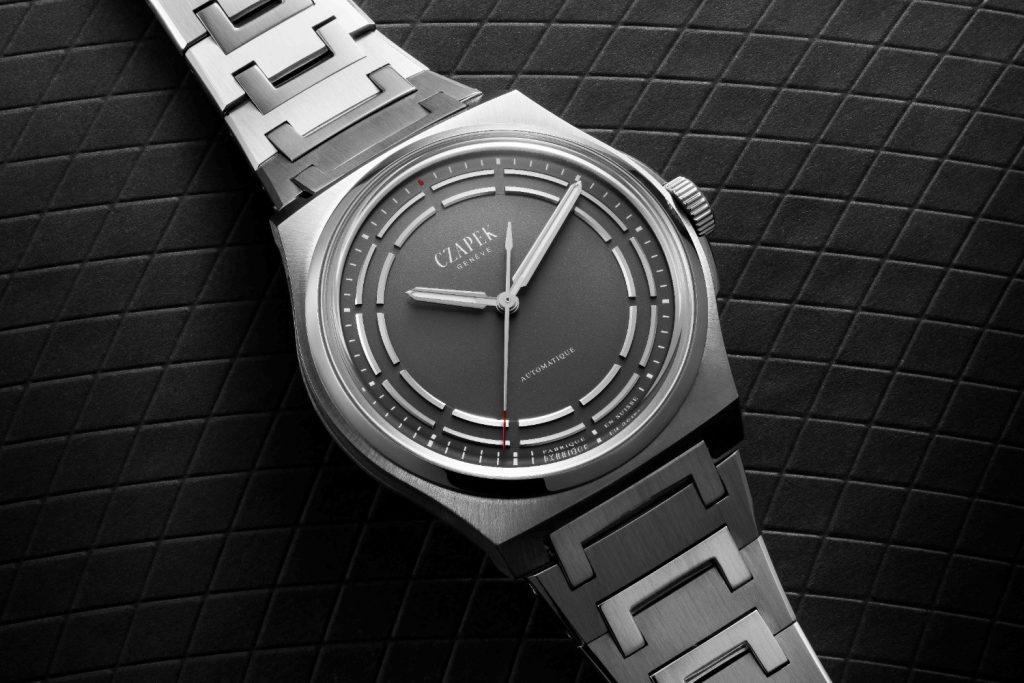
However, titanium has its own limitations. One of the most commonly noted differences is its appearance. Compared with the bright shine of steel, titanium typically has a darker, matte grey tone that gives it a more technical and understated aesthetic. While many modern finishing techniques have improved its visual depth, some collectors still prefer the classic shine of stainless steel. Titanium can also be more prone to visible surface scratches depending on the grade used. Although the metal itself is strong, untreated titanium surfaces may show marks more easily than hardened steel. To address this, many watch brands apply special coatings or surface treatments to improve scratch resistance.
Ultimately, both materials offer exceptional qualities. Stainless steel remains the benchmark for traditional luxury sports watches thanks to its weight, shine and finishing versatility, while titanium appeals to collectors seeking lightweight comfort, modern aesthetics and superior corrosion resistance. The choice between the two often comes down to personal preference and the type of watch experience one values most.