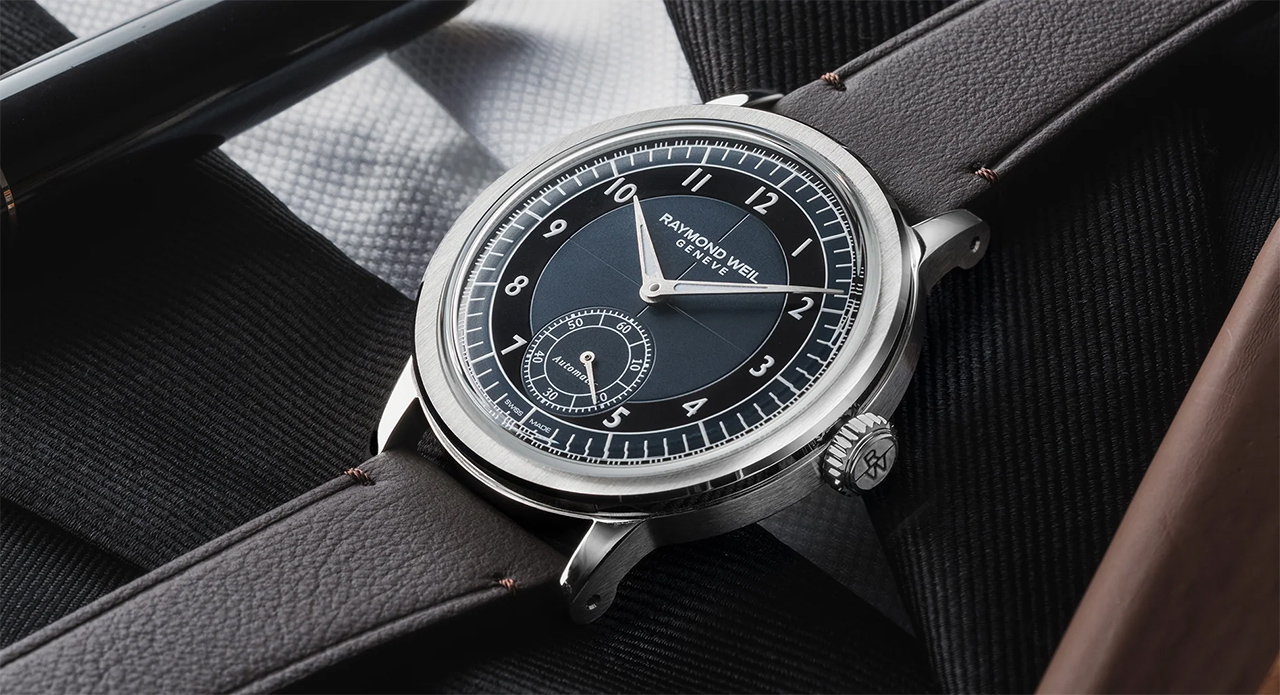


Mechanical watches are admired for their remarkable craftsmanship, intricate movements and centuries-old horological tradition. Inside these timepieces, dozens or even hundreds of miniature components work together with extraordinary precision to track time and power complications such as the date display. While modern mechanical watches are engineered to be robust, they still require careful handling to maintain their accuracy and longevity. One of the most important things every watch owner should understand is the so-called “danger zone”—the period between 9:00 pm and 3:00 am when the internal gears responsible for changing the date are already engaged.

During this time window, the watch’s calendar mechanism begins preparing to advance the date. In most mechanical movements with a date complication, the process of changing the date does not happen instantly at midnight. Instead, it begins gradually several hours earlier. Around 9:00 pm, a set of gears connected to the hour wheel slowly start engaging the date wheel through an intermediate mechanism. As the movement continues to run, tension builds within the system until it reaches its peak around midnight, when the date disc jumps to the next number. However, even after the date has changed, the gears remain partially engaged for some time before completely resetting. This disengagement usually completes around 3:00 am.
Also Read: Top Female-Led Watch Brands Shaping The Luxury Watch Industry
The reason this period is called the danger zone is because manually adjusting the date while the automatic date-change mechanism is already in motion can cause mechanical stress inside the movement. Most mechanical watches feature a quick-set date function that allows the wearer to adjust the date by pulling the crown to a specific position and rotating it. This function works perfectly when the date-change gears are not engaged. But if the wearer attempts to use the quick-set function while the internal gears are already pushing the date wheel forward, two sets of mechanisms may push against each other simultaneously. This mechanical conflict can lead to issues such as a misaligned date disc, damaged gear teeth, a stuck calendar wheel or even a malfunctioning quick-set system.

Although contemporary movements often incorporate stronger materials and improved tolerances, the underlying mechanical principles remain unchanged. For this reason, watchmakers still recommend avoiding manual date adjustments between 9:00 pm and 3:00 am unless the manufacturer explicitly states otherwise. A simple precaution can prevent unnecessary strain on the movement and help preserve the watch’s long-term reliability.
One practical solution often recommended by watchmakers is to move the hands to a safe time before adjusting the date. Many collectors set the time to around 6:30 before using the quick-set date function. This position ensures that the calendar gears are completely disengaged from the date wheel, allowing the wearer to adjust the date without any risk to the mechanism. After setting the correct date, the hands can then be advanced to the current time.

Understanding the mechanical watch danger zone is a simple yet valuable piece of knowledge for any watch enthusiast. By avoiding date adjustments between 9:00 pm and 3:00 am and taking a moment to position the hands safely before setting the calendar, owners can protect the delicate internal components of their timepieces. In the world of fine watchmaking, small habits like this play an important role in preserving the precision, reliability and craftsmanship that make mechanical watches so enduringly special.