Everything You Need to Know About The Springs In A Mechanical Watch
Springs are the hidden architects of mechanical timekeeping, quietly storing, releasing and regulating energy with astonishing precision, transforming inert metal into the living pulse of a watch
To the uninitiated observer, a mechanical watch may appear as a dignified arrangement of gears, hands and polished metal, yet beneath its tranquil façade lies a theatre of tension, release and balance orchestrated by an ensemble of springs whose purpose is as scientific as it is poetic. These coiled marvels of metallurgy form the unseen heart of horology, quietly storing energy, governing its release and safeguarding precision against the indignities of motion and time itself. To understand the springs within a mechanical watch is to appreciate not merely how a watch functions, but why it has endured as a symbol of human ingenuity in an increasingly digital age.
Mainspring
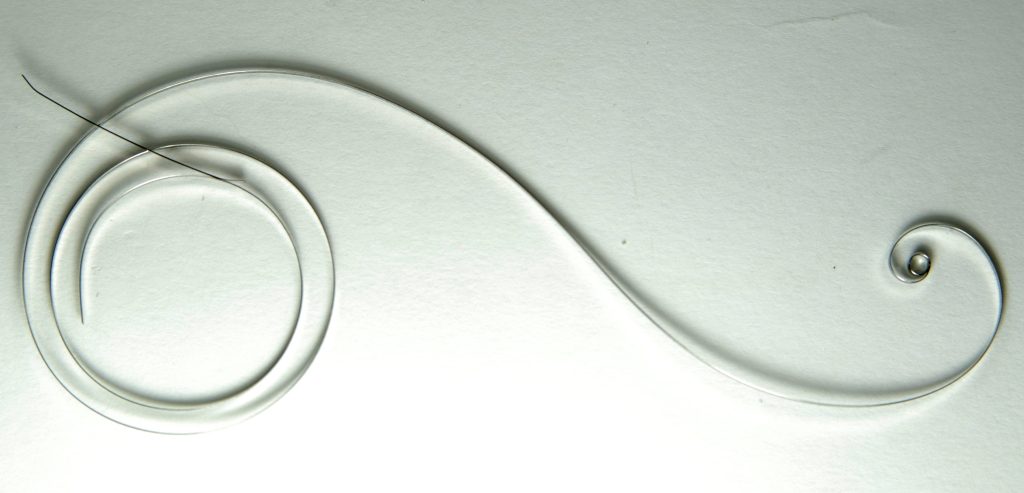
At the core of every mechanical watch resides the mainspring, a tightly wound ribbon of specialised alloy enclosed within the barrel. The mainspring’s role is deceptively simple yet fundamentally profound: to store potential energy when wound and release it gradually to power the watch. As tension builds, the coiled metal becomes a reservoir of controlled force, feeding the gear train with unwavering consistency. Modern advancements in alloys have enabled mainsprings to deliver longer power reserves and improved stability, yet the principle remains beautifully unchanged from centuries past. It is this slow uncoiling, this measured surrender of tension, that transforms human interaction into the steady rhythm of ticking time.
Also Read: Why The Louis Vuitton Escale Worldtime Is A Must-Have For Watch Enthusiasts
Barrel
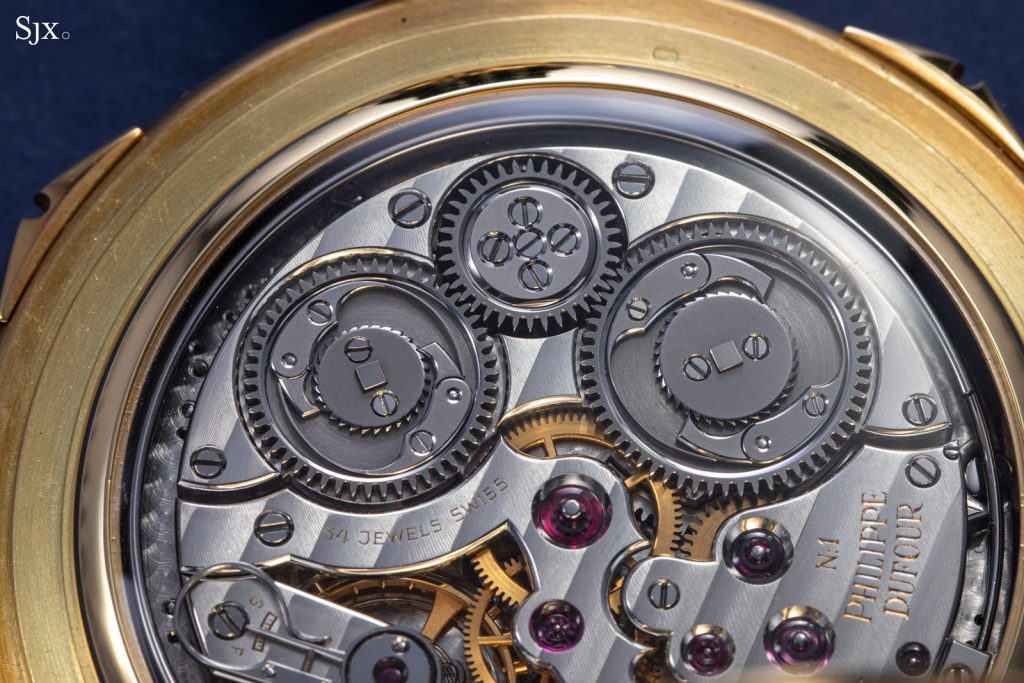
Encasing the mainspring is the barrel, a cylindrical chamber that regulates the delivery of energy to the movement. While a single barrel has long been sufficient for traditional timekeeping, contemporary watchmaking frequently embraces twin barrel systems to enhance performance. Twin barrels may operate in parallel, distributing power more evenly and extending the duration of autonomy, or in series, delivering greater torque for complicated mechanisms requiring additional energy. This dual arrangement allows for smoother transmission, reduced wear on components and a more stable amplitude across the watch’s running time. In essence, twin barrels embody the watchmaker’s pursuit of endurance and consistency, ensuring that elegance is matched by reliability.
Fusee and Chain
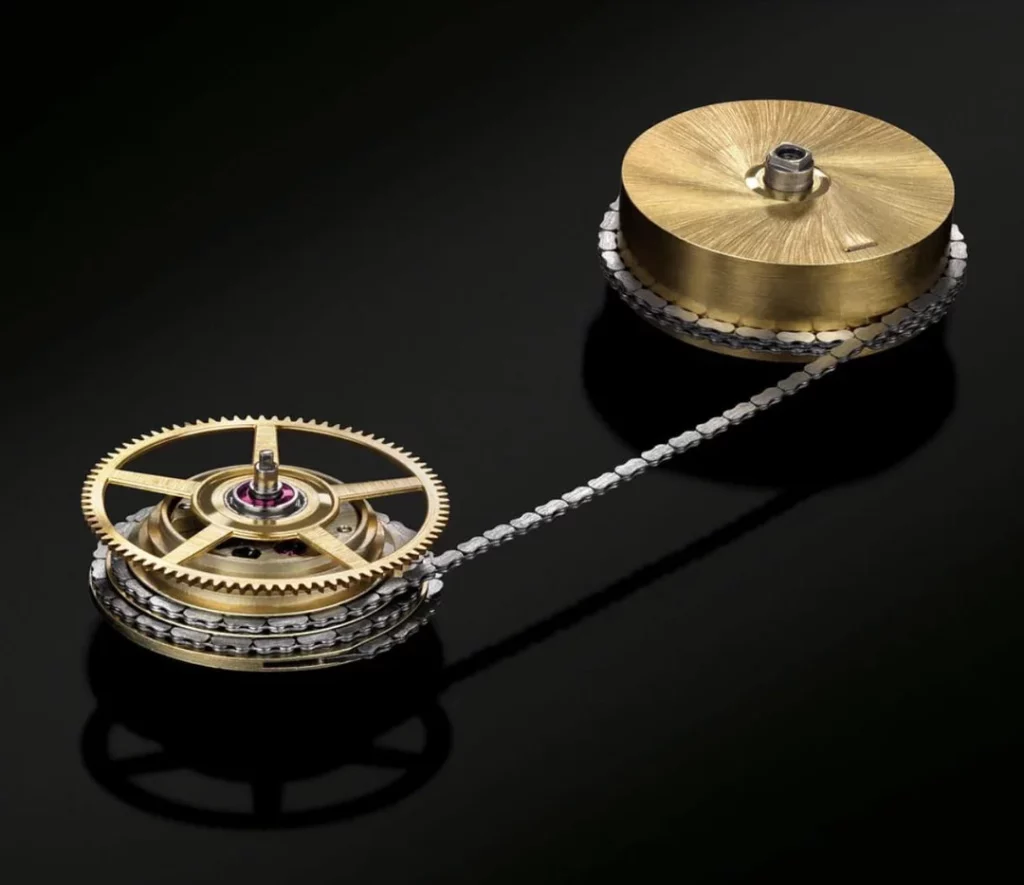
Among the most romantic inventions in horology is the fusee and chain mechanism, an ingenious solution born in an era before modern mainspring technology. As a mainspring unwinds, its force naturally diminishes, threatening the stability of timekeeping. The fusee addresses this by using a conical pulley linked to the barrel by a delicate chain, equalising torque as power decreases. The chain wraps and unwraps itself with breathtaking precision, maintaining a consistent force to the escapement. Though largely replaced by contemporary engineering, the fusee and chain endures as a testament to the imaginative brilliance of early watchmakers, a mechanical metaphor for balance achieved through complexity.
Hairspring
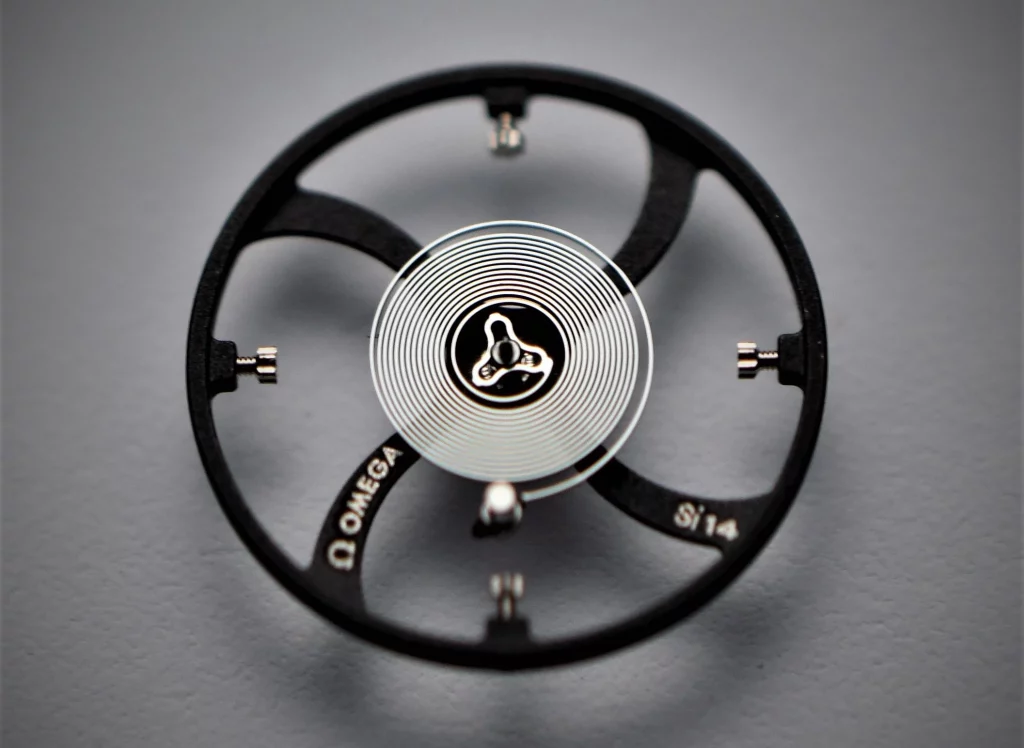
Equally vital, though often overlooked, is the hairspring, a microscopic spiral that partners with the balance wheel to regulate the pace of the watch. Oscillating hundreds of times per minute, the hairspring determines the rhythm by which energy is released, transforming raw mechanical force into precise intervals of time. Crafted from highly specialised materials resistant to temperature change and magnetism, the hairspring’s geometry must be near perfect, for even the slightest imperfection can disrupt accuracy. In its delicate breathing motion lies the soul of the watch, an endlessly repeated dance of expansion and contraction that dictates every passing second.
Shock Absorbers
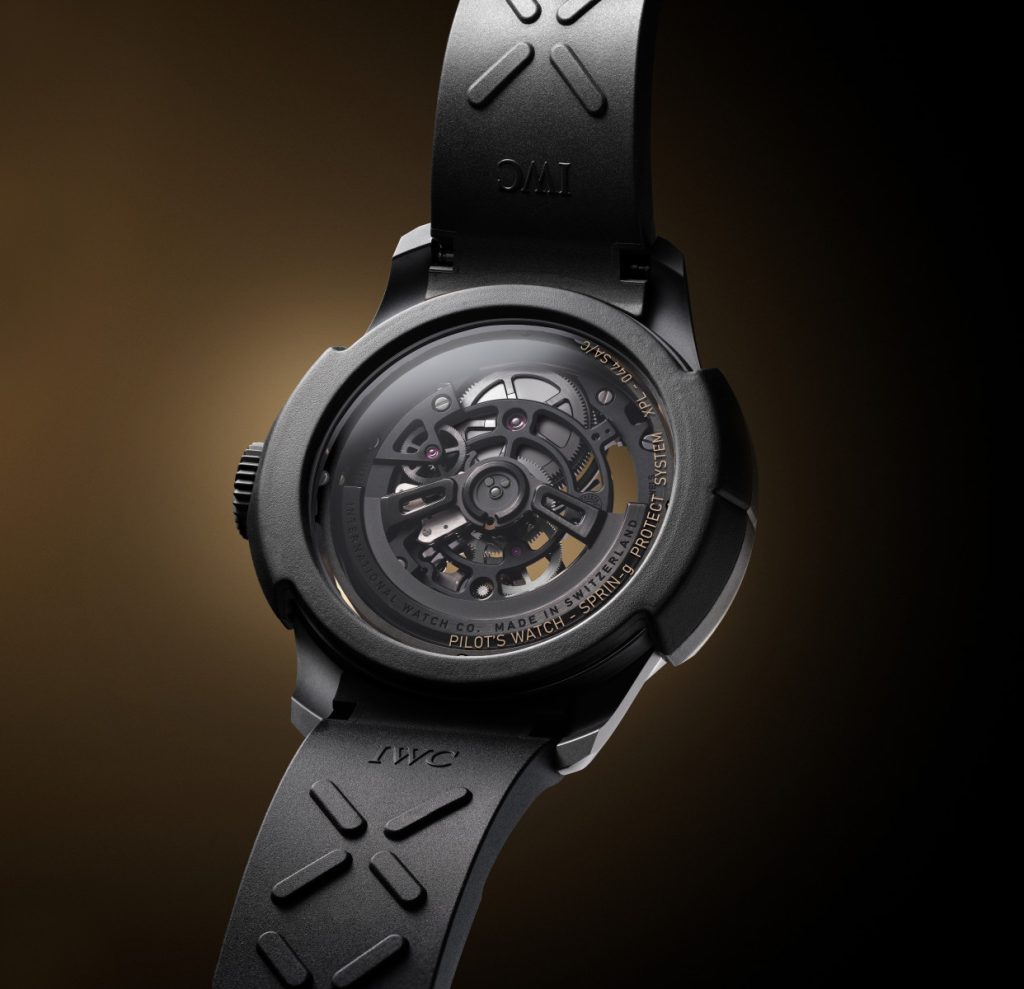
Finally, modern mechanical watches rely on shock absorbers to protect their delicate oscillating organs from the unavoidable jolts of daily life. These tiny spring based systems cradle the balance staff, allowing it to move slightly under impact and thereby preventing catastrophic damage. Innovations such as Incabloc and similar designs have dramatically improved durability, enabling mechanical watches to accompany their wearers through the unpredictability of the modern world while preserving accuracy and longevity.
Together, these springs form a symphony of stored energy and controlled motion, each serving a distinct yet interconnected purpose within the grand architecture of a mechanical watch. They remind us that precision is not merely the result of rigid engineering but of carefully balanced tension, of flexibility harnessed in service of order. In an age defined by instantaneity, the springs of a mechanical watch offer a quieter lesson: that beauty often lies in restraint, and that the measured release of energy can, quite literally, give shape to time itself.